Skip to content
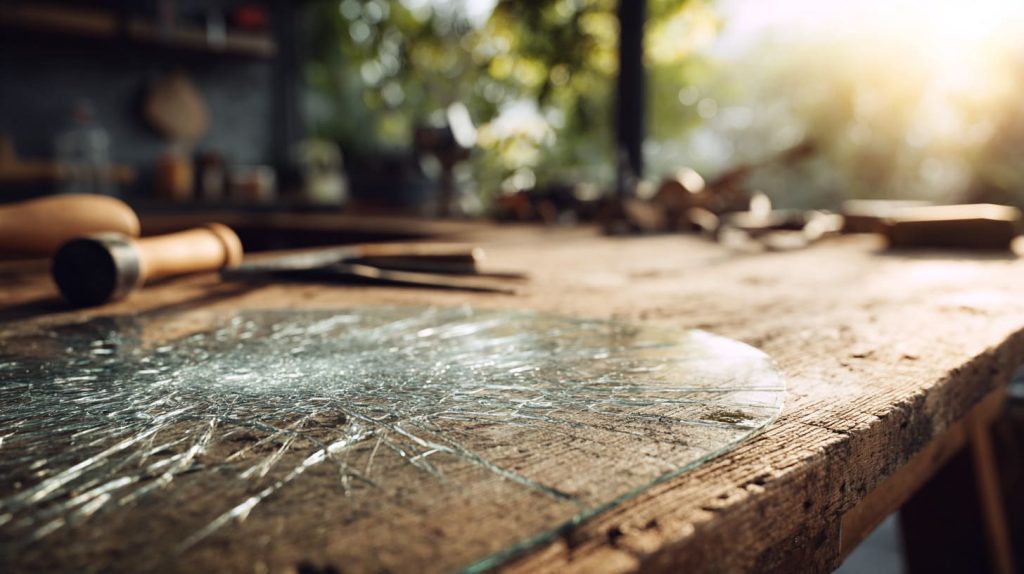
That crack wasn’t there yesterday. But there it was—running across the corner of a polycarbonate panel like a scar. I stared at it, half-annoyed, half-determined. Could it be saved?
The best glues for polycarbonate include epoxy, methylene chloride-based solvents, and specially formulated plastic adhesives designed for high-impact plastics.
Most common glues don’t bond well with polycarbonate. And yes, I’ve learned that the hard way. Let me walk you through what works—and what really doesn’t.
Can you repair cracked polycarbonate?
Cracks in polycarbonate are sneaky. They start small and travel fast.
Yes, you can repair cracked polycarbonate using epoxy resin or plastic weld adhesive designed for high-strength plastics.
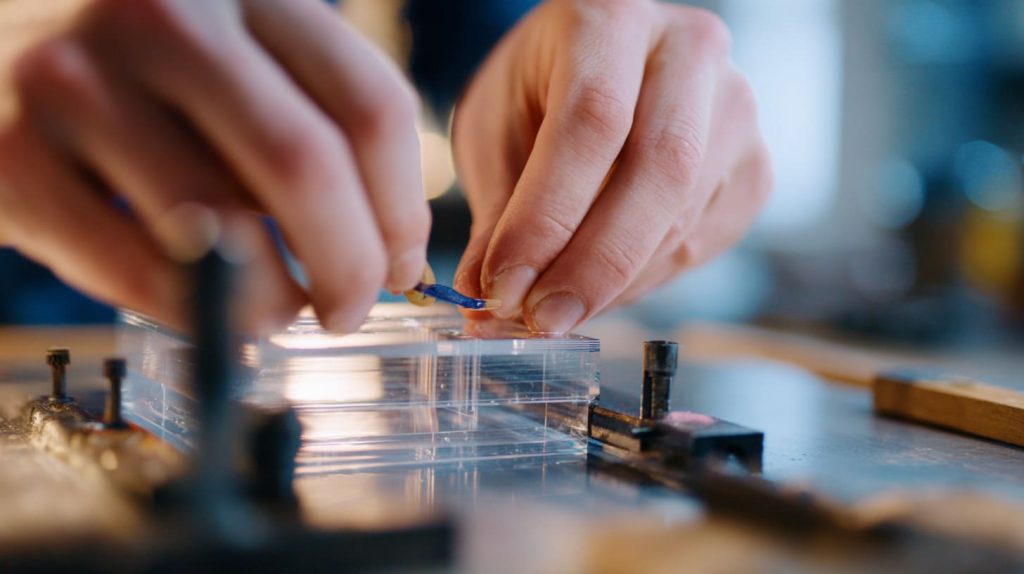
How I approach cracked pieces
Here’s what I do: I clean the surface thoroughly, apply two-part epoxy into the crack, and clamp it gently until cured. Sometimes I reinforce with a matching patch from scrap polycarbonate. It's not invisible—but it's strong.
| Method | Repair Strength | Aesthetics | Prep Needed |
|---|---|---|---|
| Two-part Epoxy | High | Moderate | Medium |
| Methylene Chloride Weld | Very High | Invisible | High |
| Superglue (CA) | Low | Clear | Low |
What should you not use on polycarbonate?
I once saw someone use acetone on a polycarbonate lens.
Avoid using acetone, MEK, or other harsh solvents—they can cause clouding, brittleness, or even structural damage.
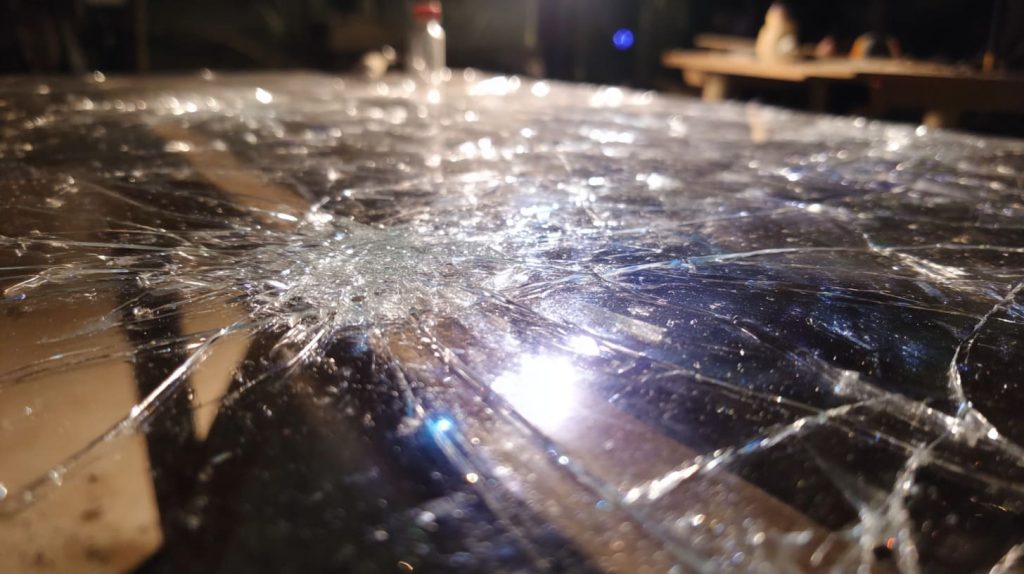
It’s tempting to grab whatever’s on hand, especially in a busy workshop. But some solvents don’t just fail—they ruin the material. Trust me, if it smells like nail polish remover, keep it far away.
What is the best way to attach polycarbonate?
Sometimes we’re not repairing—we’re building. That changes the rules.
The best way to attach polycarbonate is with solvent welding or using high-strength plastic adhesives like Loctite 3035 or Weld-On 3.
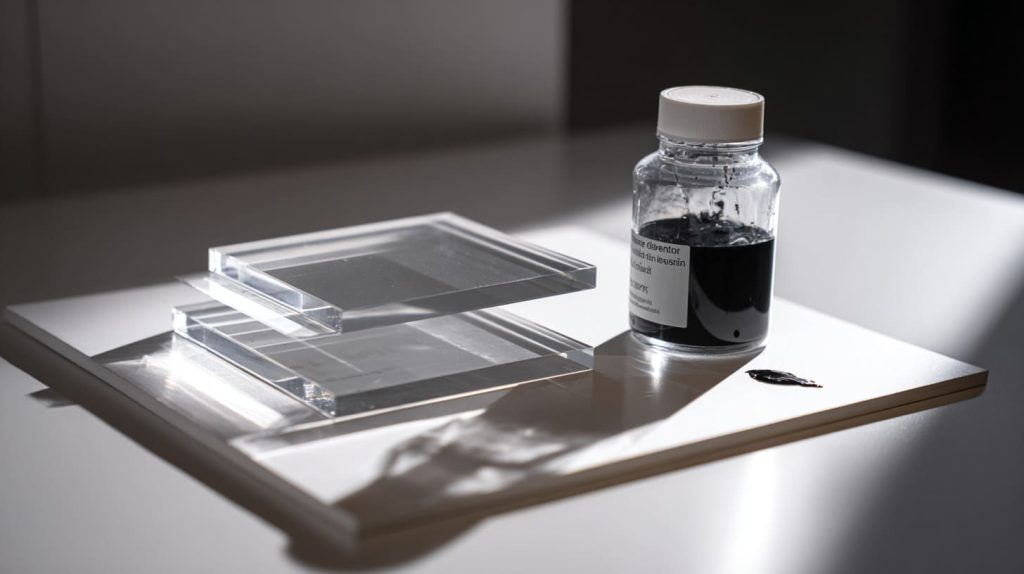
For display builds or transparent parts, I often use solvent bonding. The result? A clean, almost invisible joint that feels like it was molded that way.
Does superglue work with polycarbonate?
It’s the first thing everyone reaches for—myself included, once.
Superglue (cyanoacrylate) can bond polycarbonate, but the joint is weak and may turn white or crack under stress.
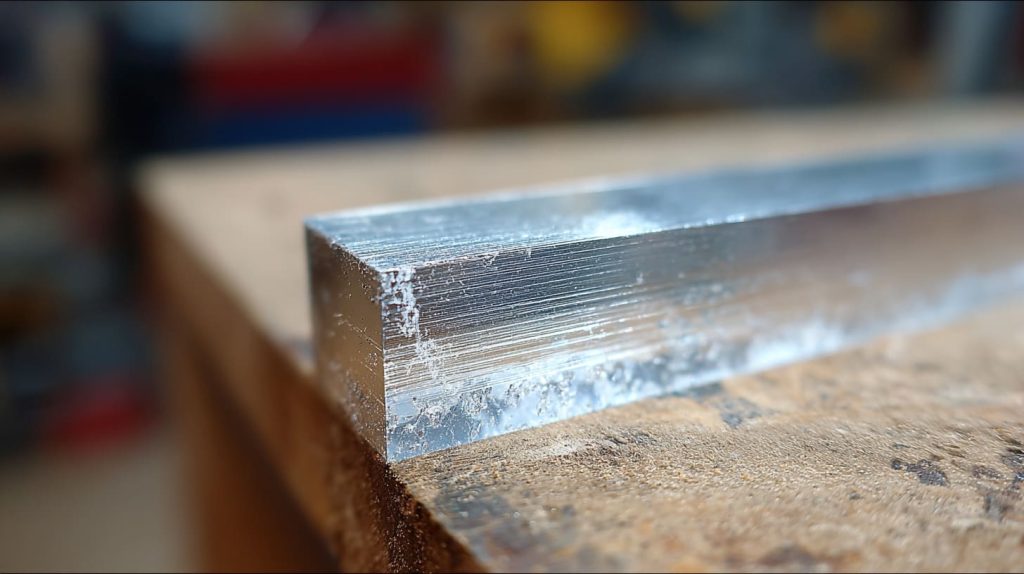
It works in a pinch. But if the piece needs to hold weight or endure flexing, it’ll likely pop. I use it only for light-duty or temporary fixes.
What is the strongest adhesive for bonding polycarbonate?
When I need something to stay put, I go for the big guns.
The strongest adhesives for polycarbonate are epoxy resins and two-part structural adhesives like 3M Scotch-Weld DP100.
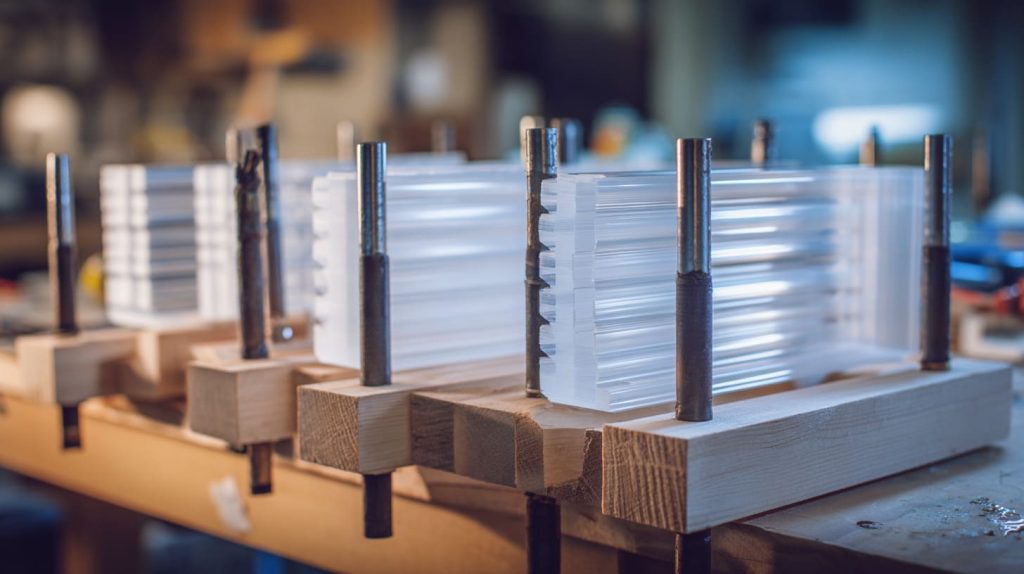
Battle-tested recommendations
| Adhesive Type | Strength | Best Use Case |
|---|---|---|
| 3M DP100 Epoxy | Very Strong | Structural parts, framing |
| Loctite 3035 | Strong | Impact-resistant bonding |
| Weld-On 3 Solvent | Seamless | Clear edge bonding, display work |
For load-bearing applications? Always epoxy.
Does polycarbonate require surface preparation before gluing?
Absolutely yes—and this step often gets skipped.
Polycarbonate surfaces need cleaning, degreasing, and light abrasion before gluing for optimal adhesion.
Skip this, and even the strongest glue will peel like tape. I usually clean with isopropyl alcohol, dry it completely, and rough it up just a bit with fine-grit sandpaper.
Can you use epoxy on polycarbonate plastic?
Yes—and it’s my go-to in most repair jobs.
Epoxy bonds very well to polycarbonate and creates a durable, gap-filling joint.
Just be sure it’s the right type. I look for flexible epoxies that tolerate some thermal movement, especially if the part’s going outdoors or near heat.
Will super glue work on polycarbonate sheets?
Technically, yes. Realistically, not for long.
Super glue may initially bond polycarbonate sheets, but the joint will be brittle and prone to failure.
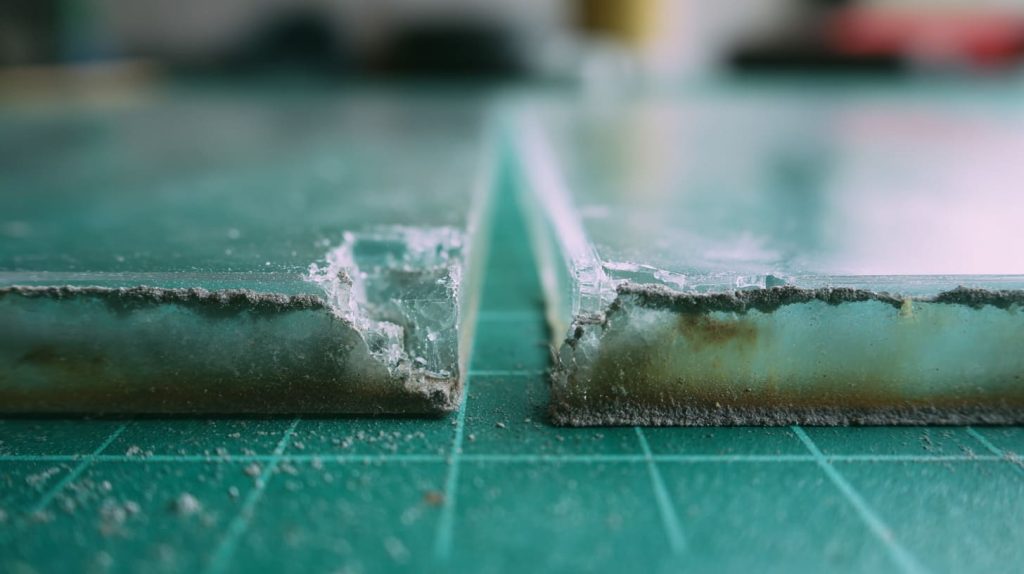
If aesthetics matter, or if the sheet will flex even slightly, I skip CA glues. They crack and haze too easily on this material.
Is polycarbonate glue waterproof and weather-resistant?
This one’s crucial for outdoor signage or covers.
Many polycarbonate adhesives are waterproof and UV-resistant, but not all—check your product specs carefully.
Here's what to look for:
- Waterproof: Required for rain, condensation, or marine use.
- UV Resistant: Prevents yellowing or degradation under sun.
- Temperature Tolerance: Especially important for hot or cold climates.
I always test a small sample outdoors before a full-scale project.
What is the best way to bond polycarbonate to metal or acrylic?
Dissimilar materials bring extra challenges.
Use a flexible, high-performance adhesive like structural acrylics or hybrid epoxy to bond polycarbonate to metal or acrylic.

You need something that handles different expansion rates. I’ve had good luck with 3M DP8005 when gluing to aluminum. For acrylic, I use Weld-On 55.
Why does some glue not stick well to polycarbonate?
Good question—and it confused me early on, too.
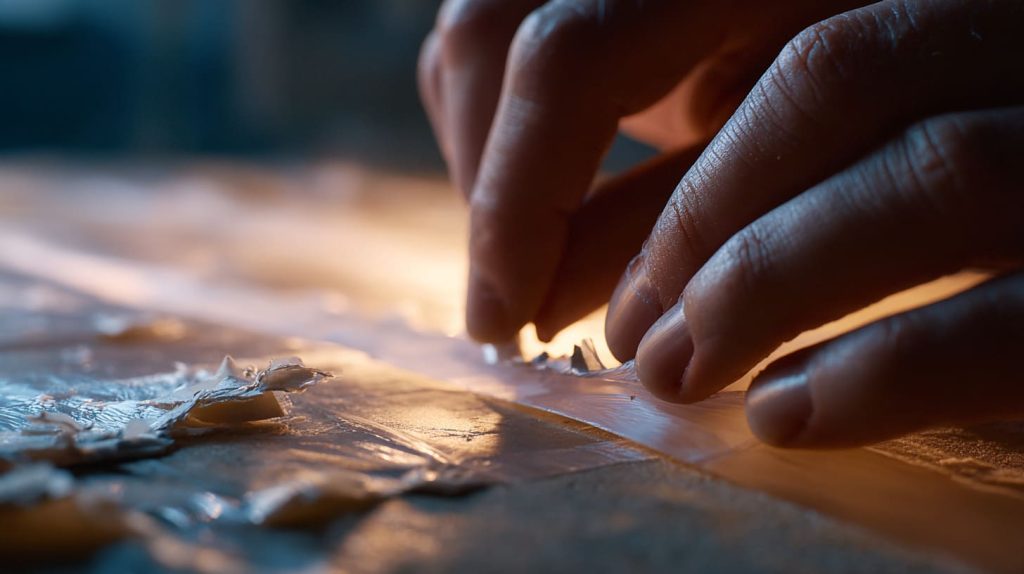
Polycarbonate has a low surface energy, which makes it difficult for many adhesives to wet and grip the surface.
What helps:
- Surface prep (cleaning + abrasion)
- Primers for plastic
- Choosing glue rated for "low-energy surfaces"
The material is strong. But getting something to hold onto it? That’s the tricky part.
How long does polycarbonate adhesive take to cure fully?
If you rush it, you’ll regret it.
Full cure time varies, from 15 minutes to 48 hours, depending on the adhesive used.
I’ve seen epoxy hold in 30 minutes, but weaken a week later because it wasn’t fully cured. Always give it the time listed on the datasheet—plus a little extra if the workshop’s cold.
Are solvent-based adhesives safe for bonding polycarbonate?
They can be safe—but only the right kind.
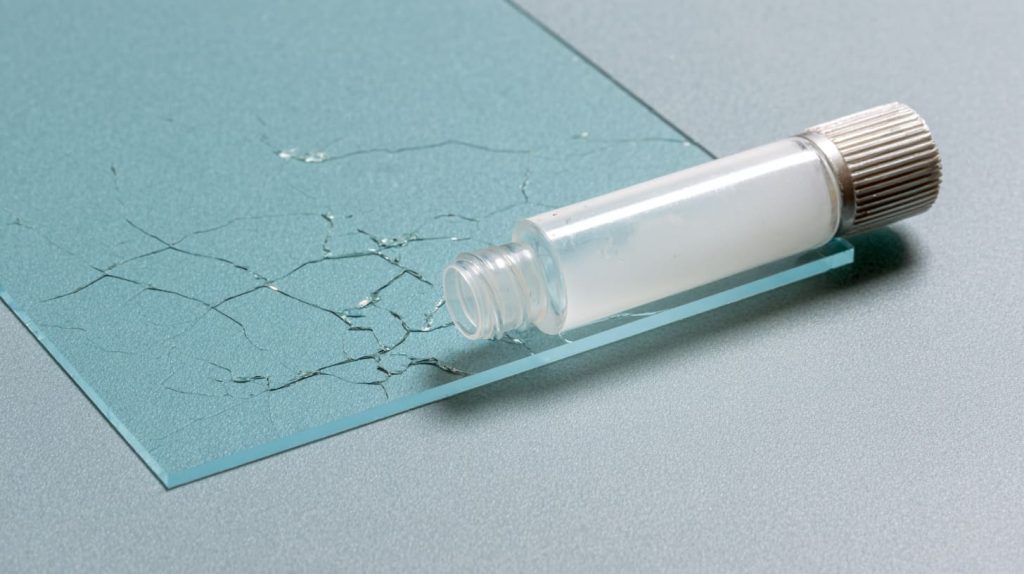
Only use solvent adhesives formulated for polycarbonate, like methylene chloride blends; others may cause damage or stress cracking.
My rule of thumb:
- Safe: Weld-On 3, 4, or 55
- Unsafe: Acetone, MEK, toluene
Always test a corner. Better safe than spider-cracked.
Conclusion
Polycarbonate is tough, but glue choices aren’t one-size-fits-all. Prep right, choose smart, and your bond will last.