Skip to content

Choosing the wrong plastic for signage wastes money quietly. The sign looks fine at first. Then it fades, bends, or cracks. I see buyers replace signs too early because the material never matched the real environment.
The right plastic for signage depends on where the sign lives. Indoor signs need clarity and finish. Outdoor signs need weather and UV resistance. When material matches location, the sign lasts longer and costs less over time.
I learned this after re-quoting the same projects twice. Same size. Same design. Only the location changed. That small detail changed everything.
What is the best plastic for outdoor signage?
Outdoor signs live a hard life. Sun. Rain. Heat. Cold. Dust. That stress shows fast if the plastic is wrong.
The best plastic for outdoor signage is one that resists UV, moisture, and impact. Polycarbonate and outdoor-grade PVC work well. Acrylic can work, but only with the right thickness and UV-grade material.

Why outdoor signs fail early
Most failures come from ignoring sunlight and heat.
| Problem | What causes it | What it looks like |
|---|---|---|
| Yellowing | UV exposure | Cloudy surface |
| Warping | Heat buildup | Bent panels |
| Cracks | Impact + cold | Edge fractures |
My rule of thumb
If the sign sees sun every day, I pause. Then I ask more questions.
What is the difference between indoor and outdoor signage?
Indoor and outdoor signs look similar on paper. In real life, they are not.
Indoor signage focuses on appearance and finish. Outdoor signage focuses on survival. The environment decides which properties matter most.
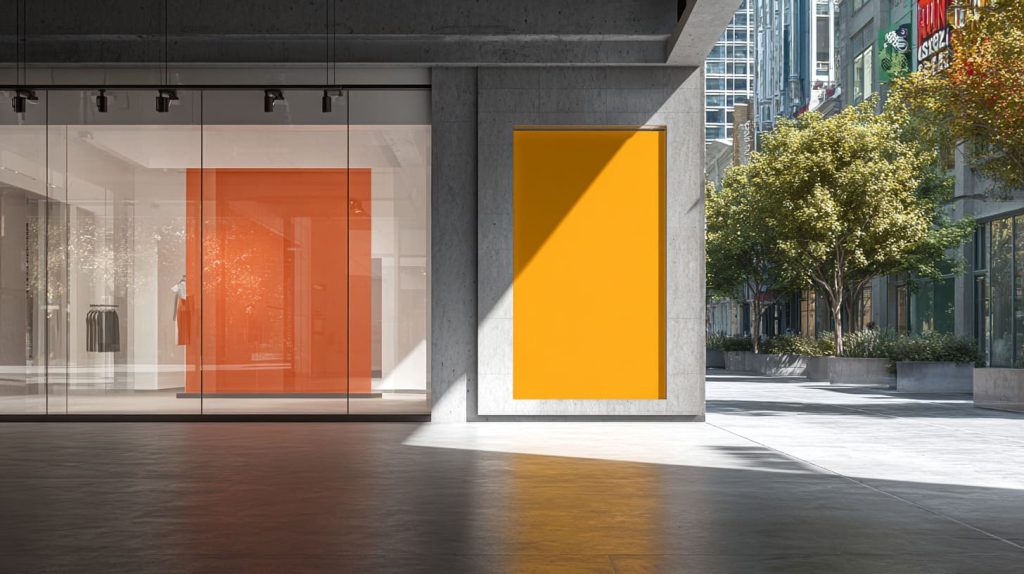
Key differences that matter
- Indoor: lighting, clarity, branding
- Outdoor: UV, temperature change, wind
| Factor | Indoor | Outdoor |
|---|---|---|
| UV exposure | Low | High |
| Impact risk | Low | Medium to high |
| Thickness need | Thin OK | Thicker needed |
What material should be used for outdoor signage?
Material choice starts with exposure time.
Outdoor signage materials should handle UV, water, and stress. Common choices include polycarbonate, PVC, and thick cast acrylic with UV protection.
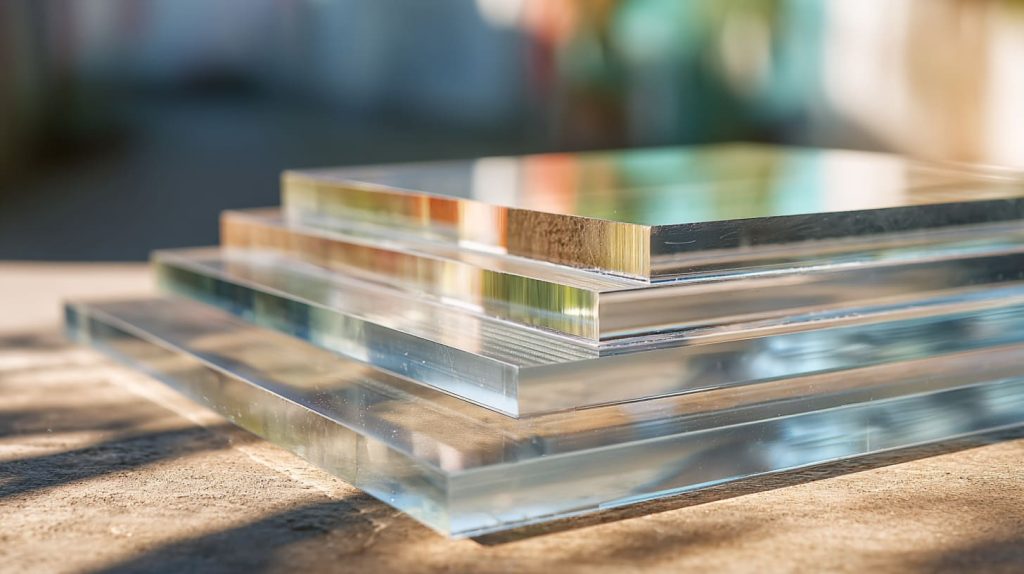
How I narrow it down
I usually ask three questions:
- Direct sunlight or shade?
- Fixed or movable sign?
- Expected lifespan?
Those answers cut options fast.
Is PVC good for outdoor signs?
PVC shows up often because it is cheap and easy.
PVC can be good for outdoor signs if it is outdoor-grade and properly supported. Standard foam PVC may fade or warp under strong sun.
PVC strengths and limits
| Aspect | PVC |
|---|---|
| Cost | Low |
| Weight | Light |
| UV resistance | Medium |
| Long-term clarity | Poor |
I use PVC when budget matters more than lifespan.
What type of plastic is used for signage?
There is no single answer. Each plastic solves a different problem.
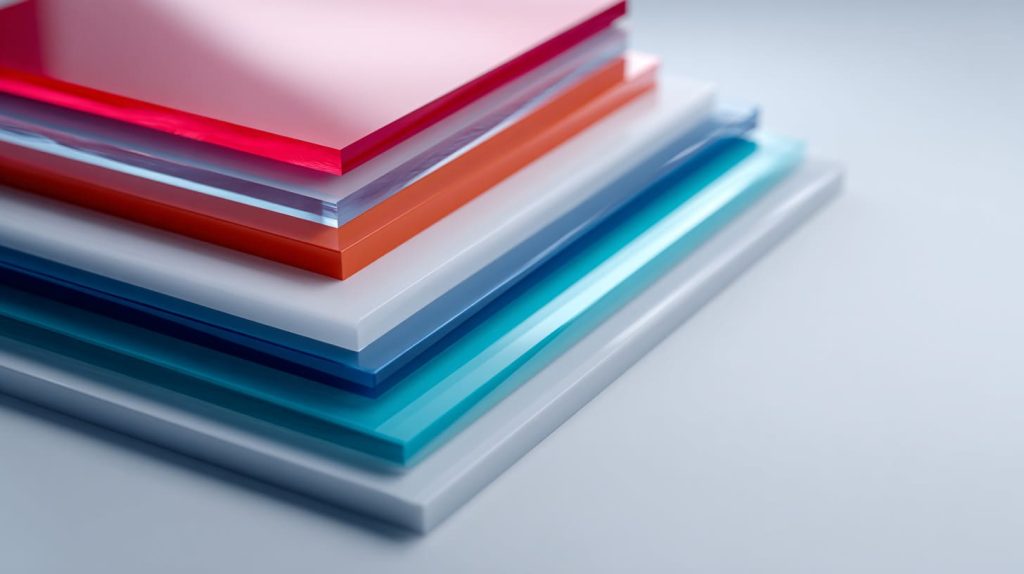
Common signage plastics include acrylic, polycarbonate, PVC, and PETG. Each balances cost, strength, and appearance differently.
Quick comparison
| Material | Best use |
|---|---|
| Acrylic | Indoor, premium look |
| Polycarbonate | Outdoor, impact risk |
| PVC | Budget signs |
| PETG | Short-term indoor |
What plastic is best for outdoor signage exposed to sunlight and weather?
Sunlight is the real test.
Polycarbonate performs best under strong sunlight and weather because it resists UV damage and impact better than most plastics. UV-grade acrylic can also work with proper thickness.
Why sunlight changes decisions
UV does not crack signs fast. It slowly ruins them. That is worse.
Which plastic lasts longest for indoor signage displays?
Indoor signs age slowly if chosen well.
Acrylic lasts the longest for indoor signage because it keeps clarity, resists scratches better than PVC, and holds color over time.

Why I favor acrylic indoors
- Clean edges
- High transparency
- Easy polishing
It just looks calm and confident.
Is acrylic suitable for outdoor signs or only indoor use?
This question comes up weekly.
Acrylic can be used outdoors if it is cast acrylic, UV-grade, and thick enough. Thin extruded acrylic outdoors often fails early.
Acrylic outdoor checklist
- Cast, not extruded
- UV protection
- Proper mounting gaps
Miss one, and problems follow.
What is the difference between acrylic and polycarbonate for signage?
These two get compared a lot.
Acrylic offers better clarity and finish. Polycarbonate offers higher impact resistance and better durability outdoors. The choice depends on risk versus appearance.

| Property | Acrylic | Polycarbonate |
|---|---|---|
| Clarity | High | Medium |
| Impact strength | Medium | Very high |
| Cost | Lower | Higher |
How does UV exposure affect plastic signage materials?
UV damage is slow and quiet.
UV exposure causes yellowing, brittleness, and surface damage over time. Plastics without UV stabilizers degrade much faster outdoors.

What I see after one year
Most complaints start around month eight.
Which plastic signage material resists yellowing over time?
Yellowing kills trust.
UV-stabilized polycarbonate and high-quality cast acrylic resist yellowing best. Low-cost PVC and untreated plastics yellow fastest.

What plastic is most cost-effective for indoor vs. outdoor signs?
Cost is not just material price.
PVC and PETG are cost-effective indoors. Outdoors, polycarbonate costs more upfront but saves replacement costs later.
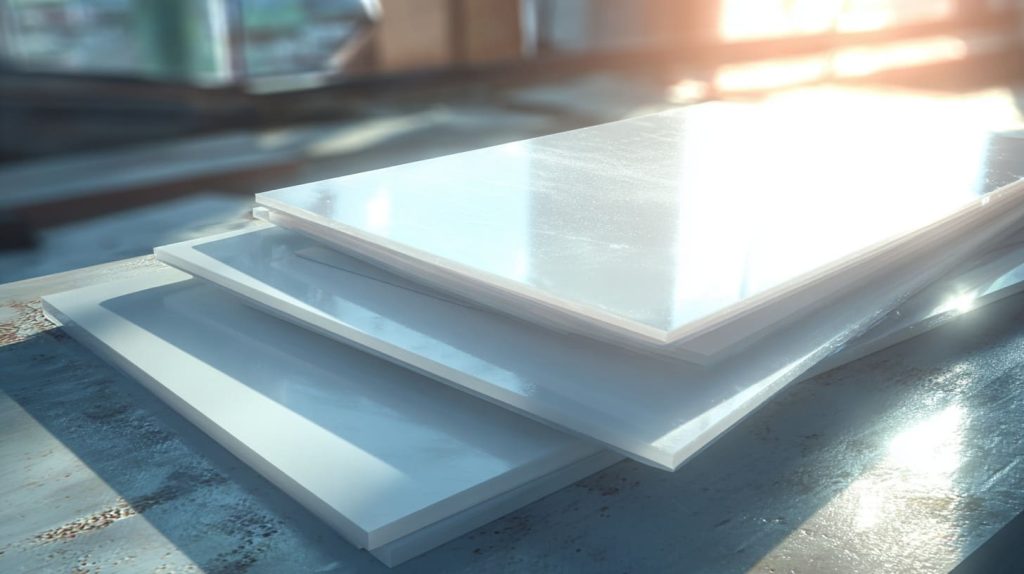
Cheap signs replaced twice are not cheap.
Can the same plastic be used for both indoor and outdoor signage?
Sometimes. Not always.
Some plastics like polycarbonate can work both indoors and outdoors. Others, like thin acrylic or foam PVC, should stay in controlled indoor spaces.
What thickness of plastic is recommended for outdoor signage?
Thickness protects more than strength.
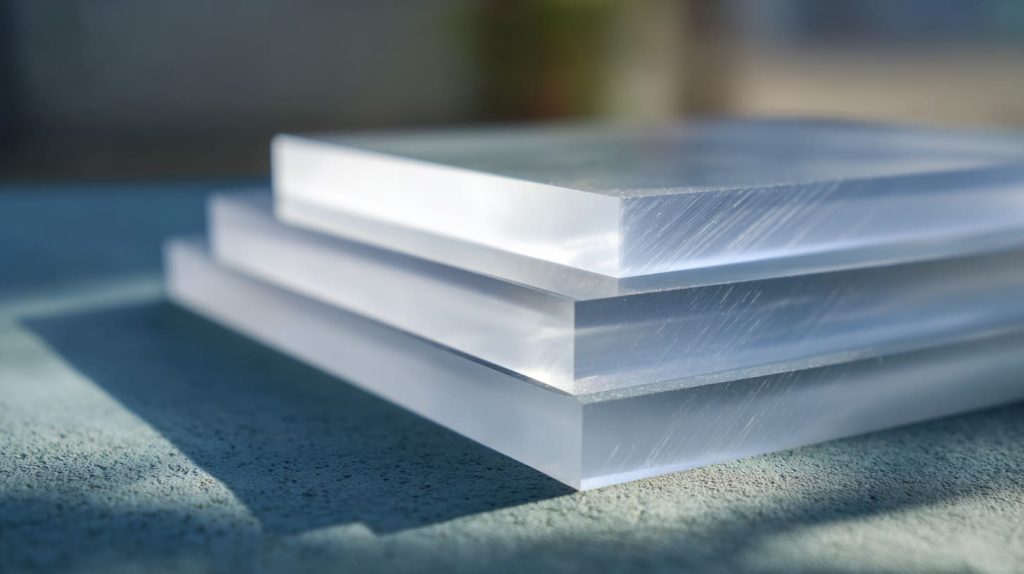
Outdoor signage usually needs thicker plastic to resist wind, heat, and mounting stress. Common ranges are 5–10 mm, depending on size and material.
| Sign size | Suggested thickness |
|---|---|
| Small | 5 mm |
| Medium | 8 mm |
| Large | 10 mm |
Conclusion
Choosing plastic for signage is about location, not guesswork. When material matches environment, signs last longer and look right. If you want help selecting or customizing signage plastics, feel free to reach out to Feilong Acrylic at flacrylic.com.