Skip to content
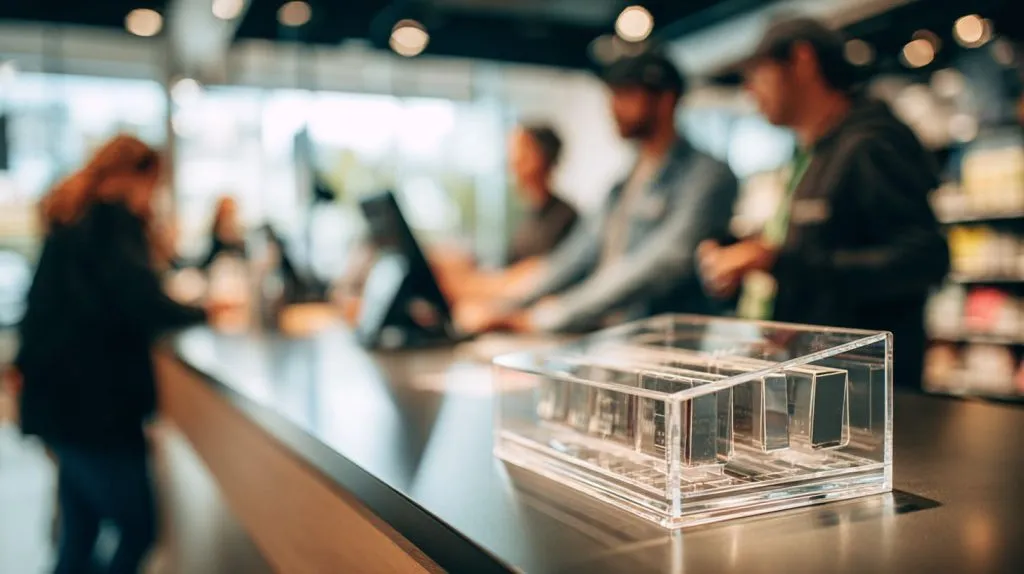
Customers were lining up at the checkout, and I couldn’t stop watching their eyes. Most skipped past the posters, ignored the shelf tags—but the tiny clear box sitting on the counter? That’s where their gaze landed.
Counter display packaging boxes are compact display units placed on countertops to showcase and sell small, high-margin, or impulse-buy products in retail settings.
I used to think packaging was just about protection. Turns out, the right box does more than protect—it sells.
What is a counter display?
Sometimes, the smallest displays make the biggest statements.
A counter display is a compact unit placed near a point-of-sale area to promote and present products for quick and easy access.
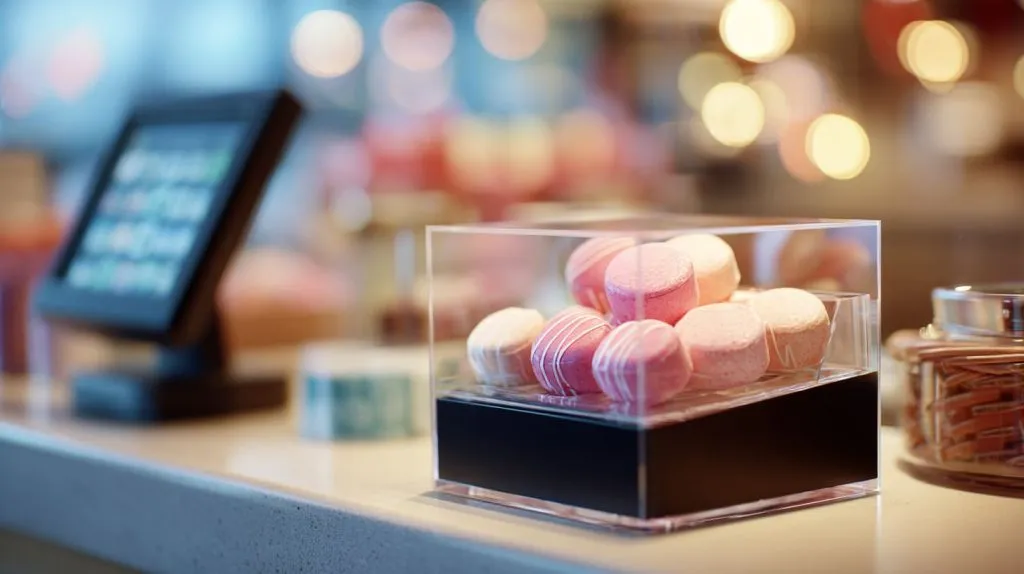
Compact, strategic, and persuasive
Counter displays aren’t just space-savers—they’re decision-makers. Usually made of acrylic, cardboard, or PVC, these boxes sit near the cash register and tempt buyers with last-minute choices like lip balm, mints, or promotional items. Retailers love them because they take up little space but create high visibility.
What is a counter box used for?
We’ve all grabbed a small item at checkout—almost without thinking.
Counter boxes are used to boost product visibility and drive impulse purchases in high-traffic retail areas.
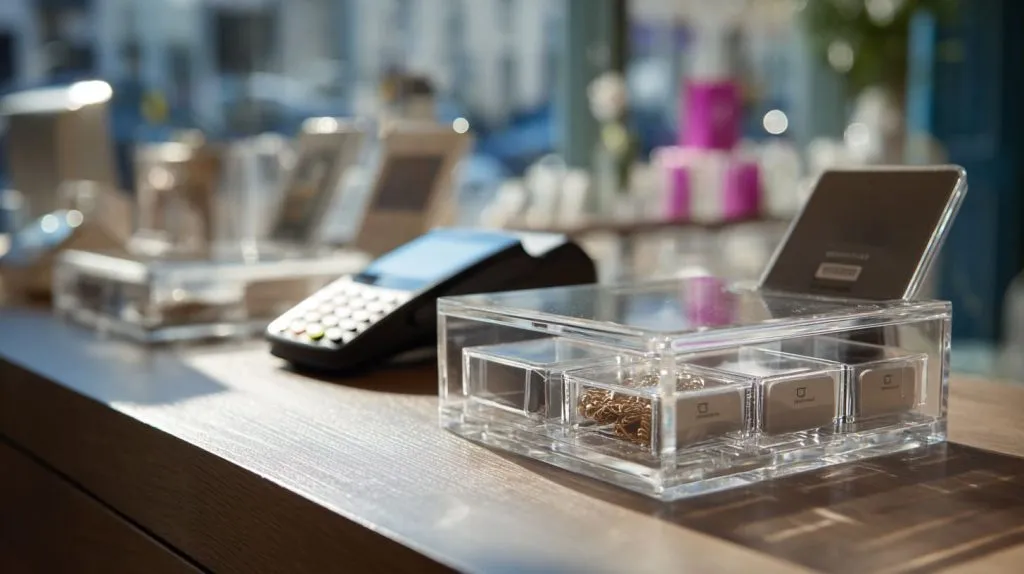
Checkout's secret weapon
I once watched a customer hesitate at the counter, then reach for a tiny product we’d packed in a clear acrylic display. That $3 decision? It was because of the box. These displays work for cosmetics, snacks, small tech gadgets, or samples. In B2B, they’re often used for promotional giveaways or product launches.
What are three types of packing?
Packaging isn’t one-size-fits-all. It speaks to different stages of the journey.
The three main types are primary (direct product contact), secondary (grouped packaging), and tertiary (shipping or bulk).
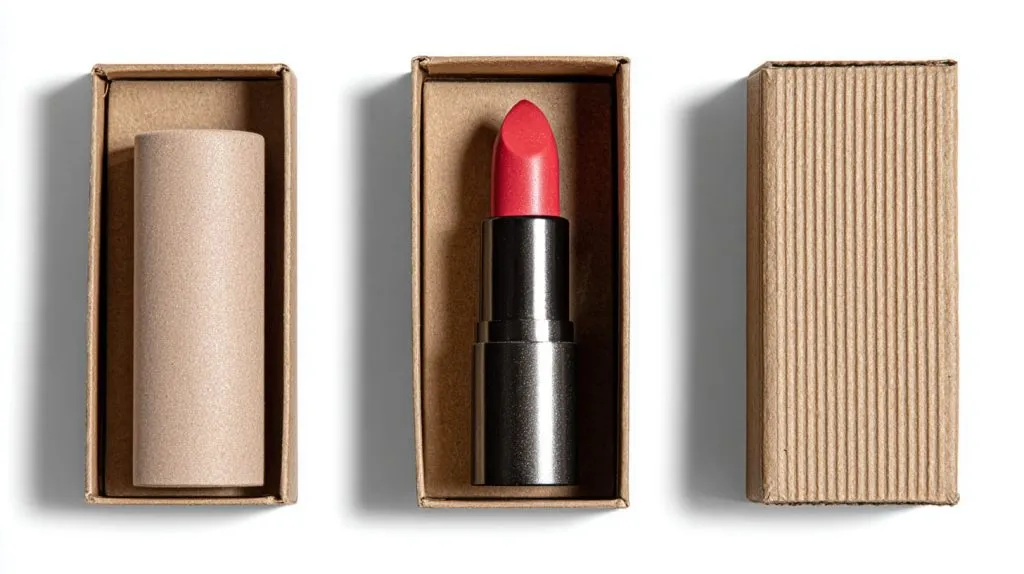
Quick breakdown:
| Type | Function | Example |
|---|---|---|
| Primary | Protects the product itself | Lipstick tube |
| Secondary | Groups for retail | Acrylic display box |
| Tertiary | Ships safely | Corrugated shipping carton |
Understanding this helps when designing displays. A counter display is typically a secondary package—but it has to look like it belongs on the main stage.
What are the different types of packaging systems?
Packaging systems evolve depending on product and purpose.
Types include blister packaging, clamshell, shrink wrap, flow wrap, and display boxes—each with unique benefits.
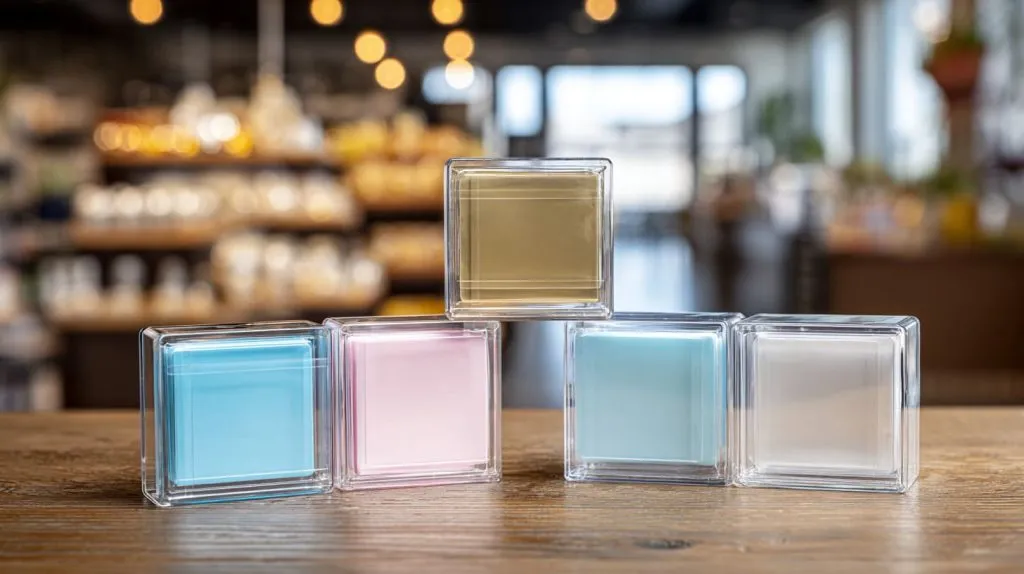
Function first, aesthetics second
Display packaging systems fall into a unique category—they combine function and form. Unlike sealed packs or wraps, display systems invite attention. Acrylic, with its clean lines and transparency, stands out here. Especially for small retail items where visual presentation is everything.
What is the difference between countertop display boxes and regular packaging?
It’s like comparing a stage spotlight to a storage closet.
Countertop displays are meant for showcasing and selling, while regular packaging focuses on storage and protection.
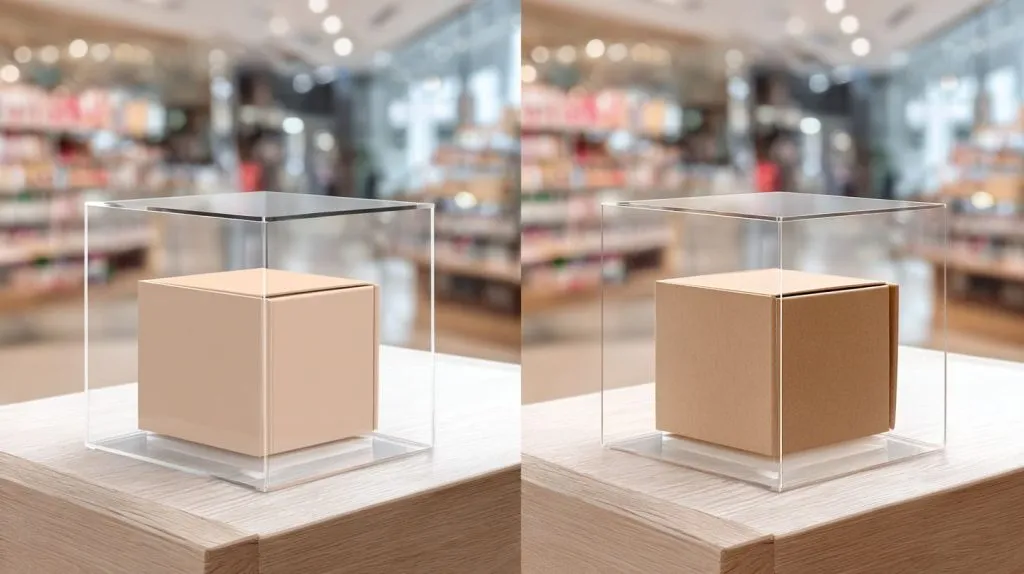
Form follows visibility
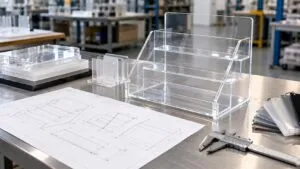
While traditional boxes protect during transit, counter displays highlight the product's value in-store. One is backstage; the other’s under the spotlight. In our factory, we often cut acrylic sheets to just the right angle so even small items look premium under shop lighting.
Why are acrylic countertop displays preferred in retail stores?
Retailers want something that looks good, lasts long, and feels premium.
Acrylic displays are sleek, durable, and provide high product visibility, making them ideal for retail counters.
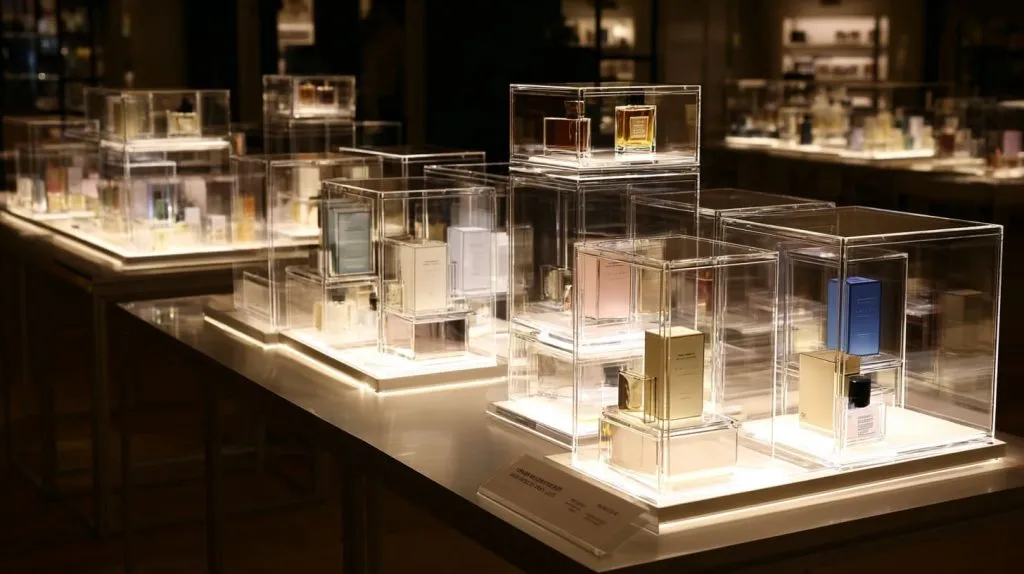
Beauty meets function
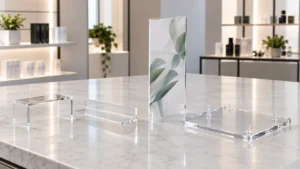
I once shipped a batch of acrylic counter displays for a fragrance launch. The customer later said, “Your displays made our testers look like luxury products.” That’s what acrylic does—it elevates. Compared to cardboard, it’s clearer, stronger, and feels more permanent.
How do custom display boxes influence buying behavior at the checkout?
It’s not just packaging—it’s psychology.
Custom displays attract attention, guide choices, and subtly encourage impulse purchases by appealing to emotion and design.
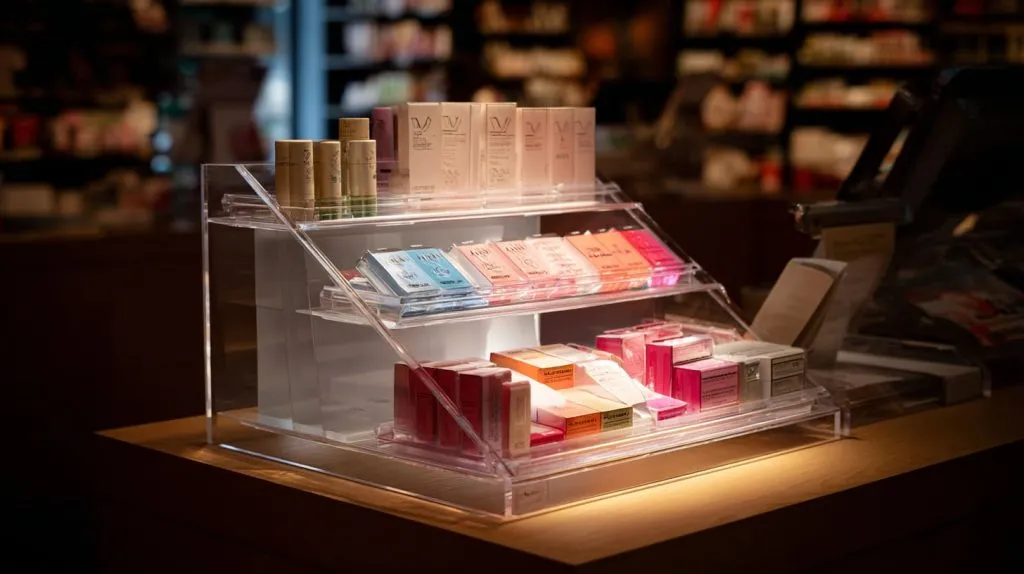
Design triggers decisions
People don’t always buy logically. Custom color schemes, product tiers, and clear branding—these elements trigger recognition and urgency. Our clients often request slanted fronts or tiered layouts to guide the eyes. It works.
What materials are commonly used for countertop display packaging boxes?
Material affects mood, message, and margin.
Common materials include acrylic, PVC, cardboard, PETG, wood, and sometimes metal for luxury items.
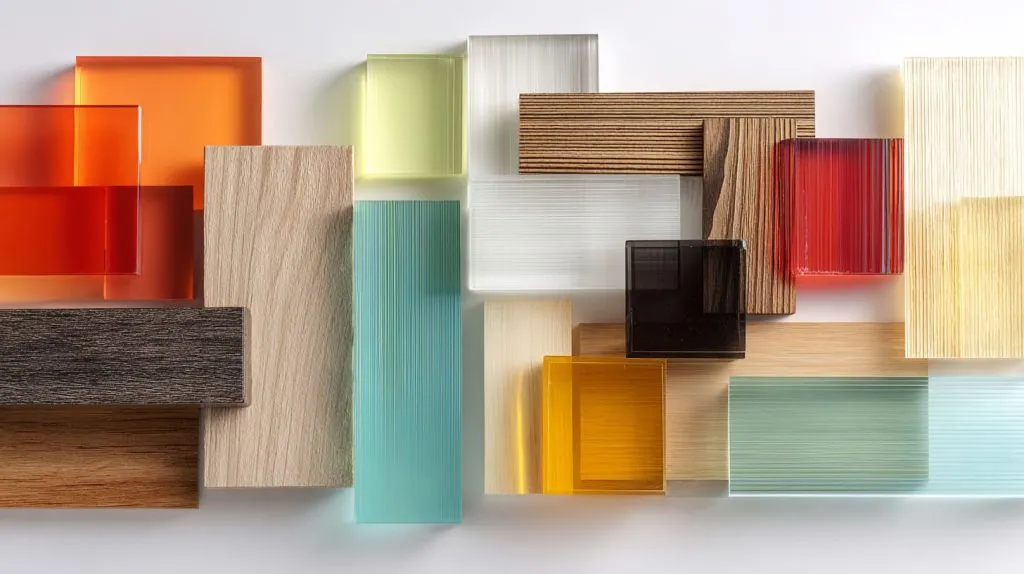
Material comparison table
| Material | Pros | Use Case |
|---|---|---|
| Acrylic | Clear, strong, premium look | Skincare, tech accessories |
| Cardboard | Cost-effective, lightweight | Snacks, cosmetics, samples |
| PETG | Eco-friendly, semi-clear | Health products |
| Wood | Rustic, solid | Artisan goods |
How can you design a countertop display that boosts impulse purchases?
The design needs to stop people in their tracks.
Use clear materials, bold typography, tiered layout, and smart positioning near high-traffic areas.
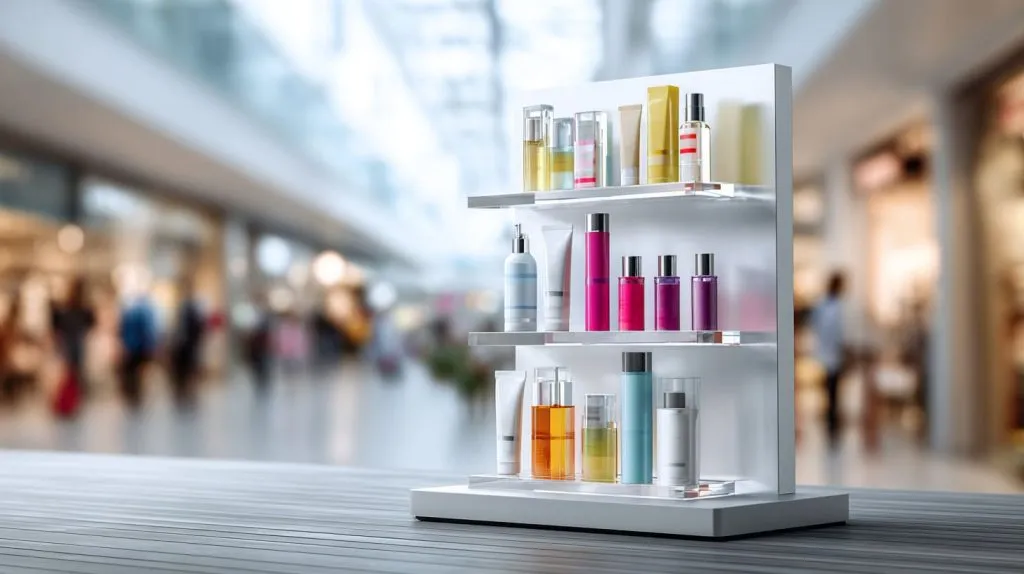
My display design checklist:
- Eye-level placement
- Tiered steps or angled trays
- Bright but simple branding
- Clean lines, no clutter
- Clear call-to-action (even subtle ones like “try me”)
We once laser-etched a client’s logo into a lip balm display. It wasn’t loud—but it stuck in people’s minds.
What size should a countertop display box be for small products?
Size matters—but proportion matters more.
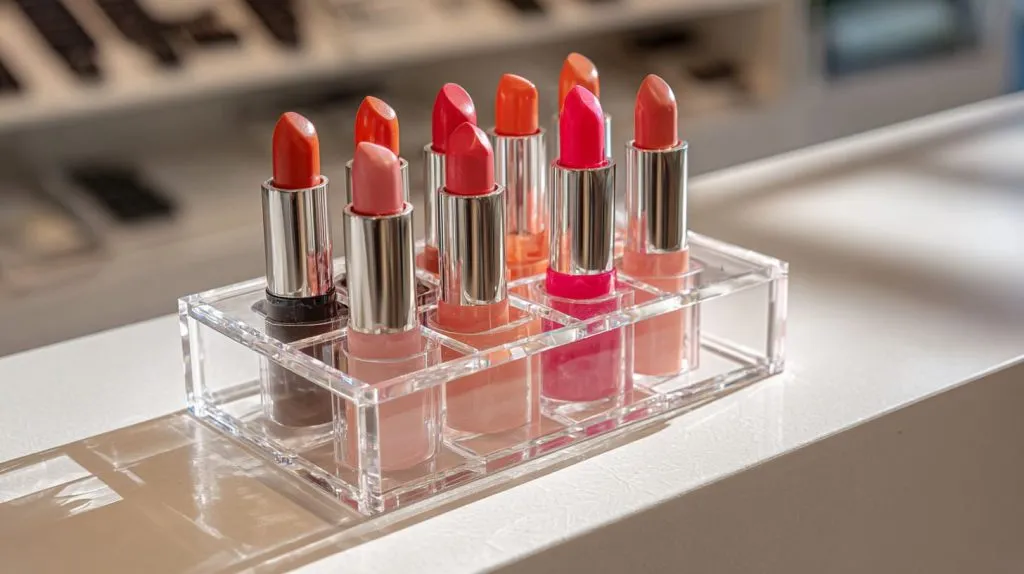
Ideal size ranges from 6" x 8" to 12" x 18", depending on product and space.
Think ergonomics
Small products like lipstick or USB drives need tight, organized slots. Too much space and they look lost; too little and they get messy. Acrylic lets us experiment—cutouts, dividers, even risers—to fit product dimensions exactly.
Are acrylic display boxes better than cardboard for high-end product presentation?
It’s night and day.
Yes—acrylic boxes provide a more premium, polished, and durable appearance compared to cardboard.

Perception = Value
We had a client switch from coated cardboard to acrylic for their essential oils. Their online sales photos instantly improved. Reviews even mentioned the display box. It wasn’t the oil—it was the perception of quality.
How do you choose the right display box for cosmetics or skincare products?
Cosmetics need clarity, elegance, and easy access.
Choose acrylic with UV-resistant coating, tiered layout, and branding space tailored to product shape and size.
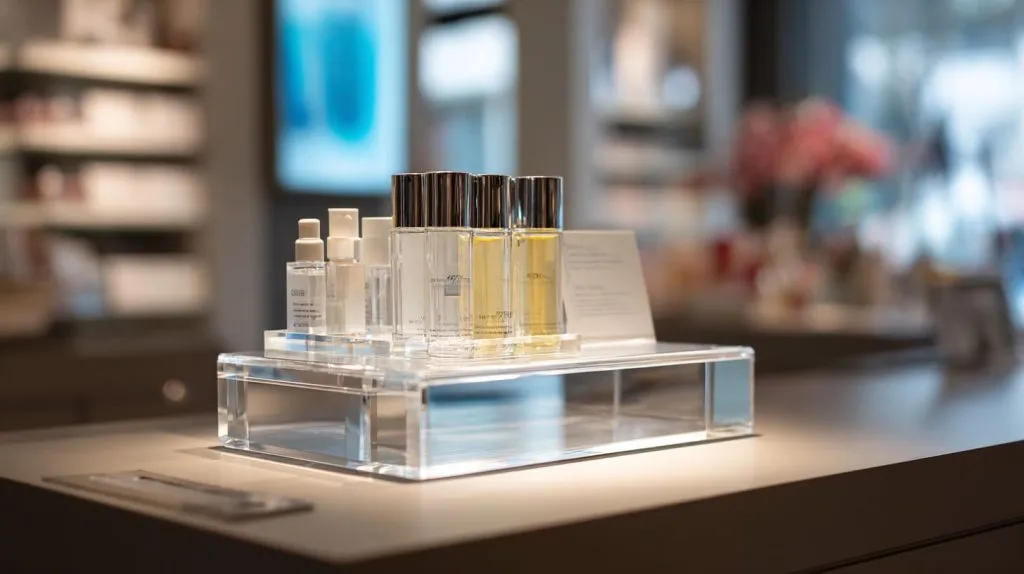
Quick cosmetic display tips:
- Use clear acrylic for visibility
- Add slots or risers for bottles
- Ensure easy refill or restock design
- Leave space for brand print or label
One of our bestsellers is a lipstick display with mirror backing—it doubled our client’s reorder rate.
Can custom-printed acrylic displays help with brand recognition?
Absolutely—branding is where functionality meets memory.
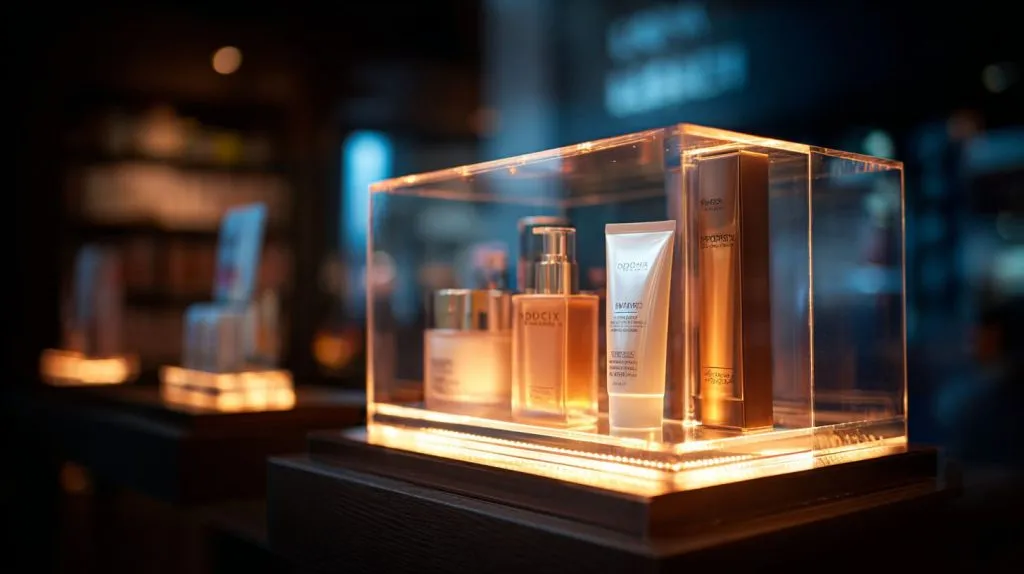
Custom-printed acrylic displays reinforce brand identity and help customers recognize your product instantly.
Make your name stick
From subtle engravings to full-color UV prints, acrylic takes branding well. I still remember the first UV-printed logo we did—it was for a Japanese skincare brand. It looked so good under warm store lights, people thought the display itself was part of the product.
Conclusion
Counter display packaging boxes don’t just hold your product—they tell your story, shape perception, and quietly sell while you’re not even there.