Skip to content
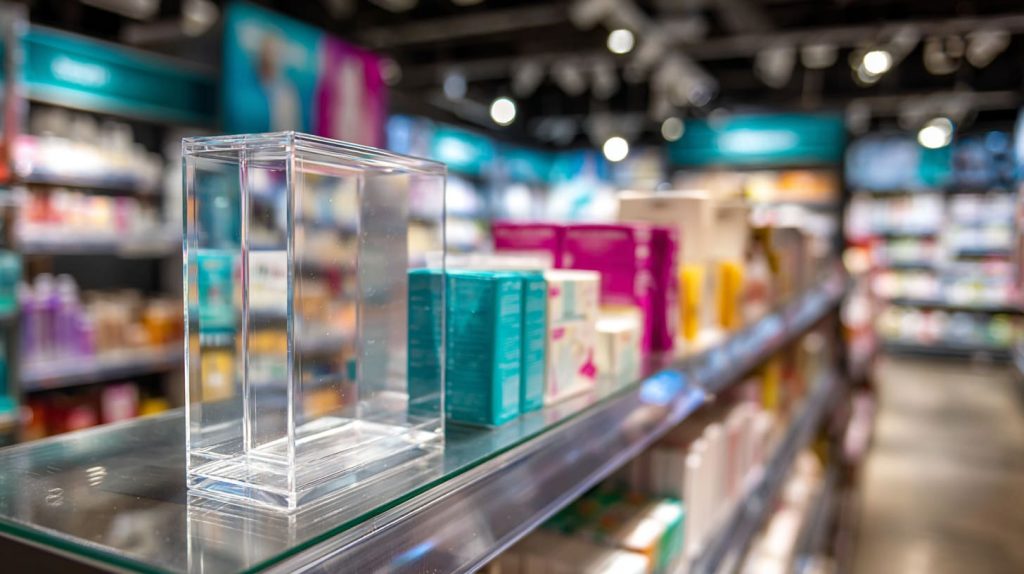
Some products get ignored. Others stop people in their tracks. Often, the only difference is the box they sit in.
Yes—display boxes can significantly boost product sales by attracting attention, building trust, and triggering emotional decisions.
I’ve watched dull items fly off shelves just because they were wrapped in a beautiful acrylic box. That’s when I realized—presentation isn't just the final step. It's the silent salesman.
What is the purpose of a special display box?
The best products in the world can still collect dust without the right stage.
Special display boxes are designed to highlight a product’s value, create interest, and influence buyer behavior.
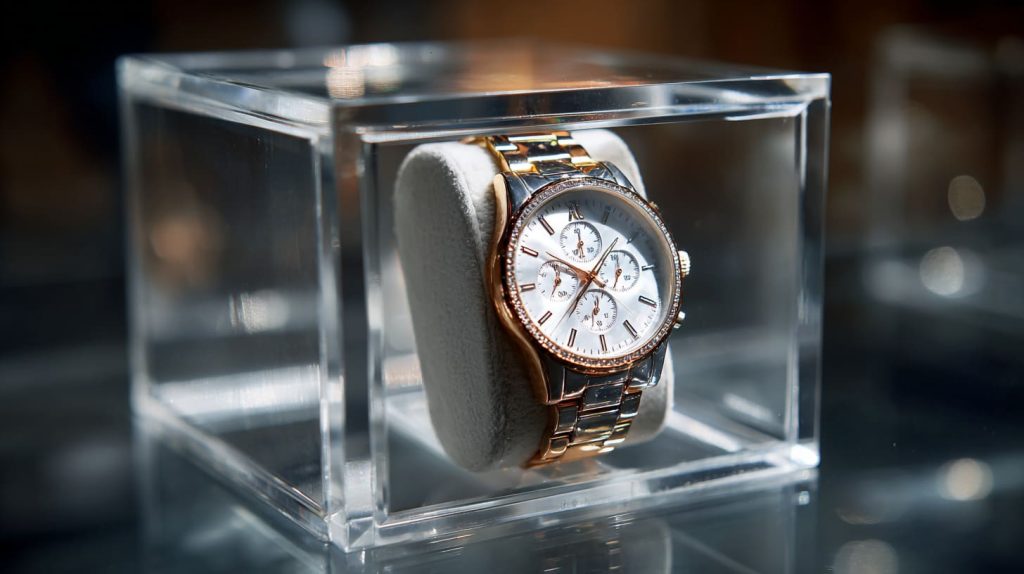
Visibility and Protection in One
Acrylic or high-quality plastic boxes protect the item while showing it off. Unlike closed packaging, display boxes don’t hide. They invite.
Framing the Product's Identity
Think of a premium watch inside a velvet-lined clear box. That isn't just storage—it's a promise. A special box helps define how the product should be perceived.
What is the purpose of retail displays?
You have three seconds—maybe less. That’s all a retail display gets to make a customer pause.
Retail displays aim to grab attention, guide the eye, and push impulse purchases at the point of sale.
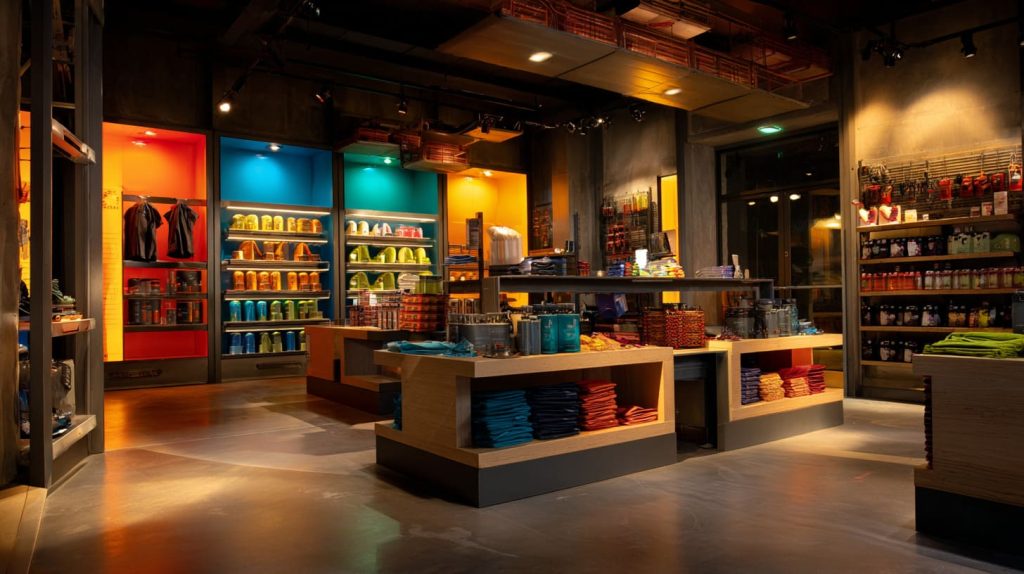
More Than Just Storage
Retail displays are silent communicators. Their layout, height, and material speak before a customer even touches the product.
Visual Logic
An organized and well-designed display builds trust. If the setup feels chaotic or cheap, the product inherits that energy.
What makes an effective display?
One word: clarity. But there’s more.
An effective display is clean, focused, easy to navigate, and visually aligned with the product’s personality.
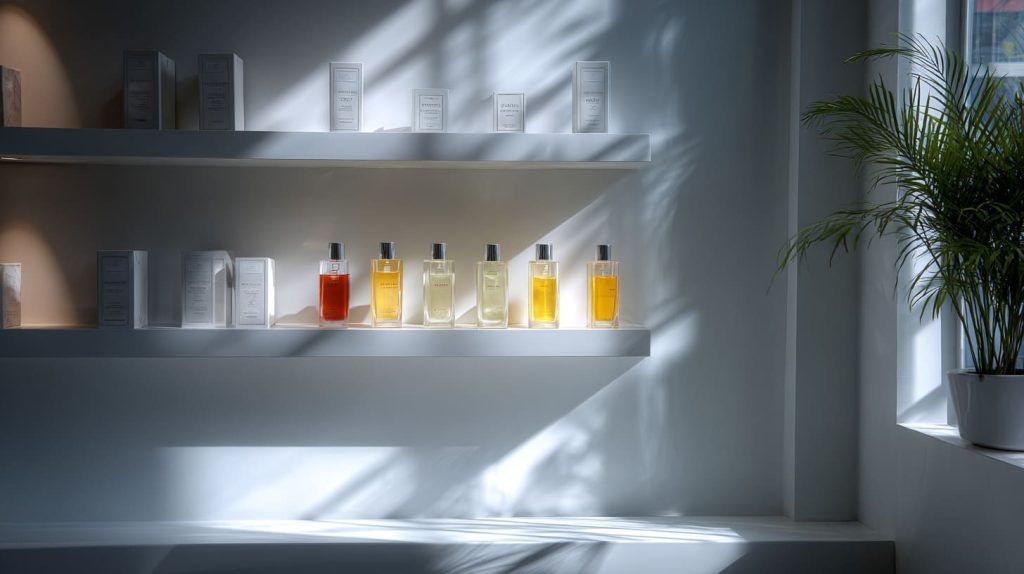
Table: Key Features of an Effective Display
| Element | Why It Matters |
|---|---|
| Simplicity | Avoids overwhelm, boosts clarity |
| Lighting | Adds drama and draws attention |
| Material Choice | Reflects brand value |
| Height/Positioning | Affects accessibility and eye-level pull |
| Product Grouping | Encourages upsell, complements storytelling |
What are the 4 types of merchandise?
Not all merchandise plays by the same rules.
The four types are convenience goods, shopping goods, specialty goods, and unsought goods.
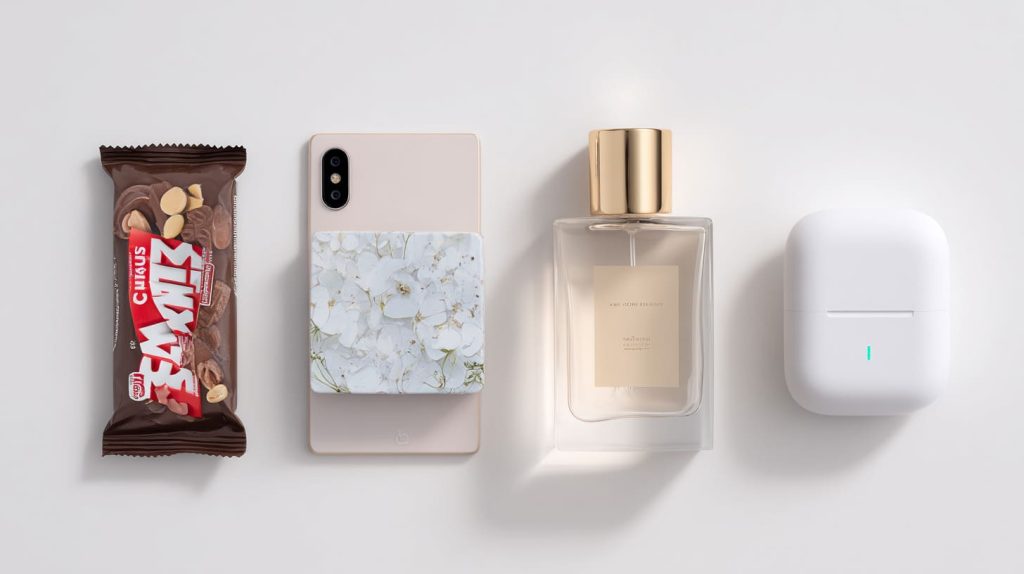
Why It Matters for Display Boxes
- Convenience goods need quick-grab packaging—think minimal but visible.
- Shopping goods benefit from comparison-friendly setups.
- Specialty goods thrive in premium, protected display boxes.
- Unsought goods must scream relevance—often using bold visuals.
What makes a display box effective in increasing product sales?
It’s not magic—it’s psychology.
A display box increases sales when it connects emotionally, makes the product feel premium, and reduces buyer hesitation.
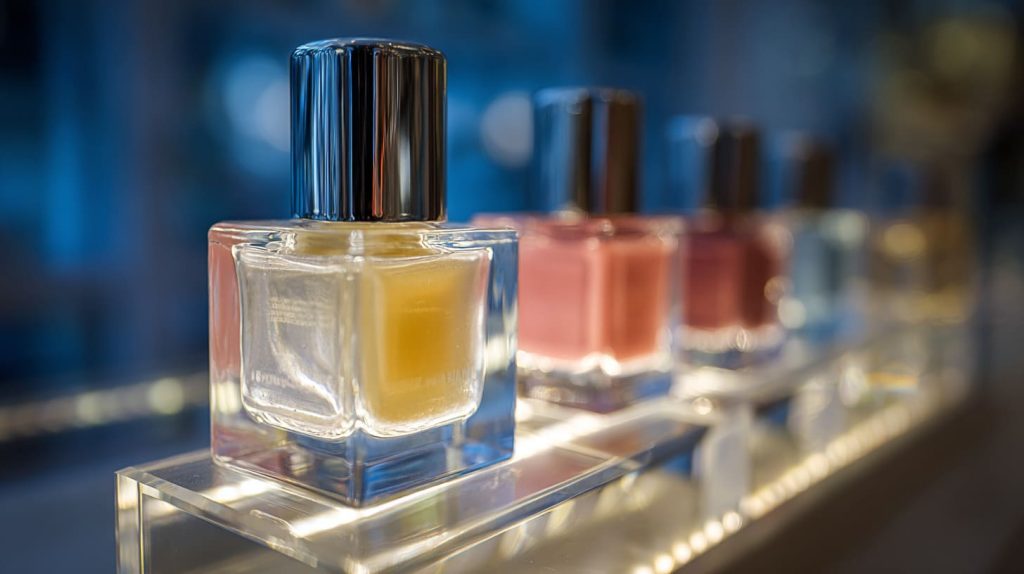
Real-World Example
We once boxed a simple nail polish set in a crystal-clear acrylic cube with a soft light. Sales doubled in a week. Same product, new story.
How do acrylic display boxes improve customer buying decisions?
I’ve seen this firsthand in multiple projects.
Acrylic boxes create transparency—literally and emotionally—building trust and reducing doubt.
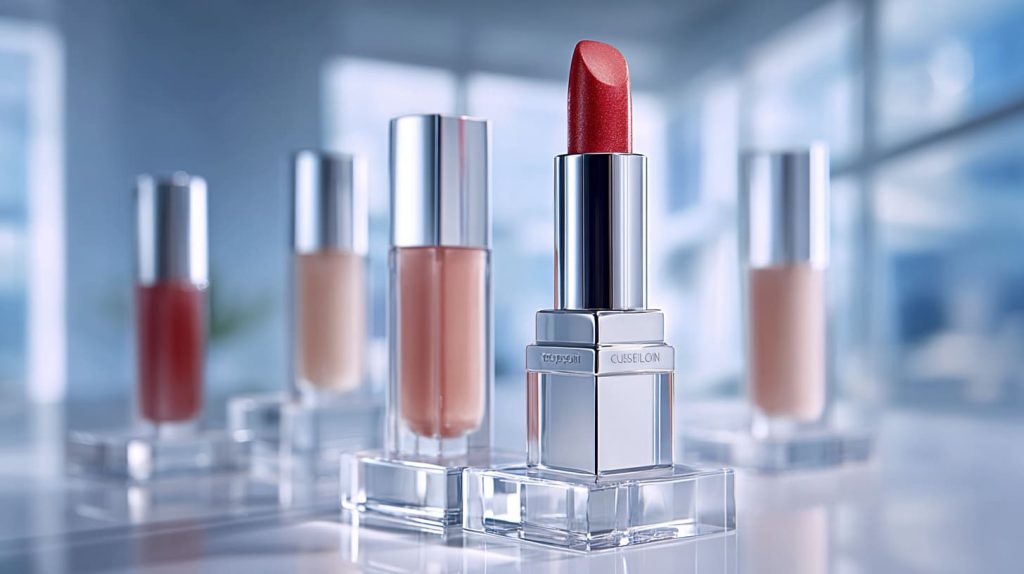
See It, Believe It
Buyers like to feel sure. Acrylic lets them see textures, colors, and even subtle branding before making a decision.
The Clean Aesthetic Advantage
Polished acrylic blends into high-end retail environments. It doesn’t fight for attention—it frames it.
Which types of products benefit most from display boxes?
Some items sell better when they’re seen, not just described.
Beauty products, electronics, jewelry, collectibles, and small accessories often gain more traction when housed in clear display boxes.
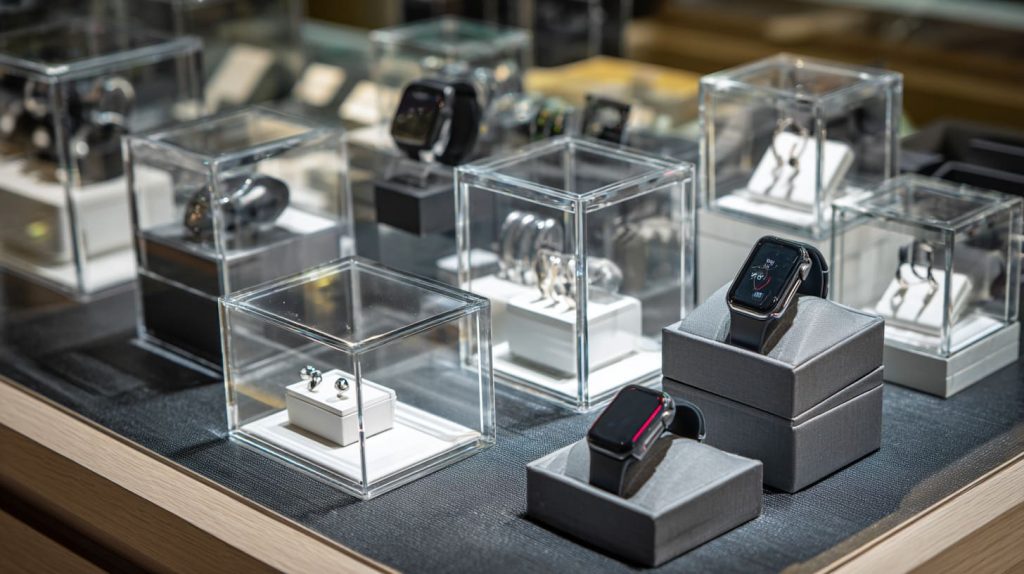
Category Breakdown
| Product Type | Benefit of Display Boxes |
|---|---|
| Cosmetics | Visibility of color/texture |
| Tech Accessories | Showcasing structure and branding |
| Jewelry | Enhancing value perception |
| Retail Gadgets | Driving impulse interest |
Are custom display boxes better than standard packaging for branding?
If branding is your weapon, custom is your sharpened blade.
Custom boxes let you control color, shape, texture, and message—making the product memorable and aligned with brand identity.

A Case from Our Factory
One client used frosted acrylic with gold-foil stamping. Their logo shimmered in store lights. Sales didn’t just grow—they exploded.
Does the material of the display box (acrylic, plastic, cardboard) affect sales?
Absolutely. Materials speak before words do.
Yes—the choice of material changes how customers judge value, quality, and price, often subconsciously.
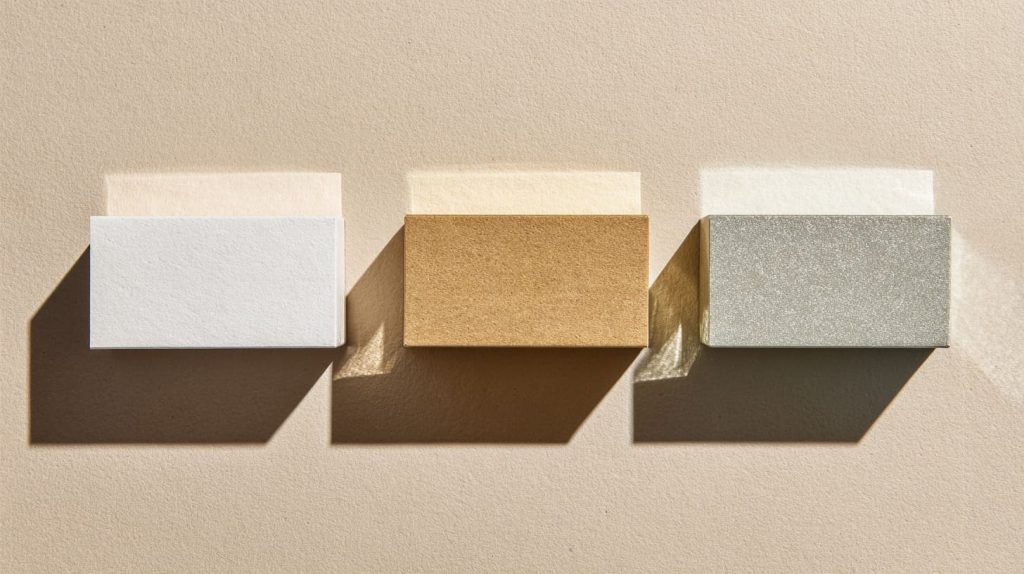
Quick Comparison
| Material | Perception | Common Use |
|---|---|---|
| Acrylic | Premium, sleek | Jewelry, tech, cosmetics |
| Cardboard | Basic, eco-friendly | Food, crafts, DIY |
| Plastic | Functional, cheap | Toys, everyday items |
How do display boxes influence customer perception and store aesthetics?
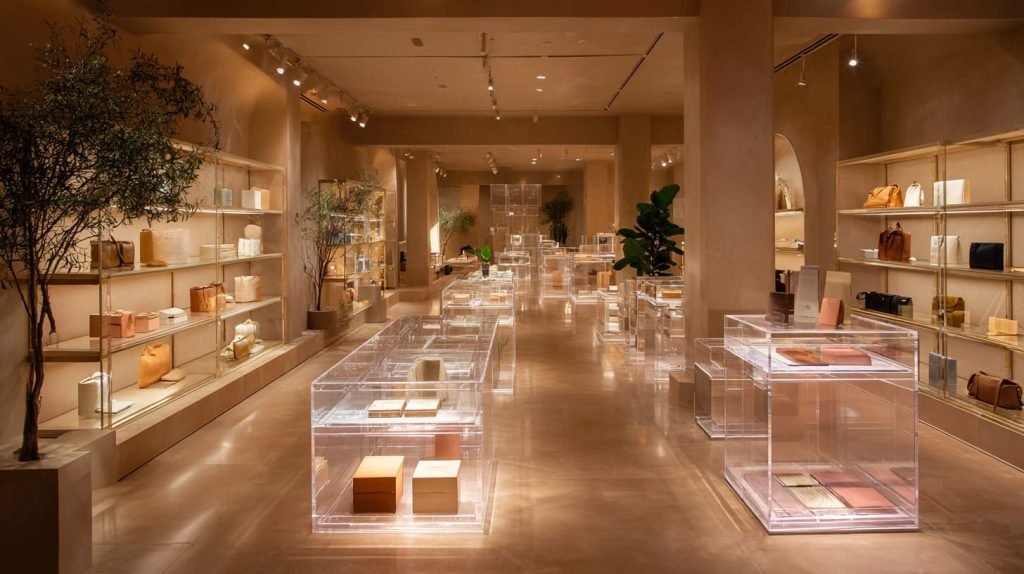
I've walked into stores that feel like galleries—thanks to display choices.
Display boxes shape the mood of the space, build brand identity, and set pricing expectations.
Harmony Is Key
When every box complements the store's color tone, lighting, and layout, the entire retail space becomes more inviting—and products more desirable.
What display box features matter most to retailers and product designers?
From my conversations with designers, three things always pop up.
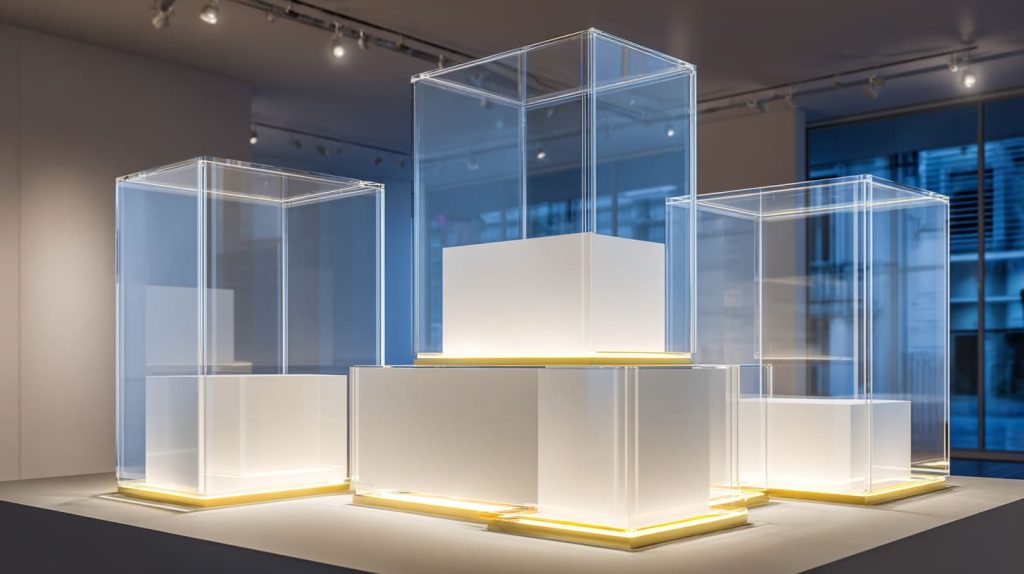
Visibility, durability, and branding flexibility are top priorities when choosing display boxes.
Key Features Checklist
- Easy assembly
- High transparency
- Brand customization (logo, shape, color)
- Stackable or modular designs
Do transparent display boxes create a stronger visual impact than solid boxes?
Yes—because they don't hide the story.
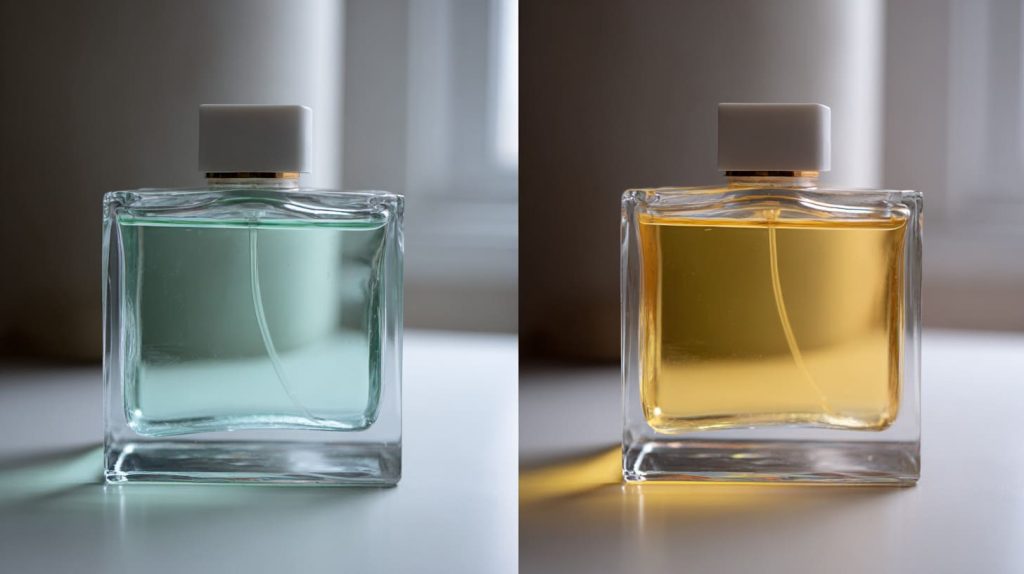
Transparent boxes invite curiosity, offer full product visibility, and feel more honest.
Solid vs. Clear: The Difference
Solid boxes ask for trust. Clear boxes earn it. When customers can see what they’re getting, hesitation drops.
How do display boxes compare to traditional packaging in terms of ROI?
This is where the numbers tell the truth.
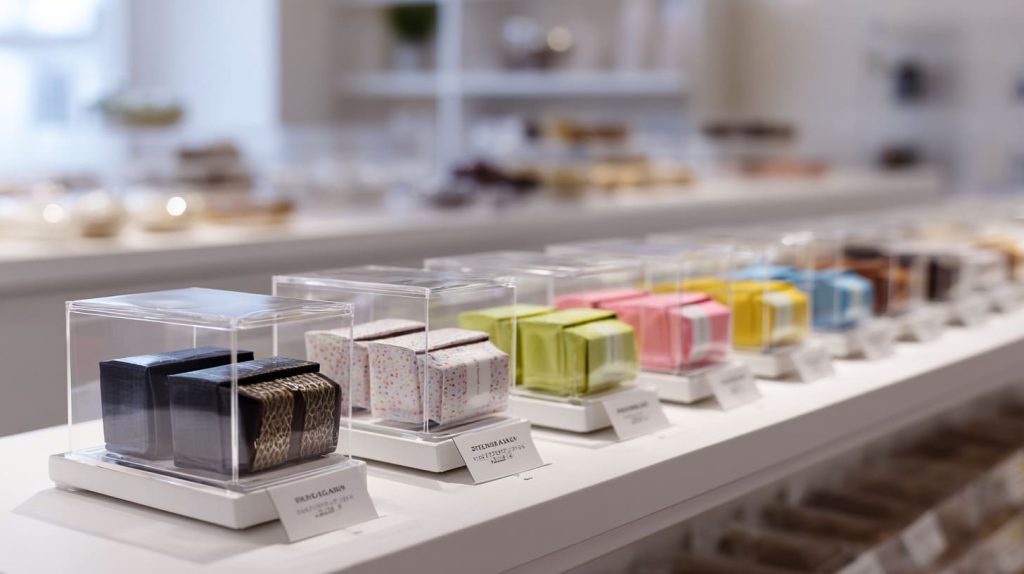
Display boxes often bring higher upfront costs but deliver better ROI through increased sales, brand lift, and fewer returns.
Why the Return on Investment Works
- Better visibility = more conversions
- Premium feel = higher pricing
- Clear info = fewer buyer regrets
Conclusion
Yes, display boxes can absolutely sell your product better—if they’re done right, with purpose and style.