Skip to content
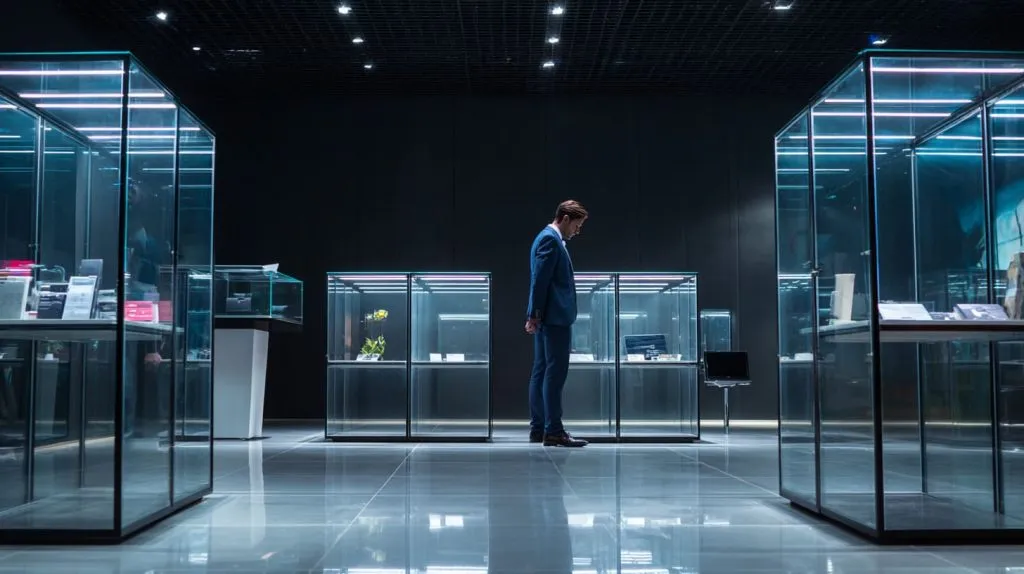
A client was comparing options for his new product showroom — one cabinet made of clear acrylic, the other a sleek tempered glass unit. He wasn’t new to sourcing and had decades of supplier experience, but when he saw the quote for the glass version, he blinked, leaned over, and asked me quietly, “Vincent, why is this one more than double the price?”
That kind of moment isn’t rare.
If you’re in product purchasing or design — like Jacky from Canada — this question isn’t just curiosity. It’s part of your job. You need to understand not only what things cost, but why. Why does one display cabinet eat up more of the budget than the others, even when they look nearly identical?
Tempered glass sounds simple. But the truth is: every step behind it is complicated, controlled, and costly. So let me walk you through what really makes these cabinets so expensive, and why the price actually makes sense when you see the whole picture.
Before we dive deeper, let’s first understand what tempered glass really is — and why people keep choosing it.
To understand the next part, let me take you to a factory floor where the temperature can reach 700°C.
What is tempered glass — and why is it different from ordinary glass
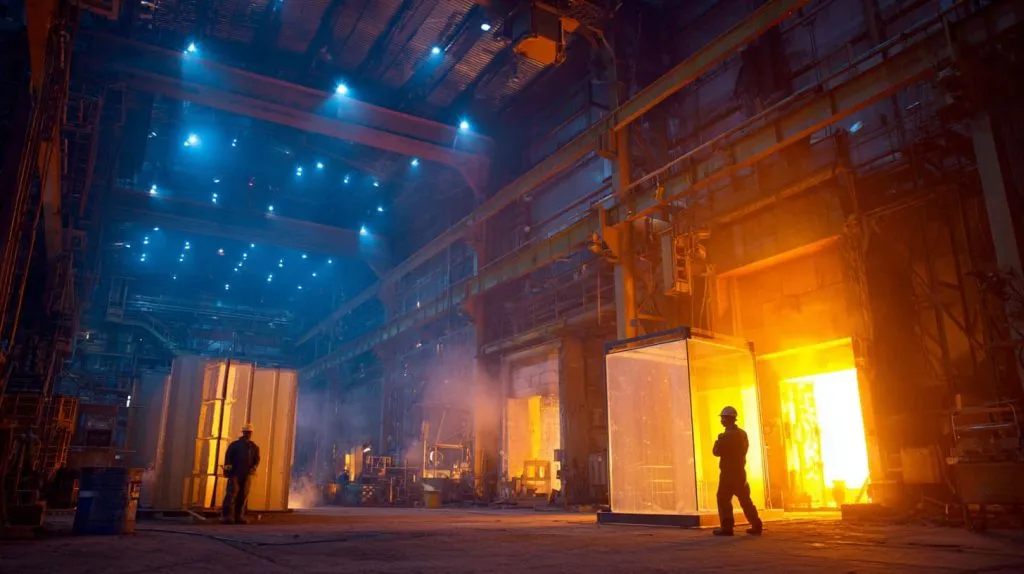
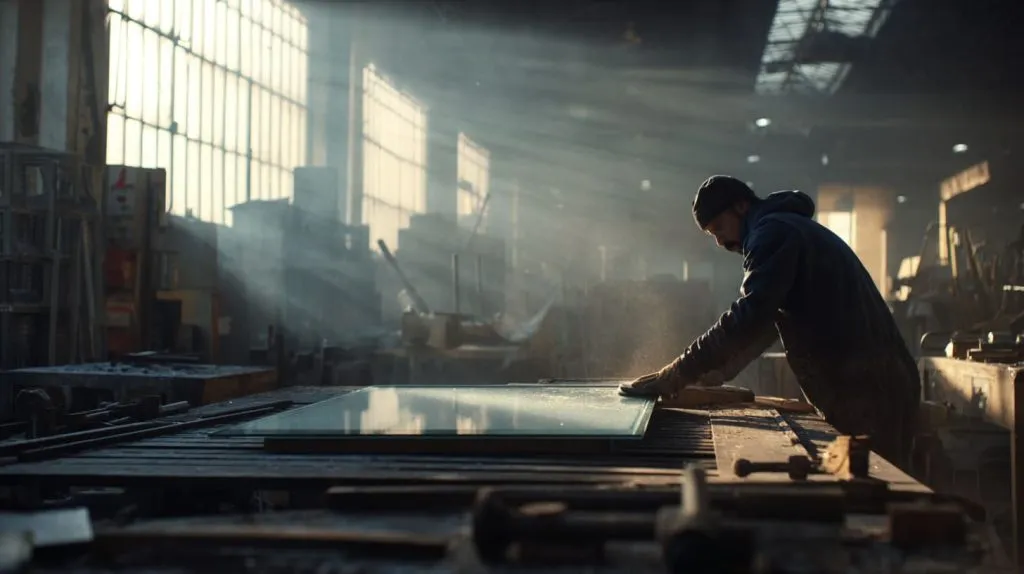
I once visited a glass tempering factory in Guangzhou. The heat felt like opening an oven with your face right beside the door. Workers moved large glass sheets with slow, careful movements, as if one wrong step could ruin hours of preparation. This moment helped me understand why tempered glass is not “just glass.”
What is tempered glass
Tempered glass is born from heat. It goes through a furnace, then cools down very fast. This process changes its inner structure. The outside becomes tight. The inside becomes tense. This makes it 4–5 times stronger than normal annealed glass.
Here is a simple way to see the difference:
| Glass Type | Strength | Break Pattern | Typical Use |
|---|---|---|---|
| Ordinary (annealed) | Weak | Sharp, dangerous shards | Picture frames, windows |
| Tempered | 4–5× stronger | Small blunt granules | Store displays, doors, cabinets |
When I tell buyers this, they usually nod. But when they see a tempered panel survive a hammer hit, their eyes open wide.
Why it's preferred for display cabinets
Tempered glass is preferred not because of luxury, but function. Let me break down the key reasons.
Safety
When tempered glass breaks, it becomes small granules. Not knives. Not blades. Small round pieces. For stores with kids, heavy foot traffic, or expensive goods, this matters.
Strength and durability
These cabinets hold weight. I’ve seen people place full ceramic collections, stones, even metal prototype models on glass shelves. Tempered glass doesn’t bend as easily and doesn’t crack as quickly under pressure.
Aesthetics
Display cabinets are about showing. Low‑iron tempered glass gives a clean, color‑natural look. The clarity feels like the object is floating. When a store wants customers to focus on the item — not the cabinet — tempered glass shines.
As we move forward, keep one thing in mind: strength + beauty + safety always means higher cost. And soon you’ll see how these parts add up.
Let me share the story of a project that taught me how expensive mistakes can be.
Key factors driving up the cost of tempered glass display cabinets

Years ago, a buyer ordered a batch of large tempered-glass cabinets with custom cutouts and lighting. Everything looked fine until we discovered one panel had been cut after tempering. The entire piece shattered like sugar candy. One wrong step. One wrong sequence. And hundreds of dollars disappeared in seconds.
That moment explains why the cost is high: zero room for errors.
Raw material and production costs
Tempered glass starts expensive because the raw material is not cheap. Thick glass sheets cost more. Larger sheets cost even more. And before tempering, workers must cut, polish, bevel, and drill with perfect accuracy. After tempering, you cannot modify it anymore.
Here is a simple breakdown of the steps:
| Step | Can be modified after tempering? | Cost Impact |
|---|---|---|
| Cutting | Yes | Medium |
| Polishing | Yes | Medium |
| Drilling holes | Yes | High |
| Tempering | No | Very high |
| Size adjustment | No | If wrong → total scrap |
This is why labor and QC play a huge role. The work must be precise. A small error means starting again.
Customization & design complexity
Many cabinets are not mass‑produced. They are custom. And custom means cost.
Examples of custom features that add cost:
- Special cutouts for lighting wires
- Beveled or polished edges
- Lock mechanisms
- Metal frames
- Hinges and sliding tracks
- LED strips with concealed channels
Each of these requires different tools, different techniques, and more time.
I often tell customers:
“When you add features, the cabinet stops being just glass. It becomes a piece of engineered furniture.”
Safety, durability, and performance standards
Public spaces require higher safety standards. Shops must pass inspections, insurance checks, and sometimes fire or impact tests. Tempered glass meets these requirements. Ordinary glass often does not.
So yes — you pay more. But you also avoid liability and safety problems.
Market demand, supply, and industry economics
When demand is high and supply is limited, prices rise. Tempering furnaces are expensive machines. Skilled workers are few. Even factories with good capacity cannot push production the same way as making regular acrylic panels.
This is why lead time and cost often fluctuate across regions.
Added logistical, shipping, and installation costs
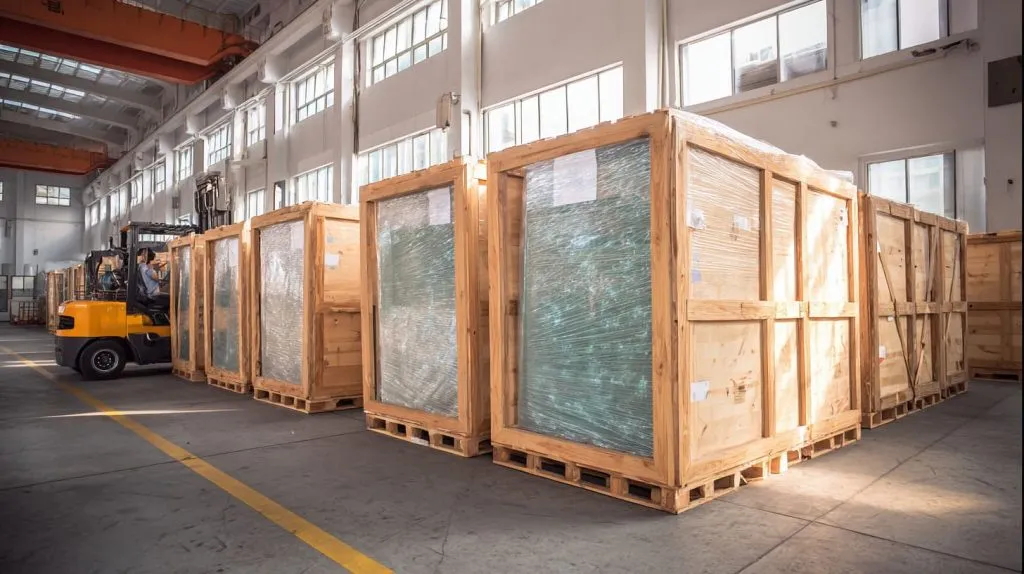
Tempered glass is strong, but it still breaks during transport if handled poorly.
So shipping includes:
- Thick wooden crates
- Foam spacing
- Shock‑resistant packaging
- Extra insurance
Installation also requires trained workers. These panels are heavy. Aligning them inside a metal or wood structure is slow and careful work.
If you ever watched workers install a large glass panel, you know it looks like a team choreographed dance.
Before we move on, let me take you to a retail store in Toronto where I learned how value perception changes everything.
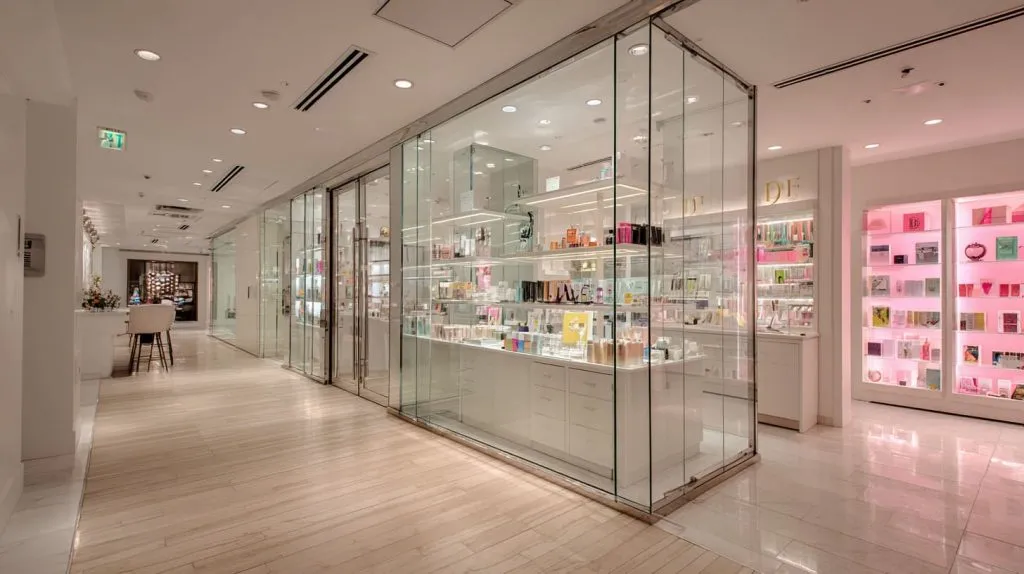
I once walked into a boutique jewelry store in Toronto. The display cabinets were spotless — clean lines, floating glass, soft lighting. A customer picked up a necklace priced at $2,800. In that moment I realized something:
The cabinet was part of the sales team.
People buy differently when the display feels premium.
Integration of multiple value‑adding features
Tempered glass cabinets often include many hidden details. For example:
| Feature | Why it adds cost |
|---|---|
| LED lighting | Custom wiring + heat management |
| Locks | Security + custom drilling |
| Hinges and sliding systems | Weight‑bearing hardware |
| Metal framing | Precision fitting |
| Climate or dust control | Specialized structure |
These are not optional for many stores. A jewelry store cannot use a cheap cabinet. A collectibles store needs dust-proof seals. A cosmetics store wants uniform lighting across shelves.
Packaging, shipping, and risk mitigation in B2B
Large glass panels traveling across borders need serious protection. Even with thick wood crates, things can still go wrong. Factories build the cost of risk into the quote.
Every bump on the road equals danger.
Value perception: safety, aesthetics, and brand positioning
A premium store cannot look cheap. Customers feel the difference immediately. The cabinet must match the brand’s quality.
When expensive products sit inside cheap furniture, buyers lose trust.
So, part of the price is the psychological value.
The cabinet is a silent promise.
You may wonder now — how do these costs translate into actual numbers?
Let’s break that down.
What “expensive” really represents — cost breakdown & price ranges
Whenever I quote tempered-glass cabinets, buyers usually ask me where the money goes. So I often show them a simple table like this:
Typical cost of tempered glass (per sq ft)
| Type | Price Range |
|---|---|
| Standard tempered | $18–$25 |
| Low‑iron (ultra‑clear) | $28–$35+ |
| Large sheets (4×8 ft) | $400–$550 per sheet |
Additional multipliers inside a full cabinet
| Cost Driver | Effect on Total |
|---|---|
| Custom sizing & cutouts | +20–40% |
| Premium finishes | Higher base unit price |
| Hardware & lighting | Significant fixed cost |
| Packaging & installation | Higher than most furniture |
When buyers see this breakdown, they understand why two cabinets that look similar can have very different prices.
Before we wrap up, let me share something important for buyers like Jacky.
Implications for buyers / purchasers (from someone like Jacky)
If you buy regularly from China or other regions, you already know this: details decide everything.
Here are key insights I always share with purchasing managers:
1. High upfront cost = lower long-term cost
Tempered glass lasts longer. It resists scratches better. It stays clear. Over years, it brings more value than cheaper materials.
2. Custom drawings save money
If your design is clear before production, you avoid rework, mistakes, and extra charges.
3. Bulk orders help
If you order in volume, factories can optimize production and reduce cost per unit.
Shipping, crating, insurance, and installation affect total spend more than people think.
5. Choose suppliers by workmanship, not by lowest price
The quality of polishing, the accuracy of drilling, the smoothness of edges — these details decide whether the cabinet feels like a premium product or a cheap one.
Before we finish, let me leave you with one simple story.
A buyer once told me:
“Vincent, I realized the cabinet is the first thing customers see. The product is the second.”
He was right.
Conclusion
Tempered-glass display cabinets cost more because every part of their journey — from raw glass to installation — requires precision, skill, safety measures, and premium materials. They are strong, clear, safe, and stable. They create trust in a store environment. And when you display high‑value items, trust is everything.
The next time you see a beautiful glass cabinet in a boutique or museum, remember that it carries more than objects. It carries craftsmanship, engineering, safety, and a silent promise of quality.
These cabinets are not expensive because of “glass.”
They are expensive because of everything the glass must be.