Skip to content
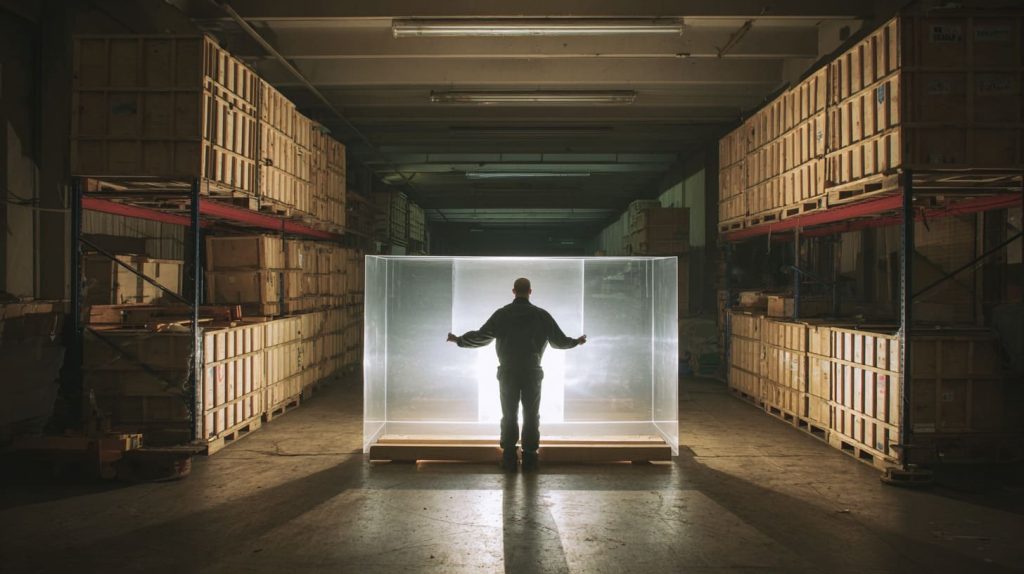
When I visited a new client’s shop floor last month, a worker was unloading a pile of glossy panels from a crate. He held one up to the light and asked, “Is this glass?” The client chuckled and said, “No—it’s acrylic. Looks like glass, but safer, lighter, and easier to work with.”
That moment said a lot. Because in the world of custom displays, signage, or retail fixtures, acrylic often gets mistaken for glass—until you actually work with it. And once you do, there’s no going back.
At Feilong Acrylic, we’ve used this material across hundreds of projects—from cosmetic organizers to shelving and furniture parts. Over the years, I’ve come to appreciate how acrylic quietly outperforms in areas many people don’t expect. In this article, I want to walk you through the real, experience-backed benefits of acrylic sheets—especially if you’re sourcing materials or developing custom designs for your brand or your clients.
Benefit Overview of Acrylic Sheets
What makes acrylic sheets stand out

- Acrylic often replaces glass.
- It combines many good properties: clarity, lightness, ease of shaping, and durability.
- Compared with glass or heavy plastics, acrylic gives a balanced mix of performance and convenience.
I used to doubt whether a plastic sheet could look as good as glass. But once I saw a clear acrylic display under store lights — bright, sharp, no greenish tint — I knew it could. This mix of looks and practicality is what makes acrylic stand out.
Advantages of Acrylic Sheets
Optical & Visual Properties
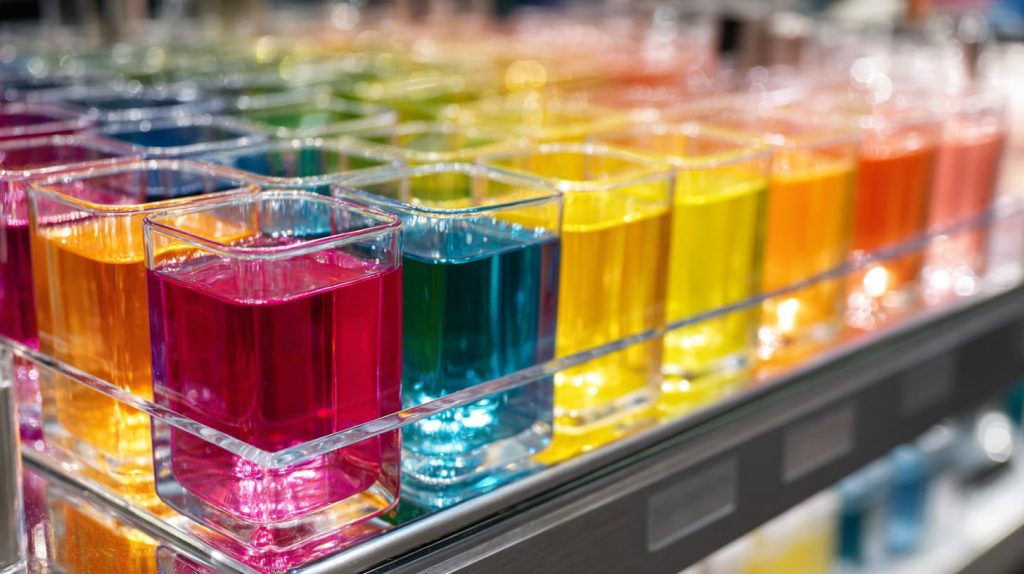
- Acrylic has excellent light transmission. That means when you look through it, things appear bright and clear.
- The clarity is “glass‑like.” But acrylic doesn’t carry the slight green tint that glass sometimes shows.
- Over time the clarity holds up. Acrylic resists yellowing or color changes under normal conditions.
For example, a cosmetic organizer made from high‑quality acrylic stays crystal clear on a store shelf for years. The colors inside — lotions, creams — remain true and vibrant.
This clarity gives a clean, professional look. That’s often what customers want for displays or home items.
Strength, Durability & Safety
- Acrylic handles impact better than glass. That means less chance of shattering.
- If dropped or hit, acrylic tends to crack or scratch instead of shatter into sharp shards. That reduces risk of injury.
- It stands up to daily wear fairly well. For items in frequent use — shelves, boxes, display stands — acrylic remains reliable.
A few years ago we shipped a batch of acrylic display cases overseas. One crate got banged during transport. The acrylic panels had scratches — but no breakage. If that had been glass, many units would be ruined. We avoided a big loss.
Lightweight & Ease of Handling
| Material | Density / Weight* |
|---|---|
| Glass (standard) | Heavier, fragile |
| Acrylic | Much lighter, more manageable |
* Rough comparison; exact weight depends on thickness.
- Acrylic is much lighter than glass. That makes handling, moving, and installing much easier.
- For big displays or furniture parts, this lightness means fewer people, less risk of dropping.
- You often don’t need strong support structures. That cuts costs and simplifies design.
I’ve pulled heavy glass pieces more times than I care to admit. Compared with that, acrylic sheets feel like carrying a sturdy cardboard board — but with solid strength behind it.
Workability & Fabrication Flexibility
- Acrylic cuts easily. With laser, CNC, or manual tools, you can shape it without too much effort.
- It responds well to thermoforming and heat-bending. Complex curves or custom shapes are possible.
- You get many finish options: clear, colored, frosted, mirrored, textured. That gives design freedom.
This flexibility makes acrylic ideal for custom orders. I’ve personally seen clients request unique shapes for store displays — curved shelves, angled boxes, multi-level stands. Acrylic handled all that without fuss.
Weather Resistance & Long-Term Stability
- Acrylic resists UV, moisture, and many environmental factors better than some plastics.
- It is less likely to discolor or degrade outdoors (with proper grade).
- That makes it suitable for both indoor and outdoor use — whether a furniture part at home or a signage panel outside.
This is why some retail stores use acrylic for outside signs or display windows. The material stays good for years under sun and rain.
Cost‑Effectiveness (Material + Lifecycle Costs)
- Acrylic often costs less than comparable glass, especially when accounting for shipping and handling.
- Because it’s lighter, shipping cost drops. For bulk orders or export, that matters a lot.
- Over time, acrylic’s durability means fewer replacements. That saves money on maintenance or reorders.
For a manufacturing business like ours, these savings add up. Less scrap, easier handling, lower shipping — all translate to better margins and faster deliveries.
Versatility & Wide Range of Applications
Acrylic fits many roles:
- Store displays and signage
- Cosmetic organizers and retail fixtures
- Furniture components and household organizers
- Shelving, boxes, racks, custom furniture parts
Because acrylic is easy to shape, we can tailor it to almost any design request — large or small, simple or complex.
Environmental & Sustainability Considerations
- Acrylic’s lighter weight reduces transportation fuel usage (compared to heavy glass).
- Less breakage means less waste in packing and transport.
- In some cases, acrylic can be recycled — though proper recycling channels are needed.
Using acrylic wisely can help reduce overall environmental impact compared with heavier or fragile materials.
As we move to a more eco‑aware world, this lightweight yet long‑lasting material feels like a practical choice.
Considerations & Trade‑offs (When Acrylic Might Not Be Ideal)
Surface Sensitivity

- Acrylic scratches more easily than glass. If you aren’t careful, it shows marks.
- Cleaning needs care. Harsh scrubs or abrasive cloths can damage it.
If you plan to use acrylic for a floor‑level shelf or a heavy‑traffic surface, you might need protective coatings or more durable materials.
Heat & High-Temperature Limitations
- Acrylic’s heat resistance is lower compared with some plastics or glass.
- Under prolonged high temperature, acrylic can warp or deform.
This makes it less ideal for applications with strong heat exposure — such as parts near heaters, ovens, or high‑heat lights.
Comparative Limitations vs. Other Plastics (e.g. Polycarbonate)
- While acrylic is strong, it is not as impact‑resistant as some engineering plastics like polycarbonate.
- For heavy‑duty structural applications or where high impact resistance is critical, acrylic may fall short.
So, if you need maximum toughness or load‑bearing capacity, you might consider alternatives.
Practical Implications for Custom Acrylic Manufacturers & Buyers
Benefits for OEM / Custom Manufacturers
- Acrylic sheets are easy to cut, shape, and assemble. That reduces labor time and cost.
- Because they are lightweight, shipping and handling become easier — especially for bulk or export orders.
- Flexibility in shape and finish lets us meet bespoke client designs without long lead times.
In my factory, this means we deliver high-quality, custom solutions with fast lead times. Exactly what we promised when we started Feilong Acrylic.
Benefits for Buyers / Designers / End Users
- They get products that look sharp and professional. Acrylic’s clarity elevates perception.
- The products are safer, lighter, and easier to move or install. Less hassle.
- They can request tailored designs — sizes, shapes, finishes. No need to compromise.
For designers like you, Jacky, acrylic gives a canvas to realize ideas without overpaying or over‑compromising.
Long-Term Value & ROI (Cost vs. Lifecycle)
| Factor | Acrylic Benefit |
|---|---|
| Maintenance & Replacement | Less replacement, fewer returns |
| Transport / Shipping | Lower cost thanks to light weight |
| Design Flexibility | Reusable for different projects |
| Customer Satisfaction | Quality look and durability add value |
Over time, acrylic proves its worth — not just once, but many times. For buyers, that means better ROI and lower long‑term cost.
Conclusion

Acrylic sheets bring together many good qualities. They offer clear, glass‑like transparency. They are light and easy to handle. They resist impact better than glass, yet remain visually appealing. Acrylic is versatile — fitting displays, organizers, furniture parts, signage. For custom work, they are a dream: easy to shape, quick to produce, and cost‑effective to ship.
Of course, acrylic is not perfect. It scratches easier than glass. It can deform under heat. It is not ideal for extreme structural demands. But for most everyday uses — retail displays, household organizers, furniture parts — acrylic hits the sweet spot.
If you seek a material that balances beauty, practicality, and affordability — acrylic sheets are one of the best choices. And from where I stand, working every day with this material, I see why they make sense for many projects.