Skip to content
Acrylic fabrication looks simple—until it isn’t. Over the years, I’ve seen so many smart buyers, even those with years of experience, trip over the same hidden traps. It’s not about carelessness; it’s about assumptions. We think, “It’s just acrylic, how complicated can it be?” But when the shipment arrives scratched, misaligned, or not quite transparent enough, that’s when reality bites.
I’ve been on both sides of the table—as a factory manager at Feilong Acrylic and as a partner working closely with foreign buyers like Jacky, a Canadian product designer who knows China factories inside out. And trust me, most problems I see don’t start on the production line—they start at the negotiation table.
In this article, I’ll break down the most common mistakes B2B buyers make when ordering custom acrylic fabrication and show you how to avoid them. Whether you’re managing your first custom project or your fiftieth, these insights will save you from frustration, delays, and costly surprises.
1. Mistake: Insufficient Material Specification

Not understanding acrylic vs other plastics
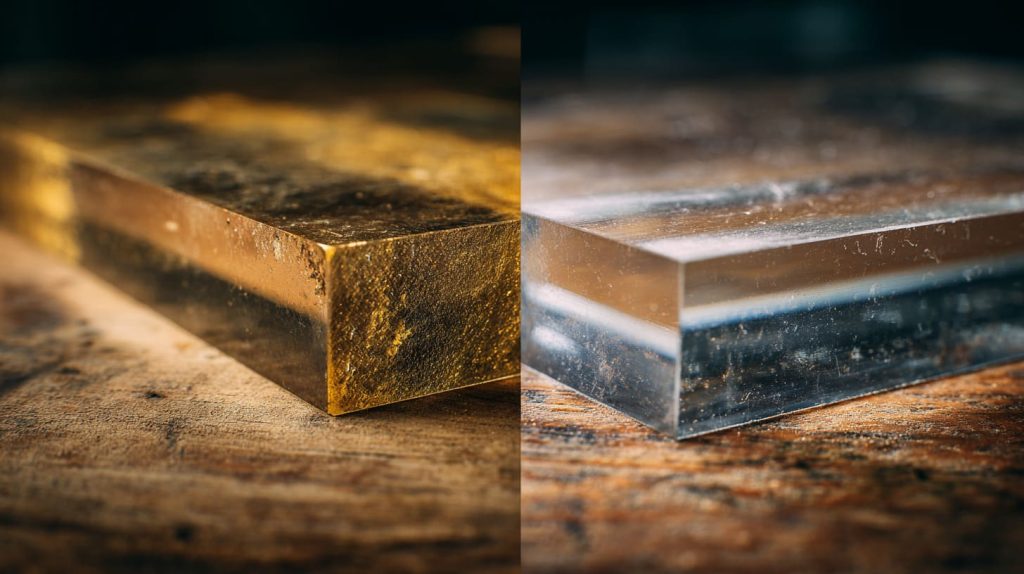
Acrylic isn’t the same as polycarbonate, PVC, or PET. I’ve seen buyers use the word “plastic” as if it’s one single material, but each type has its quirks. Acrylic, for instance, gives unmatched clarity—up to 92% light transmission, like glass—but it’s more brittle than polycarbonate. That means it scratches easier, even though it looks better.
When you’re making display cases, photo blocks, or furniture parts, this difference can mean everything. Polycarbonate bends, acrylic cracks. Acrylic shines, polycarbonate dulls. Both have their place—what matters is knowing which one fits your use case.
| Material | Clarity | Impact Resistance | UV Resistance | Cost |
|---|---|---|---|---|
| Acrylic (PMMA) | Excellent | Moderate | High | Medium |
| Polycarbonate | Good | Very High | Moderate | High |
| PVC | Fair | Moderate | Low | Low |
Skipping datasheet review or failing to ask for specific grade
I remember a client who ordered 3,000 pieces of display stands—beautiful design, wrong material grade. The supplier used recycled acrylic to save cost. The result? Yellow tint and brittle edges. It wasn’t fraud, just miscommunication.
Always ask for the datasheet and specify:
- Material grade (virgin or recycled)
- Certification (GSG, RoHS, ISO)
- Transparency percentage
- Surface hardness or UV stability
Assuming one acrylic sheet is all the same
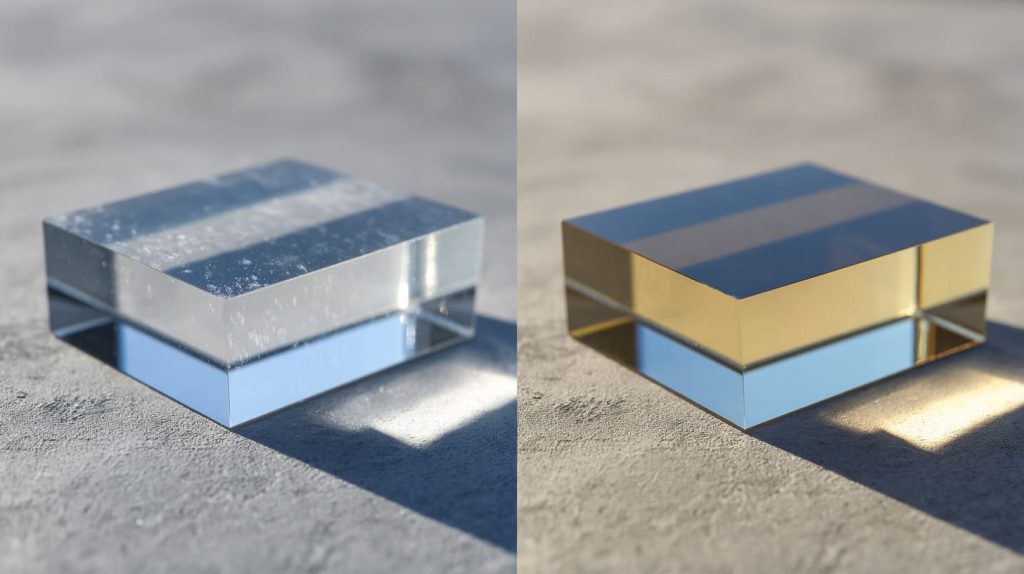
Even the color “clear” can mean five different tones depending on the batch and manufacturer. One sheet might look crystal clear under store lighting, another slightly blueish under sunlight.
Never assume uniformity. Always request samples or reference photos. Consistency saves you from explaining to your client why half your batch “looks different under the lamp.”
How to avoid
Create a specification checklist before you even start sourcing:
- Thickness and tolerance
- Transparency %
- Scratch hardness
- UV resistance
- Type (cast or extruded)
This one step saves more projects than you can imagine.
When you finally have the right material nailed down, the next pitfall sneaks in—not in the sheet, but in the design.
2. Mistake: Vague or Incomplete Design/Engineering Input
Treating the order like a generic “box”
Sometimes a buyer sends me a message that says, “I need a 200x100x80mm box.” That’s it. No file, no drawing, not even a sketch. Acrylic fabrication isn’t one-size-fits-all—it’s engineering. You have to decide how it’s cut, glued, bent, and finished.
If you don’t specify the fabrication method—laser cut, CNC, or thermoformed—the supplier will choose whatever fits their machine schedule, not necessarily your design needs.
Ignoring design‑for‑manufacturability
I once worked with a designer who made stunning 3D renderings of a display stand—but every corner was a 90° inside edge. Laser cutting can’t do that without cracking. We had to redesign it, delaying the project by two weeks.
Every sharp edge, every curve, has a production implication. Always check with your supplier’s engineer before finalizing your CAD.
Not aligning with supplier capabilities
Not all factories can handle tight tolerances or precision polishing. Some excel in large furniture parts, others in small cosmetic organizers. If your design needs 0.1 mm precision, make sure your supplier’s CNC accuracy and cutting tolerance match it.
| Process | Typical Tolerance | Recommended Use |
|---|---|---|
| Laser Cutting | ±0.3 mm | Display panels, signage |
| CNC Machining | ±0.1 mm | Precision parts |
| Bending/Forming | ±0.5 mm | Furniture, stands |
How to avoid
Send full CAD drawings, not PDFs. Include:
- Dimensions and tolerances
- Assembly method
- Surface finish (gloss, matte, frosted)
Ask for a DFM (Design for Manufacturability) review. It’s a 10‑minute conversation that prevents a 10‑day delay.
Good drawings solve half your problems. But what about when the lowest price quote starts whispering to you? That’s where many projects fall apart.
3. Mistake: Focusing Too Much on Price and Too Little on Quality/Capability
Choosing the lowest quote blindly
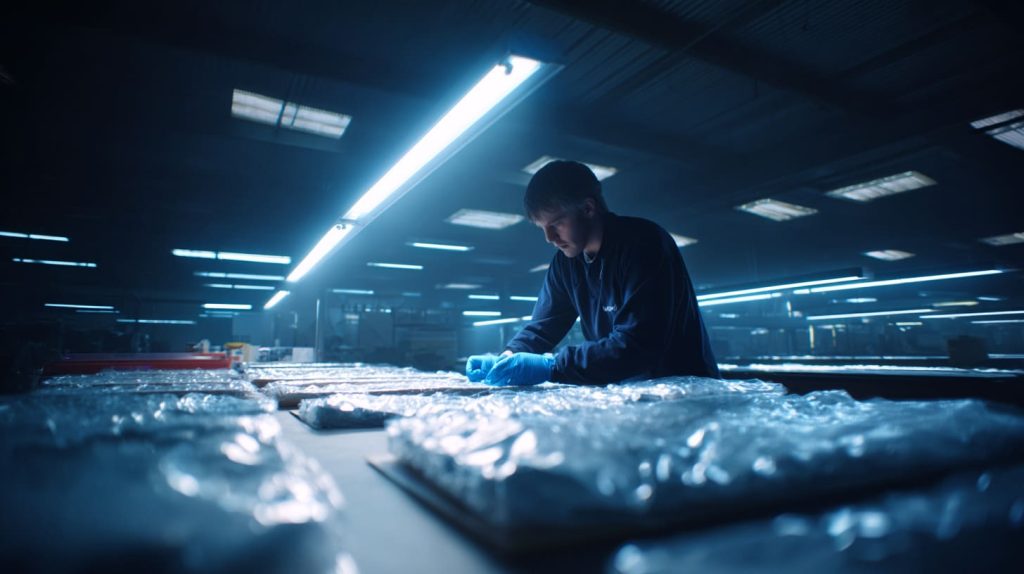
A buyer once told me, “You’re 20% higher than the other factory.” I smiled and said, “Then ask them to polish your edges for that price.” He didn’t. A month later, he sent me photos of cloudy, unpolished edges.
Cheap doesn’t mean value. In custom fabrication, the lowest quote usually means shortcuts—in materials, finishing, or QC.
Ignoring lead‑time and capacity constraints
Factories aren’t infinite. During high season, a 10‑day project can stretch into 25. Many buyers forget that acrylic needs cutting, gluing, polishing, checking, and packing. That’s five steps, not one.
Failing to request samples or pilot runs
The best way to verify quality is not an email—it’s a sample. Always ask for one prototype before you confirm mass production. It reveals alignment issues, color tone, and packaging flaws.
| Step | What to Verify |
|---|---|
| Prototype | Fit, color, edge finish |
| Pilot Run | Stability under volume |
| Full Production | Consistency across batches |
How to avoid
Pre‑qualify suppliers. Ask:
- “Do you have ISO 9001?”
- “Can I see photos of your CNC and polishing area?”
- “Can you share examples of previous export projects?”
Compare quotes fairly—not just on price, but on service, communication, and QC control.
Even when you find the perfect price and supplier, miscommunication can still break the deal. Let’s talk about that.
4. Mistake: Poor Communication and Incomplete Documentation
Misunderstanding key terms
I’ve seen so many projects derailed because of three letters—FOB. Many buyers assume FOB includes inland freight. It doesn’t. The same confusion happens with MOQ, tooling fees, or change orders.
Ask questions early. Don’t assume.
Not defining inspection checkpoints
If you don’t define when and how inspection happens, you leave everything to chance. Acrylic scratches easily. A final QC after packing is too late if the issue happened during assembly.
Define three checkpoints:
- After cutting
- After assembly
- Before packing
Cultural and language gaps
Chinese factories are hardworking, but they can’t guess what you mean by “premium finish.” Be specific—send photos, reference samples, or finish codes.
How to avoid
Document everything:
- Detailed RFQ with specs
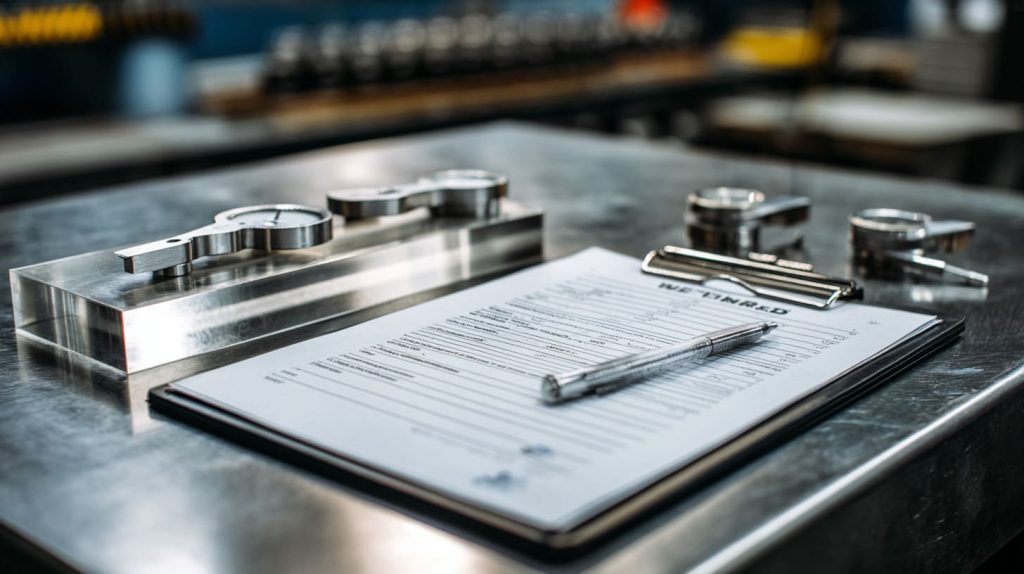
- Purchase order with tolerances
- Inspection checklist
- Agreed sign‑off samples
These aren’t just “paperwork.” They’re your insurance.
When you finally communicate clearly, production starts to flow. But don’t relax just yet—lead time and shipping can be sneaky enemies.
5. Mistake: Underestimating Lead Time, Logistics and Post‑Production Issues
Assuming quick turnaround
Acrylic fabrication takes time—especially for custom bends and polishing. It’s not like injection molding where everything is automated. Some finishes take hours of manual work.
Neglecting packaging and handling
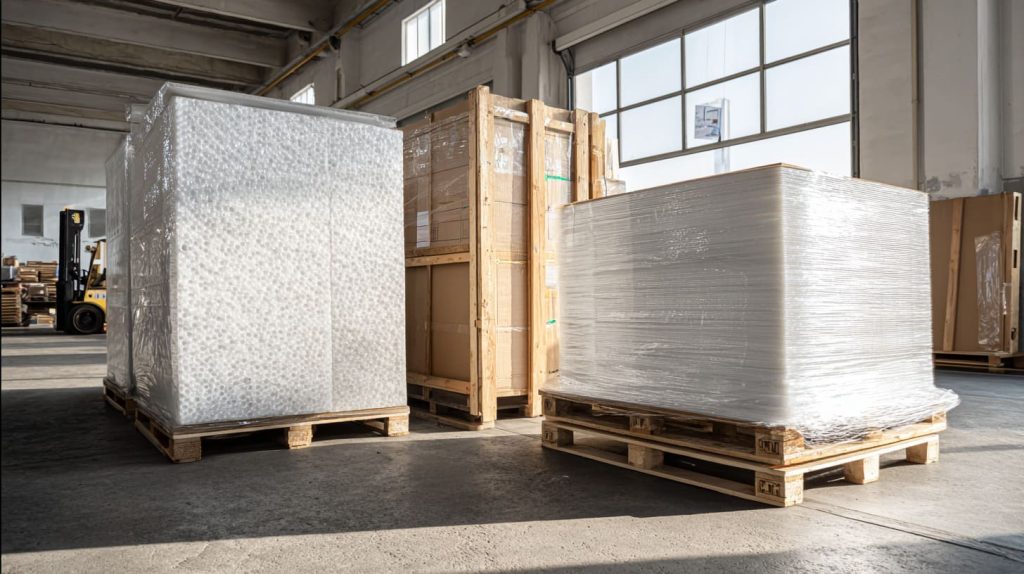
Once, a shipment to Europe arrived with half the pieces scratched. The boxes looked fine, but inside? No film between layers. Always check how your items are packed: bubble wrap, film, corner protectors, outer cartons.
| Packaging Level | Protection | Recommended For |
|---|---|---|
| Basic Film Wrap | Low | Domestic small orders |
| Foam + Bubble + Carton | Medium | Standard export |
| Custom Foam + Carton + Pallet | High | Long‑distance bulk export |
Overlooking post‑production details
Sometimes the biggest delay happens after production—during labeling, logo printing, or export paperwork. Don’t leave these to the last minute.
How to avoid
Plan for at least 15–25 days lead time, plus a buffer week for logistics or weather. Ask for export packaging photos before shipping.
At this stage, your product is nearly done—but the partnership shouldn’t end here. That’s where many buyers lose the long‑term advantage.
6. Mistake: Not Securing After‑Sales Support, Quality Control and Supplier Accountability

Treating fabrication like a one‑off deal
Acrylic projects often evolve. Maybe you’ll need a size adjustment next quarter or a new batch next year. If you treat the first order like a one‑time deal, you lose continuity and knowledge.
Skipping inspection or testing
Optical clarity, scratch resistance, and dimensions—all of these matter. Even if your factory is certified, trust but verify.
Not demanding traceability
For high‑end retail or cosmetic use, traceability is critical. Batch numbers, inspection reports, or photos of key steps—these are your audit trail.
How to avoid
Include after‑sales terms in your contract:
- Warranty for defects
- Rework or replacement clause
- Quality inspection rights
It’s not about distrust—it’s about mutual professionalism.
And just when everything seems perfect, one final topic gets ignored: sustainability.
7. Mistake: Overlooking Sustainability, Material Certification and Compliance

Ignoring certifications
In today’s market, your buyers might ask for eco‑friendly acrylic. If you can’t show a GSG or RoHS certificate, you risk losing big accounts. Many suppliers have them—you just have to ask.
Underestimating end‑market implications
For example, if your display is used in cosmetic or food stores, it may require non‑toxic, odor‑free materials. Using uncertified acrylic can get your shipment rejected at customs.
Failing to think about recyclability
Brands are becoming eco‑aware. Offering recyclable or low‑VOC acrylic can strengthen your image. It’s not just about compliance—it’s about leadership.
| Certification | Focus Area | Common Requirement |
|---|---|---|
| GSG | Environmental & Safety | Non‑toxic, odor‑free |
| RoHS | Hazardous Substances | Lead & mercury‑free |
| ISO 9001 | Quality Management | Process consistency |
How to avoid
Ask your supplier for certification copies before production. Check import regulations for your market. Make sustainability part of your brand, not an afterthought.
Conclusion

Every project tells a story. Some end in frustration, others in pride. The difference lies in preparation—how well you define, communicate, and follow through.
For B2B buyers like Jacky, success isn’t just about getting the best quote—it’s about building trust with your factory. Custom acrylic fabrication is a dance between precision and partnership.
So, before your next order, take a moment. Review your specs, confirm your drawings, and talk openly with your supplier. The best acrylic isn’t just clear—it’s the relationship behind it that keeps everything transparent.