Skip to content
Removing old glue residue from acrylic sheets might sound like a simple task, but if you’ve ever tried it, you know that it’s not always as easy as it seems. Whether you're working with custom acrylic displays, frames, or anything else that uses this versatile material, you’ll want to keep those surfaces spotless. After all, a clean acrylic sheet ensures that your final product stays sleek, clear, and professional.
I’ve been in the acrylic business for years, and over time, I’ve encountered more than a few sticky situations—literally! Whether it's leftover glue from shipping labels, or adhesive residue from masking tape used during manufacturing, it’s a problem we all face at some point. The key here is knowing how to remove that residue without damaging the surface. So, let’s dive in and explore the best ways to tackle this.
Understanding Acrylic Sheets
What Are Acrylic Sheets?
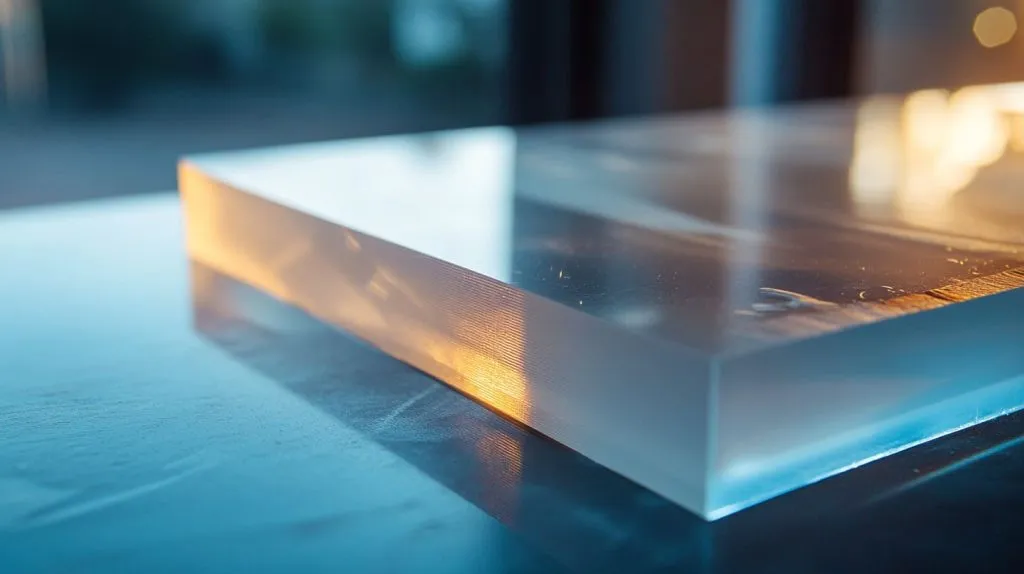
Acrylic sheets are essentially transparent plastic, but don’t let that simple description fool you—they’re pretty amazing. Acrylic is known for its clarity, durability, and resistance to shattering. It's commonly used for custom displays, photo frames, furniture, and even in signage. You’ve probably seen it used in places like storefronts or trade shows.
But, while it’s a tough material, it’s also somewhat delicate when it comes to the wrong cleaning products or removal techniques. Acrylic’s beauty comes with a bit of vulnerability, especially when it comes to adhesives. Let's take a closer look at the properties of acrylic that matter when dealing with old glue residue.
Properties of Acrylic Relevant to Adhesive Removal
Acrylic might be tough, but it’s sensitive to certain chemicals and physical stress. The wrong cleaner or tool could leave your acrylic surface scratched or cloudy. I’ve seen this firsthand—one wrong move with an abrasive cloth or solvent, and you’re left with a surface that looks like it’s been through a war.
So, when you're tackling adhesive removal, it’s essential to keep in mind that acrylic requires gentle handling. You need to use methods that preserve both the clarity and integrity of the surface. The goal? Getting rid of the glue without leaving behind any damage.
Common Adhesives Used on Acrylic
Types of Adhesives
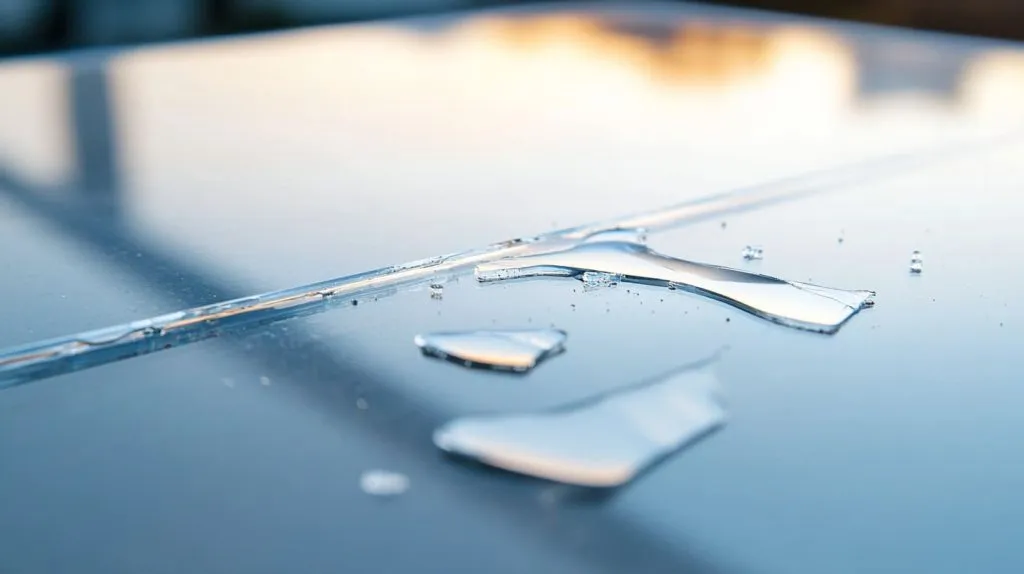
Not all adhesives are created equal, and they all interact with acrylic differently. The most common ones you’ll encounter on acrylic sheets are tape residues, glue spots, and sticker adhesives. Each one requires a slightly different approach. For example, tape adhesive can often be removed with a simple solution like dish soap and warm water, while stronger glues might need a commercial adhesive remover.
In my experience, tape residue is the most common culprit. If you’re working with a new batch of acrylic sheets, you might find that the manufacturer has used tape to protect the surfaces. A good tip here: always check what kind of adhesive has been used before diving into a cleaning method.
Challenges in Removing Adhesive from Acrylic
Acrylic’s sensitivity to certain chemicals makes adhesive removal tricky. You might be tempted to grab some acetone and call it a day, but that could be a big mistake. Harsh chemicals like acetone can cause acrylic to craze, or worse, discolor. That’s why choosing the right product and method is crucial to avoid permanent damage.
I once had a client who used acetone to clean adhesive off a display—needless to say, it left a terrible hazy finish that couldn’t be fixed. It's lessons like these that make me cautious about what I recommend to clients.
Methods for Removing Glue Residue
Using Household Products
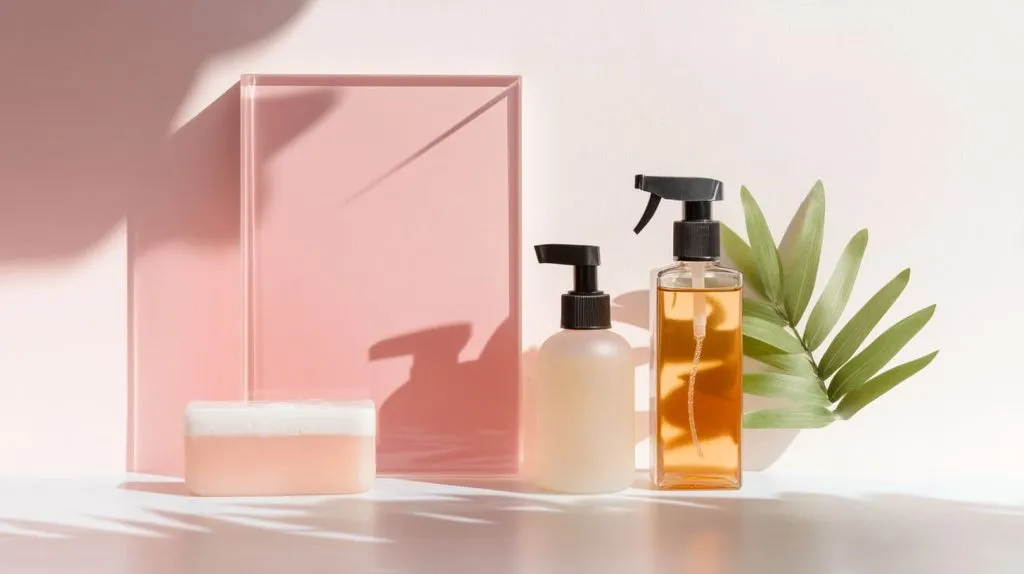
If you're trying to avoid harsh chemicals and stick to more gentle methods, household products can do the trick. Here are a few methods I’ve found effective:
Dish Soap and Warm Water: This is the most basic method, and it works surprisingly well. Mix a small amount of dish soap with warm water, soak a soft cloth, and gently rub the adhesive area. For light residues, this method is a solid choice. (home-dzine.co.za)
Baby Oil: It might sound odd, but baby oil is excellent for loosening adhesive. Just apply a bit to the sticky spot, let it sit for a minute or two, and then wipe it away with a soft cloth. (home-dzine.co.za)
Vinegar and Warm Water: Mix warm vinegar with water and soak a cloth in the solution. Gently rub the adhesive spot. It’s a natural and effective way to remove glue without harsh chemicals. (home-dzine.co.za)
Commercial Adhesive Removers
Sometimes, you need something a little stronger, especially for stubborn glue spots. If you’ve tried home remedies and still have some residue left, consider using a commercial adhesive remover.
Goo Gone: This product is a lifesaver for tougher adhesives. Simply apply it to a cloth and gently rub the sticky area. It's gentle enough for acrylic but tough on the residue. (reefcentral.com)
Citrus-Based Removers: Products like 3M Citrus-Based Adhesive Remover can work wonders. The citrus oils break down the adhesive, making it easier to remove. These products are effective and safe for acrylic surfaces. (thegrumble.com)
Solvents
For tougher adhesives, solvents can be a powerful tool.
Isopropyl Alcohol: This common solvent is a go-to for many. It won’t damage acrylic when used properly. Apply it to a soft cloth and gently rub the adhesive residue away. (thegrumble.com)
Denatured Alcohol: This is another option for stubborn residues. It’s similar to isopropyl alcohol but works a little more efficiently for some types of glue.
Physical Methods
Sometimes, a physical approach is necessary.
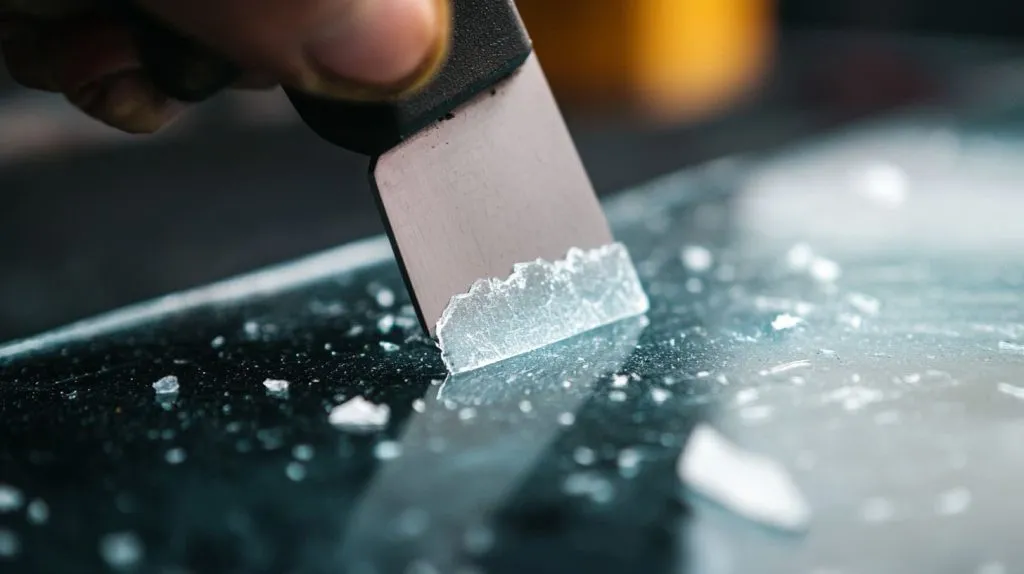
- Utility Knife: Use a sharp utility knife to scrape off any remaining adhesive. Just make sure to keep the blade at a shallow angle to avoid scratching the acrylic surface. It's a bit more hands-on, but it can be very effective when used with care. (home-dzine.co.za)
Precautions and Best Practices
Testing on a Small Area
Before you go all-in on any of these methods, make sure to test them on a small, inconspicuous part of the acrylic sheet. This is essential because even the gentlest methods might not work with every type of acrylic, and you don’t want to risk damage.
Using Appropriate Tools
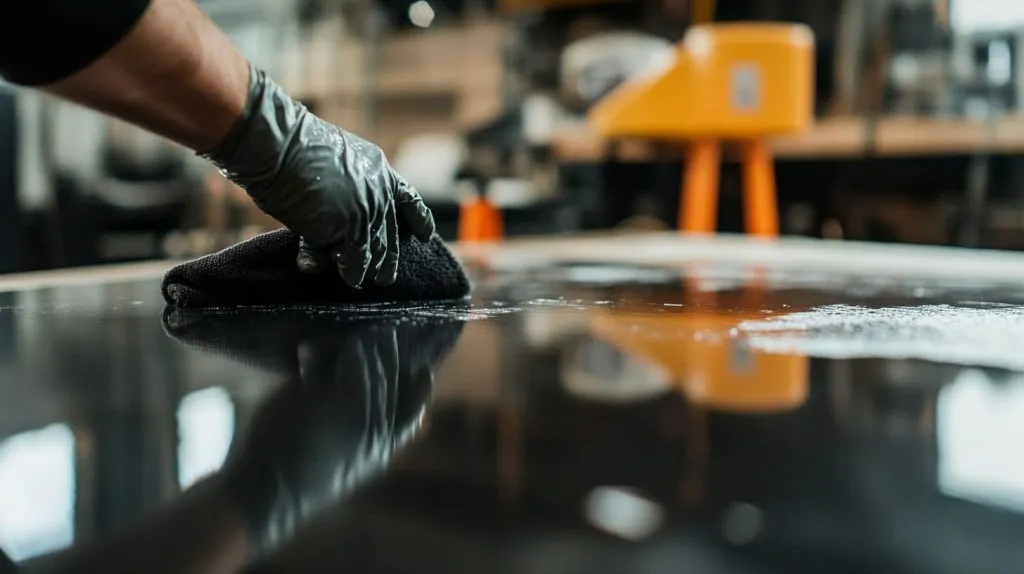
Always use soft cloths and non-abrasive tools. Harsh scrubbing or abrasive tools can scratch the surface and leave permanent marks. Trust me—I've seen enough ruined displays to know that this is an important step.
Avoiding Harsh Chemicals
Stay away from harsh chemicals like acetone or solvents not specifically designed for acrylic. These chemicals can cause irreversible damage, so it's better to err on the side of caution. In my early days, I learned the hard way that the wrong chemical could ruin an acrylic sheet faster than you can blink.
Conclusion
Removing glue residue from acrylic sheets doesn’t have to be complicated. The trick is using the right approach for the right adhesive. By using gentle products and techniques, you can preserve the integrity and beauty of your acrylic surfaces.
Remember, whether you’re a DIYer or a professional in the acrylic business, taking care of your materials is essential. So next time you encounter some sticky glue residue, don’t panic—just follow the right steps, and you’ll be back to a clean, clear acrylic surface in no time.