Skip to content
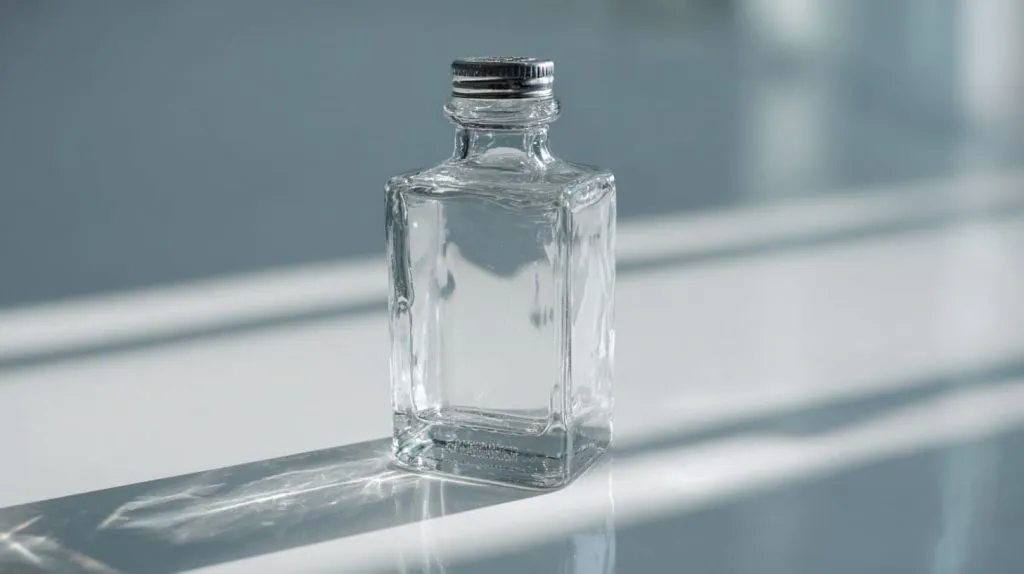
A client held up a bottle during our product demo and asked, “So... this is just glue for paint, right?”
We had just finished reviewing their acrylic signage samples. The question cut through the tech talk—and brought us right back to the basics.
An acrylic binder is a clear, flexible polymer that holds pigments together and adheres them to surfaces in acrylic paints and coatings.
It might look like a plain liquid, but it’s the reason acrylic displays stay vibrant, the reason paint sticks to plastic, and the reason our custom finishes hold up even after shipping across the world.
What is the use of acrylic binder?
It’s easy to overlook. But without it, there’s no paint—just dust.
Acrylic binders provide adhesion, flexibility, and durability to pigments or coatings, ensuring they stay on the surface and last.
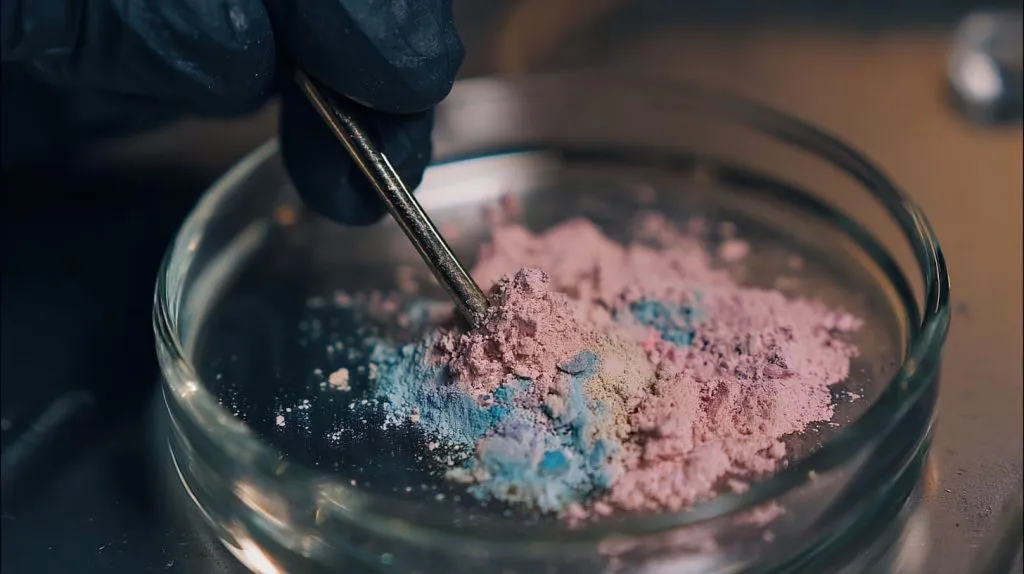
Why it matters
- Without binder, pigment flakes off or cracks.
- With binder, color becomes permanent, flexible, and water-resistant.
| Function | Role in Product |
|---|---|
| Adhesion | Helps pigment grip surfaces |
| Film Formation | Creates a smooth, even coating |
| Flexibility | Prevents cracking or peeling |
| Durability | Makes artwork or coating last |
Whether it’s a painted mural or a protective coating on acrylic furniture—binders are what make it stick.
Is acrylic binder the same as acrylic medium?
This question comes up a lot—especially from DIY clients.
No, an acrylic binder is one part of an acrylic medium; mediums may contain binders, but also include other modifiers.
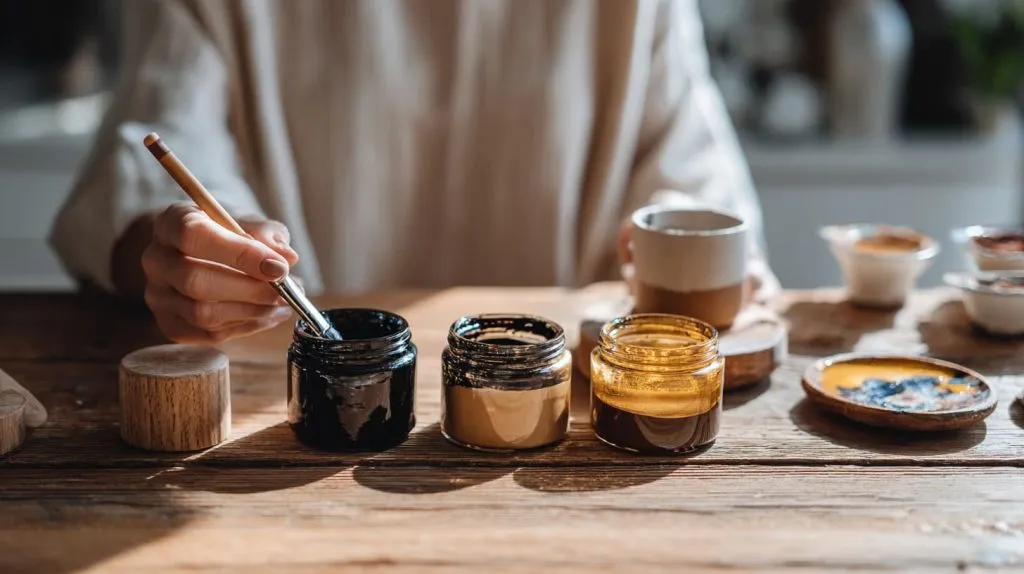
Acrylic medium is like the chef’s secret sauce—it can include binders, thickeners, retarders, and even gloss agents.
Think of it like this:
- Binder = the glue
- Medium = the full recipe
Artists use mediums to tweak how their paint behaves. But underneath it all, binder is the glue that holds everything together.
Is acrylic binder the same as gesso?
Gesso and binder often get confused because they’re both white and fluid. But their jobs? Completely different.
Acrylic binder is the adhesive component, while gesso is a primer that contains binder plus fillers like chalk or pigment.
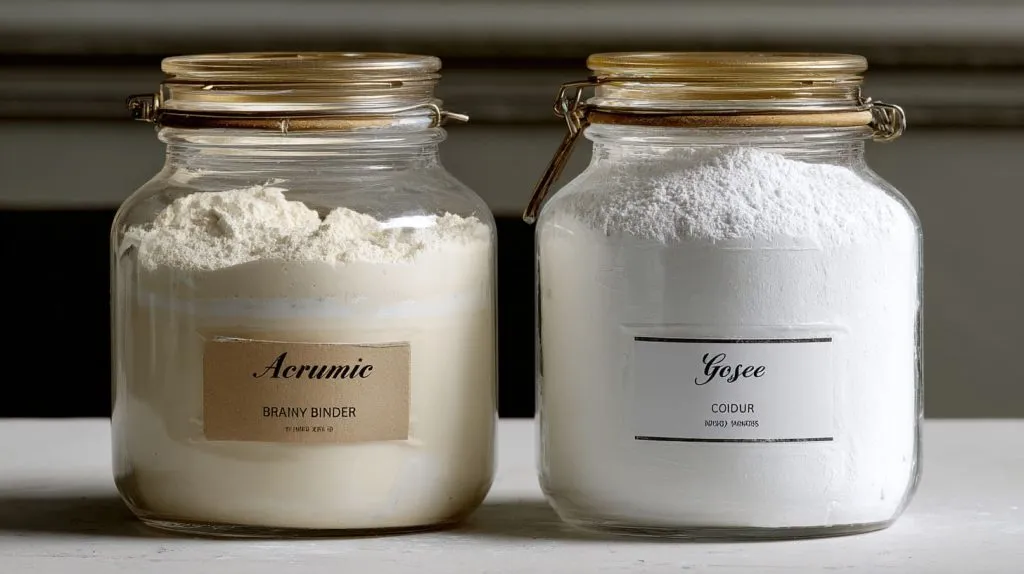
Gesso prepares a surface—usually canvas or wood—for painting. Binder helps pigment stick to that surface.
Quick Comparison:
| Property | Acrylic Binder | Gesso |
|---|---|---|
| Role | Binds pigment | Primes surfaces |
| Composition | Pure polymer | Binder + chalk + pigment |
| Texture | Smooth & clear | Matte & toothy |
If you skip gesso, your surface might soak up too much paint. If you skip binder? Your paint won’t stick.
Is acrylic binder plastic?
Here’s where chemistry meets art.
Yes, acrylic binder is a synthetic plastic polymer—specifically polymethyl methacrylate (PMMA) or a derivative.
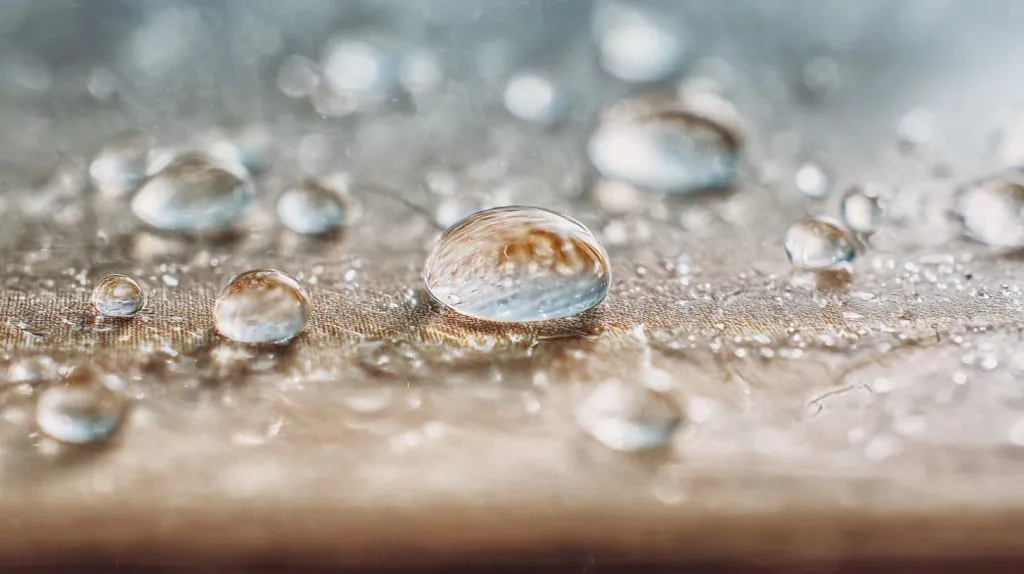
That might sound industrial, but this plastic is what gives the binder its flexibility and weather resistance.
Once it dries, the binder becomes a clear, plastic-like film—strong enough for industrial use, yet delicate enough for fine art.
Can I make my own acrylic retarder?
Acrylic paints dry fast. Too fast, sometimes.
You can mix your own retarder using glycerin and water, but commercial options are more consistent and stable.
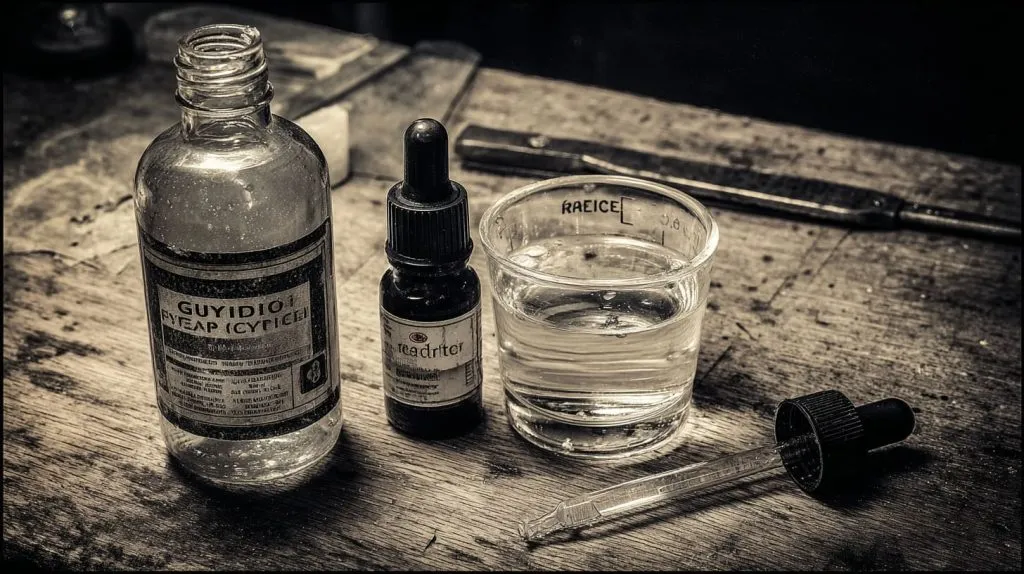
Here’s a simple DIY ratio I’ve seen:
- 1 part glycerin
- 10 parts water
- Add sparingly to acrylic medium or paint
But keep in mind—retarder only slows drying. It’s not a substitute for binder or medium.
Is acrylic binder waterproof?
This one depends on how it’s used.
Once dry and fully cured, most acrylic binders form a water-resistant film—but not all are truly waterproof.
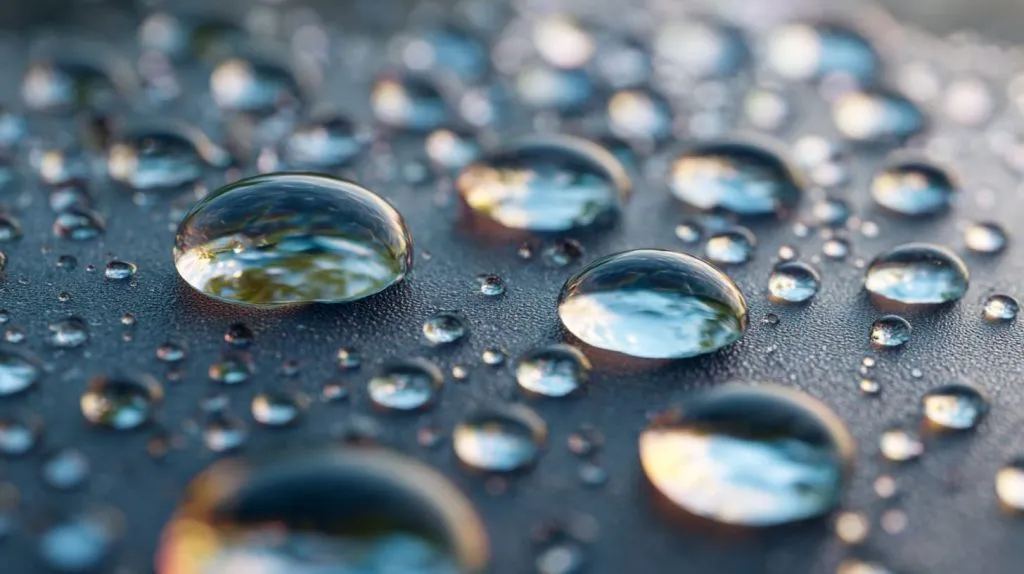
If you’re applying it to outdoor items, sealing or top-coating might still be necessary.
Levels of protection:
| Binder Type | Water Resistance | Notes |
|---|---|---|
| Standard Binder | Moderate | May soften under water soak |
| Outdoor Binder | High | Additives for UV/weather |
| Sealed Coating | Very High | Often paired with varnish |
Always check the product spec—don’t assume it’s waterproof just because it dries clear.
What are the three types of binders?
Not all binders are created equal.
The three common binder types are natural (e.g. gum arabic), synthetic (e.g. acrylics), and oil-based (e.g. linseed oil).
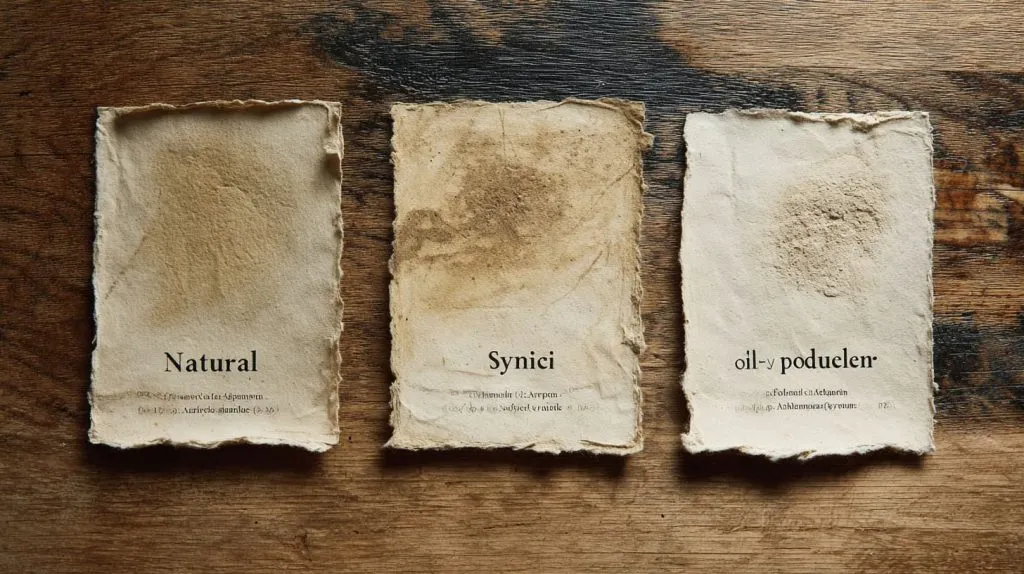
Acrylic sits in the synthetic category, and that’s where most modern coatings live.
| Type | Example | Common Use |
|---|---|---|
| Natural | Gum arabic | Watercolor paints |
| Synthetic | Acrylic polymer | Acrylic paint, coatings |
| Oil-based | Linseed oil | Oil paints |
Each has strengths. Acrylic is loved for fast drying, low odor, and versatility.
How is an acrylic binder different from other binders?
This one’s more subtle.
Acrylic binders dry quickly, are water-based, and offer flexibility—unlike oil or alkyd binders which require solvents.

The key word here is versatility. Acrylic binders can work on canvas, plastic, wood, or even concrete with the right prep.
Plus, they clean up with water. That alone makes them a favorite in classrooms, studios, and workshops.
What materials can acrylic binders adhere to?
Short answer? A lot.
Acrylic binders can adhere to canvas, paper, wood, acrylic sheets, plastic, metal, and even some glass with proper prep.
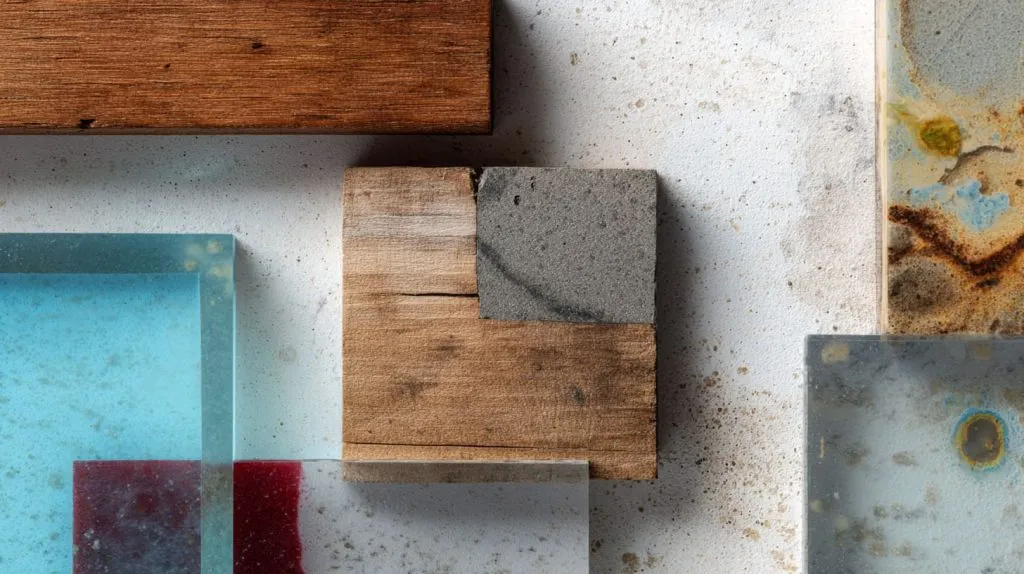
Surface prep is everything—sanding or priming can help on slick surfaces.
For my own products at Feilong Acrylic, we often use acrylic binder coatings for layered signage, paint adhesion, and even 3D texture work on clear panels.
Can acrylic binders be used for outdoor applications?
Clients often ask if their custom signage or display will hold up outside.
Yes, but only certain acrylic binders are UV-resistant and weatherproof enough for outdoor use.

Make sure it’s rated for exterior applications. And if it's not? Add a topcoat or sealer to be safe.
At Feilong, we always ask: “Will this be in the sun?” That one detail changes everything.
Are acrylic binders waterproof or water-resistant?
It's a fine line—let’s walk it carefully.
Most acrylic binders are water-resistant when dry, but only some are truly waterproof.
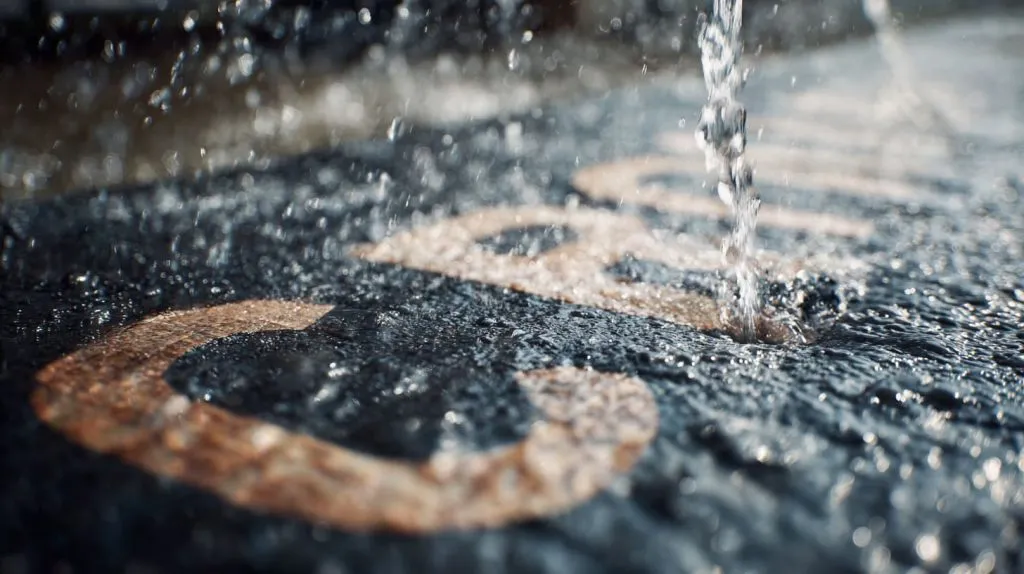
If your project involves constant water exposure—think fountains or bathroom signage—ask your supplier for high-grade options.
Or better yet, test it first. A few water drops can tell you a lot.
What is the drying time and curing process for acrylic binders?
This part often gets rushed—but it matters.
Acrylic binders dry to the touch in 15–30 minutes, but full curing may take 1–3 days depending on thickness and humidity.
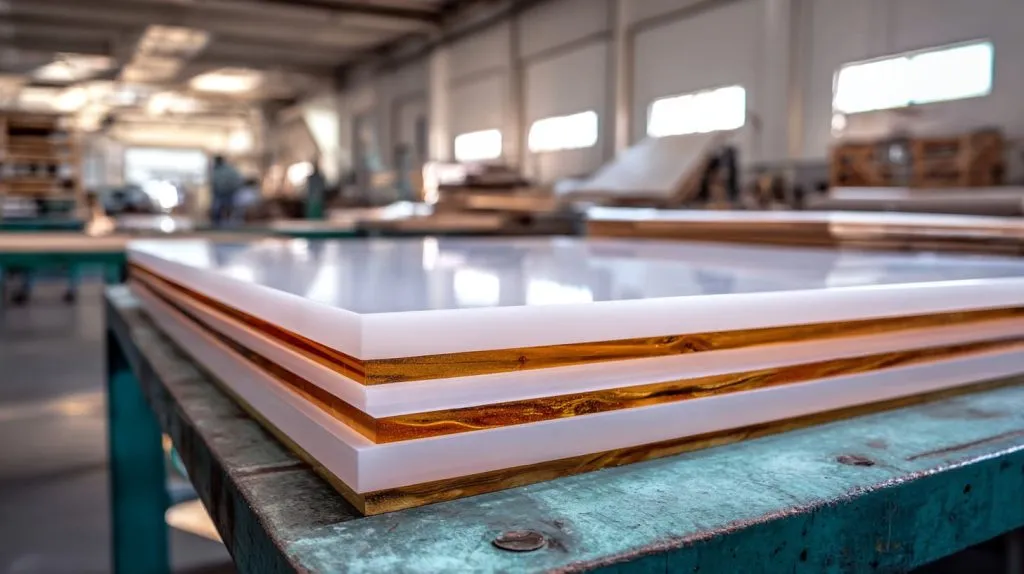
In our factory, we usually wait at least 24 hours before packing a painted acrylic piece.
For thicker coatings, forced air or low heat helps speed it up without bubbling the surface.
Are acrylic binders safe and environmentally friendly?
This one hits close to home.
Most acrylic binders are non-toxic and low-VOC, but check for certifications to confirm safety.

At Feilong Acrylic, we use GSG-certified eco-friendly binders—especially for items shipped to Europe or Japan.
Clients love that we care about both performance and planet. And honestly, so do I.
What industries commonly use acrylic binders?
You’d be surprised how many.
Acrylic binders are used in art, coatings, construction, signage, textile printing, and even automotive detailing.

They’re everywhere—quietly holding things together, one clear coat at a time.
In our world? Display makers and retail designers love them. They bring clarity, literally.
Can acrylic binders be customized for different applications?
Absolutely—this is where the fun begins.
Acrylic binders can be customized for gloss, flexibility, drying time, texture, and even color clarity.
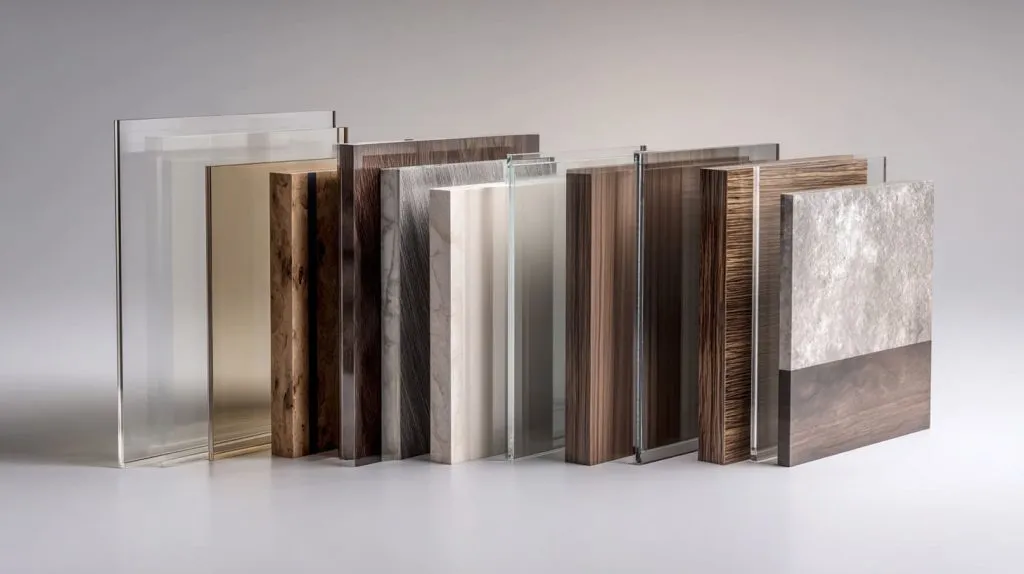
Some clients need matte finishes. Others want high-gloss. Some want a textured grip. It’s all possible—with the right formula.
We’ve even done glow-in-the-dark versions once (long story).
What is the shelf life and storage condition of acrylic binders?
They’re stable—but not forever.
Unopened acrylic binders typically last 1–2 years; store in a cool, sealed container to avoid spoilage.
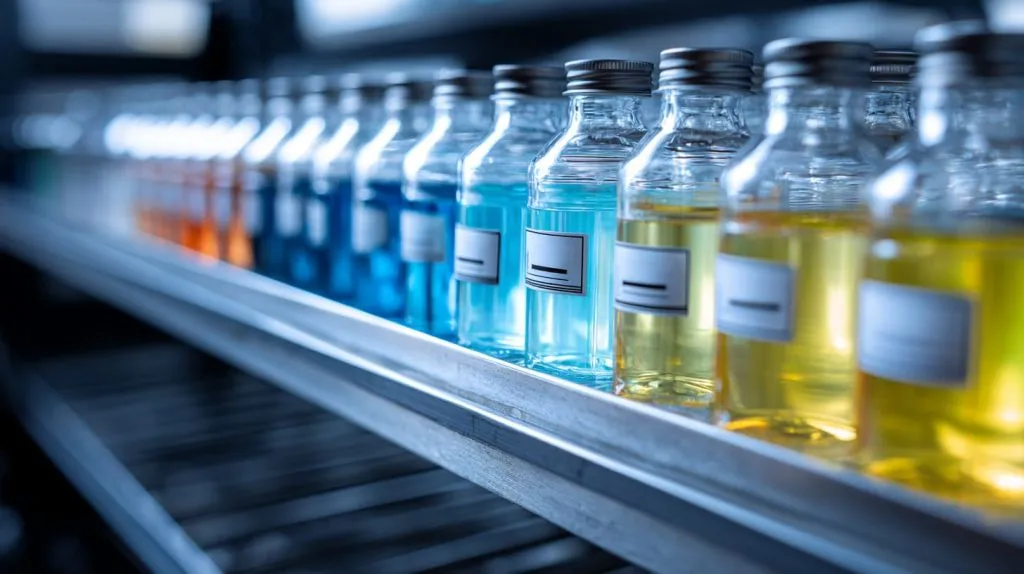
Extreme heat or cold? Big no-no. They’ll separate, clump, or spoil.
At the workshop, we rotate stock every six months. Better safe than sorry.
How does the clarity of an acrylic binder affect the final product?
This one is subtle—but powerful.
The clarity of an acrylic binder affects how colors appear, especially in transparent layers or coatings.
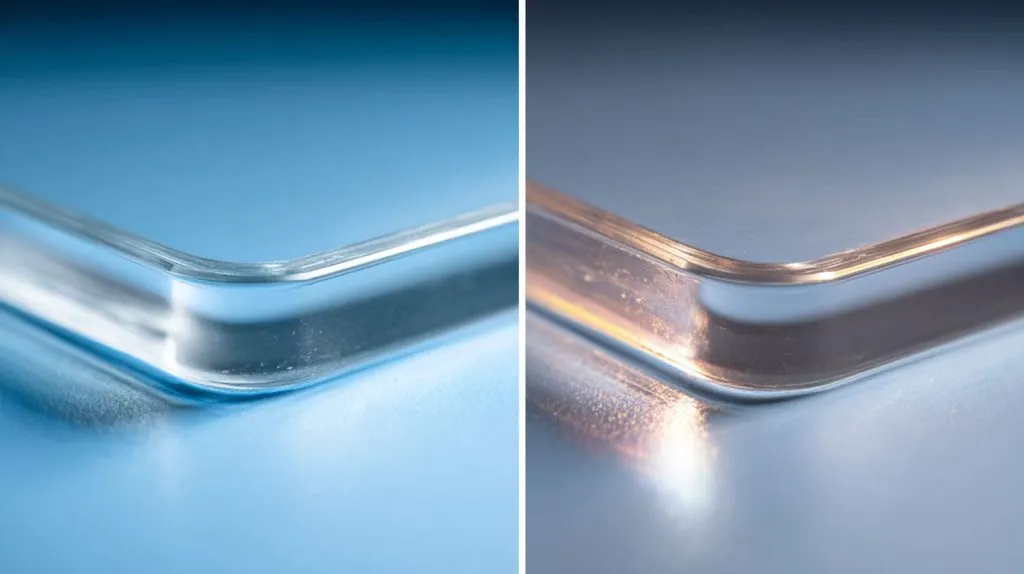
High-clarity binders let light pass cleanly, making layers glow or shimmer. Cloudy binders dull the finish.
In display work, this is huge. We once swapped a standard binder for an ultra-clear one—and suddenly, the whole piece came alive.
Conclusion
Acrylic binder may be invisible when dry—but it holds everything together, quite literally.