Skip to content
This question usually comes up right in the middle of a project.
A display design looks almost finished. Dimensions are locked. Budget is clear. Then someone pauses and asks, “Should we use clear acrylic, UV‑acrylic, or non‑glare?”
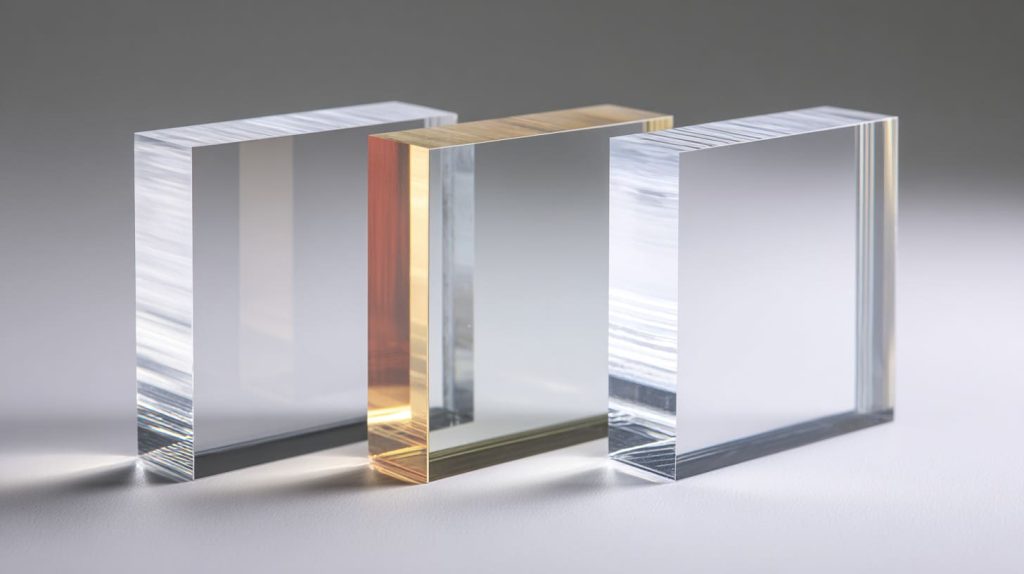
On paper, these sheets all look similar. They’re transparent. They’re acrylic. They come from the same suppliers. But in real production, they behave very differently. I’ve seen the same display succeed or fail just because the wrong sheet was chosen.
In this article, I want to slow that decision down. I’ll walk through how clear acrylic, UV‑acrylic, and non‑glare acrylic actually perform in real B2B projects. Not brochure language. Real use, real trade‑offs, and real manufacturing impact.
If you source custom acrylic products for a living, this choice matters more than it first appears.
Clear Acrylic Sheets: Definition & Key Attributes
What Is Clear Acrylic?
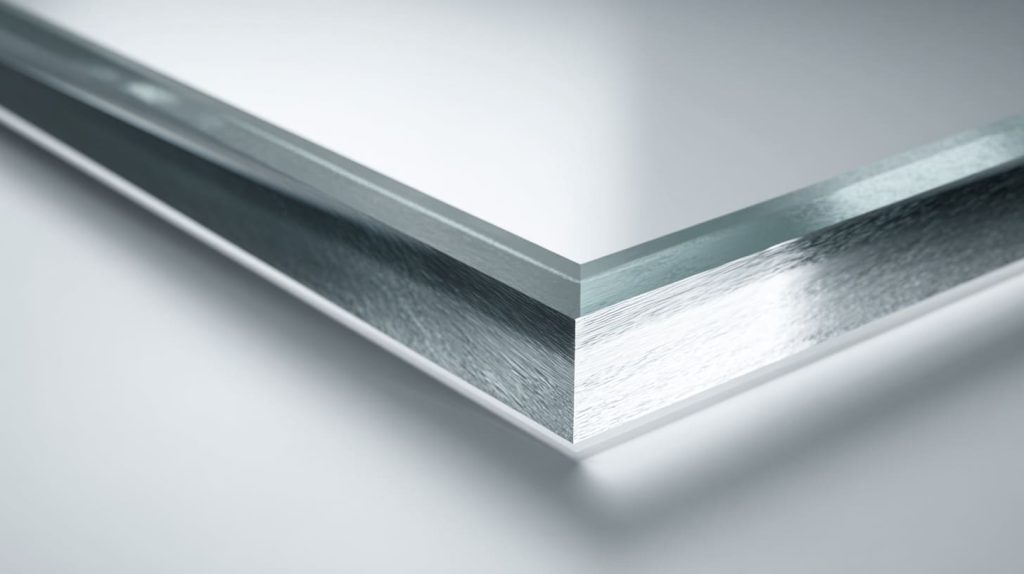
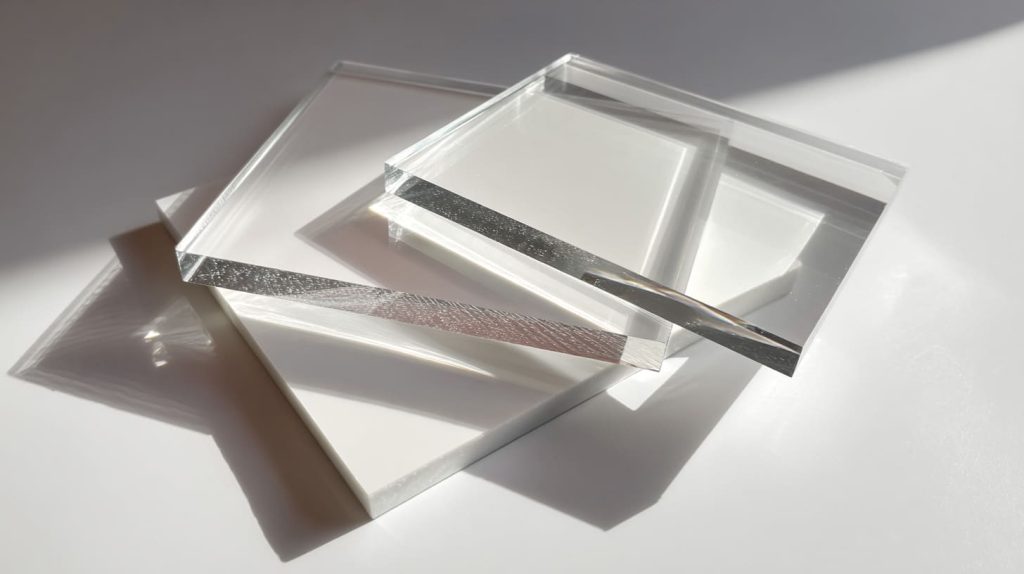
When I say “clear acrylic,” I mean the classic. The one you think of first. It looks like glass at a glance. But it’s lighter and stronger. It lets a lot of light through. Around 90‑plus percent. That’s why people use it for displays.
I once had a client in Toronto calling me in a panic. Their display looked tinted. Turned out they ordered a colored sheet by mistake. Clear acrylic should look neutral. Like a clear window.
Performance Characteristics
Let’s break this down simply.
| Feature | Clear Acrylic |
|---|---|
| Clarity | Very high |
| Light Transmission | ~90% |
| Strength vs Glass | Much lighter, better impact |
| Surface | Glossy and smooth |
Here’s what matters:
- You see through it clearly.
- It doesn’t add color shift.
- It’s strong for most displays and covers.
Typical Uses & Industry Applications
Most people use clear acrylic for:
- Retail displays
- Protective covers
- Picture frames
- Machine guards
I’ve seen it everywhere from airport displays to small cosmetic stands. And it works. It’s the most common choice for a reason.
Fabrication & Manufacturing Considerations
Clear acrylic cuts cleanly. Edge polishing looks great. It’s easy to bond. For custom products, this is a big deal. Lead times stay short. That means fewer surprises.
Now let’s switch gears and talk about a variant that adds protection you might not see at first glance.
👉 Ready to take the clarity of clear acrylic and add another layer of protection? Let’s explore UV‑acrylic next.
UV‑Acrylic Sheets: Definition & Key Attributes
What Is UV‑Acrylic?
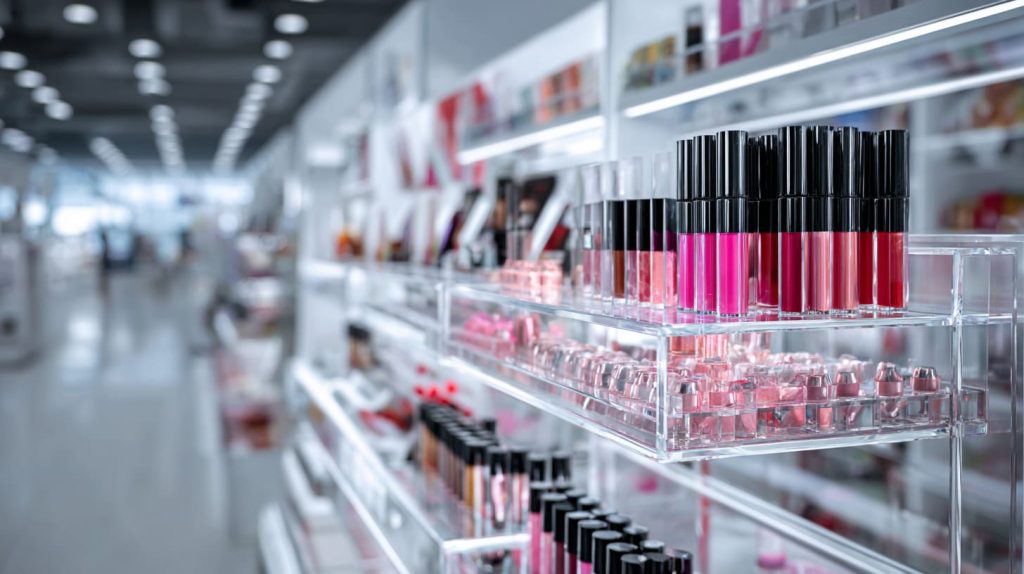
UV‑acrylic isn’t just clear acrylic with a fancy name. It has additives mixed into the sheet. These additives help block UV rays. There’s no top layer coating to peel off. That’s important.
I once shipped museum exhibit cases to a client in Vancouver. They insisted on UV protection. Their pieces were priceless prints. UV‑acrylic helped slow the fading. That was a real moment where material choice made a difference.
Optical & Protection Features
Here’s how it behaves:
| Feature | UV‑Acrylic |
|---|---|
| UV Protection | High |
| Visible Light | Still clear, slightly lower |
| Best For | UV‑sensitive displays |
Blocking UV means you protect what’s behind the sheet. But you still want good visibility. That’s the balance here.
When UV Protection Matters
UV acrylic shines when:
- You have outdoor signage
- You have museum or gallery displays
- You protect photos or sensitive materials
People often overlook UV exposure indoors too. Strong showroom lights can still fade materials over time.
Preparation & Processing Impacts
Working with UV acrylic requires care. The additives change how edges look after cutting. Bonding can vary slightly. Nothing dramatic. But you need to communicate specs with your manufacturer. We always do this in our shop before production starts.
👉 So if UV protection sounds good, wait until you see how non‑glare acrylic changes the visual experience entirely.
Non‑Glare Acrylic Sheets: Definition & Key Attributes
What Is Non‑Glare (Anti‑Reflective / Matte) Acrylic?
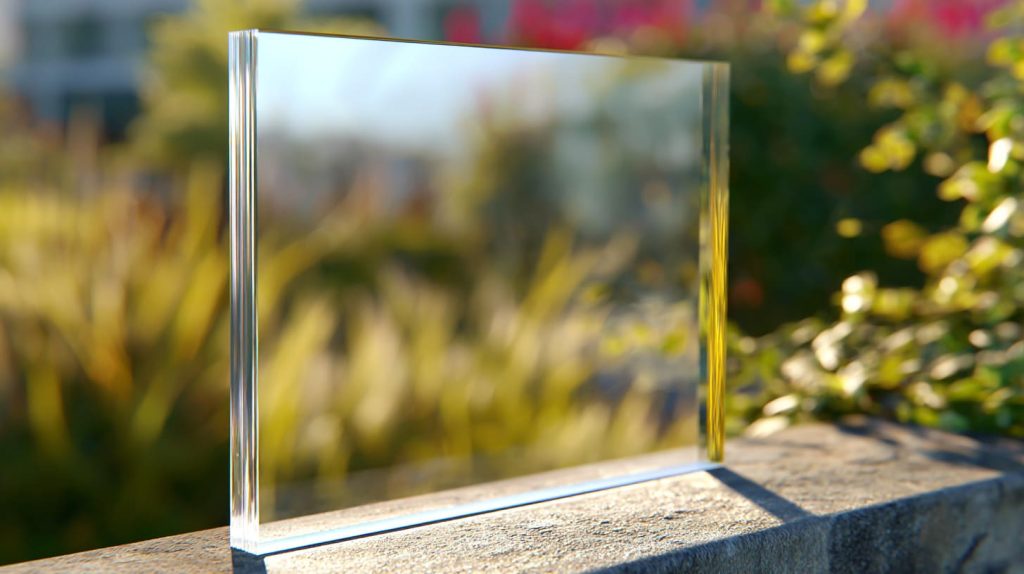
Non‑glare acrylic is special. It reduces reflections. The surface looks matte. Light spreads in many directions instead of bouncing straight back. That means less glare.
I was once in a meeting with lighting designers for a big retail store. They hated reflections on displays. They asked: “Can we make it look soft but still clear?” That’s when non‑glare was the answer.
Optical Trade‑Offs
Here’s the catch:
| Feature | Non‑Glare Acrylic |
|---|---|
| Glare | Very low |
| Sharpness | Slight haze |
| Best For | Bright lighting areas |
Reflection is reduced. But you lose a tiny bit of sharpness. It’s not always bad. It depends on the light.
Common Use Cases
Non‑glare acrylic works well for:
- Gallery displays under strong lights
- Signage in bright environments
- Retail displays with spotlights
If your viewer sees bumps of light on a glossy sheet, non‑glare can feel more natural. More pleasant on the eyes.
Fabrication & Finish Challenges
Matte surfaces are tricky. Edges can look different when polished. Bonding becomes a bit more complex. You need to plan for these from the start.
👉 Now that you know what each sheet type does on its own, let’s put them side by side to see how they stack up.
Side‑by‑Side Comparison of Clear, UV, and Non‑Glare Acrylic
Optical Clarity and Light Transmission
| Sheet Type | Clarity | Best For |
|---|---|---|
| Clear | Highest | General displays |
| UV | High | UV exposure |
| Non‑Glare | Soft | Bright light |
Clear acrylic wins for crisp views. UV acrylic is close but designed for protection. Non‑glare diffuses light. That gives a softer look.
UV Protection & Environmental Suitability
| Sheet Type | UV Block |
|---|---|
| Clear | Low |
| UV | High |
| Non‑Glare | Optional |
If your project is sensitive to sun or strong indoor light, UV acrylic helps. Non‑glare sheets can be made with UV‑block additives too. You just need to ask.
Reflection and Visual Experience
Clear acrylic shines—literally. UV acrylic looks the same but blocks UV. Non‑glare feels gentle on the eyes in bright settings. All three have their place.
Production & Manufacturing Implications
Clear acrylic cuts fast. UV acrylic needs clarity checks for UV performance. Non‑glare surfaces need special edge finishing.
Cost & Lead Time Considerations
Typically:
- Clear is fastest and cheapest
- UV is middle
- Non‑glare varies with finish
You can see why planning early matters. It’s easier to lock specs before production.
Decision Matrix: Which Sheet for What Application
- Clear: cost‑sensitive indoor display
- UV: outdoor or fade‑sensitive items
- Non‑Glare: bright lighting areas
👉 Choosing the right sheet is just the first step. Next, let’s talk about how to choose for your real orders.
Practical Guide: How to Choose for Custom Orders

Assessing End‑Use Environment
Ask yourself:
- Where will this display live?
- Is it under direct sun or strong showroom lights?
- How long will it be on display?
These matter more than you think.
Defining Priority: Clarity vs Glare vs UV Protection
Sometimes you want clarity. Sometimes you want protection. Sometimes you want both. There isn’t one right answer. It depends on your goal—and your client’s.
Specifying with Manufacturers
When you place a custom order, be specific:
- UV block percentage
- Finish type
- Tolerance and edge style
Clear communication keeps surprises low.
👉 Understanding materials makes you a better purchaser and partner. Let’s look at this from the factory side next.
Factory & B2B Manufacturing Perspective
Material Sourcing and Quality Control
From my shop floor view:
- We source sheets from trusted suppliers.
- We test transparency and tolerance before production.
We catch issues early. You should too.
Production Line Insights
Laser cutting, CNC routing, polishing—each sheet type behaves differently. We set machines differently for non‑glare vs clear vs UV. That’s part of why lead times vary.
Common Specification Mistakes to Avoid
People often:
- Mix up sheet type and finish
- Forget to ask about UV block %
- Assume matte looks the same as glossy after fabrication
These small things can cost time and money.
👉 Enough talk about process. Let’s wrap this up clearly.
Conclusion

Here’s the bottom line. Clear acrylic is sharp, simple, and reliable. UV acrylic adds protection against fading and sun damage. Non‑glare acrylic makes displays easier to view under bright light.
Every sheet has purpose. The right one depends on use, light, and finish needs.
If you think about these choices early, you save time and avoid headaches. That’s what custom solutions should feel like—smooth, clear, and confident.
I hope this helps you choose your next sheet with clarity.