Skip to content

A hotel renovation was underway, and the client leaned over the construction plans with a frown. “We can’t afford more than a single night of downtime,” he said. No drama. No debate. Just a fact. That’s when I knew we weren’t talking about regular flooring anymore.
Synthetic acrylic flooring is a fast-curing, durable floor coating made from acrylic resins, often used in commercial or industrial spaces where speed and performance matter.
He needed a floor that could harden overnight, survive years of foot traffic, and look flawless by morning. The solution was acrylic—and it delivered.
What is synthetic acrylic?
The term sounds technical, but it’s simpler than it seems.
Synthetic acrylic is a man-made resin polymer that forms a tough, transparent or pigmented surface when cured, often used in coatings, signs, and industrial floors.

What makes it synthetic?
Unlike natural resins (like shellac or rosin), synthetic acrylics are engineered in labs to offer faster curing, greater strength, and better environmental resistance. They usually come as two-part systems—base and catalyst—and cure chemically, not just by drying.
Where is this used?
- Signage and displays (that’s where I started)
- Industrial coatings
- Retail flooring
- Garage floor sealants
- Commercial kitchens and hospitals
Once I saw it in a food processing plant, and the supervisor literally said, “It’s like armor for our floor.”
How long do acrylic floors last?
People always want to know: “Is this a quick fix or long-term deal?”
Acrylic floors can last 5 to 10 years or more, depending on traffic, maintenance, and exposure to harsh conditions.

In a restaurant I worked with, the acrylic floor lasted over 7 years before needing a touch-up—and that’s with daily foot traffic, spills, and heat.
Key Factors That Affect Lifespan
| Factor | Impact |
|---|---|
| Foot Traffic | High traffic = faster wear |
| UV Exposure | Direct sunlight can shorten life |
| Chemical Contact | Spills of harsh cleaners reduce lifespan |
| Cleaning Routine | Gentle, regular cleaning extends durability |
What are the advantages of synthetic acrylic flooring compared to epoxy?
I’ve worked with both—and I’ve got scars (and stories) from each.
Acrylic floors cure faster, resist yellowing better under UV, and allow for quicker installations compared to epoxy.

Acrylic vs Epoxy – A Side-by-Side Look
| Feature | Acrylic | Epoxy |
|---|---|---|
| Curing Time | 1–2 hours | 6–48 hours |
| UV Resistance | Excellent | Can yellow over time |
| Temperature Range | -20°C to 80°C+ | 10°C to 50°C typical |
| Recoat Time | Fast (can be same day) | Slow |
| Odor | Strong during install | Low odor |
I once helped a small factory switch to acrylic because they couldn’t afford two days of downtime—epoxy just wasn’t fast enough.
Is acrylic flooring suitable for high-traffic commercial areas?
Yes—and it thrives in those conditions.
Synthetic acrylic flooring is ideal for high-traffic areas like malls, hospitals, kitchens, and schools due to its quick cure time and strong surface.
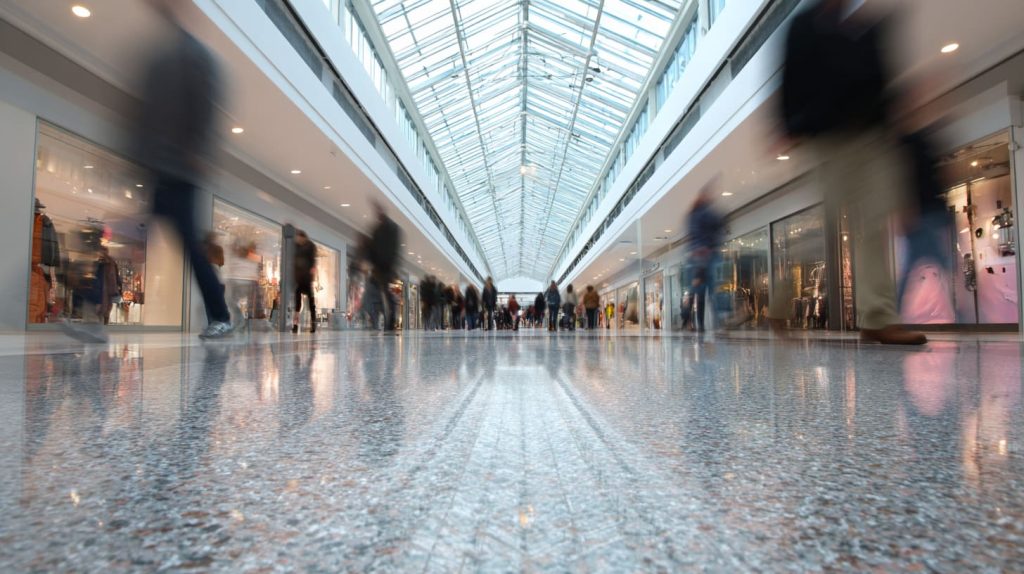
When a hotel in Hong Kong asked if they could redo the lobby overnight and reopen by 10 AM, I said, “Only if you go acrylic.” And they did.
Where It Shines the Most
- Lobbies
- Hospitals
- Food service kitchens
- Parking garages
- Airport terminals
These floors aren’t just pretty—they're built for abuse.
How does synthetic acrylic flooring resist UV, moisture, and chemicals?
One of the most impressive features? The way it shrugs off everything you throw at it.
Synthetic acrylic flooring uses reactive polymers that create a dense, sealed surface, making it resistant to UV rays, water intrusion, oils, acids, and alkalis.
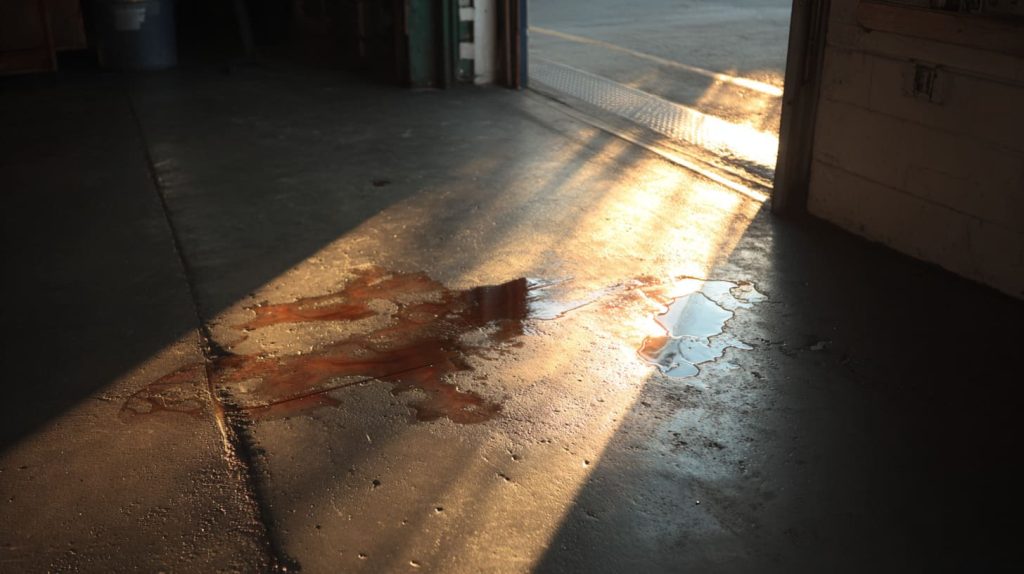
Protective Performance Snapshot
- UV Protection: Doesn’t fade or yellow easily
- Water Resistance: Fully sealed surface, no absorption
- Chemical Defense: Tolerates bleach, oil, fuel, detergents
I remember cleaning oil off an acrylic-coated garage floor with just warm water—no stains, no damage.
Can synthetic acrylic flooring be customized for color and texture?
That’s one of the best parts—it's flexible in both function and looks.
Yes, synthetic acrylic flooring can be tinted in custom colors, applied with flakes, and finished in smooth or anti-slip textures.

Options Available
- Solid Colors: Match your brand or room design
- Metallic or Flake Finish: For sparkle or grip
- Glossy or Matte: Based on aesthetic or safety
- Anti-slip Additives: Sand, quartz, or rubber beads
I helped a gym owner pick a matte charcoal acrylic floor with red flakes to match their logo. It looked fantastic—and handled sweaty foot traffic like a champ.
What industries typically use synthetic acrylic floors?
You’d be surprised where it shows up once you start noticing.
Industries like hospitality, healthcare, food processing, automotive, and education frequently use synthetic acrylic floors for their performance and hygiene.

Common Sectors
- Hotels & Restaurants
- Hospitals & Clinics
- Factories & Warehouses
- Schools & Gyms
- Supermarkets
It’s not just about looks. In hospitals, for instance, fast cure time and anti-microbial resistance are crucial.
How long does synthetic acrylic flooring last?
Yes—we covered this briefly. But let’s go deeper.
A well-maintained synthetic acrylic floor lasts 5–10 years, sometimes longer in low-impact areas.

Maintenance Tips That Extend Lifespan
- Clean spills immediately
- Avoid dragging metal items
- Recoat when signs of wear appear
I had a client in retail who got 12 years out of their acrylic floor with just basic sweeping and bi-annual polishing.
What is the difference between MMA acrylic flooring and regular acrylic floors?
Ah, the technical stuff—but this matters more than you think.
MMA (Methyl Methacrylate) flooring is a type of acrylic floor that cures even faster and is more chemical-resistant than standard acrylic flooring.

MMA vs Standard Acrylic
| Property | MMA Acrylic | Standard Acrylic |
|---|---|---|
| Cure Time | < 1 hour | 1–2 hours |
| Temperature Use | -30°C to +90°C | -10°C to +80°C |
| Chemical Barrier | Superior | Moderate |
| Cost | Higher | More budget-friendly |
I usually recommend MMA for cold storage or chemical plants where downtime isn’t an option.
Is acrylic flooring safe and non-slip for retail or healthcare environments?
One spill in a busy hallway can ruin someone’s day—and your reputation.
Yes, acrylic flooring can be treated with non-slip textures, making it safe for wet or high-risk zones like retail, hospitals, and kitchens.
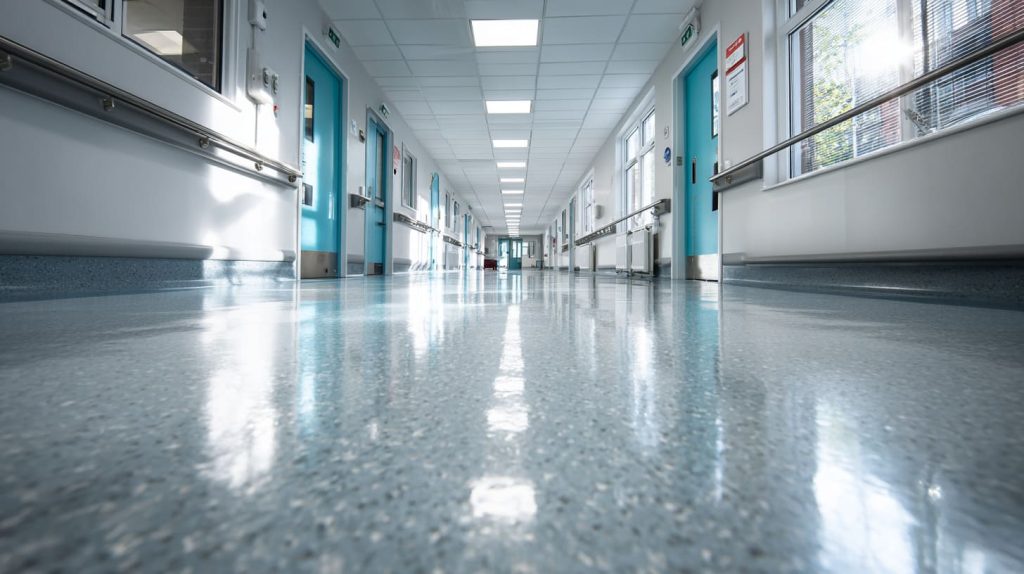
Anti-Slip Additives That Work
- Aluminum Oxide Grit
- Silica Sand
- Vinyl Flakes
- Rubber Granules
In one hospital project, we embedded fine quartz into the topcoat—no slips reported for over two years.
How is synthetic acrylic flooring installed, and how fast does it cure?
The speed still surprises me, even after all these years.
Synthetic acrylic flooring is installed in layers—primer, base, and topcoat—and cures in 1 to 2 hours, allowing same-day use.

Installation Steps
- Surface Prep: Grinding or shot blasting
- Priming: Seals pores, promotes adhesion
- Basecoat: Often mixed with flakes or pigment
- Topcoat: Seals everything in, adds protection
A bakery I worked with shut down at 11 PM and reopened at 6 AM—with a fully cured, slip-resistant floor that still shines today.
Conclusion
Synthetic acrylic flooring blends fast curing, strong protection, and visual flexibility—making it a solid choice for businesses that can’t afford downtime.