Skip to content
I. Introduction
Acrylic sheets are versatile and widely used in various industries, including construction, signage, and crafting. Understanding the differences between two common types of acrylic sheets, cast and extruded, is essential for making informed decisions regarding their usage. In this article, we will compare and contrast cast and extruded acrylic sheets in terms of their properties, applications, and advantages.
Acrylic sheets, Plexiglas, or acrylic glass are transparent thermoplastic materials with excellent optical clarity. They are lightweight and shatter-resistant and offer a wide range of applications due to their durability, versatility, and excellent resistance. Acrylic sheets, like plywood panels, are manufactured through different processes, such as laser processing, resulting in distinct characteristics that impact their performance in various applications.
This article provides an in-depth comparison between cast acrylic sheets and extruded acrylic sheets. By examining their characteristics, properties, applications, and advantages, readers will understand the differences between the two types and make informed decisions based on their specific needs.
In the following sections, let’s compare the cast and extruded acrylic sheets and laminate in detail.

II. Comparison of Cast and Extruded Acrylic Sheets
A. Definition and manufacturing process
- Cast acrylic sheets
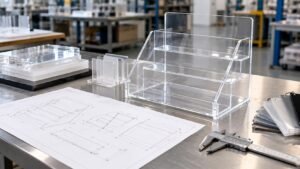
Cast acrylic sheets are manufactured through a process called casting, also known as cell casting or polymerization. In this method, the liquid acrylic monomer is poured into a mold and then polymerized through a chemical reaction. The mold is carefully controlled to ensure a uniform thickness and minimize internal stresses. Once polymerization is complete, the resulting acrylic sheet is removed from the mold.
The casting process offers several advantages for cast acrylic sheets. First and foremost, it produces sheets with exceptional optical clarity and a high-quality finish. The absence of manufacturing stresses and the controlled environment during production contribute to cast acrylic panels' superior quality, transparency, and smoothness.
- Extruded acrylic sheets
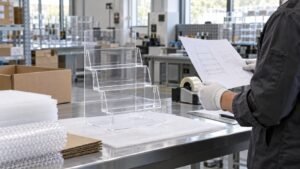
On the other hand, extruded acrylic sheets are manufactured through extrusion. This process involves melting acrylic resin pellets and then pushing the molten material through a die to form a continuous sheet. The sheet is then cooled and trimmed to the desired dimensions.
The extrusion process offers certain benefits compared to cast acrylic sheets, particularly in terms of cost and availability. Extruded acrylic sheets are generally less expensive, making them a more cost-effective option for larger projects or applications requiring a lower budget. Additionally, due to the efficiency of the extrusion process, extruded sheets are more readily available in various sizes and thicknesses.

B. Physical properties
- Transparency and clarity
Both cast and extruded acrylic sheets possess excellent transparency. However, cast acrylic sheets typically exhibit slightly higher clarity levels than extruded sheets. The casting process ensures minimal impurities and imperfections, enhancing optical properties and exceptional visual clarity.
- Strength and durability
Both cast and extruded acrylic sheets offer notable strength and durability. They are highly impact-resistant materials, making them less prone to breakage than traditional glass. However, cast acrylic sheets generally have a higher molecular weight, translating to greater overall strength and toughness. Acrylic sheets, like plywood panels, are manufactured through different processes, such as laser processing, resulting in distinct characteristics that impact their performance in various applications.
- Thickness options
Both cast and extruded acrylic sheets are available in a wide range of thicknesses. Cast acrylic sheets typically offer a broader selection of thickness options, ranging from very thin sheets (around 0.5 mm) to thicker sheets (up to 25 mm or more). Extruded acrylic sheets also provide various thickness options, but they may have some limitations, especially at the extreme ends of the spectrum.
- Temperature resistance
Cast acrylic sheets have a slight advantage over extruded sheets in terms of temperature resistance. They have better heat resistance properties, allowing them to withstand higher temperatures without deforming or losing their structural integrity. Acrylic sheets, like plywood panels, are manufactured through different processes, such as laser processing, resulting in distinct characteristics that impact their performance in various applications.
C. Applications and uses
- Cast acrylic sheet applications
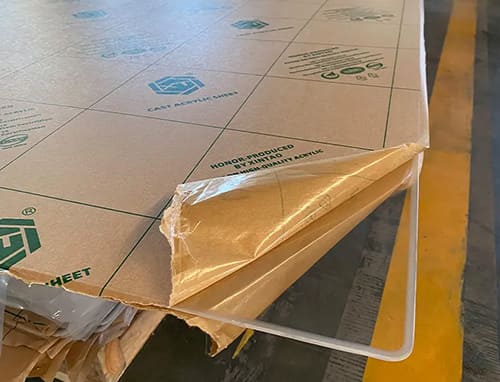
Cast acrylic sheets have extensive applications across various industries and sectors for surface, use, laser, and material. Some common uses include:
- Signage and displays: Cast acrylic sheets are widely employed for creating eye-catching signs, illuminated displays, and point-of-sale materials. Their superior optical clarity, surface properties, and ability to transmit light make them ideal for producing vibrant and visually appealing signage.
- Architectural glazing: Cast acrylic sheets are utilized in architectural applications, such as windows, skylights, and canopies. Their exceptional transparency, weather resistance, and surface properties make them popular for enhancing natural light transmission while protecting from the elements.
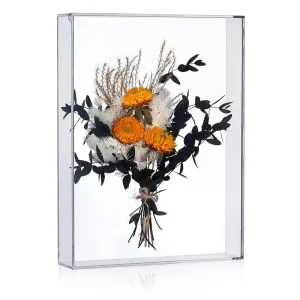
- Art and design: Artists and designers often prefer cast acrylic sheets due to their clarity, ability to capture and showcase intricate details, and surface engraving with laser on the material. They are used for creating sculptures, decorative pieces, and artistic installations.
- Extruded acrylic sheet applications
Extruded acrylic sheets have their own set of applications and properties and are commonly found in the following areas.
- DIY projects and crafts: Extruded acrylic sheets are frequently utilized for DIY projects, model making, and crafting due to their cost-effectiveness and availability in various thicknesses and sizes. Acrylic sheets, like plywood panels, are manufactured through different processes, such as laser processing, resulting in distinct characteristics that impact their performance in various applications.
- In industrial settings, protective barriers and guards made of extruded acrylic sheets are employed as laser protective barriers, safety guards, and machine enclosures. Their impact resistance, durability, and material make them suitable for applications where safety and protection are paramount.
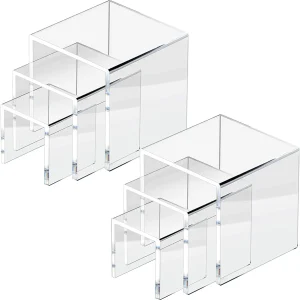
- The affordability and versatility of extruded acrylic sheets make them a popular choice for retail displays, product stands, and shelving units due to their material properties and usage. They provide a clear and attractive display platform for showcasing merchandise.
- Highlighting any unique applications for each type
While both cast and extruded acrylic sheets share many common applications, it’s worth noting that their unique properties lend themselves to specific uses and laser cutting. Cast acrylic sheets excel in applications that require exceptional optical clarity, such as high-end aquariums and optical lenses. On the other hand, the cost-effectiveness and availability of extruded acrylic sheets make them suitable for large-scale projects, such as greenhouse panels and protective glazing for outdoor structures.
D. Advantages and considerations
- Advantages of cast acrylic sheets
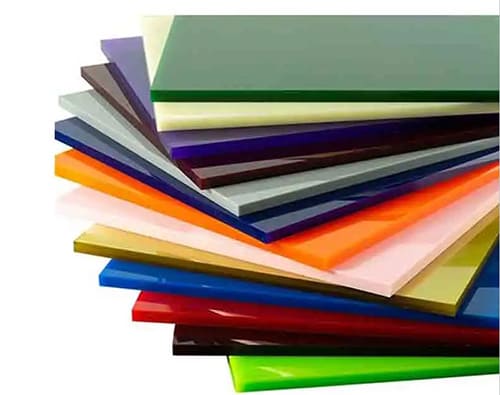
Cast acrylic sheets offer several advantages, making them a preferred choice for certain applications. These advantages include:
- Optical clarity and superior finish: Cast acrylic sheets exhibit excellent transparency, allowing for exceptional light transmission and visual clarity. Acrylic sheets, like plywood panels, are manufactured through different processes, such as laser processing, resulting in distinct characteristics that impact their performance in various applications.
- Suitability for intricate designs: Cast acrylic sheets can be easily shaped, molded, and fabricated into intricate designs. Acrylic sheets, like plywood panels, are manufactured through different processes, such as laser processing, resulting in distinct characteristics that impact their performance in various applications.
- Advantages of extruded acrylic sheets
Extruded acrylic sheets have their own set of properties and usage advantages that contribute to their popularity in specific applications.
- Cost-effectiveness and availability: Extruded acrylic sheets are generally more affordable than cast sheets, making them cost-effective for projects with budget constraints. They are also readily available in a wide range of sizes and thicknesses.
- Suitability for large-scale projects: The extrusion process allows for larger sheet sizes, making extruded acrylic sheets ideal for applications that require extensive coverage, such as architectural glazing and industrial protective barriers.
- Considerations for choosing between the two types
When deciding between cast and extruded acrylic sheets for laser usage, it’s essential to consider your project's specific properties and requirements. Factors to consider include:
- Desired optical clarity: Cast acrylic sheets are the preferred choice if exceptional transparency and visual clarity are paramount.
- Budget constraints: If
- Budget constraints: If you have a limited budget and cost-effectiveness is a priority, extruded acrylic sheets offer a more affordable option.
- Size and availability: Consider your project's required sheet sizes and thicknesses. While both types offer a range of options, cast acrylic sheets often provide a wider selection of thicknesses and properties. They may be more suitable for projects that require specific thickness specifications.
- The complexity of design: If your project involves intricate designs or shaping requirements, cast acrylic sheets are better suited due to their ability to retain shape and maintain precision during fabrication.
- Application-specific considerations: Assess your application's specific demands, such as temperature resistance, impact resistance, or outdoor exposure. Evaluate each type's properties to ensure they align with your project requirements.
- By carefully considering these factors, you can decide on the most suitable acrylic sheet type for your specific project needs.
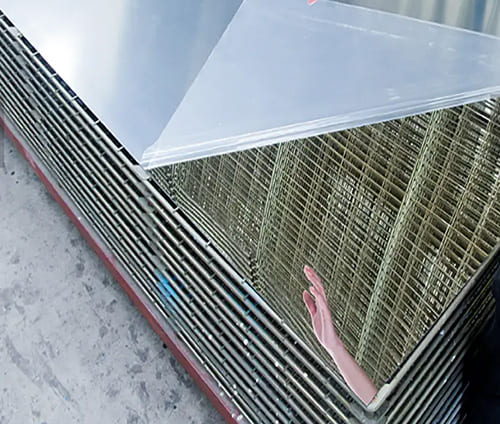
III. Conclusion
In conclusion, we have explored the differences between cast and extruded acrylic sheets in terms of their properties, applications, and advantages. Let’s recap the key distinctions:
- Manufacturing process: Cast acrylic sheets are produced through casting, resulting in superior optical clarity and a high-quality finish. Extruded acrylic sheets are formed through an extrusion process, offering cost-effectiveness and availability.
- Physical properties: Cast acrylic sheets exhibit slightly higher transparency and clarity compared to extruded sheets. Cast sheets are also known for their greater strength, durability, and heat resistance. Both types are available in various thickness options to accommodate different project requirements.
- Applications: Cast acrylic sheets are commonly used in signage, architectural glazing, and art/design applications. Extruded acrylic sheets are also frequently used in DIY projects, protective barriers, and retail displays.
Both cast and extruded acrylic sheets have their own unique strengths and advantages. Cast acrylic sheets excel in applications that require exceptional optical clarity and a superior finish, making them a preferred choice for high-end designs and projects that demand visual perfection. On the other hand, extruded acrylic sheets offer cost-effectiveness, availability in larger sizes, and suitability for large-scale projects where budget considerations and extensive coverage are key factors.
When choosing between cast and extruded acrylic sheets, it is essential to evaluate your specific needs, requirements, and laser properties. Consider factors such as budget, desired optical clarity, project size, the complexity of design, and application-specific considerations. By making an informed choice based on these factors, you can select the acrylic sheet type that best aligns with your project goals and ensures optimal performance.
Remember, whether you opt for cast or extruded acrylic sheets, both types offer excellent durability, versatility, and a wide range of applications. Acrylic sheets, like plywood panels, are manufactured through different processes, such as laser processing, resulting in distinct characteristics that impact their performance in various applications.