Skip to content

Here, we discuss their differences and offer some essential pointers to help you decide whether to use acrylic or PETG materials for your projects. Acrylic (Plexiglass): Acrylic is clear, scratch-resistant, and suitable for displays. Conversely, PETG features impact resistance and flexibility, allowing it to be used for durable applications.
The properties of both materials are unique, which is why they have their own advantages and applications. Therefore, you should consider costs, ease of fabrication, and intended usage to make this order for your project requirements.

What Is Acrylic?
It consists of a synthetic material called acrylic resin, primarily used in various sectors like painting applications and specialties akin to fabricating shops and home construction. Because it is made from this type of plastic polymer, it is also referred to as Plexiglass.
Commonly associated with the ability to look like glass or ceramic, this may give away its durability and ease of use. Because it is light and the material will not inhibit impact, Crystal Acrylic Sheets are often the go-to for artists and professionals. Acrylic has much to offer, whether you want it for artwork or utility.
Acrylic is a clear plastic that looks like glass but is more substantial than actual glass. It is also lightweight and sturdy, making it suitable for some applications.
Applications
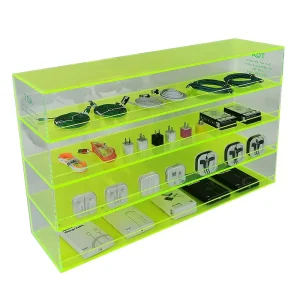
Due to its excellent clarity and durability, acrylic is used in signage, aquariums, and display cases. It has also been popular in art for painting because of its smooth surface.
Pros and Cons
Pros:
- Lightweight
- High impact resistance
- Excellent clarity
Cons:
- Can scratch easily
- Less heat resistant compared to some other plastics
What is PETG?
Overview of PETG
A plastic polymer resin is also called PETG, or more elaborately, polyethylene Terephthalate Glycol. It is a member of the polyester family and is related to PET (Polyethylene Terephthalate). It is clear and very tough, which makes it a great choice for many uses.
Properties of PETG
Durability: This makes it suitable for strength-critical applications with high-impact resistance.
Clarity: This contrasts with certain other plastics (such as ABS) that do not convey such clarity where one can see through the material.
Chemical Resistance: It is resistant to several chemicals, including alcohol and household cleaning agents.
Ease of Fabrication: The Ender 6 V slot frame is made of thick, sturdy aluminum extrusion for security and durability. It has a clear acrylic clamshell cover that's strong but lighter than glass, so you can monitor prints on the printer at all times.
Applications of PETG
Packaging: One of the best examples is food-grade PETG, which some people use for chop cups, but it can also be found in various other forms, such as beverage containers.
Signage: There, we are talking statuesque about precise optical, which is basically aimed at signage representation or areas where visibility of certain things must be maintained.
Displays: PETG is used as a retail display due to its clear transparency and impact resistance.
Acrylic vs PETG: A Comparison
Interaction Level
Acrylic provides very high clarity, which is fantastic for displays requiring a lot of interaction. The staff serves a transparent and clean view void of any distortion, improving the experience.
Although not as transparent, PETG can offer reasonable visibility with a medium interaction display. We ended up finding the right balance between clarity and resilience.
Scratch Resistance
Acrylic is more scratch-resistant, which means it looks better longer. This makes it ideal for interactive displays that require frequent interaction.
Though a strong material, PETG scratches more readily than acrylic. Acrylic, however, would be more suitable for applications where scratch resistance is desired.
Impact Resistance
Impacts are absorbed well. Acrylic has excellent impact strength and will not shatter on moderate impacts. It is suitable for places where a slight excess knocking or bumping may happen.
On the contrary, PETG has increased impact resistance compared to acrylic. Better at absorbing impacts than standard tile, it is ideal for places more likely to have breakages from high use.
Material Properties Strength, Durability
Impact Resistance: Because PETG is more rigid than acrylic, it has better impact resistance, making the material suitable for various applications requiring durability. It will not shatter upon accidental impact, thus providing long-term use in many operational environments.
Acrylic is more substantial, but it cracks more readily when hit. This is why we suggest using it for high-impact strength applications such as cover guards and many others.
Scratch Resistance: Acrylic is even more scratch-resistant (because of its harder surface) than PETG. Additionally, its chemical resistance contributes to preserving acrylic's clarity over time, which is useful for many applications where a clear material may be needed.
PETG is somewhat scratch-resistant and less prone to chipping or cracking from casual wear. Acrylic is also resistant to scratching, making it an ideal choice for applications with frequent contact or abrasions.
Color and Surface Properties
Surface: PETG's smooth, polished surface is best used in applications that demand clarity. Its lightly textured surface also allows it to withstand scratches.
Color: One advantage of acrylics is the sheer variety of available colors, from full-on clear to translucent and opaque selections. However, unlike acrylic, PETG is deprived of many colors.
Print and Displays
Acrylic has excellent print quality: colorful and high-resolution graphics can be displayed sharply. It is often used in displays where ideal levels of clarity and brightness are needed. While PETG does not have the clarity of acrylic, it is a great medium for projects requiring strong parts that will hold up to use and ensure excellent print quality.
Clarity and Shininess: You cannot argue the clarity and shine through an acrylic surface; it seems almost glass-like. On the other hand, PETG has excellent transparency but will likely never be quite as shiny as a cut piece of acrylic.
Challenges of Cost and Production
Cost: Manufacturing costs are another important factor to consider, especially when comparing acrylic and PETG materials. PETG is very cost-effective for many applications. Although PETG is more expensive than PLA, this may be because PETG has better stiffness.
Production Challenges: Acrylic is annoying to manufacture with, as it cracks easily under the blade. This will cause production to lose time and increase the cost. Alternatively, PETG is more user-friendly in terms of both handling and processing.
Design Factors
Regarding design requirements, acrylic's clarity and transparency are perfect for applications that care about aesthetics. Its plasticity allows for efficient moldability, making it more attractive. In short, PETG is less ductile than PLA (it can break or shatter under excessive stress), but it has a higher impact resistance and will better resist damage in applications where that matters.
Cleaning with Scratches
Cleaning PETG: Because the PETG solid walls need to be crystal clear, this material requires gentle cleaning. Avoid using abrasive cleaners that may scratch your surface. Wash PETG with mild soap and water to maintain its clarity.
Scratch Resistance of Acrylic: Also scratch-resistant, acrylic is a trendy choice for many different projects. Its tough surface will never get scratched compared to other materials and can be sustained over time through durability.
Cleaning Restrictions
PETG and acrylic are similar in that regard; however, PETG is a bit more hotheaded and doesn't take the kind of abuse acrylic does regarding cleaning limitations. The clear edges of PETG are easy to damage with aggressive chemicals or a hard scrub, resulting in visible scratches. If you want PETG to look good, nothing must go wrong when cleaning.
Stability and Workability
PETG Stability: Its transparency and clarity make it an even more popular choice in industries. It is impact-resistant for extra durability and can be used daily without looking less attractive. This stability is essential for applications that maintain their clarity throughout time.
Acrylic Workability: Acrylic can be easily printed and manipulated, which is good for DIY projects or one-offs. It can precisely create delicate and intricate designs and cuts, perfect for developing customized products or prototypes. Love it or hate it, workability is one of the reasons both hobbyists and pros prize acrylic.
Brittleness Comparison
Acrylic and PETG have different cold-impact brittleness. While very strong, acrylic is more brittle than PETG and can shatter under a sharp impact. PETG boasts increased flexibility, which leads to less chance of snapping from more robust conditions.
PETG Stability:
- Fairly defined and transparent
- Long-term application in diversified sectors
- Impact resistance to ensure durability
Acrylic Workability:
- Suitable for printing and DIY project manipulation
- All packs in use for complex patterns and clean cuts
- One of the top-in-class non-destructive methods from hobbyists to professionals
Applications in DIY Projects
Versatility in DIY: PETG is a versatile option for DIY projects, as it is used in many applications. It is great for outdoor signage and an excellent choice when designing complex medical devices. Due to its flexibility, PETG is universally applicable in various sectors.
Ease of Bonding: Acrylic is most commonly used in DIY because it bonds materials quickly. Acrylic parts can be easily assembled using simple methods like solvent welding or adhesive bonding, which quickly assemble your project.
Stable Project Suitability: PETG lends itself well to more beginner-centric and forgiving DIYs requiring extra stability. It is hard-wearing and incredibly strong and used for durable outdoor structures and robust in-store displays. PETG is preferred on long-lasting projects due to its impact resistance and ability to withstand harsh weather conditions.

Making an Informed Decision
Environmental Impact
While acrylic is a recyclable plastic, its recycling process can be complicated because it has many small molecules in one piece, blocking entry for silicones and other valuable materials. In contrast, PETG is more eco-friendly as it can be recycled effortlessly and often.
Also, considering the environmental consequences, PETG is much less wasteful and more sustainable than acrylic. As it can be recycled, PETG is a more sustainable choice for signs and when used in your projects.
Durability and Longevity
Acrylic is more scratch-resistant and has less breakage than PETG. However, PETG is more impact-resistant and might be perfect for applications that need strength.
Acrylic may turn yellow when exposed to UV light from sunlight, so it would be better for indoor use. However, unlike acrylic, PETG does not lose clarity or become red and brown under sunlight.
Acrylic:
Pros:
- Scratch-resistant
- Less prone to breakage
Cons:
- Prone to yellowing over time
PETG:
Pros:
- High impact resistance
- Resistance to color change from UV light
This allows you to decide between Acrylic and PETG based on your project requirements. If durability and impact resistance are a concern, PETG may be the perfect choice. If you value scratch resistance more highly, acrylic might be better.
Final Remarks
From these comparisons between Acrylic and PETG, we understand that every matter has its own pros and cons. Obviously, those decisions can be slightly more subjective (though we have some ideas to help you as a guide), and others are about materials, such as durability versus looks against cost, etc.
In summary, Acrylic vs PETG - if you are shopping between the two materials but buying according to need, both have compelling benefits for your DIY projects. By studying each attribute, you will learn and then can better decide on your investments.

FAQ
What are the key differences between Acrylic and PETG?
Which material, Acrylic or PETG, is better for outdoor applications?
Is one material more cost-effective than the other?
How do I choose between Acrylic and PETG based on color options?
Can scratches on Acrylic and PETG be easily repaired?
Is PET the same as acrylic?
Which is stronger, polycarbonate or PETG?
By contrast, PETG is best known for its transparent characteristics, applicability to end-uses that require transparency (e.g., retail displays or packaging), and ease of processing in precise applications. Overall, the best material for your project depends on what you need it to do—whether polycarbonate or PETG.