Skip to content
Have you ever wondered about the magic of acrylic? Get ready for a wild ride through the land of this infinitely handy substance. Incredibly, acrylic material started life as a type of plastic but evolved, reaching stunning optical clarity and water capabilities. Let's dive into what defines the incredible properties of this fantastic product, which is suitable for multiple applications. Ready to be amazed?

1. Transparent & Lightweight
One of the main differentiators acrylic offers is its transparency. For this reason, it is widely used in various applications due to its fair tonality and transparency reinforced by the material clarity fields of acrylic (TTY). It is also known for objects' general visibility or artwork.
Another massive benefit of acrylics is their light weight. Acrylic, which is easy to work with and install, is favored for applications where weight may be an issue. Due to the transparency and light weight of acrylics, they are often used in this field where bullet-resistant material is needed. That is why it makes sense for artists and designers to use acrylic, as it allows light to pass through with industrial fabrication properties. This ensures complex designs don't have to sacrifice any strength or style so they can be formed readily.
2. High Clarity & Gloss
Acrylic is also the most transparent and has a shinier, glossy finish than other materials. When acrylic is made, the surfaces are polished to a virtually optical clarity that exceeds glass. This makes acrylic a much-desired choice for perfectionists like artists and designers.
Its great clarity comes from the fact that it emits light without distorting or filtering much, so this material is used in many applications where transparency is essential. Acrylic is crystal clear and extremely shiny, giving the products a professional look. The superior surface finish and excellent optics that acrylic offers mean it is versatile and can be used in various industries.
Artists can gain striking color and texture effects with acrylic due to its high clarity in art, notably increasing their creative impact. The clarity and gloss that acrylic provides are achieved in the signage industry in the form of write on a plate or block with nicely visible reflections around it. Also, retail jewelry can show up cheaper, but it could cause people to stop walking to look at the watch, causing the diamonds to glare at bright lights and look at atrocious stand-alone stands and large orthotics artwork. Acrylic is another option that has been increasingly popular with various industries due to its strength and UV protection.
3. Customizable Colors
You will realize that Acrylic takes the lead with a more extensive selection of customizable colors and some inspiring bright shades. This versatility makes it an excellent option for designers and artists blending distinct hues.
Thanks to acrylic, achieving the colors you want or need for specific shades and unique creation work, such as design projects, is straightforward. Acrylic's properties make it hold onto colors more than most other substances, automatically enhancing the look of any artwork or product with vibrant tones.
The impact of custom colors on design and branding is ineffable. Its versatile colors help businesses create a unique brand that distinguishes their products on the shelves, attracting consumers' attention. The ability to choose from a broad range of colors allows designers to reproduce their creative vision truly or exactly. No matter the spectacular design prepared, a good play of acrylic color can make it pop or subtly elegant.

4. Non-Toxic Material
Non-toxic—Safety acrylic. Several applications require safe, non-toxic, and shatterproof materials. This is a great feature, considering it could be used in places like healthcare facilities and schools where sensitive information can easily fall into the wrong hands.
Choosing non-toxic acrylics over other materials is beneficial for health and environmental care. Acrylic, unlike certain plastics with resin identification numbers three or above (e.g., polycarbonate, ABS), is not made with Bisphenol A (BPA) or phthalates and is thus a safer large-capacity water storage option. Acrylic is non-toxic, so it is essential for industries with contamination risks.
Hospitals also use acrylic for medical devices because it is non-reactive and not harmful to humans. Acrylic is used in many classroom supplies, so it makes sense that schools tend to go with acrylic when making their purchases. Most likely, purchasing those particular products was to prevent accidents.
5. UV Resistant
Unlike many other plastics, this feature can boast and set acrylic apart in outdoor applications. It provides a barrier to protect against UV rays in all conditions. It is UV and sun-resistant so that acrylic can be used efficiently for outdoor signage, windows, or displays. This durability enables it to survive longer in the sun than typical materials without turning yellow and degrading.
Since acrylic is resistant to UV, it will continue looking clear and functioning outdoors. This is essential for items exposed directly to the sun, such as architectural elements, art installations, and protective barriers.
With UV-resistant acrylic, products can perform longer while not needing to be replaced often and looking fresh. This durability means it will not fade over time or develop any color aberration when exposed to sunlight, which makes it perfect for most applications.
6. Durable & Impact-Resistant
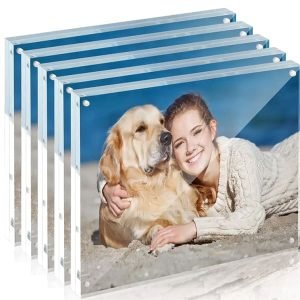
Acrylic is becoming increasingly popular in the framing industry due to its durability. Unlike glass, it can withstand direct impact. This inherent durability has made it a preferred choice across many applications where ruggedness is essential.
Acrylic is durable enough to withstand high-traffic areas like museums, hospitals, or retail stores where accidents may occur. This makes it impervious to accidental knocks or bumps, ensuring the security of valuable displays and sensitive equipment.
Key Features:
- It is up to 17 times more scratch-resistant than glass.
- It keeps clarity and doesn't yellow over time, as some plastics do.
- It is a lightweight yet strong material, giving the product versatility.
Applications:
- Museum Exhibits: Acrylic protects priceless artifacts in busy exhibition spaces, preventing damage from accidents.
- Retail Displays: Acrylic displays are manipulated so much that they do not lose their shine.
- Hospital Environments: Acrylic protective barriers for safety without the loss of visibility.
Acrylic has a personality that wants to last—not just over time but also through the space it occupies and how it is used. Its impact resistance feature makes items beautiful and still functional in harsh environments.
7. Easy to Clean
They are easier to maintain than other materials and can easily be wiped clean because they’re made of nonporous smooth acrylic. This is most apparent in how easy it is to wipe up spills and messes without reaching for a particular kind of cleaner. Acrylic products can be straightforward to maintain since they are scratch-resistant and do not stain because of their finishes. This makes it an ideal solution for busy households or high-traffic areas.
Tips on how to clean acrylic:
- In some cases, a mild soap solution or acrylic-specific cleaner will work.
- Do not use rough abrasives or scrubbers that can scratch the surface.
- Clean softly with a microfiber cloth to avoid scratching.
Keeping Acrylic Items Shiny and Clear:
Dirt and grime will not stick in acrylic's pores, so you can Life hack: Clean them quickly and move on. This is another reason why acrylic products are more hygienic: they do not promote the development of mold or bacteria. Whether in terms of furniture, kitchenware, or bathroom accessories, the simple compound enables mundane services to be performed while also ensuring that your living spaces shine and gleam away from any dust.

8. Versatile Applications
Acrylic is a versatile material that can be used in numerous industries. It is used extensively in signage as a solid material and mixed sign materials that often use an acrylic substrate with an engraving film. Acrylic is also used in architecture by allowing light transmission in the auditorium and mimicking glass properties of being lighter than glass and shatter-resistant.
Acrylic is integral to the healthcare industry because of its sanitary and sterilizable qualities. It can make protective barriers, medical devices, and prosthetic components. The military also uses acrylic to make aircraft canopies and submarine windows; its lightweight properties make it a vital glass substitute.
- Aquarium: Perhaps the most innovative use of acrylic is large panels made from it, which are used in place of glass with far better visual clarity and strength.
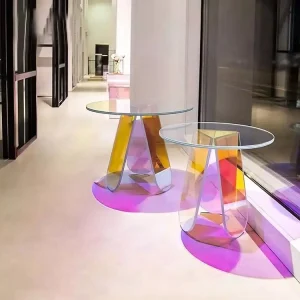
- Furniture, luminaires, and artistic installations: Acrylic can be molded into creative designs for furniture-making.
- Acrylic can be formed in many ways, including thermoforming and machining, which allow complex designs to be made easily. Given its versatility and adaptability, acrylic is continually used in ways we never believed possible.
9. Environmentally Friendly
Sustainable Production and Recycling: Acrylic is a sustainable product that gains more environmentally sound credentials when you learn how things are produced. Unlike most traditional materials, using modern strategies, acrylic has a unique way of lowering energy and creating waste. This is also why it succeeds in environmentally driven industries.
It is recyclable: The number one point that makes acrylic eco-friendly is its ease of recycling. Unlike many single-use plastics, acrylic products can be recycled and repurposed repeatedly without losing quality. The fact that acrylic is recyclable keeps the world green and healthy by reducing waste in large-scale ways.
This eco-friendly factor of the material has made acrylic a popular choice for fashion apparel and accessories. Because acrylic is becoming the go-to fabric for many designers, it's here to stay as a sustainable fashion hero!
Additionally, life in the modern era ideally uses acrylic since it is water-resistant and perfect for anything from outdoor signs to bathroom fixtures. It is a more durable and resistant option to weather conditions that will solve the need for early replacements, reducing overall resource consumption.
10. Excellent Weatherability
This property makes it suitable for outdoor applications. It can withstand exposure over extended periods, even in the harshest environmental surroundings.
Longevity: Acrylic's weather ability directly affects how long products made from this material will last. This will help things stay new and fresh over time, even under the sun, rain, or snow. Acrylic is also a much more weather-resistant material than flatbed print and even signage vinyl!
Even if they are exposed to the sun or rain for an extended period, acrylic signs still appear to be newer. Acrylic's general weathering resistance helps to maintain transparency and structural support in outdoor architectural applications such as windows or skylights.
This portability extends to lower cost and decreased maintenance demands for these applications. It is also easier to install and perfect for outdoor applications requiring high strength/durability properties.

Summary
So, you have waded deeper into the world of acrylic and fallen in love with its unique characteristics. Acrylic is transparent, lightweight, resistant to UV radiation, and versatile, making it a first choice for several applications. It is one of the best materials, highly durable, and easily cleaned. It does not harm nature, either. Providing the perfect mix of aesthetics and function, acrylics are available in thousands of colors to match any rooftop decor, while coverage provides long-term shape retention.
The confluence of acrylic in your projects can enhance the overall quality and ensure they sustain appeal for a long time. Acrylic paint is then great for when you have your heart set on a mid-process snack. For a long-lasting and aesthetically beautiful solution to your art, design, or practical needs, acrylic's properties mean that it can make any of your ideas come alive.