Skip to content
Even in today’s omnichannel retail environment, pop displays remain a valuable resource. They are an integral part of creating attention-grabbing displays, marketing products, and creating brand awareness.
These displays provide a greater degree of freedom for spacer design which can be tailored to fit other industries such as food, electronics, and cosmetic packaging. Retailers understand the power they wield through their ability to shape purchasing decisions and craft unique and memorable customer experiences.
Combining strategic placement with powerful designs, pop displays continue to be a smart marketing resource for boosting sales.
What Are POP Displays
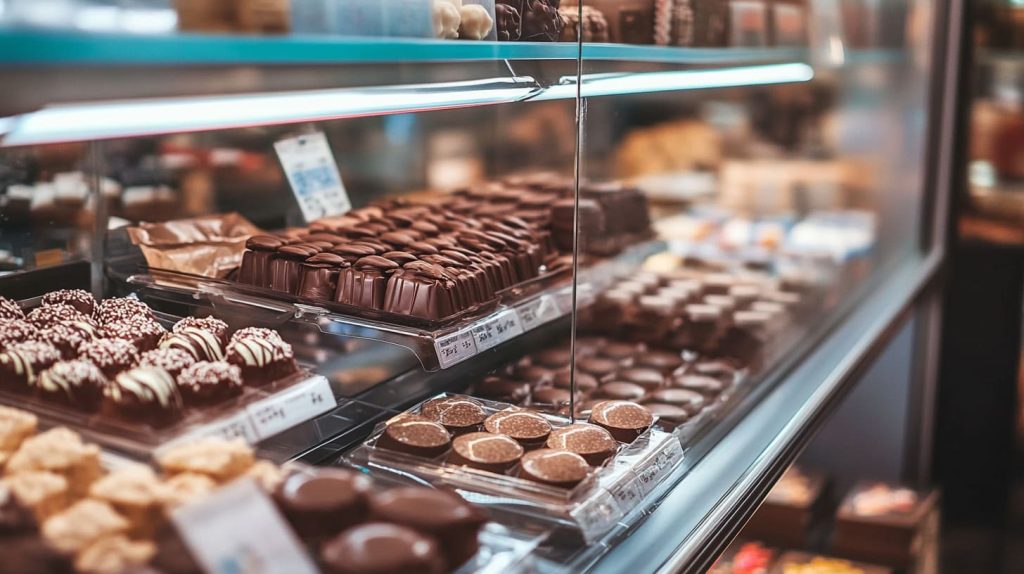
POP displays, or Point-of-Purchase displays, are one of the most effective retail marketing benefits on the market. These nifty displays highlight products in creative and attention-grabbing manners, igniting curiosity and encouraging shoppers to buy. Designed to showcase special items or sales, they develop an emotional bond between the customer and the goods.
Retailers carefully plan where POP displays go, often using them near checkout counters, on end caps, and scattered in aisles. These retail displays are crucial for creating first impressions that drive customer behavior, blending beauty with practical purpose.
One of the biggest benefits of POP displays is their strategic location at impulse points in busy environments. Retailers position these displays in prominent, high-traffic areas, usually at entrances or on routes where shoppers naturally stop and stay. This placement maximizes exposure and provides shoppers with multiple interactions with products, enhancing the overall retail experience.
A seasonal display featuring holiday-themed packaging will immediately catch a shopper’s eye and draw them in. This could encourage a customer who otherwise would not have purchased any such products to make an impulse purchase, showcasing the effectiveness of a good pop display.
In short, POP displays attract attention simply because they’re often found where they are most visible. That draws attention and creates a discoverable moment between the product and the shopper, frequently igniting impulse buys. It's no surprise when research shows that 62% of shoppers buy on impulse in-store. Of these impulse purchases, 16% are influenced by appealing in-store displays, like those featured on point-of-purchase displays.
Beyond mere placement, POP displays can significantly enhance the overall shopping experience. They offer an engaging and imaginative environment to feature merchandise, transforming the entire experience into a fun and interactive journey for modern customers.
Others incorporate sound or flashy lighting to lure customers in. Some feature more creative, interactive experiences, like product sample displays or touchscreens. These display elements pull customers in and create intrigue. They entice shoppers to explore the merchandise further, often resulting in trial conversions.
POP displays are incredibly versatile, allowing you to refresh them frequently. That flexibility allows you to feature the latest trends, holidays, or limited-time campaigns, making them fresh and exciting to shoppers year after year.
From a brand marketing strategy standpoint, POP displays are invaluable. They allow retailers to adopt purchase display options more easily by spotlighting specific items at the moment of decision closest to the purchase. Temporary displays, usually constructed from inexpensive materials like cardboard, can be particularly beneficial for limited-time promotions or seasonal items.
They’re particularly effective at driving new-to-brand and trial purchases, making them a powerful tool for launching new products into the market. Unlike aisle-based shelving, these displays can be accessed from multiple sides, creating more room between shoppers and enhancing the overall customer experience.
By creating better public spaces, this thoughtful store design brings convenience and comfort to the shopping experience.
Benefits of POP Displays
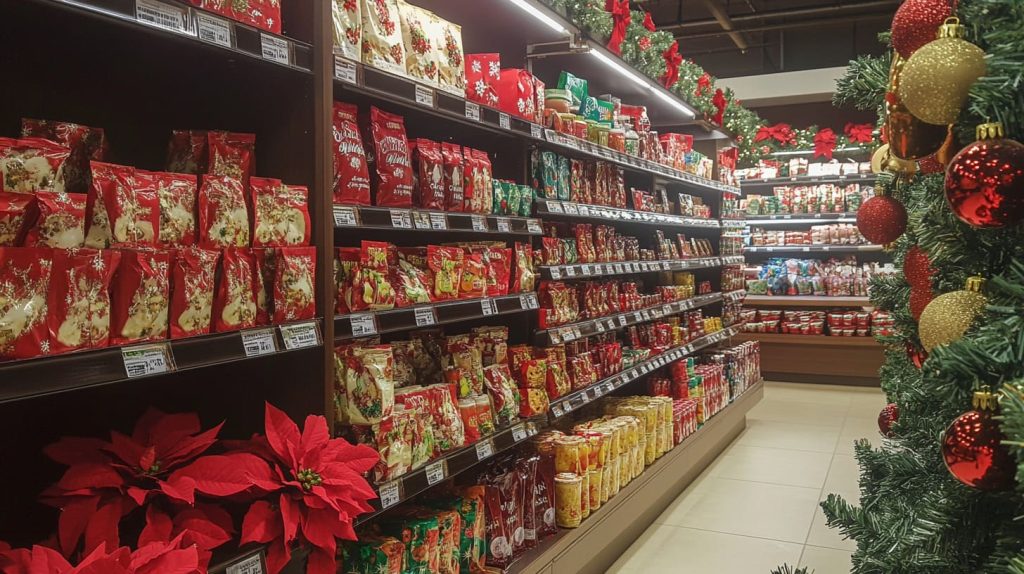
POP (Point-of-Purchase) displays are one of the most effective retail weapons. They’re proven attention grabbers, sales boosters, and brand builders. Through the smart application of design and placement, these displays provide quantifiable benefits that complement marketing objectives and keep costs in check.
This combination of unique benefits makes them an outsize asset for brands looking to reach consumers at key points of purchase.
1. Boost Product Visibility
POP displays are essential for making products stand out in a busy retail environment. Their strategic placement, often near checkout counters or other high-traffic areas, significantly enhances brand visibility and increases exposure to target customers. Whether showcasing a new product or a seasonal offering, a brightly colored purchase display at the end of an aisle effectively turns heads and captures shoppers attention.
These attractive displays invite customers to stop and explore new snack innovations, leveraging the visual beauty of their design. Innovative retail displays featuring colorful patterns, unusual shapes, or interactive features are particularly effective in engaging shoppers. A compelling display showcasing a seasonal beverage, for instance, can entice customers to consider an impulse purchase, even if it wasn’t initially on their shopping list.
In addition to effective product messaging, POP displays often incorporate lifestyle imagery, which is crucial for helping buyers understand the unique value proposition of the featured product. This strategy enhances the overall retail experience, ensuring that consumers are drawn to the products front and center.
2. Drive Impulse Purchases
Impulse buying is a major factor that POP displays are uniquely positioned to harness. By putting products in the most visible spots, retailers can affect impulse buying decisions. A small display of high-end chocolate bars by the register might attract impulse buyers.
It provides them with a sugary, convenient, irresistible choice for an on-the-go treat. The psychology behind this behavior goes deep into visual cues and emotional triggers. Attractive visuals, like bright colors or a special offer with an end date, add to the urgency, prompting customers to buy right away.
Designs that use language such as “Try it today!” are even more effective at convincing fence-sitting customers. These displays help educate new customers on products. Additionally, they help customers feel more comfortable justifying their initial purchase.
3. Strengthen Brand Recognition
POP displays play a huge role in establishing and maintaining brand identity. Common branding elements like logos, colors, and taglines work to create recognition with consumers. Clear, cohesive design across all POP displays within the store helps establish a strong brand identity.
Soon shoppers will begin to associate that brand with trusted reliability and quality. Visually stunning executions are unforgettable, too. A modern, stylish POP display for a skincare line will help attract customers’ attention.
Consumers who love cutting-edge, sleek, and smart products will be captivated by it. This cultivates goodwill and enhances customer loyalty. That is, consumers are more likely to choose a brand they know and trust.
4. Offer Cost-Effective Marketing
In fact, when compared to other forms of advertising, POP displays are a more cost-effective solution for promoting products. Materials such as corrugated cardboard are cost-effective and incredibly adaptable, presenting an opportunity to produce something truly creative yet functional.
When it comes to POP displays, investing in a really great display design pays off big time. Research shows that these displays can increase sales by 10% or more! The long-term benefits are just as persuasive.
Having a POP display is like having a reusable marketing tool on hand. They give brands the flexibility to feature multiple products or promotions without introducing additional overhead. This cost-efficiency enables businesses to spend less.
Furthermore, their unique capacity to engage shoppers in a direct manner makes them a popular option for businesses large and small alike.
5. Provide Customizable Options
One of the biggest advantages of POP displays is their versatility. Businesses can customize POP display designs to match the look of particular products, seasonal campaigns, or demographics of any target market. A beverage company can go all out with a bright colorful summer display.
By leveraging neon colors and beach scenes, they set the mood for their popular seasonal beverages. By customizing the display to meet specific needs, businesses can ensure that the display supports overall marketing objectives, making it more effective.
Retailers have the opportunity to think outside the box in various formats. They can arrange them with countertop displays for smaller items or freestanding units for bigger products. This flexibility allows it to fulfill many different needs at once.
It further increases shopper engagement, making the best possible use of valuable retail real estate.
Challenges of Using POP Displays
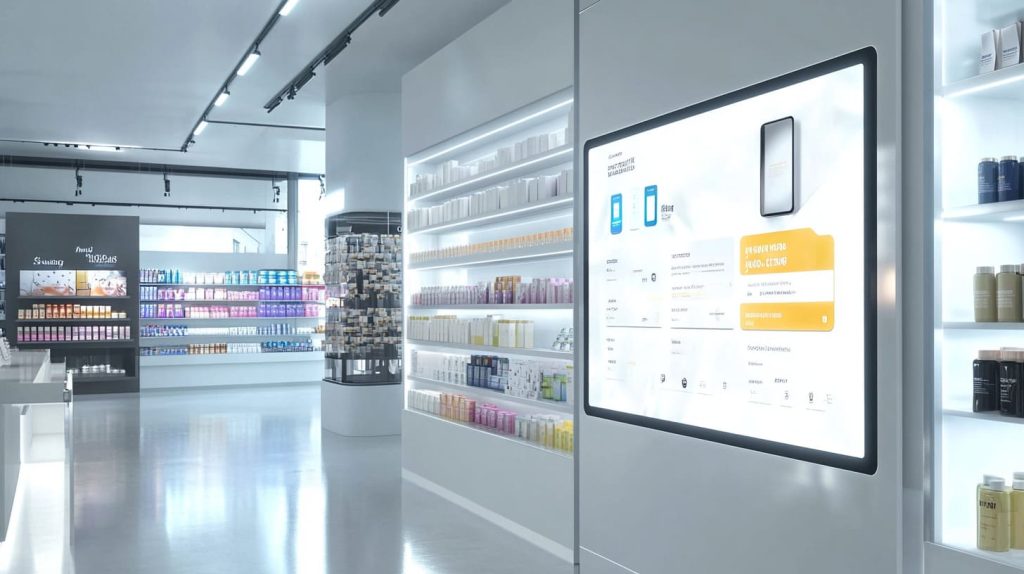
Point-of-purchase (POP) displays have been a go-to in retail marketing for ages, particularly in enhancing brand visibility and driving impulse buying. Retailers must consider spatial limitations and durability issues to ensure the right display is implemented effectively. Addressing these challenges will help guarantee a successful retail experience and forge a long-term legacy.
Space Limitations in Retail Stores
The third challenge to using retail pop displays is the constant shortage of space, which is often a key aspect of the retail environment itself. With all the shelves already committed to products, adding new displays can create tricky placement problems. When purchase displays are set up right in front of stocked shelves, they can obscure and cut off access even more, leading consumers to waste valuable time trying to figure out what the display is supposed to be. This interrupts the seamless flow of the shopping journey. Thus, strategic planning is critical to maximize the use of the limited space that exists, prompting retailers to rethink their store design.
By mapping out high-traffic areas, retailers can set up displays that will garner shopper attention without blocking customers' paths. An eye-catching, well-placed retail display increases product visibility and enhances the overall retail experience. Beyond memorability, it serves as a shopper enabler, giving key eye-catching priority to promotional items and new products. Without a strategic plan, space limitations can work against the effectiveness of these displays, hindering impulse buying opportunities.
Incorporating effective pop marketing strategies is essential for maximizing the potential of retail displays. Retailers must ensure that their displays are not only attractive but also strategically positioned to facilitate a seamless shopping experience. By focusing on compelling display design, they can enhance brand visibility and create a unique retail experience that resonates with modern customers.
Risk of Visual Overcrowding
Retail environments live and die with balance and order. If your POP display has too many items, it will just completely scare off shoppers, and cause the store to feel cluttered and chaotic. When multiple displays vie for attention, the call to action gets muddied, making the overall effect less powerful.
With so many options to choose from, for some shoppers, this visual clutter can be overwhelming – with frustration taking the place of captivating intrigue. Keeping a very clean and organized appearance is key. Retailers can do this by investing in better quality displays that tell a clear, more focused story.
Instead of placing dozens of little POP displays around the store, concentrate on one or two large, eye-catching, creative displays. Using them strategically will leave a much more lasting impact on your customers. This strategy helps maintain an open and welcoming feel to the retail space, but it doesn’t disarm the promotional potential of POP displays.
Short-Term Effectiveness
POP displays can come with a short time span to draw in shoppers and generate movement. After all, the average customer only spends about thirty minutes in a store. Through this limited stop, displays need to convince them to go with one brand instead of another.
Without regular refreshes, displays run the risk of becoming wallpaper, fading into the background over time. To avoid shopper apathy, retailers need to change these displays frequently and test new, breakthrough formats. For example, changing out seasonal themes or adding interactive features can help displays remain fresh and captivating.
Measuring effectiveness is important. By measuring sales data associated with each unique display, brands can judge their ROI from the displays and decide whether to invest in similar campaigns in the future.
Quality and Durability Concerns
The materials used in POP displays seriously affect their lifespan and long-term success. Poor materials can fail after a short period of use, leading to repeated replacements that increase costs substantially. Durable, well-crafted displays don’t lose their aesthetic charm over time.
This feature makes it less imperative to keep refreshing. The upfront investment in high-quality materials has long-lasting cost benefits and drastically improves customer perception. Shoppers will be more inclined to trust and interact with a display that appears polished and well-cared for.
Selecting sustainable materials can make an impact on eco-conscious consumers, but even the most sustainable brands often struggle to balance effectiveness with sustainability.
Maintenance and Repair Issues
Keeping POP displays in top shape is an ongoing task. Eventually, mechanical components can wear out or be broken, particularly in retail environments subjected to lots of foot traffic. Taking care of your displays on a regular basis will help maintain their visual appeal and functionality.
Without proper maintenance, even the best-populated, most visually appealing display is going to begin to take away from the shopping experience. Retailers need to have a planned maintenance cadence that fixes the usual wear and tear, such as a broken piece or torn/faded graphic, as they happen.
Clean, well-maintained displays convey a powerful message of a brand’s dedication to quality and attention to detail. By making maintenance a priority, brands can make sure their displays are always making a great impression and helping them achieve their marketing objectives.
Types of POP Displays
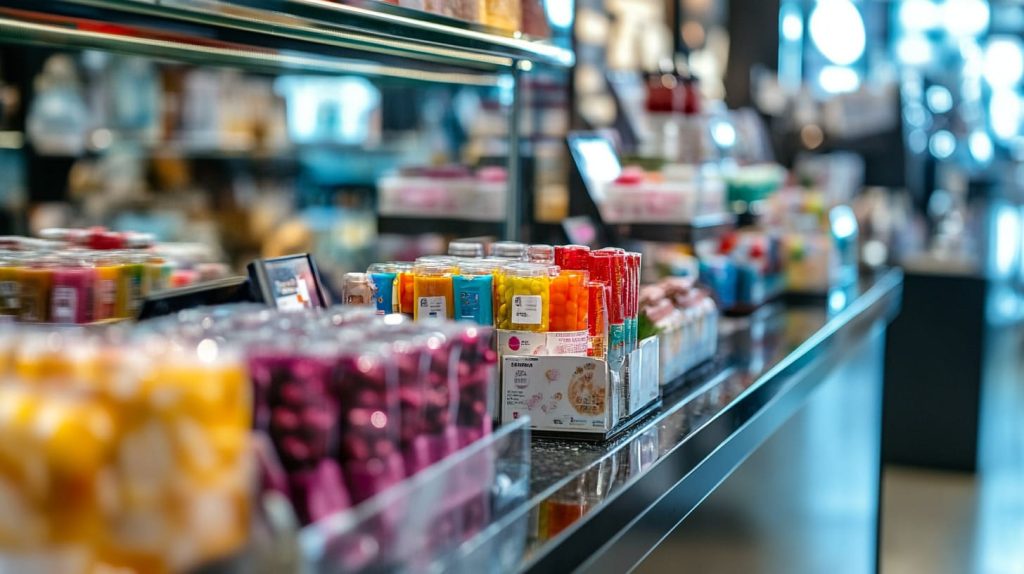
POP displays are an integral part of the retail environment. They are available in a wide range of types to address unique product requirements, marketing objectives, and floor plan applications. They act as your silent salespeople, increasing brand awareness, grabbing consumer attention, and driving sales all in one.
By knowing what types are out there, retailers can make more informed decisions that better serve their objectives and their customers. Below, I dive into the different types of POP displays you’ll most commonly see and the unique advantages each one offers.
Countertop Displays for Small Items
Countertop displays are smaller, short-term displays meant to fit on counters or checkout counters. They’re perfect for little, light products such as candy, lip balm, or gift cards. These displays do an awesome job of snatching up shoppers’ attention in the final seconds of their trip.
Because of that, they usually trigger spontaneous buys. What makes them really effective though, is their visibility and accessibility. Placed at eye level, these displays ensure easy consumer access so customers can pick what they want with little thought needed.
For instance, a well-designed, custom countertop display stocked with travel-sized lotions can hook customers as they queue up for checkout. Retailers can equally take advantage of these POP displays to promote seasonal items, like holiday-themed snacks or limited-edition trinkets.
Considering that 62% of shoppers do not plan to buy anything when they enter the store, countertop displays are one of the best ways to drive last-minute sales. Retailers need to keep them in mind for goods that are inexpensive, impulse-price point, grab-and-go, and easily pocketed.
Floor Displays for Larger Products
Floor displays, often referred to as floor stands, are the most widely used type of retail pop display on the market today. These independent structures are designed to showcase bulkier products, such as electronics, drinks, or cleaning goods. Their size and structure enable them to carry more inventory while maintaining a clean and attractive presentation that enhances the customer experience.
The biggest benefit of retail displays like these is their ability to draw shopper attention. When placed in large, open retail environments, they become visually dynamic, guiding the eye and enticing customers to engage. A colorful floor display featuring a popular new line of headphones can significantly boost product sales.
This entices them to learn more about the product features! Strategic placement, like near store entrances or in the center of busy aisles, increases their power even more. Retailers frequently use floor displays for higher ticket items or promotional bundles.
Semi-permanent versions, which last a year or more, are excellent for longer, more established campaigns, while temporary versions are ideal for short-term promotions and impulse buying opportunities.
Endcap Displays for High-Traffic Areas
Endcap displays, or endcap displays, placed at the end of aisles take advantage of these high-traffic areas to create the most visibility. These displays are particularly successful for showcasing seasonal items, promotions, or top-selling products.
A supermarket could use an attractive endcap display to feature Thanksgiving-themed baking goods. This intentional placement increases visibility and encourages sales. Their strategic advantage is that they can intercept shoppers who are just passing through the store.
Unlike in-aisle displays, endcaps are very noticeable. They pop out and are impossible to overlook. This makes them a perfect option for advertising limited-time offers or building brand recognition. Retailers should consider endcaps to be in-store mini billboards.
When they focus on keeping the design simple and the messaging straightforward, they’re able to instantly grab attention and convey value.
Digital Displays for Interactive Engagement
The advent of digital technology has added a new layer to retail pop displays. Digital displays combine screens, touch panels, and sensors to create dynamic, interactive experiences that leave a lasting impact. They serve as excellent marketing solutions for today’s retail environments, where modern customers seek more customized shopping experiences.
Digital displays provide real-time updates to customers, such as flash sales or changes in stock. A clothing retailer can attract shopper attention with an interactive digital purchase display that showcases innovative outfit combinations, enabling shoppers to scan the inventory at a glance.
These features educate and inspire customers to engage, creating a more impactful retail experience. Retailers can utilize digital displays to highlight products that require more explanation or offer a level of customization that enhances the product experience.
The upfront investment can be more expensive, but the long-term return on investment is invaluable. Better customer engagement and better data collection usually pay for it.
Temporary Displays for Seasonal Promotions
Temporary retail pop displays are a popular option for seasonal campaigns, designed for short-term use lasting a couple of weeks to three months. These displays are often portable and relatively easy to set up, working wonders in creating a sense of urgency with limited-time offers like holiday gifts or back-to-school items. Their ability to grab shopper attention makes them a valuable part of any retail marketing strategy.
The versatility of a temporary purchase display allows retailers to change them frequently, easily replacing Halloween-themed candy displays with Christmas goodies. This adaptability is what makes them a budget-friendly choice for capitalizing on seasonal trends. Retail partners who want to maximize profits during seasonal rushes should commit to implementing pop displays.
The power of these displays to generate excitement and stimulate impulse buying can’t be overstated, making them essential for an engaging retail experience.
Adapting POP Displays to Modern Trends
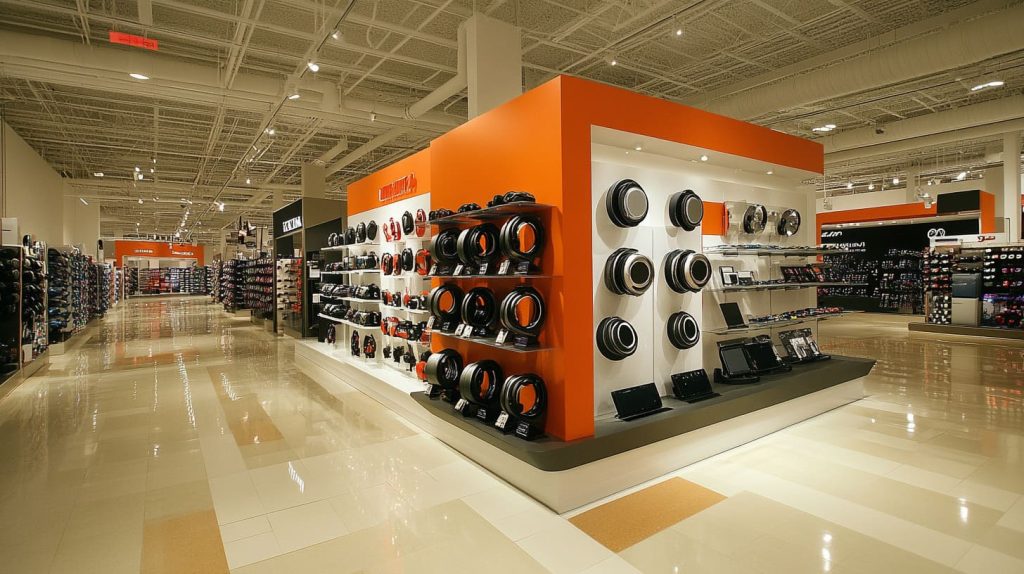
Point-of-purchase (POP) displays are still an essential tactic for capturing attention and shaping in-store shopping behaviors. Consumer preferences are never static, and technology is advancing at a lightning pace. Retailers need to be proactive in adapting their display strategies to key modern-day trends.
Retailers will find that by focusing on innovation and staying in step with shopper expectations, they can maintain POP displays’ effectiveness. They need to make sustainability part of their marketing playbook.
Align with Evolving Consumer Preferences
Understanding how consumers think is crucial for creating memorable retail pop displays. A recent survey revealed that 32% of shoppers enter stores without a shopping list, and an impressive 82% make their purchasing decisions in-store. This highlights the importance of displays that not only capture shopper attention but also inspire impulse buying. By implementing effective pop marketing strategies, retailers can significantly increase product sales and enhance the overall retail experience.
On average, consumers spend about $5,400 annually on impulse purchases. By adapting retail displays to align with shopper trends, brands can potentially double or even triple their sales figures. Today's shoppers are looking for displays that reflect their personal style, lifestyle, and values, making it essential for retailers to focus on compelling display designs.
Millennials and Gen Z represent the largest consumer groups today, actively seeking brands that align with their values. For example, 62% of millennials and 50% of Gen Z prefer brands committed to sustainability. Retailers that incorporate these preferences into their custom displays are more likely to engage their audience effectively.
Personalization plays a significant role in this context. Displays featuring relevant messaging and attractive designs contribute to a unique retail experience, ultimately enhancing consumer shopping habits and driving sales.
Integrate Technology for Better Engagement
Including technology as part of POP displays creates possibilities for more dynamic interactivity. For example, QR codes provide immediate access to in-depth product information, current promotions, and product reviews. Touchscreen displays allow you to dynamically explore products in a way that attracts customers.
These fun features bring value as well as compel shoppers to linger longer interacting with the display. The average American spends 46 minutes grocery shopping! By incorporating tech-based features, we can hold their attention in more meaningful ways during those few minutes.
Whatever that may look like for their retail experience, retailers should dive into creative tech solutions that fit their brand and consumers. For example, augmented reality (AR) can let customers visualize products in their homes, while digital screens can showcase dynamic content.
Whether it’s augmented reality, artificial intelligence, or interactive sensory experiences, these innovations help products cut through the clutter.
Use Sustainable and Eco-Friendly Materials
Today, sustainability is not a nice-to-have, but an imperative. Consumers are putting more pressure on their favorite brands to go green. Employing 100% recyclable corrugated cardboard for POP displays reduces environmental impact by 40%.
Best of all, it aligns with consumer values. This practice is not only good for brand perception, but it moves the needle toward building long-term loyalty. Retailers willing to adapt to trends like sustainability will come out on top in the crowded retail marketplace.
For instance, POP displays made with an awareness of the environment are often able to catch the eye of eco-friendly shoppers. These displays serve as a testament to the brand’s commitment to sustainability. They’re very good at building trust and reflecting consumer values.
Personalize Designs for Target Audiences
Tailoring POP displays to specific customer demographics, such as young shoppers versus seniors, can create a more thoughtful and engaging experience. The new three-dimensional display explodes with rich colors and culturally relevant imagery. Then it can really start to hit home with the audience.
This method of using shopper data makes the display more relevant and impactful to the shopper. Retailers would do well to let the answers guide their designs, utilizing thorough market research to drive their designs.
Understanding factors like age, location, and shopping habits allows for the creation of displays that speak directly to the intended audience. Personalized messaging is just as crucial. Whether it’s through different language, different visuals, or different product placement, targeted displays can create more engagement and, eventually, more sales success.
Effective Strategies for POP Display Placement
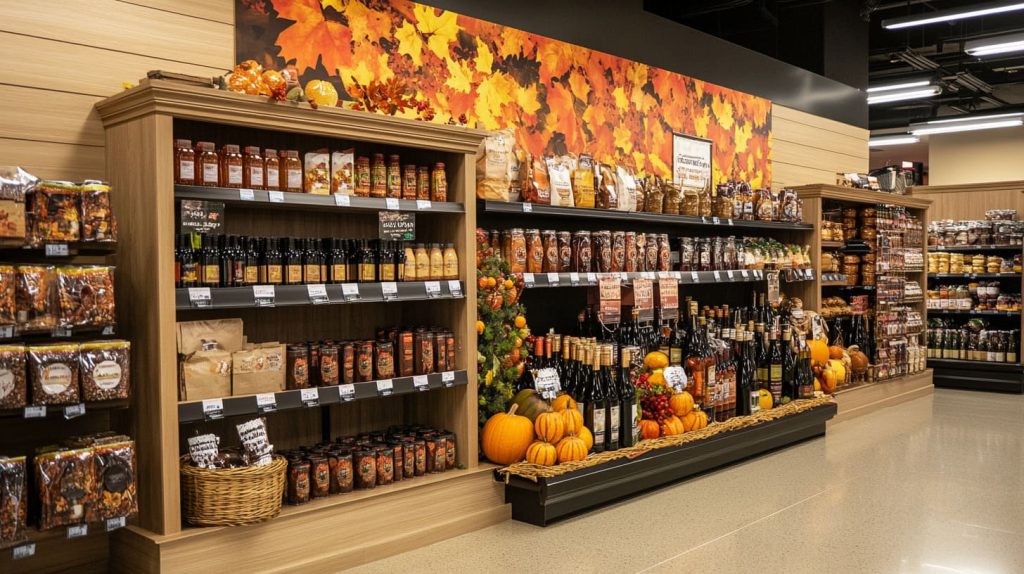
POP (Point of Purchase) displays are critical in any retail environment. They are, in a sense, silent salespeople, tasked with grabbing the customer’s attention, focusing their engagement, and, ultimately, influencing their path to purchase. To get the most out of your POP displays, it is necessary to think about how to strategically place them within the store.
Getting effective placement strategies right does more than just make your displays visible – it contributes to a better customer journey and higher sales potential. Here are effective strategies for finding the most effective POP display placement, separated into takeaways to help inform your display strategy.
Position in High Traffic Zones
High-traffic areas like checkout lines and entrances are prime real estate for retail pop displays. These hotspots, including store entrances and central aisles, are locations where consumers are already inclined to walk. By strategically positioning purchase displays in these popular zones, retailers can maximize exposure and engagement with their products.
A prominent display of seasonal products, such as holiday-themed snacks and summer beverages, effectively cuts through the noise. Customers find it nearly impossible to resist stopping and browsing as they pass by these attractive displays. Placing displays in these areas not only captures shopper attention but also leverages impulse buying psychology.
Shoppers are often impulsive consumers; studies indicate that 62% of shoppers make an impulse purchase when they encounter something intriguing while browsing. To capitalize on this behavior, understanding foot traffic patterns within the store is crucial. Tools like heat maps and customer flow tracking can help identify zones with the most foot traffic, ensuring that displays are optimally placed for maximum impact.
Optimize Visibility Near Checkout Areas
The checkout area is yet another smart place to deploy POP displays. Consumers in the checkout queue or at checkout are more likely to see items placed at the point of sale and pick them up. This is a perfect location for smaller products that are quick to grab and go, such as candy bars, magazines, or special promotional products.
In reality, 16% of all unplanned purchases are immediately affected by in-store promotions, so this placement is extremely effective. This is where the design of the display becomes a major player. Bright colors and large action-oriented verbs such as “Buy Now” or “Try Today” really pop.
Creative elements like animation or sound can help push customers over the line on impulse buys. Retailers can opt to change these displays regularly, perhaps with a seasonal theme or limited-time in-store offer to keep them dynamic and attention-grabbing.
Leverage Complementary Product Placement
When you group related products together in a POP display, you set yourself up for cross-selling opportunities. By placing coffee pods next to coffee makers, you encourage consumers to purchase both products. The same goes for pairing chips with salsa—this underscores the savings of buying them together.
This strategy increases sales and improves the overall shopping experience by delivering easy-to-find solutions. Building displays around similar themes, like a “game night” display with snacks, drinks, and board games, can give displays an added punch.
Retailers need to look at the relationship between their products. Only then can they develop displays that really speak to the customer’s story or needs.
Test Different Locations for Best Results
The most effective POP display placement is best found through experimentation. By testing various locations under one roof, retailers can identify surprising new ways to reach and attract shoppers. If the display is promoting a single item, put it in front of the aisles that have shelves filled with that item. This makes it more convenient for shoppers to locate and buy the product!
Analyzing sales data should be the first step in this process. Sales lift, conversion rates, and customer feedback are just a few metrics that can help you determine what’s working and what’s not.
A trial and error mentality, along with frequent re-evaluation to account for new trends and seasonal promotions, keeps the displays striving for the best results possible.
Are POP Displays Right for Your Business
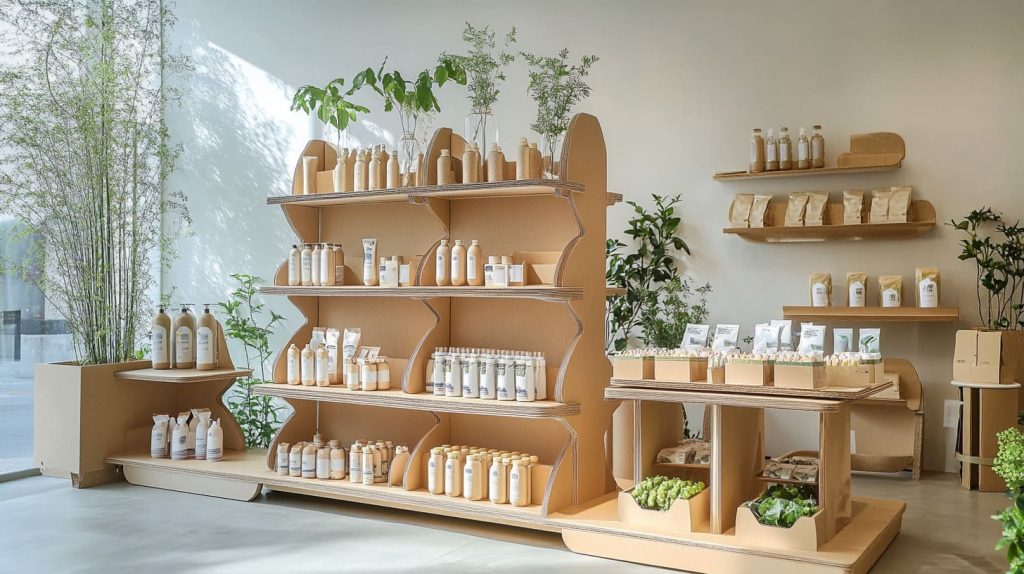
Before rolling out point-of-purchase (POP) displays, consider how they will contribute to your business objectives. Think about what your audience would want and what you have the capacity to create. When executed well, POP displays can be a compelling force to move merchandise off your shelves and increase market visibility for your brand. Their success depends on meticulous planning and precise execution.
Here’s a look at the top six considerations that every business should be weighing. Let’s see if POP displays are the best option for their business!
Assess Your Target Audience Needs
Knowing your customers is fundamental to any successful marketing endeavor — and that includes POP displays. Understanding your customer preferences, shopping habits, and behaviors is essential to creating POP displays that will really connect. A store looking to attract the latest tech innovators can succeed with a simple, sleek display.
Focusing on just one SKU, like a new electronic device will definitely get their attention. A drug store can be successful by featuring a display that highlights a new value-packed cluster of SKUs. For instance, a themed snack bundle will grab customers' attention and increase sales.
This is where market research becomes essential. Surveys, focus groups, and even informal walks across your target market can help you know exactly what will stand out and draw in your audience. Custom POP displays not only boost customer interaction but build brand recognition as well.
Creative designs that highlight sustainability programs win over eco-conscious shoppers. Displays that are big, bright, colorful and emphasize a deal such as “buy one, get one” encourage impulse buys.
Evaluate Available Store Space
Ideally, POP displays should flow naturally into your store’s overall design. Evaluating your physical space helps make sure the setup is convenient and works effectively enough to draw attention. In cases of petite retail environments, smaller counter displays can be more effective than floor-standing displays.
For example, a strategically placed display near checkout counters can capitalize on last-minute buying decisions. Maximizing layout is just as important. A haphazard, cluttered setup can wash out even the most impressive display, but an orderly, considered arrangement showcases without distraction.
Additionally, think about the flow of customer traffic so you can figure out how to place them in the most effective locations to drive high visibility. Space constraints shouldn’t stop the creative process—even the smallest of spaces can accommodate effective, attention-grabbing POP Displays.
Consider Your Marketing Budget
Budget limitations frequently dictate what marketing initiatives are feasible, making it crucial to align your purchase display efforts with your existing finances. Cost-effectiveness should be a guiding principle. If you’re working with a small budget, prioritize the retail displays that will yield the greatest return on investment.
Highlighting your most popular products or seasonal promotions can create a significant impact. One of the standout features of POP marketing is its versatility, allowing businesses to create displays that suit various budgets. They can be constructed simply with cardboard and paint or elaborately with reclaimed lumber and steel, depending on your vision.
These displays drive foot traffic to stores, helping to eliminate delivery charges and subscription fees. When combined with their adaptable nature, this strategy makes them a wise, cost-friendly investment for boosting product sales.
Align with Overall Branding Goals
Brand consistency is one of the most important aspects of branding. Your POP displays need to reflect who your brand is. Just be sure to keep all the colors, fonts, and general vibe in line with your other marketing assets. This integrated method makes for a better shopping experience and cultivates loyal customers while building brand image.
Well-designed displays can be great touchpoints to keep messaging consistent and your brand story direct and easy to understand. For example, if your brand emphasizes sustainability, a display promoting eco-friendly products reinforces your values and connects with like-minded consumers.
Integrating these strategies into wider marketing initiatives makes sure your displays are working towards longer branding goals.
Conclusion
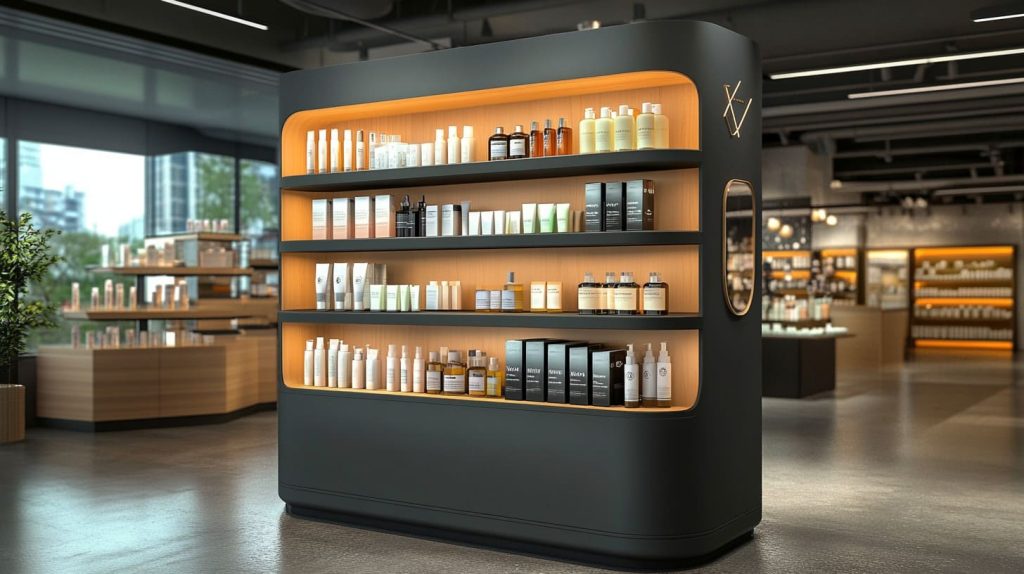
POP displays are still effective if utilized intelligently. They capture attention, showcase products, and create a seamless shopping experience. The trick though is keeping them original and tailoring them to your brand and your audience. Trends definitely change quickly, and displays have to reflect what is hot and in demand today. Adding some digital tech or creative designs can take them even further.
Consider your needs, budget, and available space before diving in. Experiment to see what works best for your shoppers. A creatively conceived and strategically located display not only helps increase sales but also helps retailers cultivate a deeper relationship with shoppers.
If you’re serious about making your business thrive and being the best at what you do, don’t underestimate the great potential of POP displays. They aren’t just tools—they’re a sign of opportunity. Don’t blame them—do something to make the most of them.