Skip to content
When it comes to product display boxes, the material choice can make all the difference. The right material not only affects the visual appeal but also impacts the durability, cost, and practicality of the display. Whether you're setting up a display in a high-end boutique or preparing for a trade show, choosing the right material is crucial to ensure that your product is presented in the best light possible.
There are several types of display boxes out there, and they’re used in a variety of settings, from retail stores to exhibitions, and even in storage. Let’s dive into the most popular materials and explore what makes each one unique.

Common Materials Used for Product Display Boxes
Acrylic
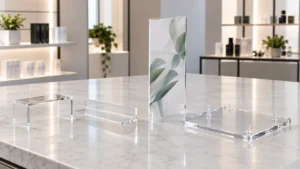
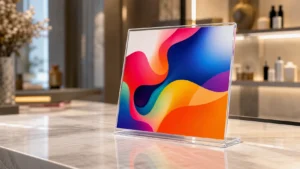
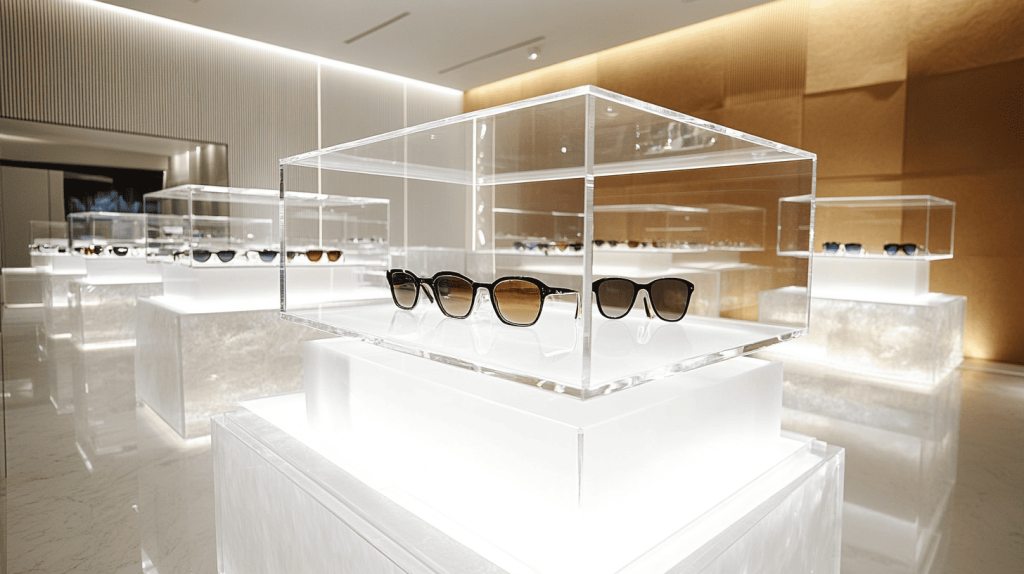
Acrylic is one of the most commonly used materials for display boxes, and it’s easy to see why. This material is transparent, durable, and offers excellent clarity. It gives off a sleek, polished look, which is why it’s often used in retail environments to showcase products. The smooth, glass-like finish enhances the visual appeal of whatever it holds—be it cosmetics, tech gadgets, or collectibles. And the best part? It’s also lighter and more resistant to shattering than glass, making it safer and more versatile for various applications.
Acrylic display boxes are widely used in stores, exhibitions, and offices. I’ve seen firsthand how they can transform an ordinary product into something that looks professionally curated. There’s a certain finesse that acrylic brings, making it ideal for showcasing products that need to stand out.

Wood
Wood offers a completely different vibe from acrylic. If you’re going for something rustic or want a display box that feels more natural and earthy, wood might be the perfect choice. Wood is often seen in antique shops or high-end boutiques. It adds a warmth and depth to the display, which acrylic or metal might not be able to replicate. There’s also a certain timeless quality to wood that can make a product feel more premium.
Think about a luxury watch displayed in a handcrafted wooden box, or a vintage piece showcased in a wooden display that highlights its history. It’s all about creating the right atmosphere. Wood is particularly popular when brands want to align their displays with themes of sustainability or authenticity.
Metal
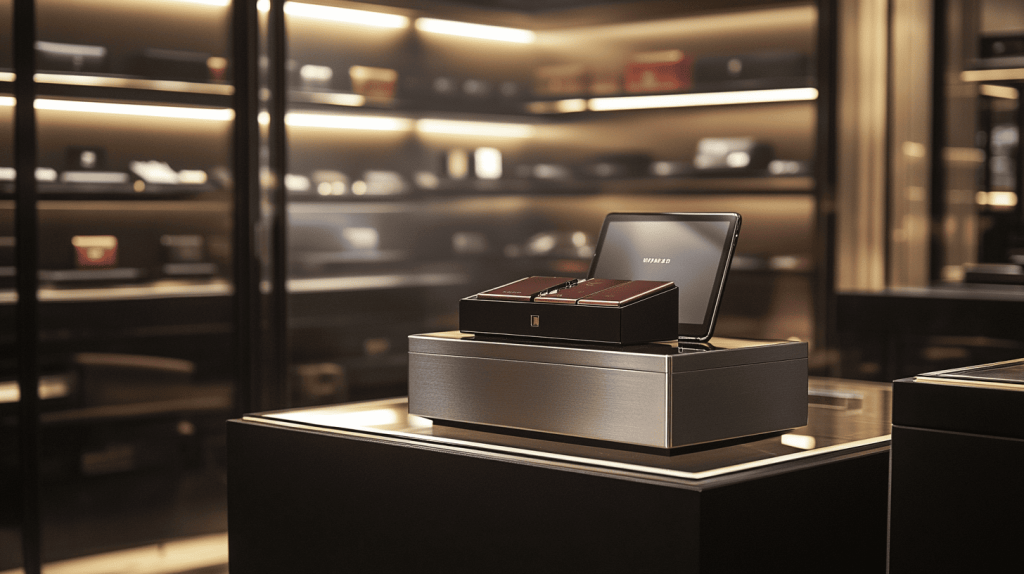
Metal is robust, sleek, and modern. It’s often used for high-end products or in spaces that want to project an image of strength and sophistication. If you're working with electronics, jewelry, or anything that needs a strong, secure presentation, metal display boxes are a solid choice.
For example, think about a high-end smartphone displayed in a steel or aluminum frame. The metal frame not only adds a touch of modernity but also offers security, which is important for items with high value. Metal display boxes are also easier to customize with different finishes, like brushed, matte, or polished, which gives you a lot of flexibility depending on the product you're displaying.

Cardboard and Paperboard
While cardboard and paperboard might not have the sleekness of acrylic or metal, they’re a popular choice for temporary displays or promotional campaigns. These materials are lightweight, easy to print on, and extremely cost-effective. For businesses working with tight budgets or planning short-term events, cardboard is a great option.
Think about the display boxes you see at trade shows or on sale racks in retail stores. They’re often made of cardboard, designed to be lightweight and easy to transport, while still showcasing the product clearly. Plus, in today’s world, cardboard and paperboard are often made from recycled materials, which adds an eco-friendly appeal to your display.
Glass
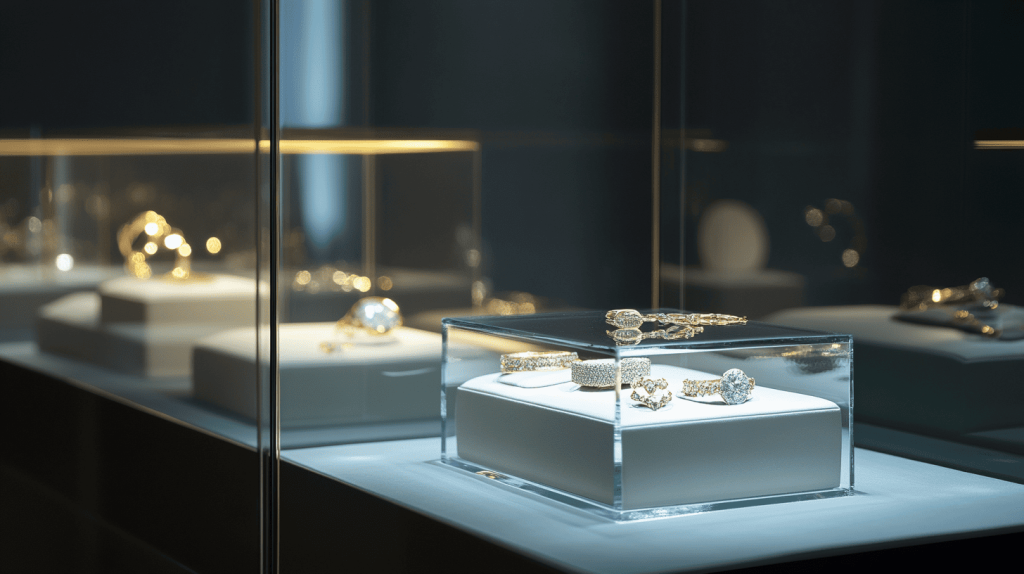
Glass is the go-to choice for luxury displays. If you’re showcasing a high-end product, you can’t go wrong with glass. It provides an ultra-clear view of the product, giving it an elegant and refined look. Glass display boxes are commonly used for jewelry, luxury watches, and fine art.
The downside? Glass can be heavier and more fragile than other materials, but the payoff is in the premium aesthetic it provides. A glass display box can make a product feel exclusive, elevating its perceived value and adding an air of sophistication to any display environment.

Factors to Consider When Choosing Materials for Display Boxes
Choosing the right material is not just about the look; it’s also about how well the material aligns with the product and the environment. There are several factors you should take into account to make sure you’re selecting the best material for your display box.
Durability
Durability is essential. A display box needs to withstand handling, transportation, and even the occasional bump or knock. If you’re dealing with a fragile product, you might want to go with a sturdier material, like acrylic or metal. For lightweight or temporary products, cardboard might suffice. But for anything that needs to last and keep its shape over time, materials like acrylic or wood are your best bets.
Aesthetic Appeal
Let’s face it—how your product looks is everything. The material you choose should enhance the visual appeal of the product. If you want something modern and sleek, acrylic or metal might be the way to go. For a more organic, rustic feel, wood could provide the perfect backdrop. The right material will complement your product’s branding and help convey the right message to your target audience.
Weight and Mobility
If your display box needs to be moved around often, then weight is something you’ll need to consider. Acrylic and cardboard are lightweight, making them easy to move. However, glass and wood can be heavier, which may make them less practical for displays that need frequent adjustments. Think about your display’s location and how often it will need to be transported when choosing the material.
Cost and Budget Considerations
Let’s be real: budget is always a factor. Some materials, like acrylic and metal, can be more expensive, while others, like cardboard, are more budget-friendly. If you’re working with a tight budget, it’s important to balance cost with functionality. It might be tempting to go with the cheapest option, but consider the longevity and quality of the display box as well.
Environmental Impact
With growing concerns about sustainability, it’s worth considering the environmental impact of the materials you choose. Acrylic, wood, and cardboard all have different environmental footprints. Acrylic is durable but not biodegradable, while wood and cardboard can be sourced sustainably. If you’re working with an eco-conscious brand or event, selecting materials that are recyclable or biodegradable might be a priority.
How to Choose the Right Material for Your Product Display Box
Now that we’ve covered the common materials and factors to consider, let’s talk about how to choose the right one for your specific needs.
Type of Product Being Displayed
Not all products are created equal. The type of product you’re displaying will influence your material choice. If you’re showcasing delicate items, like jewelry or electronics, you may want to go with a material that offers both durability and visibility, such as acrylic or glass. For larger items, such as home goods or artwork, wood or metal might be more appropriate.
Target Market and Retail Environment
Think about where your display box will be placed. Is it in a high-end retail store, or is it for a pop-up shop? The material you choose should align with the environment and the target audience’s expectations. A chic, modern boutique may favor acrylic or metal, while a vintage store might opt for wood.
Customization Options
Customization is key. Depending on your product and branding, you may want a display box that can be tailored to fit your needs. Acrylic, wood, and metal can all be customized in various ways, from size to color to engraving. This flexibility allows you to create a display box that perfectly represents your brand and complements your products.
Conclusion
Choosing the right material for your product display box is more than just a practical decision—it’s a key part of the branding and customer experience. Whether you opt for the clarity and durability of acrylic, the rustic charm of wood, or the luxury of glass, the material should align with your product, your brand, and the environment it will be displayed in. Take the time to weigh the pros and cons of each material, and consider factors like durability, aesthetics, and budget. With the right choice, your product display box can become a true reflection of your product’s value.