Skip to content
Blocking acrylic can feel like a mystery. You've just spent hours on a project, and the last thing you want is to melt your masterpiece.
You can block acrylic yarn using heat-based methods like steam or simulated blocking techniques, but you need to avoid direct heat or excessive pressure.
The moment your project leaves the hook or needles, it rarely lies flat. Corners curl. Edges ripple. Shapes just won’t stay put. That’s usually when the question kicks in—how do I block this without making a mess of it?
What is the best method of blocking acrylic yarn?
Not all blocking methods are created equal—especially with plastic-based fibers.
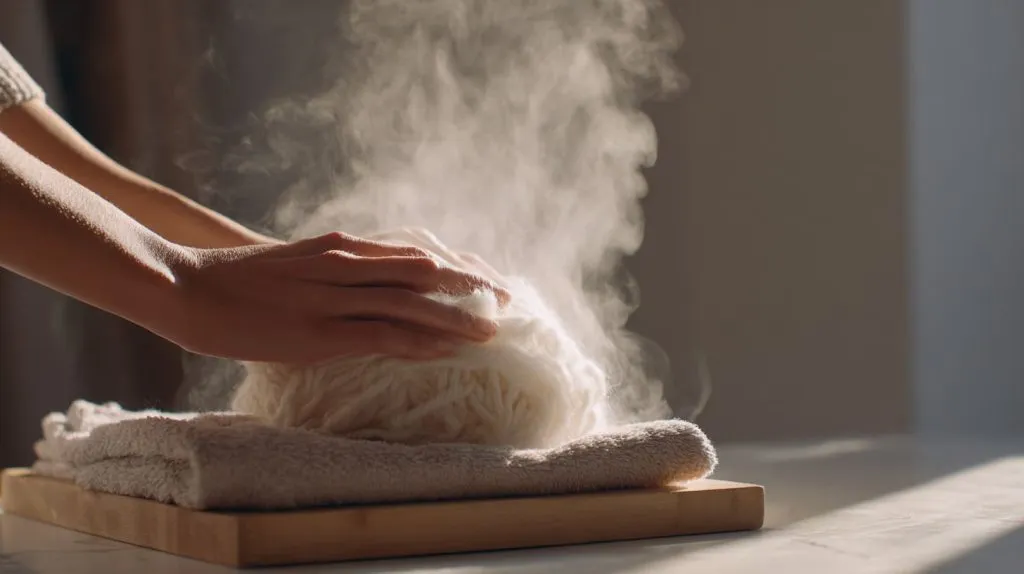
Steam blocking with a safe buffer (like a towel) is the most reliable method for acrylic yarn.
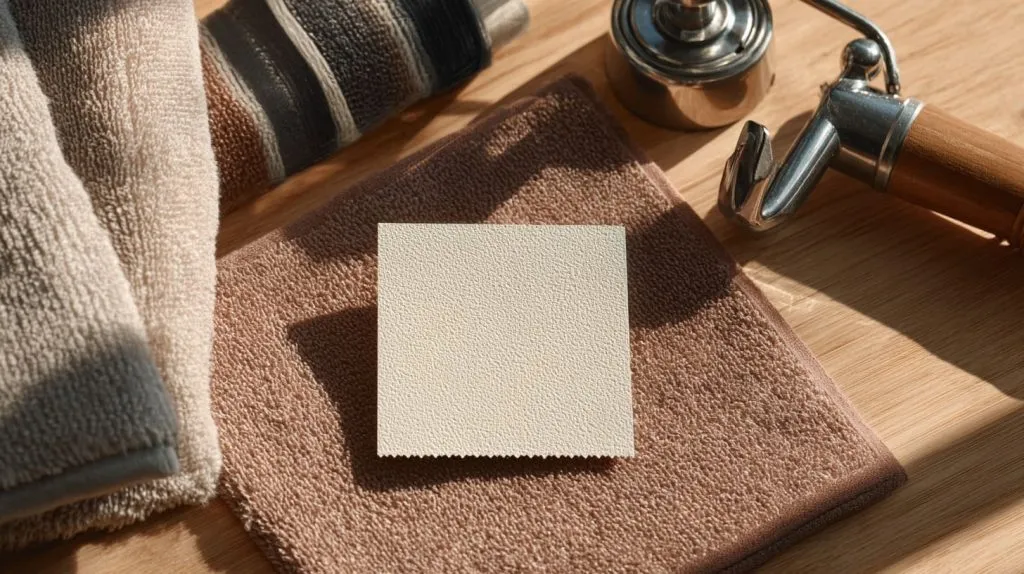
Why steam blocking works
- Acrylic responds to heat shaping, not moisture like wool.
- Steam helps “kill” the yarn just enough to hold its shape.
Here’s a side-by-side of three common methods:
| Method | Works on Acrylic? | Risk Level | Results |
|---|---|---|---|
| Wet blocking | ❌ No | Low | Temporary |
| Steam blocking | ✅ Yes | Medium | Long-lasting |
| Ironing directly | ⚠️ Risky | High | May ruin yarn |
Tip: Always test on a swatch before steaming your final project.
Can you use a hairdryer to block acrylic yarn?
I actually tried this on a rushed weekend project once. It kind of worked. Kind of.
Yes, you can use a hairdryer, but only as a low-heat alternative and with a damp cloth.
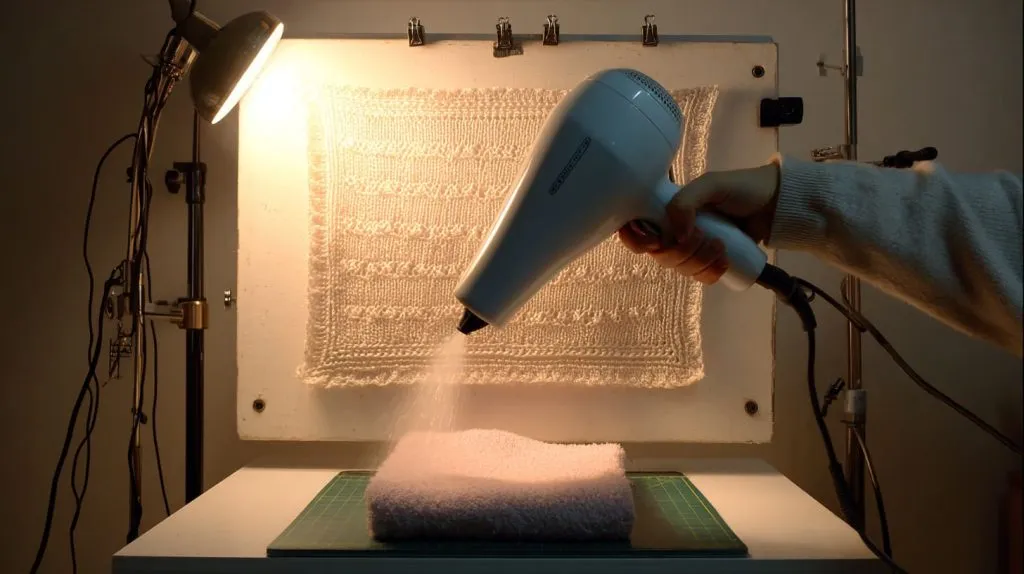
It’s not ideal for large projects, but it’s surprisingly helpful for small corrections—like curling edges or uneven stitches. I use it when I don’t feel like firing up the iron.
Hairdryer trick for beginners
- Pin your project flat.
- Place a damp towel on top.
- Blow-dry gently from above (don’t touch the yarn).
Is it better to steam block acrylic yarn?
Most of the time, yes.
Steam blocking is better because it reshapes acrylic fibers permanently without soaking.
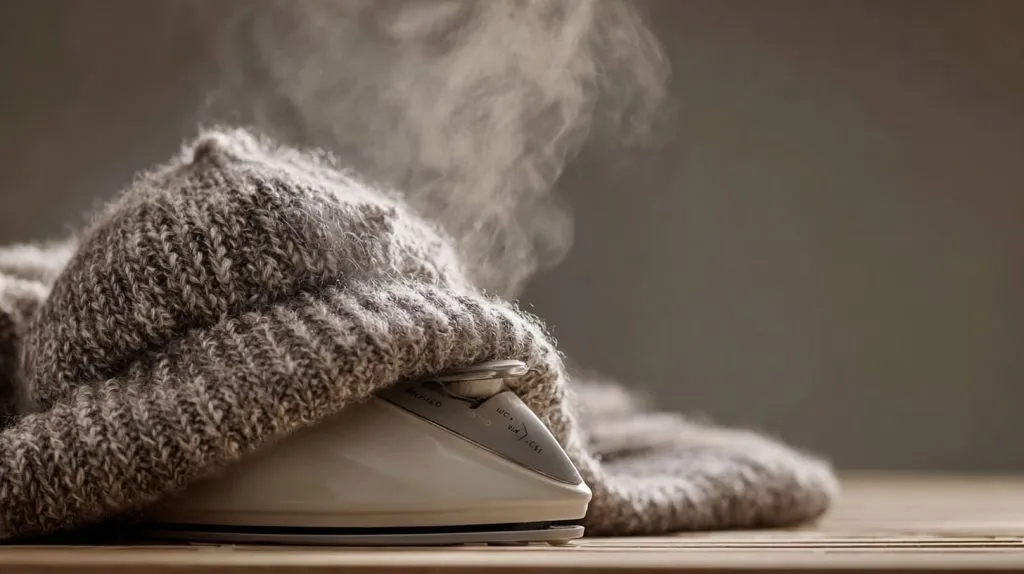
I always tell people—acrylic isn’t like wool. It doesn’t “relax” with water. It “remembers” heat.
Why I trust steam
Steam is forgiving. Even if you mess up slightly, you can fix things. Just never touch the fabric directly with a hot iron. Use a towel or hover the steamer.
Why do knitters hate acrylic yarn?
That’s a spicy one. I've heard all kinds of opinions in craft groups.
Some knitters dislike acrylic because it lacks the bounce, breathability, and softness of natural fibers.
But here’s the thing: acrylic has improved. A lot. And not everyone can afford $30-per-skein merino.
Pros vs Cons table
| Acrylic Yarn Pros | Acrylic Yarn Cons |
|---|---|
| Affordable | Less breathable |
| Easy to wash | Not biodegradable |
| Comes in many colors | Can feel plasticky |
I use acrylic when making toys, home décor, or bulk orders. It’s not perfect—but it’s practical.
Does acrylic yarn soften after blocking?
Yes. Not magically, but noticeably.
Acrylic yarn softens a bit after heat-blocking, especially if you use steam.
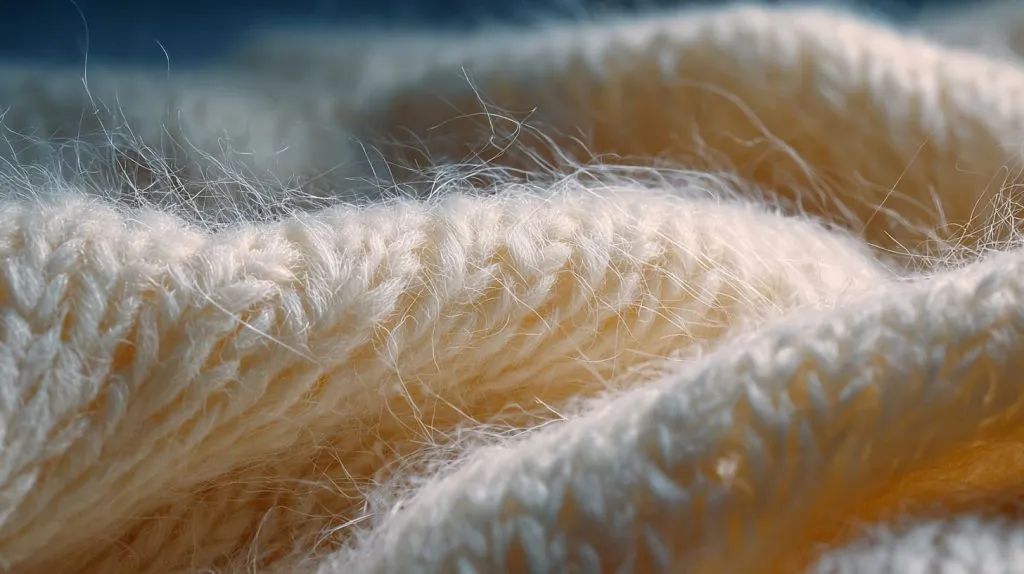
If it still feels stiff, you can add fabric softener to your rinse water. Just don’t expect cashmere softness.
What does it mean to block acrylic yarn?
Let’s clear up the jargon.
Blocking acrylic yarn means shaping and setting your project using heat to lock in the final form.
You’re not just flattening it—you’re sculpting it. The heat changes how the fibers sit. Once set, they stay that way. That’s why blocking matters so much with uneven edges or lumpy stitches.
Can you steam block 100% acrylic yarn safely?
Yes—but keep your distance.
You can steam block 100% acrylic safely by hovering your steamer or iron and using a damp cloth as a buffer.
I once scorched a granny square by touching it directly with the iron. Never again. Think of acrylic as a shy material—it needs space.
What’s the best method for blocking acrylic crochet projects?
Crochet reacts a bit differently than knit.
Steam blocking is still the best method, especially for lacy or decorative crochet pieces.
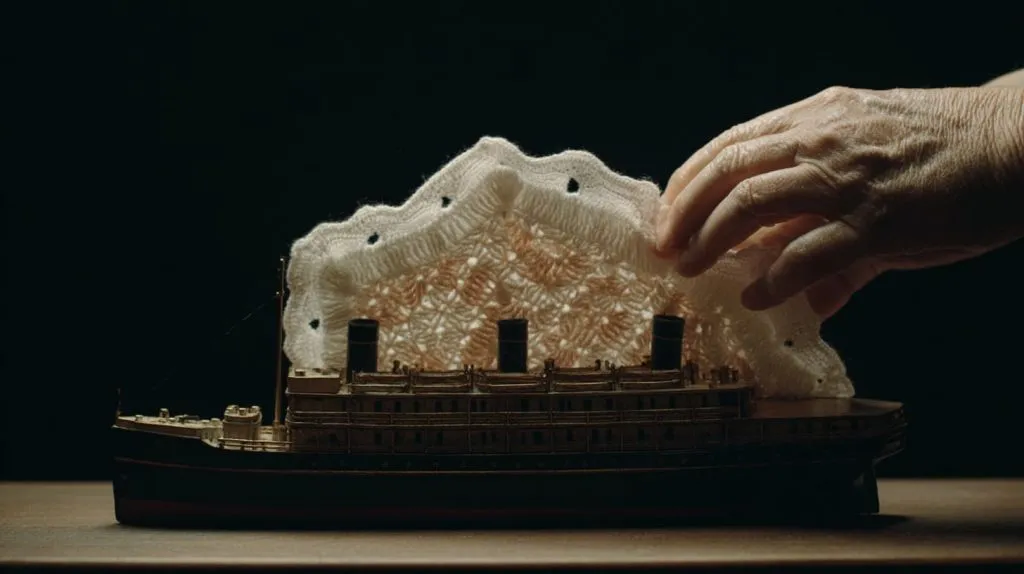
Here’s a quick checklist I follow:
- Use rust-proof pins.
- Pin every loop (yes, every one).
- Let it cool completely before unpinning.
Blocking can take a wobbly square and turn it into art.
Why is blocking important for acrylic knitted items?
Because tension lies. No really—it does.
Blocking helps even out stitches, flatten edges, and give structure to acrylic knits.
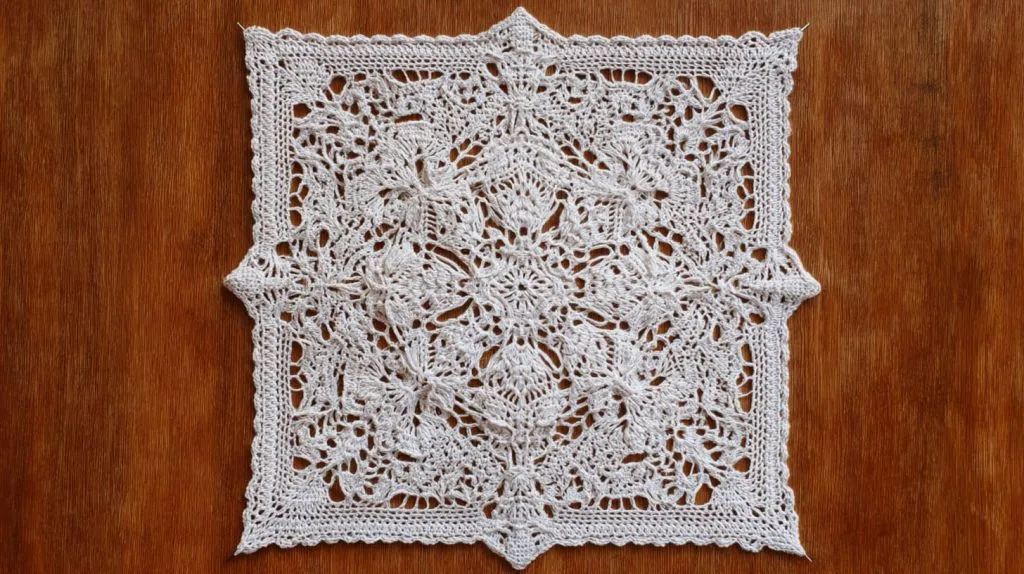
I once made a baby sweater that looked like a potato sack. After blocking? Magazine-worthy. Well, almost.
How do you fake block acrylic if traditional methods don't work?
Let’s say you don’t have an iron. Or you’re in a rush.
You can fake block acrylic by dampening it, pinning it flat, and using a hairdryer on low.
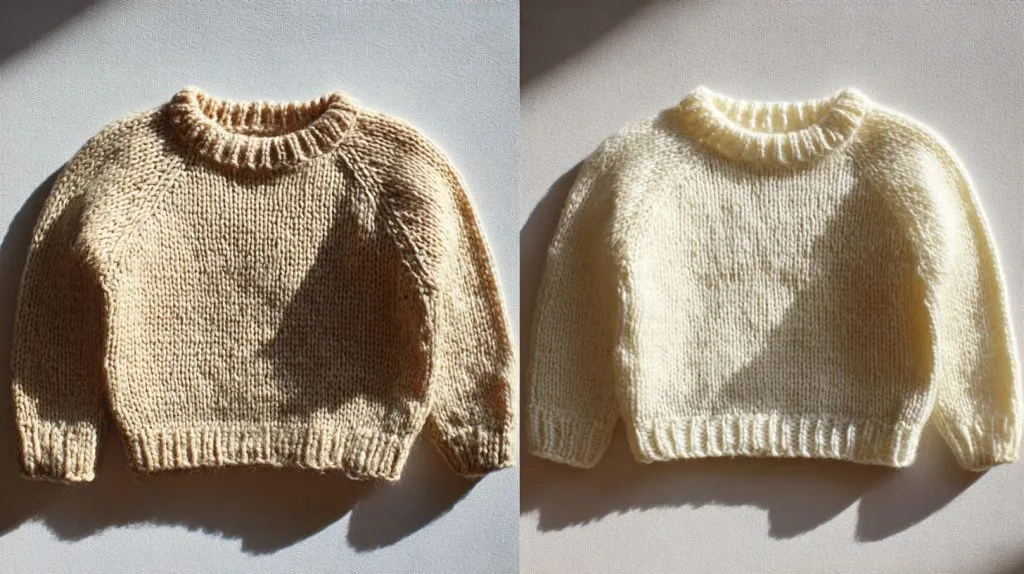
It’s not perfect, but it helps the fabric settle. Especially for amigurumi or accessories that don’t need perfection.
Should I use heat or water when blocking acrylic yarn?
Always go with heat.
Acrylic responds to heat, not water—so use steam, not soaking.
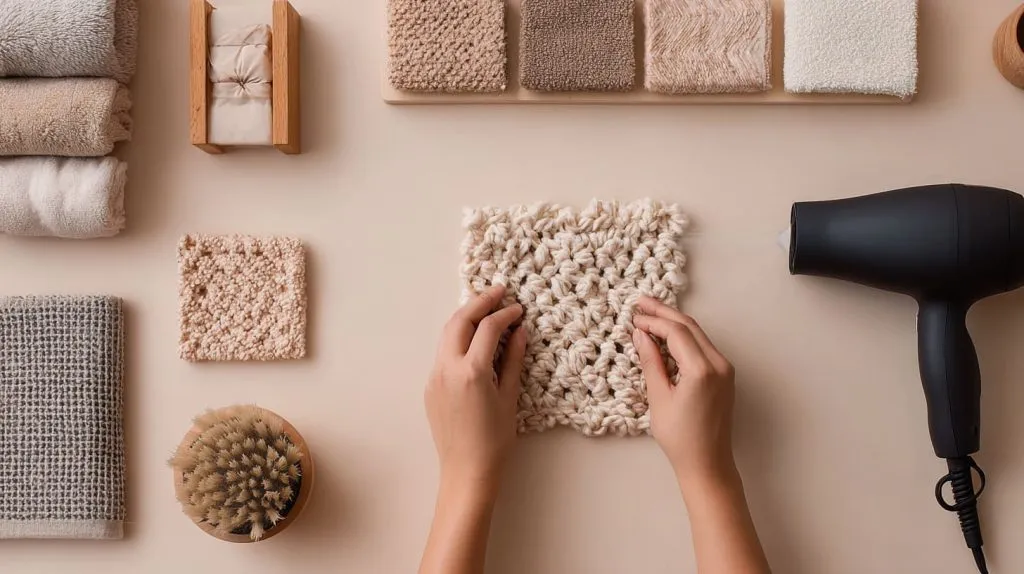
Water doesn’t do much except make it look neat for a few hours. Heat is how you get real, lasting results.
Can you block acrylic yarn with an iron?
Technically yes—but you have to be very careful.
Yes, but only if you never let the iron touch the yarn directly—hover or use a damp cloth.
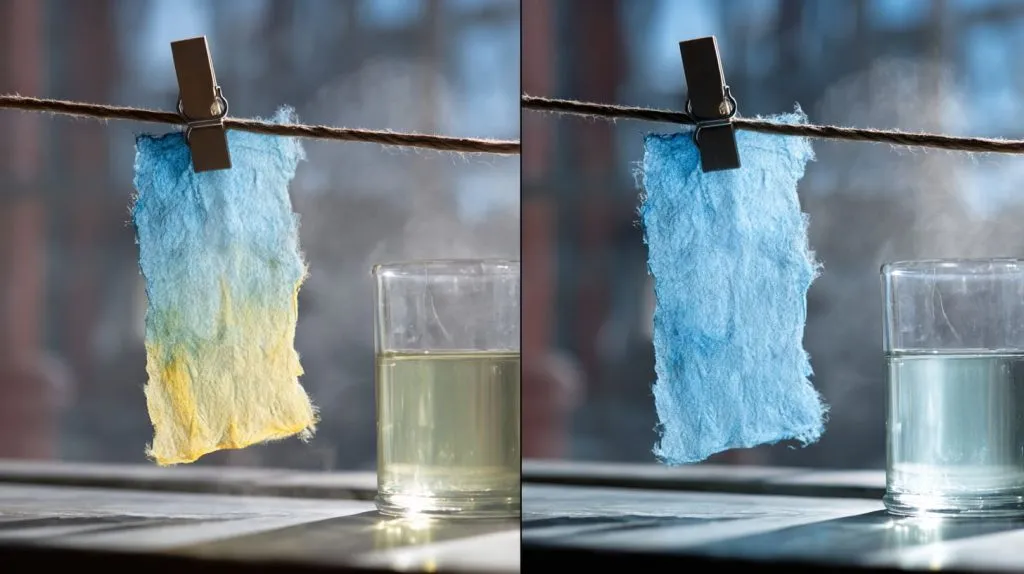
I treat my iron like it’s radioactive when blocking. It’s always hovering, never pressing.
Does blocking acrylic yarn change the stitch definition permanently?
Yes—and that’s both good and bad.
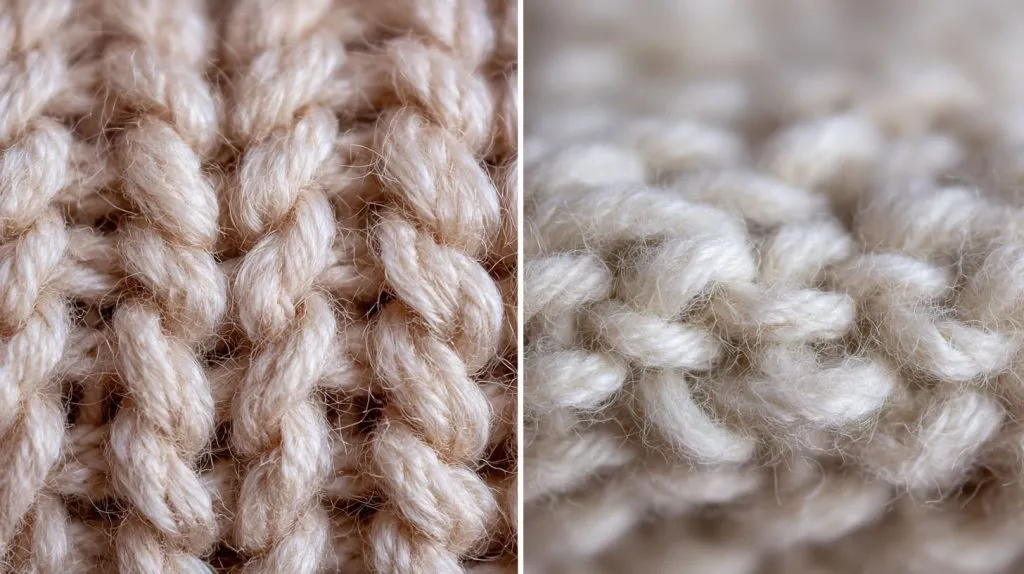
Blocking permanently changes the stitch definition of acrylic, especially with steam.
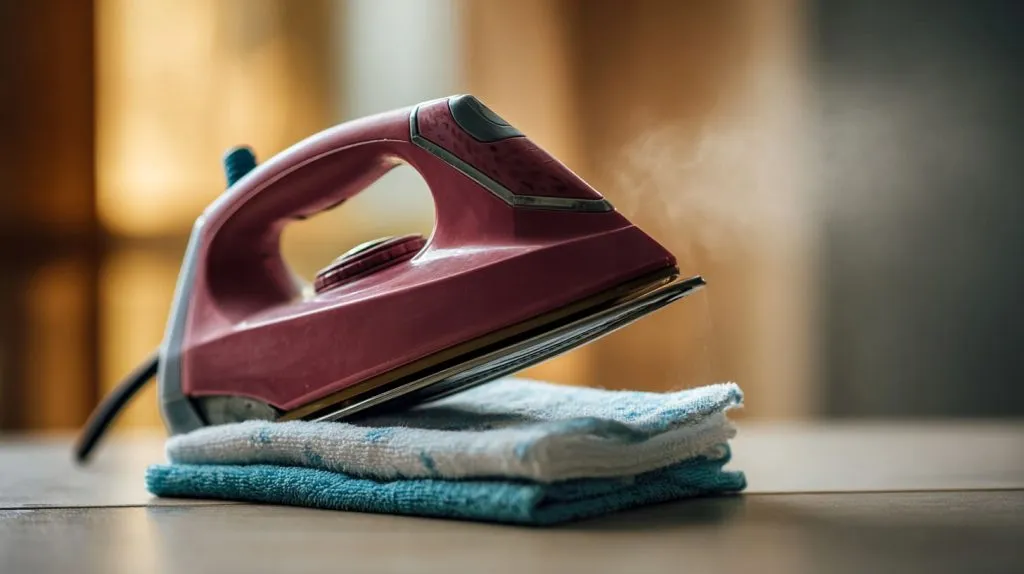
If your goal is to preserve texture (like puff stitches), go light on the steam. If you want it flat and clean, block away.
What mistakes should I avoid when blocking synthetic yarns?
So many. I’ve made them all.
Avoid direct heat, over-steaming, using metal pins that rust, or blocking dirty yarn.
Top 5 mistakes to avoid
- Touching yarn with a hot iron.
- Not testing on a swatch.
- Skipping pinning for lacy items.
- Using hard water (leaves marks).
- Forgetting to let it cool before unpinning.
Is it worth blocking acrylic yarn for home décor or wearables?
Absolutely.
Yes, blocking improves the shape, stitch clarity, and overall look of both wearable and décor acrylic items.
I block every wall hanging, coaster, and hat. It’s the difference between homemade and handmade.
Conclusion
Acrylic might be tricky, but with a little heat and patience, it can shine just like the fancy stuff.