Skip to content

Most people assume an acrylic mirror is just a cheap version of glass. That’s not the whole story.
An acrylic mirror is a lightweight, shatter-resistant plastic sheet with a reflective coating, used where safety, weight, or customization matters.
The first time I held one, I was surprised. It looked like a mirror, but it felt like a feather. That moment sparked my obsession with acrylic as a material.
What are the disadvantages of acrylic mirrors?
They’re not perfect—but nothing truly is.
Acrylic mirrors can scratch easily, may warp under stress, and reflect with less clarity compared to glass.

what to watch out for
| Disadvantage | Description |
|---|---|
| Scratches | Even a soft cloth can cause micro-abrasions over time |
| Warping | Heat, poor mounting, or thin sheets can cause visible distortions |
| Optical Clarity | Slightly lower reflection quality than silvered glass |
| Backing Delamination | Cheap adhesive or poor conditions can cause the mirror layer to peel |
One of my earlier clients once installed acrylic mirrors inside a gym. A few months later, the panels looked “bubbled”—that’s when I learned the hard way about backing issues.
What is the difference between glass and acrylic mirrors?
It’s not just about what they’re made of—it’s how they behave.
Acrylic mirrors are lighter, safer, and easier to shape, while glass offers better reflection, scratch resistance, and durability.

Comparison Table
| Feature | Acrylic Mirror | Glass Mirror |
|---|---|---|
| Weight | ~50% lighter than glass | Heavy, fragile |
| Safety | Shatter-resistant | Can break into sharp shards |
| Customization | Easy to laser cut, bend, engrave | Requires more tools and care |
| Clarity | Slightly less accurate reflection | High-definition reflection |
| Scratch Resistance | Low – needs protection | High |
For places like gyms, daycares, or exhibitions, acrylic wins. But for bathrooms or vanity tables? Glass still reigns.
How long do acrylic mirrors last?
Depends how you treat them.
With proper care and installation, acrylic mirrors can last 5 to 15 years—sometimes longer indoors.

I’ve seen mirrors installed in hotel lobbies last nearly a decade with barely any issues. The key? Controlled environment and solid mounting.
Can you see through an acrylic mirror?
Only if you want to.
Standard acrylic mirrors are opaque, but two-way (semi-transparent) acrylic mirrors exist for surveillance and display tech.
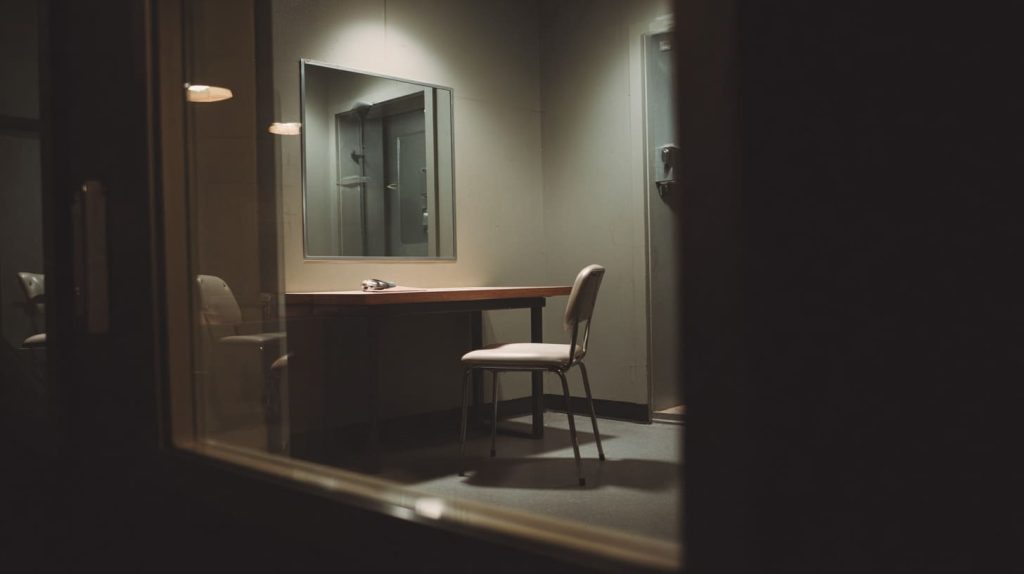
It’s the same trick they use in interrogation rooms—one side sees, the other side reflects.
How is an acrylic mirror manufactured (from raw acrylic to mirrored sheet)?
It’s part chemistry, part engineering.
Acrylic sheets are cast or extruded, then coated with a reflective metallic film and protected with a backing layer.

Step-by-step process
Acrylic Sheet Production
Cast or extruded from PMMA resin.Surface Cleaning
The surface is prepped to ensure smoothness.Vacuum Metalizing
A thin layer of aluminum is deposited onto the back surface in a vacuum chamber.Protective Backing
A paint or adhesive layer is applied to seal the metal film.Inspection & Packaging
Sheets are trimmed, inspected, and masked for delivery.
Even small defects in the aluminum coating can cause reflection issues—precision matters at every stage.
What are the pros and cons of using acrylic mirrors in display & signage?
Acrylic mirrors can make your product pop—or flop.
They’re lightweight, flexible, and safe for custom signage, but they demand careful handling to avoid visual flaws.
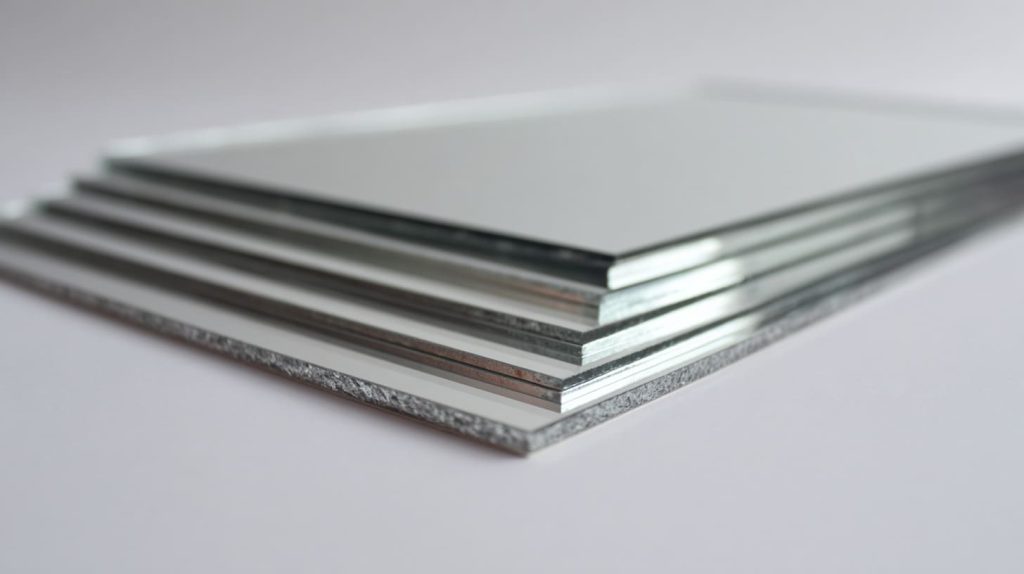
Pros
- Can be laser-cut into intricate shapes
- Safe in public spaces
- Compatible with UV printing and engraving
Cons
- Surface scratches visible under lighting
- Needs strong, flat mounting to prevent warping
How to choose the right thickness, backing, and tolerances for acrylic mirror sheets?
Each detail affects the final outcome.
Thicker sheets reduce distortion; rigid backings prevent bending; tight tolerances ensure consistency in large projects.
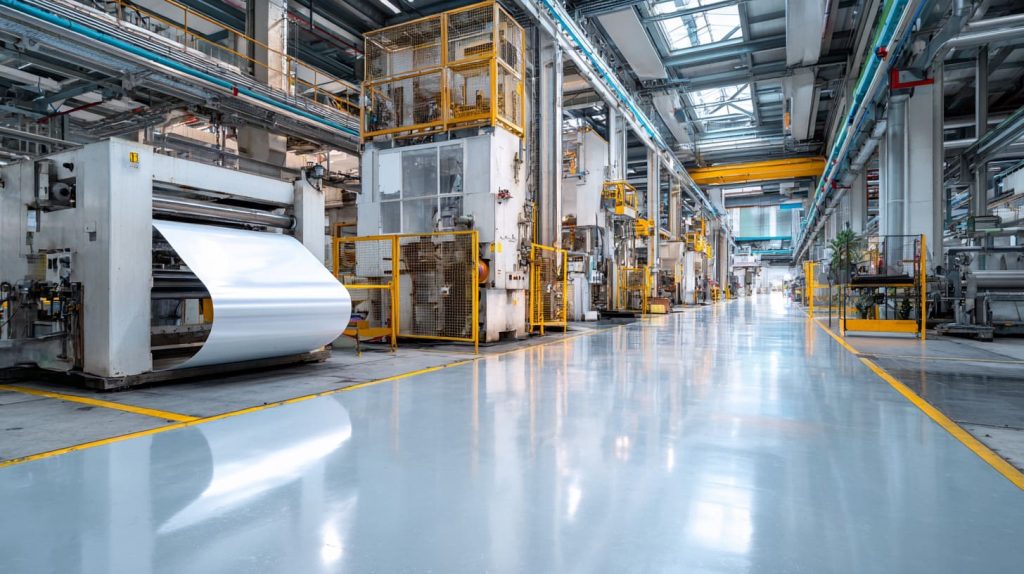
Thickness Guide
| Thickness | Best Use Case |
|---|---|
| 1mm–2mm | Craft, small decorations |
| 2mm–3mm | Light signage, indoor displays |
| 4mm–6mm | Furniture panels, commercial walls |
| 8mm+ | High-traffic public areas |
Ask for a ±0.2mm thickness tolerance if your design is sensitive.
What finishing and fabrication techniques (cutting, polishing, bending) are suitable for acrylic mirrors?
You have options—but also limits.
Acrylic mirrors can be CNC cut, laser scored, edge-polished, and even cold-bent with care.
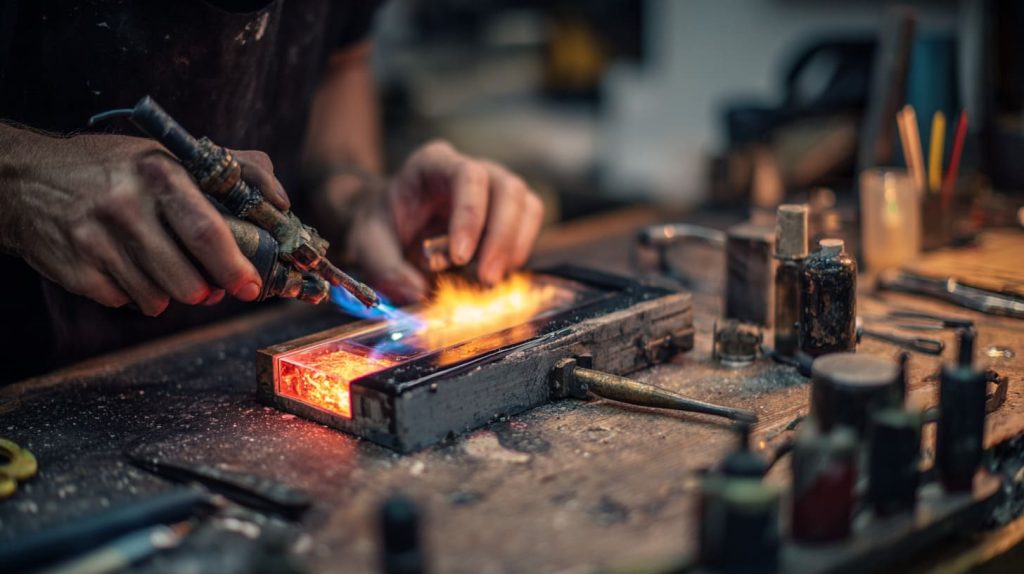
I’ve tried flame-polishing edges for luxury displays—it’s tricky, but when done right, the finish feels glass-like.
What are the best mounting, installation, and bonding methods for acrylic mirrors?
The wrong glue can ruin everything.
Use VHB tape or mirror-safe adhesives; always mount on a flat, rigid surface to prevent distortion.

Avoid solvent glues—they attack the backing and leave hazy spots. We once used heptane adhesive on a batch. Never again.
How to maintain, clean, and repair scratches on acrylic mirrors safely?
Treat it like your phone screen.
Use microfiber cloths, mild soap, and Novus scratch removers for best care. Avoid ammonia-based cleaners.
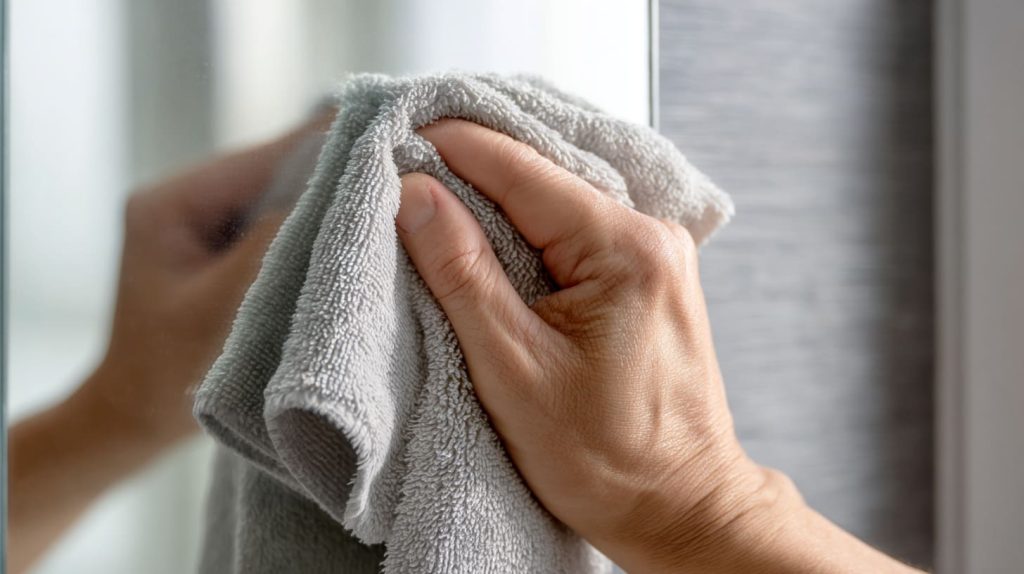
We once saw a customer clean an entire wall with Windex. The result? A smeared mess and peeled backing.
In what applications and scenarios do acrylic mirrors excel (or fail)?
Right tool, right job.
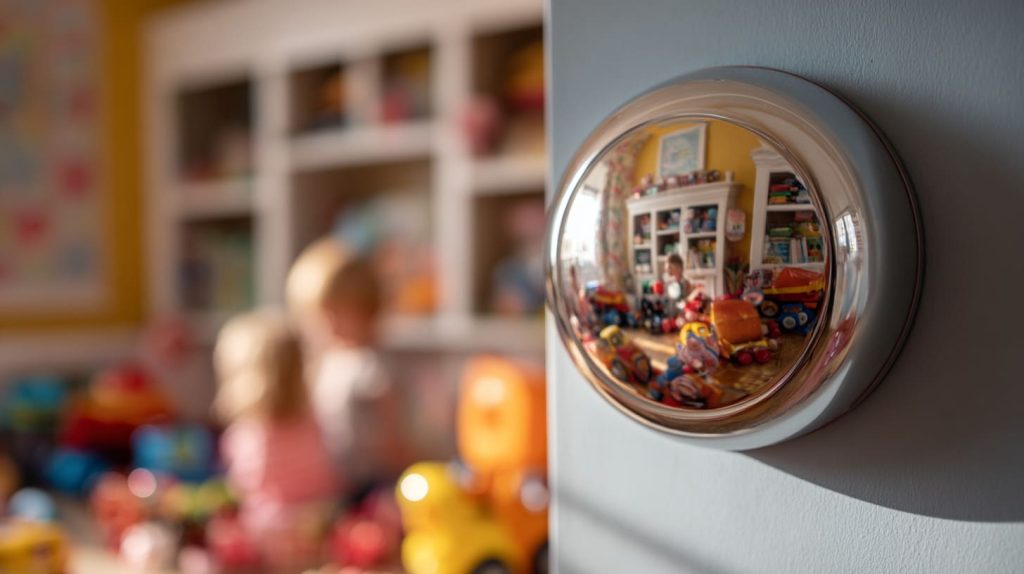
Acrylic mirrors shine in lightweight, high-impact, decorative use—but struggle with precision optical or outdoor longevity.
Best Uses
- Retail displays
- Children’s toys
- Safety mirrors in gyms or elevators
Where They Struggle
- Long-term outdoor exposure
- High-humidity environments (bathrooms)
- Optical-grade reflection
What are the common causes of distortion, warping or backing failure in acrylic mirrors?
Almost always preventable.
Thin sheets, poor storage, uneven mounting, or cheap adhesive can all lead to distortion or peeling.
We keep every sheet stacked upright in a temperature-controlled room. And always test mounting adhesives before a big project.
How to spec and request a custom acrylic mirror from a China OEM factory — what questions should a buyer ask?
Asking the right questions saves money and headaches.
Buyers should ask about thickness, material grade (cast vs extruded), coating type, backing, tolerance, and packaging methods.

Here’s what I always confirm before quoting:
- What’s the intended use?
- What’s the required thickness and tolerance?
- Should it be cast or extruded?
- What backing (PVC film, adhesive, painted)?
- Indoor or outdoor use?
- Do you need protective masking?
- Logo printing or corner rounding?
And always—always—ask for a sample before production.
Conclusion
Acrylic mirrors are versatile, safe, and customizable—but only when you understand their quirks and use them right.