Skip to content
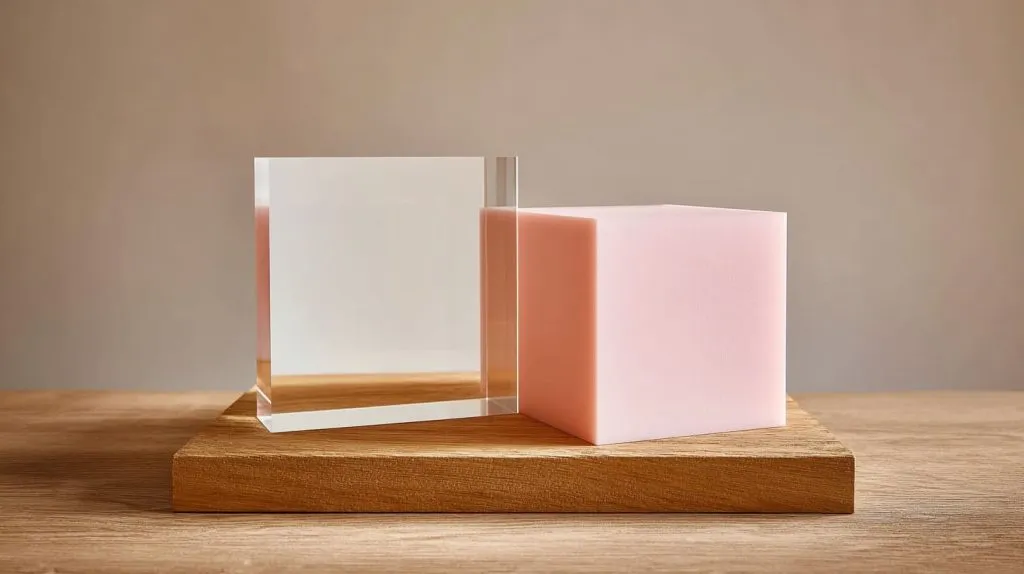
Clear acrylic panels and solid nylon blocks sat side by side on the inspection table. One gleamed under the overhead light, flawless and glass-like. The other looked tougher—dull gray with a faint texture that said, “I’m built for abuse.” That contrast wasn’t just visual. It was a quiet reminder of how every material carries its own language.
In the world of product design and sourcing, these two plastics often get placed in the same lineup. Acrylic or nylon? It’s a question I get all the time from B2B clients—especially when they’re building something that has to both look good and last under pressure.
This guide breaks down everything I’ve learned from real projects, client mishaps, supplier negotiations, and side-by-side tests. It’s not just about specs. It’s about making the right call—based on context, not assumptions.
What is Acrylic?
Definition and Chemical Structure
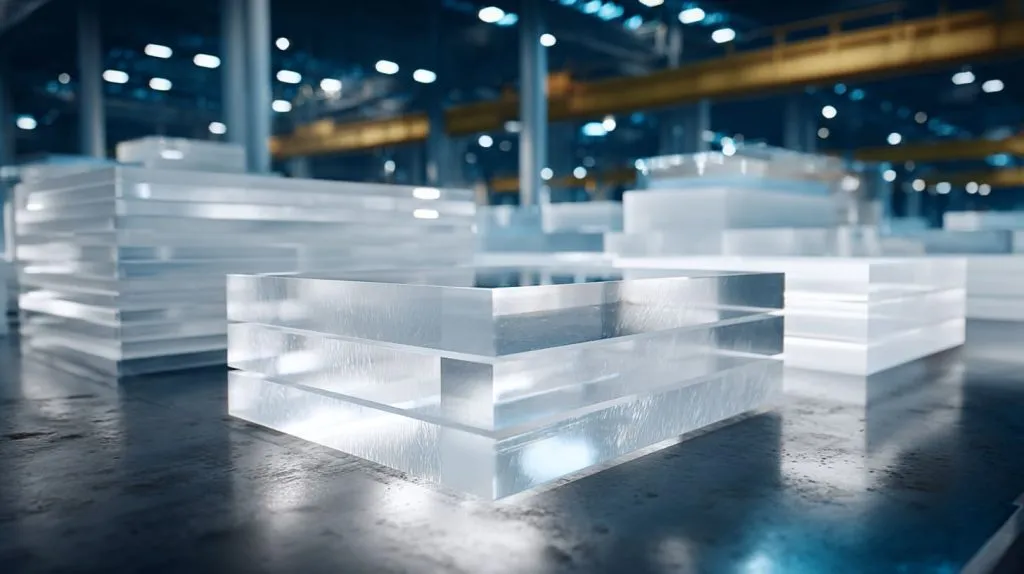
Acrylic, or polymethyl methacrylate (PMMA), is a transparent thermoplastic often seen as a lightweight, shatter-resistant alternative to glass. Structurally, it’s made from polymerized methyl methacrylate monomers.
It’s simple, stable, and predictable. And when you're making 5,000 display racks for a cosmetics brand on a tight deadline, that’s exactly what you want.
Common Forms (Sheets, Rods, Molded)
Most of the time, I deal with cast or extruded acrylic sheets. But you’ll also find it in rods, blocks, domes—even molded into complex shapes for light fixtures or signage. Cast acrylic offers better optical clarity; extruded is cheaper and easier to process.
Key Applications in B2B & Industrial Settings
Here’s where acrylic shines:
- Retail fixtures and display units
- Signage, both indoor and outdoor
- Protective barriers, especially post-2020
- Machine covers, where visibility is key
If it needs to look good and hold its shape, acrylic’s probably in the conversation.
I remember visiting a buyer in Montreal who loved nylon for gears—but panicked when his team tried using it in a windowed enclosure. That brings us to the other side of the table.
What is Nylon?
Definition and Chemical Composition
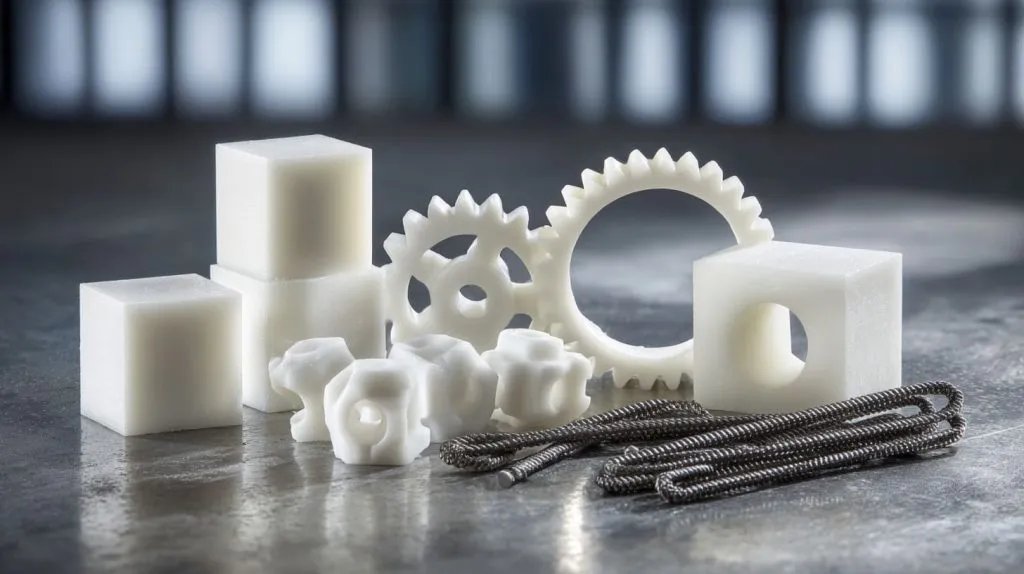
Nylon is a synthetic polyamide, originally developed as a textile fiber. But today, it’s a tough engineering plastic known for strength and wear resistance.
It’s semi-crystalline, which means it’s less optically clear—but tougher where it counts.
Variants (Nylon 6, Nylon 66, etc.)
Not all nylon is created equal. The most common:
- Nylon 6: good toughness, lower melting point
- Nylon 66: better heat and chemical resistance
Some are reinforced with glass fibers, boosting strength and stiffness at the cost of machinability.
Key Applications in Industrial and Consumer Products
Nylon shows up where parts move or take abuse:
- Gears and bushings
- Cable ties and fasteners
- Tool housings
- Mechanical brackets
If your part is structural, not visual—nylon’s worth a look.
When a client once asked me to quote a transparent nylon box, I had to gently explain that unicorns aren’t real. That segues nicely into our next category.
Physical and Mechanical Properties
Strength and Impact Resistance Comparison
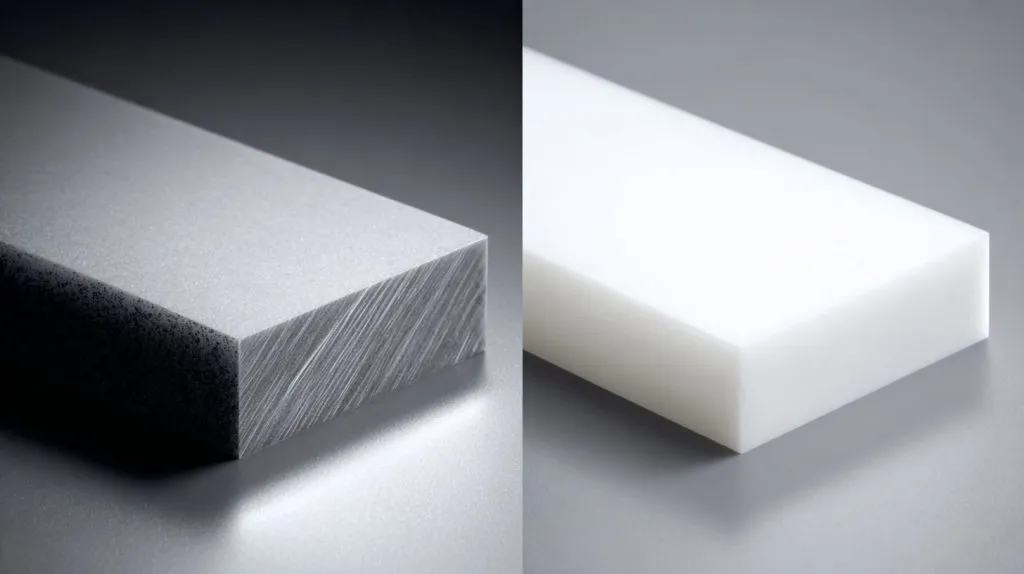
Acrylic is rigid and brittle. Nylon is tough and flexible. Drop an acrylic sign—it might crack. Drop a nylon tool—likely nothing happens.
| Property | Acrylic | Nylon |
|---|---|---|
| Impact Resistance | Moderate | High |
| Flexibility | Low | High |
| Brittle Failure Risk | High | Low |
Tensile Strength and Flexural Properties
Nylon generally pulls harder before snapping. Acrylic resists flexing but can snap suddenly. So if the part is under continuous stress, nylon wins.
Wear Resistance and Friction Performance
Nylon thrives in friction-heavy settings. It self-lubricates to some extent. Acrylic wears faster and can scratch under abrasion.
But strength isn’t everything—sometimes it’s all about the look.
Optical and Aesthetic Properties
Transparency and Light Transmission
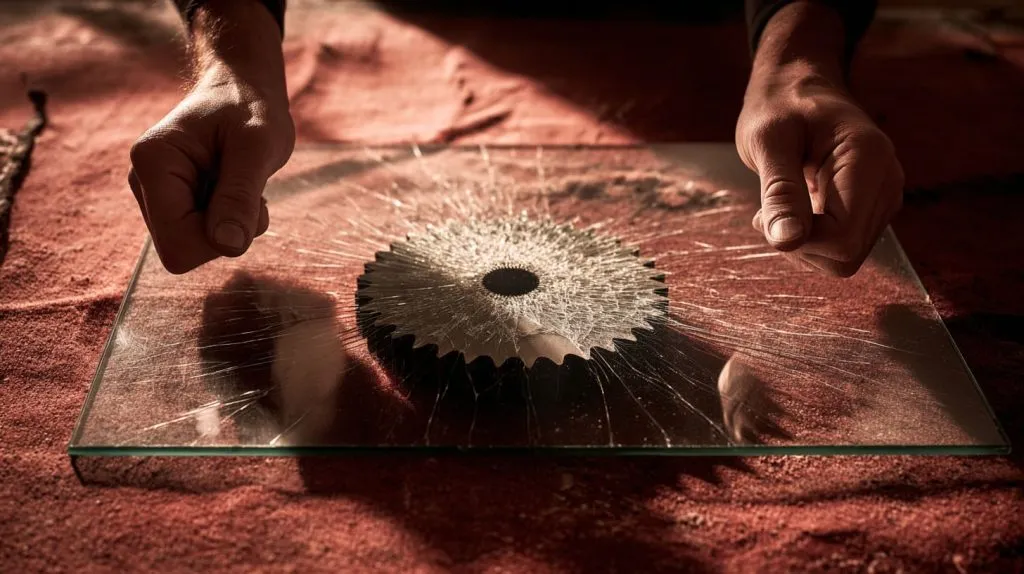
Acrylic is up to 92% transparent—even clearer than glass. Nylon? Opaque or translucent at best.
If you're showcasing a product, acrylic always wins.
Surface Finish and Polishability
Acrylic polishes beautifully—edge-lit panels, laser-engraved signs, showroom displays. Nylon? Not really polishable, mostly matte.
Suitability for Visual Merchandising or Display
For cosmetic stands, jewelry holders, or high-end packaging—acrylic looks premium. Nylon… well, it’s more tool shed than showroom.
I’ve seen clients fall in love with a finish, only to watch it warp in summer heat. Let’s avoid that mistake.
Temperature and Heat Resistance

Heat Deflection Temperature
Nylon handles higher temps—especially glass-filled types. Acrylic softens around 100°C, while nylon pushes toward 160°C or higher.
Melting Points and Dimensional Stability
Nylon melts; acrylic doesn't. But acrylic can deform long before it “melts,” especially in direct sunlight. Nylon holds shape better under load and heat.
Thermal Expansion Behavior
Acrylic expands and contracts more with temperature swings. In precision fits, that can be a dealbreaker.
Now, let's talk chemistry—because not all environments are kind.
Chemical Resistance and Reactivity
Solvent Resistance
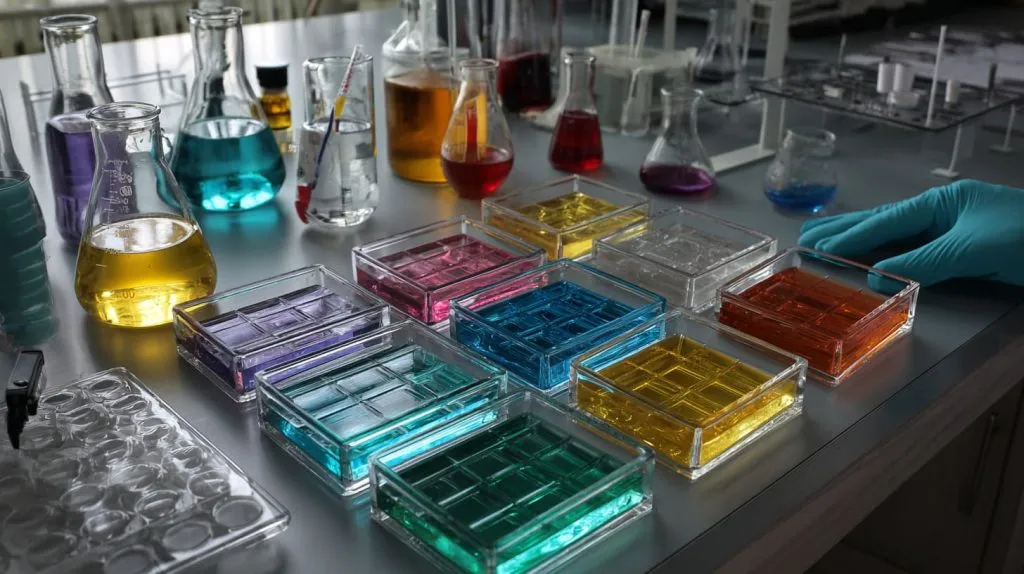
Nylon resists oils and fuels. Acrylic resists dilute acids. But throw acetone on acrylic? It’ll craze. So knowing your chemicals matters.
UV Resistance
Acrylic is naturally UV stable. Great for outdoor signage. Nylon? Not so much—it tends to yellow or degrade unless treated.
Moisture Absorption
Nylon absorbs water. That affects its dimensions. Acrylic doesn’t. This is critical for tight-tolerance parts or humid climates.
When I show factory tours to overseas buyers, they always ask the same thing: “Which machines do you cut this with?”
Machinability and Fabrication
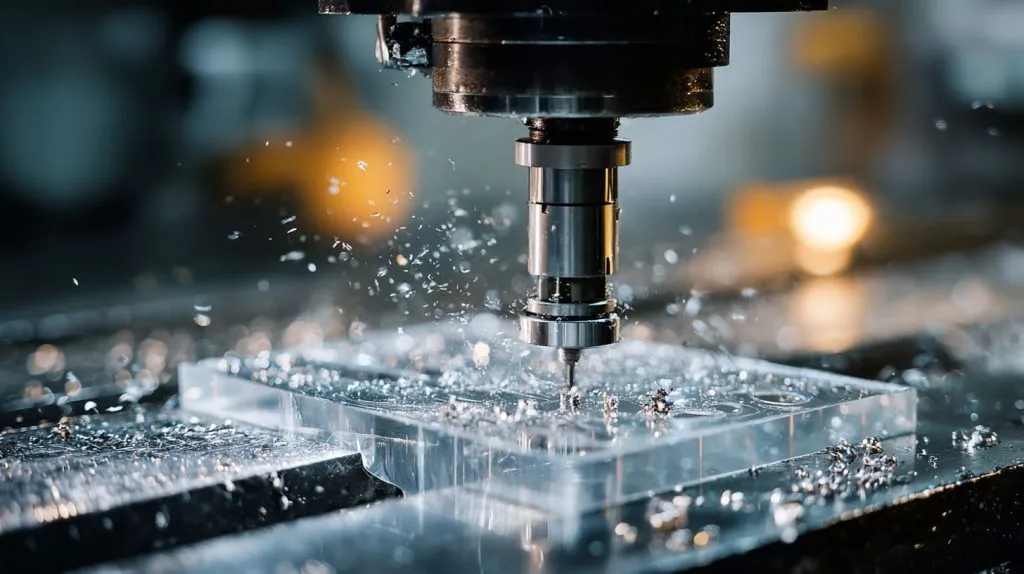
CNC Machining and Laser Cutting
Acrylic cuts like a dream on laser and CNC. Clean edges. Sharp details. Nylon? Tougher to machine cleanly, and not laser-friendly.
Formability, Bending, and Welding
Acrylic bends with heat but cracks if cold-formed. Nylon’s more forgiving. Welding? Nylon can be ultrasonic welded. Acrylic—usually bonded.
Adhesives and Joint Compatibility
Acrylic works with solvent cements and UV glues. Nylon’s harder to glue. Often needs mechanical fasteners.
I once had a client use nylon parts on a seaside kiosk. Six months later—corrosion, warping, and a redesign request.
Durability in Outdoor and Harsh Environments

Weathering Resistance
Acrylic stands up to sun, wind, and rain. Nylon—not unless it’s UV-stabilized. Even then, exposure wears it down.
Degradation Over Time
Acrylic can microcrack with age but holds its shape. Nylon degrades with UV, absorbs moisture, and loses strength.
Acrylic for Signs vs Nylon for Mechanical Parts
If you’re building signage—use acrylic. If it's moving or bearing weight—go nylon. Simple as that.
Now let's talk numbers—because B2B always comes down to price and availability.
Cost and Availability
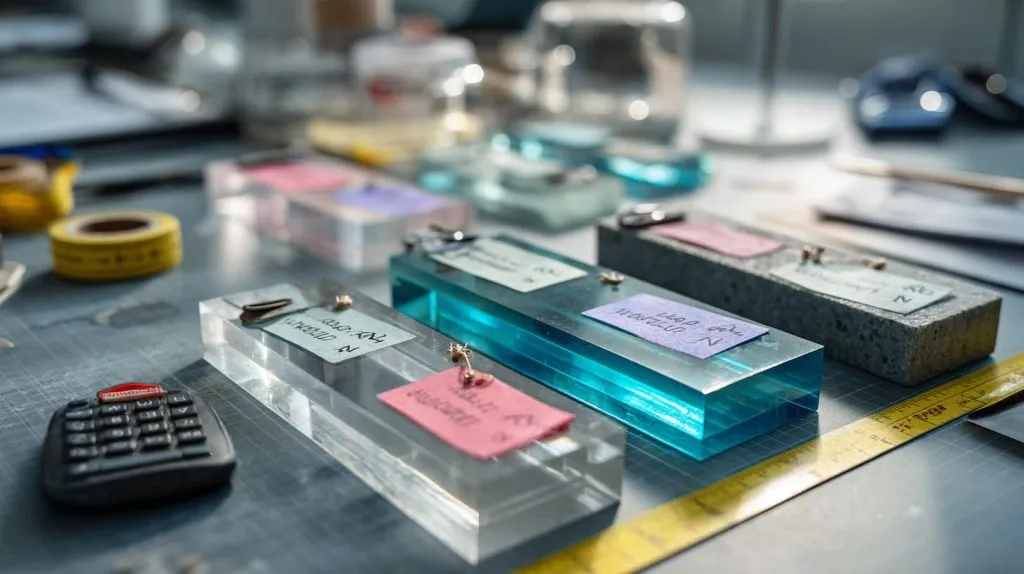
Price Per Kg or Per Sheet
Generally:
- Acrylic sheets: cheaper per square meter
- Nylon blocks: more expensive per kg
But consider machining waste, yield, and life cycle.
Raw Material Availability and Customization
Acrylic comes in colors, textures, thicknesses. Easy to source. Nylon is more standardized, harder to customize visually.
Global Supply Chain Notes
Both materials are widely available. Acrylic often ships faster and with more regional stock in Asia. Nylon variants sometimes require longer lead times.
So which one should you choose? That depends on the job.
Use Case Comparison: Which One Should You Choose?

For Display Applications
Go acrylic. Always. Clarity, polish, and aesthetic feel give it an edge. We use it daily for cosmetic organizers and display racks.
For Functional Mechanical Components
Nylon wins. Especially when parts move, grind, or flex. It’s built for abuse.
When Transparency or UV Stability Matters
Acrylic wins hands down. Nylon just can't compete here.
When Flexibility and Load Bearing Are Priorities
Nylon takes the crown. It's forgiving under pressure and resilient over time.
But these choices also carry environmental weight.
Sustainability and Recycling
Environmental Footprint
Both are petroleum-based. Acrylic has a lower carbon footprint in some life-cycle analyses. Nylon's water absorption adds complications during processing.
Recyclability
Acrylic is recyclable in many forms. Nylon? Technically yes, but harder to process and sort.
Certifications and Eco-Friendly Options
At Feilong, we use GSG-certified acrylic—eco-friendly and safe for export. Always ask your supplier about this.
I’ve seen even seasoned buyers mix up terms. It’s easy to do—especially under pressure.
Common Myths and Buyer Mistakes

“Nylon is Stronger in Every Way”
Not always. Depends on the load type and environment.
Misunderstanding Moisture Sensitivity
Nylon swells. Acrylic doesn’t. This matters in tight assemblies.
Confusion Between Acrylic and Polycarbonate
They look similar—but behave very differently. Polycarbonate is stronger, pricier, and more impact-resistant. Acrylic is clearer and easier to fabricate.
Now if you're sourcing from China, here's how to keep your orders clean and your samples useful.
How to Work with Chinese Manufacturers on Material Choice
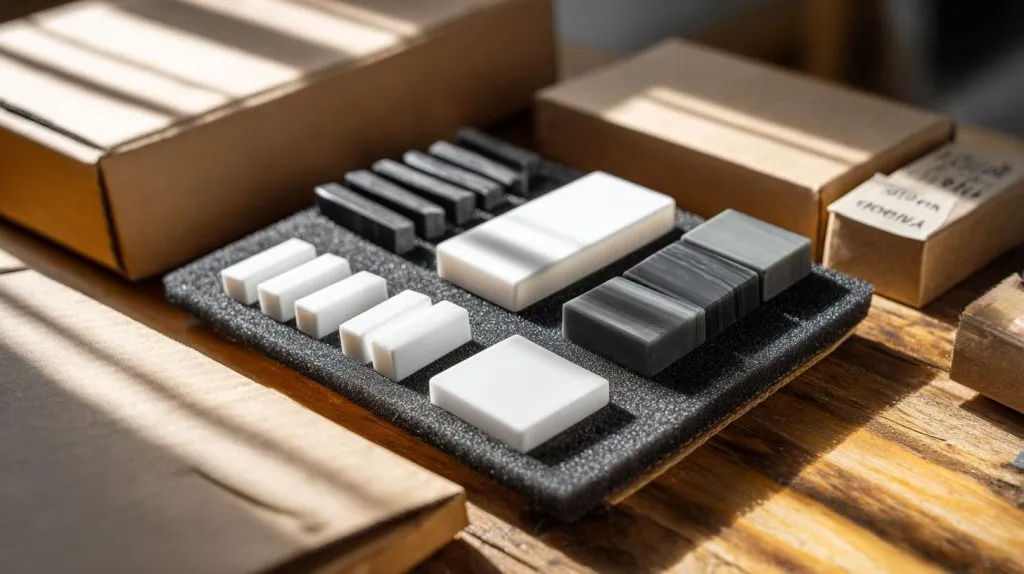
What to Ask Your Supplier
- Exact material grade (e.g., PMMA vs modified acrylic)
- Certification (e.g., ISO, GSG)
- MOQ for custom specs
Requesting Samples or Custom Blends
Never skip samples. Ask for rough and polished versions. Compare weights and finish.
Communicating Finish Expectations
Be clear: matte or gloss? Flame polished or laser-cut? Words like “smooth” mean different things to different people.
Conclusion

Choosing between acrylic and nylon isn’t just science—it’s also about context.
Acrylic brings clarity, polish, and visual appeal. Nylon brings strength, endurance, and flexibility. Neither is “better,” but each is better for something.
If you're Jacky—a seasoned Canadian buyer juggling product launches and supplier timelines—don’t just look at a spec sheet. Talk to your factory. Ask the right questions. And remember, the smartest materials decision isn’t always the strongest—it’s the one that fits your product’s purpose best.