Skip to content
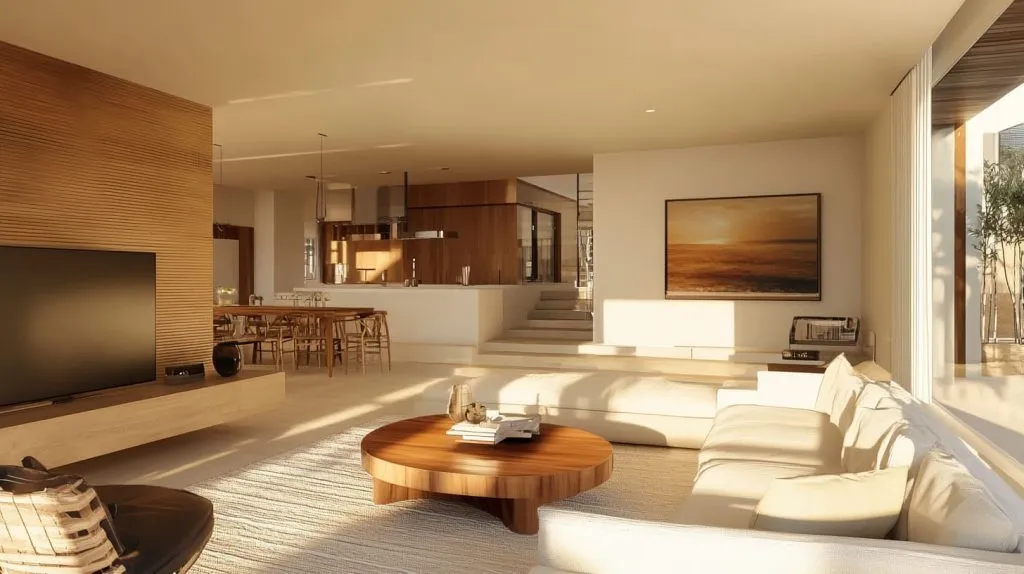
I remember the first time I stared at a blank wall in my living room and thought: This space needs a little life. Back then, I had no idea that wall art could be so captivating or that the choice of material would impact the feel of my space. Over time, I’ve come to see how wall art is more than just decoration. It speaks about style, identity, and the atmosphere we want to create.
Overview of the Topic
I believe wall art adds a personal touch to any interior. It can instantly change how a room feels. When I started exploring options, I discovered that the material behind the art is just as important as the design itself. Acrylic and metal are two popular choices in this realm, and each brings something unique to the table.
Purpose of the Article
I want to walk you through the differences between acrylic and metal wall art. It’s a simple comparison, but it can guide designers and purchasing pros like you toward the right decision. Whether you’re selecting a single piece or sourcing multiple units, knowing the pros and cons of both can save time, budget, and effort.
Understanding Acrylic Wall Art
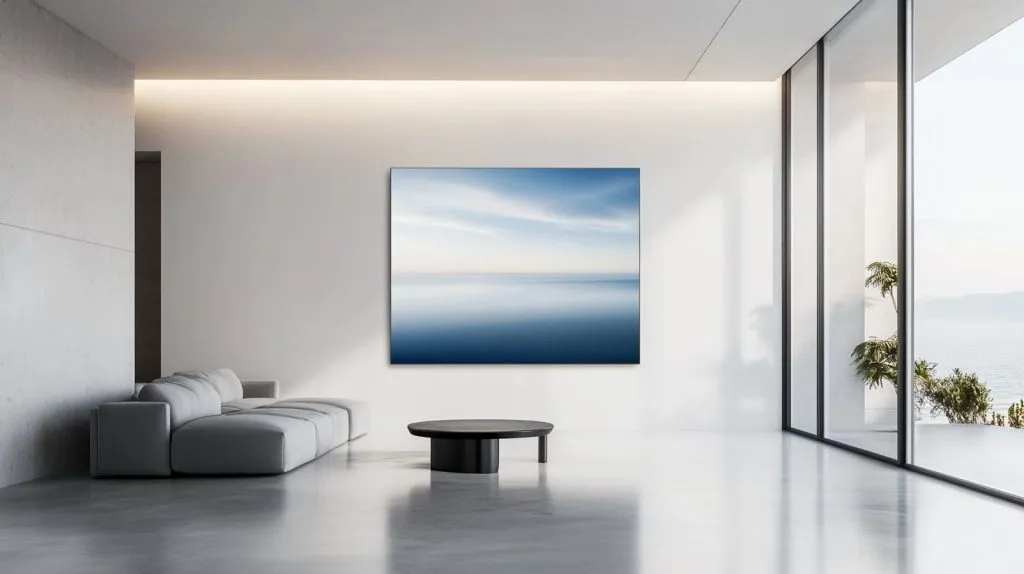
Sometimes I talk to friends who swear by acrylic because it’s light, shiny, and modern. Other times, people tell me they prefer the weighty feel of metal. Let’s start with acrylic. This section might feel like a deep dive, but stay with me. You might find a few surprising insights.
What is Acrylic Wall Art?
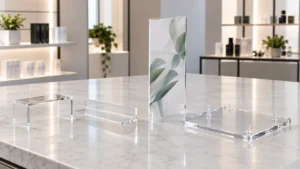
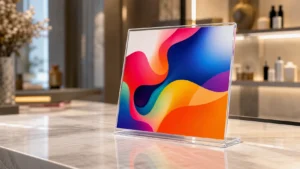
Acrylic wall art is artwork printed or mounted on acrylic sheets. These sheets can have a glossy or matte finish. They are often clearer than glass. For instance, I once saw an acrylic cityscape that seemed to glow under normal daylight.
To help compare features, here’s a short table that outlines basic acrylic characteristics:
| Aspect | Acrylic |
|---|---|
| Clarity | High clarity (transparent) |
| Weight | Lightweight |
| Typical Style | Modern, sleek |
| Uses | Various designs and applications |
Production Process and Material Properties
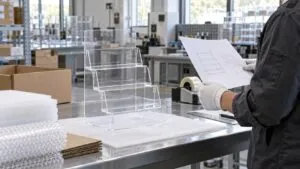
In my experience, acrylic pieces often come from CNC cutting or laser engraving. That’s how they achieve precise shapes and smooth edges. Acrylic’s transparency allows for vibrant colors. I’ve visited shops where they place LED lights around the edges of acrylic panels to create a soft, glowing effect. That pop of color can be mesmerizing, and it’s a hallmark of acrylic’s light diffusion properties.
Aesthetic Qualities and Versatility
I’ve always admired the sleek, glossy finish. Acrylic can be cut into curves, circles, or abstract shapes. The ability to shape it with laser precision means there’s a lot of room for creativity. For example, a friend of mine loves minimalist decor, and he used an acrylic piece with frosted sections to match his modern living room.
Durability, Maintenance, and Sustainability
I once had a guest accidentally bump into my acrylic frame, and thankfully, it survived with only a slight scratch. Acrylic is durable enough for everyday use, though it’s not invincible. When it comes to cleaning, a soft cloth and mild soapy water typically work best. On the sustainability side, many acrylic sheets are produced with environmentally-conscious practices. It’s good to look for those certifications, like GSG, that confirm eco-friendly standards.
Customization and Design Options
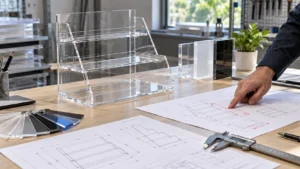
I love how acrylic pieces can be tailored to fit unique ideas. If you’re creating something custom, maybe for a specific brand or an innovative retail display, acrylic can match those precise specifications. This suits both personal projects and larger orders. I’ve seen entire wall panels in offices, with layered acrylic art displaying company logos. It can be an impressive sight.
At this point, you might wonder how metal compares. Before we jump there, let me share a quick story. I once debated whether to place a large acrylic map of the world in my hallway or go with a stainless steel version. The acrylic option felt vibrant, but I was still curious about the heft of metal. Let’s see how metal stands out.
Understanding Metal Wall Art
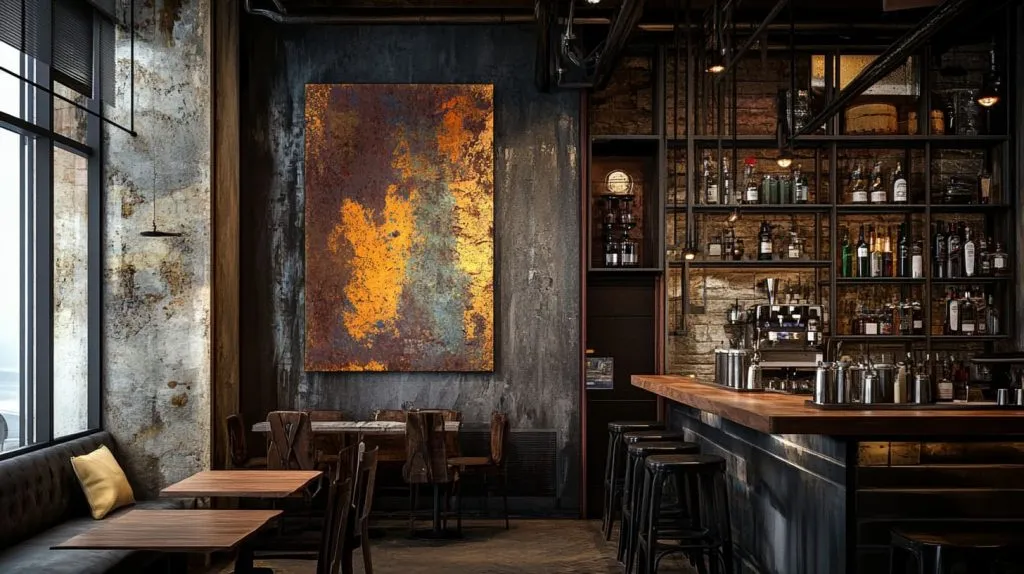
I still remember the first time I lifted a piece of metal wall art: it had real weight to it. That solid feel can send a message of durability. Metal wall art has its own charm—often an edgy, industrial vibe. Let’s break down some details.
What is Metal Wall Art?
Metal wall art can be crafted from steel, aluminum, or even copper. Some pieces are cut into intricate patterns, while others are left raw to showcase a rugged texture. I used to think metal art was all about gears and mechanical themes, but I’ve seen everything from sleek geometric shapes to delicately etched leaves.
To illustrate the basics:
| Aspect | Metal |
|---|---|
| Material | Steel, aluminum, copper, etc. |
| Style Range | Industrial, rustic, modern |
| Weight | Heavier than acrylic |
| Finish Options | Matte, glossy, brushed, anodized |
Production Process and Material Properties
Metal fabrication involves processes like welding, laser cutting, and sometimes anodizing. I once visited a metal workshop in southern China, where I saw sparks fly as workers shaped beautiful wall sculptures. The material’s inherent strength makes it long-lasting, though heavier than acrylic. If you appreciate that industrial look, metal might resonate with you.
Aesthetic Qualities and Industrial Appeal
Metal can be polished, brushed, or left to develop a patina. This variety in finishes offers distinct styles. On one hand, a shiny metal surface can look futuristic. On the other, a rusted finish can evoke a vintage or rustic feel. I’ve heard interior designers say that metal decor often pairs well with exposed brick or concrete walls.
Durability, Maintenance, and Longevity
Metal can last a lifetime if treated properly. I try to dust my metal pieces regularly and wipe them with a damp cloth to avoid accumulation. Some metals, like stainless steel, are resistant to corrosion. Others need a protective coating. If you want a piece to retain its sheen, certain cleaning products will help preserve the finish.
Customization and Design Options
Metal can be shaped into detailed silhouettes or layered for a 3D effect. I’ve seen wrought iron-like designs in modern lofts and laser-cut patterns in upscale restaurants. Because metal is sturdy, it’s a reliable choice for large installations that need to endure wear and tear.
Now, we have a sense of both materials. But how do they compare side by side? Let’s keep exploring.
Comparative Analysis: Acrylic vs. Metal Wall Art
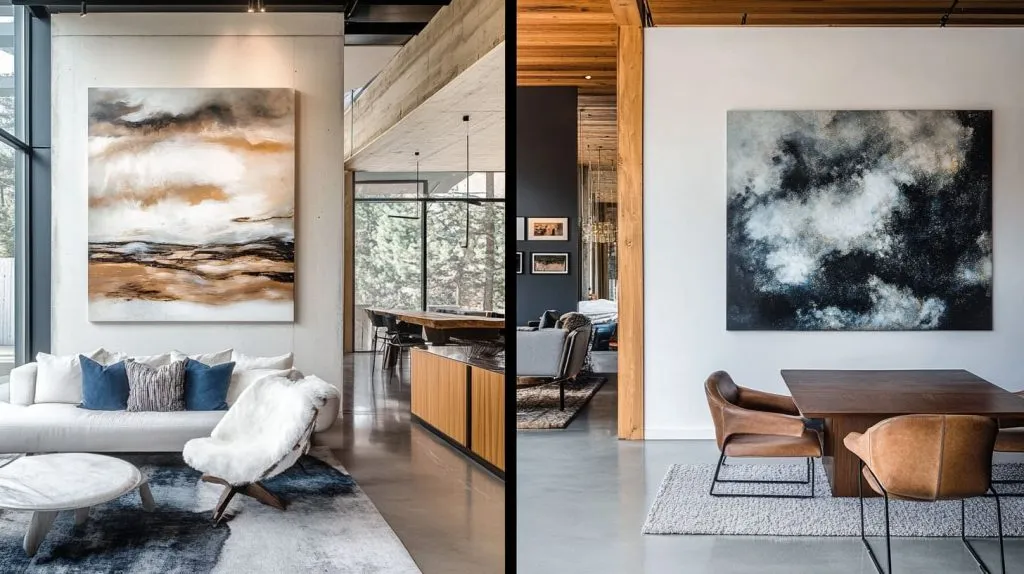
Sometimes I need a quick refresher to see the differences clearly. Let’s walk through some important points. If you’re still reading, I appreciate it—this is where the fun begins.
Material Properties and Weight Considerations
Acrylic is lighter and easier to hang, while metal is heavier but often perceived as sturdier. If I’m hanging something in a hallway with constant foot traffic, I might choose metal. But if I want a vibrant piece with complex lighting effects, acrylic wins.
| Feature | Acrylic | Metal |
|---|---|---|
| Weight | Light | Heavy |
| Strength | Moderately sturdy | Very sturdy |
| Installation | Easier (wall-friendly) | May need stronger anchors |
Aesthetic Impact and Visual Appeal
Acrylic often features bright colors and a modern sheen. Metal offers a bold, industrial vibe. One friend of mine describes acrylic as “clean and futuristic,” while metal feels “rugged and warm.” Different interior styles can benefit from each.
Installation and Maintenance Differences
I have personally found that acrylic is simpler to install. Metal might require special wall anchors or studs, especially for larger, heavier pieces. Acrylic can scratch more easily, so gentle cleaning is key. Metal can dent, but less prone to everyday nicks if it’s a sturdy gauge.
Cost Implications and Value for Investment
The cost can fluctuate based on size, thickness, and the complexity of the design. Acrylic can be more budget-friendly for moderate projects, though specialty acrylic might cost more. Metal sometimes commands a higher price, but I find that investment pays off if you want something with a substantial presence.
Environmental Considerations and Sustainability
Acrylic production can be eco-friendly, especially if sourced from the right manufacturers. Metal is often recyclable, which helps reduce waste. However, metal extraction and processing can be resource-intensive. It’s wise to check certifications and sustainability reports if you’re concerned about environmental impact.
Customization Flexibility for Personalized Orders
When I collaborate with designers, I notice that acrylic easily supports colors and gradients. Metal’s customization can be more about shape, texture, or finish. Both materials can be tailored to specific tastes, though each has its distinct approach to customization.
That leads me to wonder: Where exactly do these materials shine? Let’s see how they fit into actual living and working spaces.
Applications and Use Cases
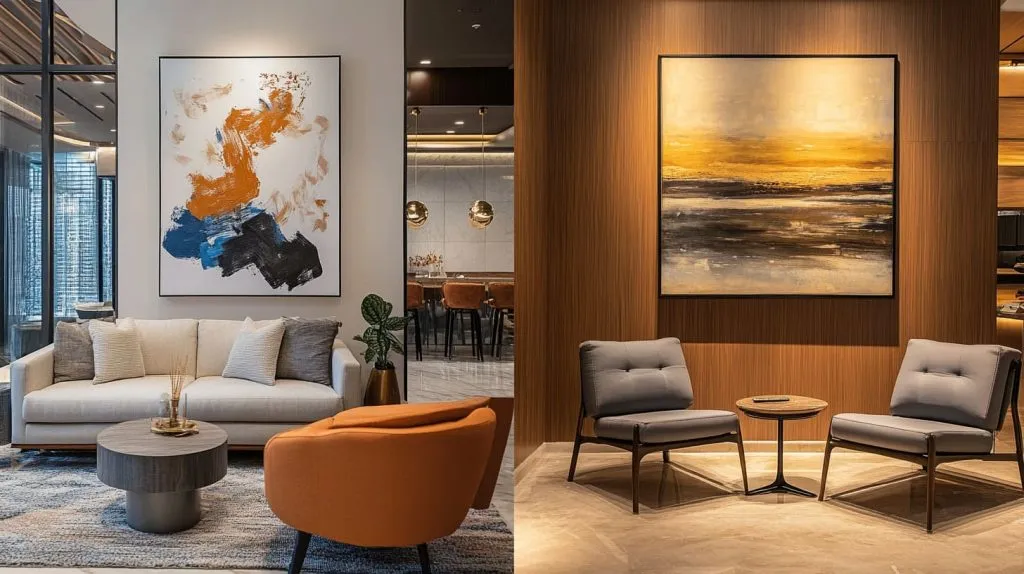
I’ve seen how the right piece of wall art can transform a dull spot into a highlight. Think about your personal or professional environment, and see if you identify with any of these scenarios.
Residential Applications
In homes, acrylic’s glossy finish can complement modern interiors. I once placed a translucent acrylic panel in my kitchen that refracted light in a fascinating way. Metal, on the other hand, can add a rustic or industrial charm to a living room.
Commercial and Retail Applications
I have noticed big brands use acrylic for signage because it’s easy to print logos with clarity. Metal can lend a luxe, high-end feel to hotel lobbies or upscale retail shops. I visited a boutique that showcased metal wall art with a brushed finish. It felt both professional and artful.
Here’s a table to summarize common use cases:
| Setting | Acrylic Art | Metal Art |
|---|---|---|
| Home | Modern, colorful decor | Rustic, industrial focal pieces |
| Corporate Office | Logo displays, directional signs | Executive lobby installations |
| Retail/Hospitality | Bright, eye-catching signage | High-end, contemporary statements |
Trends in Wall Art for Interior Design
It’s not just about present styles; it’s also about emerging trends. I keep hearing about large-format acrylic prints featuring nature themes. Metal is gaining traction with geometric or minimalistic patterns. Looking ahead, I suspect both materials will remain prominent, but they will adapt to sustainable production methods and new finishing techniques.
And if you’re still reading, thanks for hanging in there. We’re getting to some exciting stuff—how custom solutions come alive at Feilong Acrylic.
Feilong Acrylic's Custom Solutions in Wall Art Displays
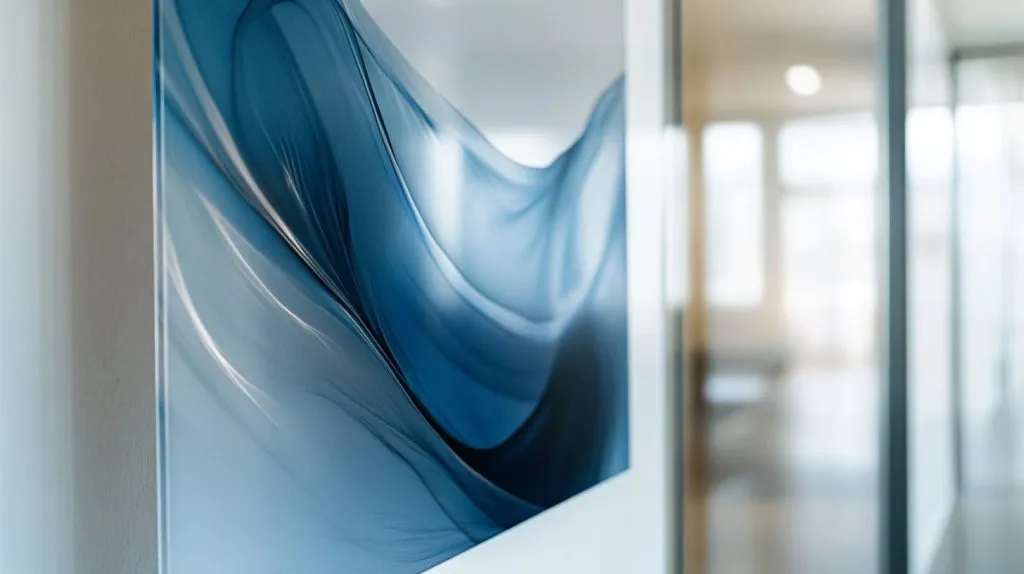
I’ve worked closely with Feilong Acrylic for some time, and I have to say, I admire how they bring custom ideas to life. It’s not just about manufacturing; it’s about solving problems and meeting creative visions.
Leveraging Acrylic for Custom Wall Art
Feilong Acrylic specializes in turning your concepts into tangible products. They use advanced machinery—like laser cutters and CNC routers—to achieve precise shapes. They also offer eco-friendly acrylic options. That’s important to me, because I want to know my choices have a minimal environmental impact.
Case Studies and Client Success Stories
I remember a designer named Lisa who wanted a multi-layered acrylic mural for a shopping mall’s center court. The Feilong team worked with her from sketches to final installation. The result was a vibrant display that captured people’s attention. Another client, a furniture brand, wanted discrete acrylic pieces that showcased product features in showrooms. In both cases, I saw how quick and seamless the process was.
Conclusion
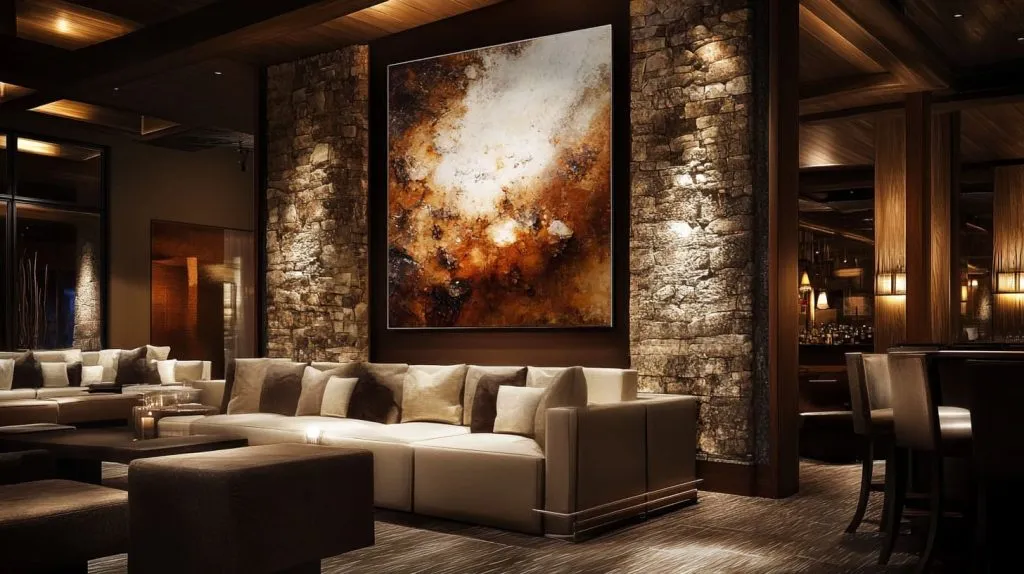
I’ve gone on quite a journey discussing acrylic and metal wall art. Both materials have strengths, and both can enhance different types of spaces.
Summary of Key Differences
- Acrylic: Lightweight, vibrant, modern, easier to install.
- Metal: Heavier, durable, industrial appeal, potentially higher cost.
Each serves a unique design preference. If you want something bright and sleek, acrylic might be the answer. If you want a bold, enduring statement piece, metal could be your best bet.
Final Recommendations for Designers and Purchasing Agents
From my perspective, the right choice depends on the style and the environment. If you’re sourcing for an airy, light-filled space, acrylic might do the trick. If you prefer edgy sophistication or long-term resilience, metal is your friend. And if you need a custom solution that pairs with your brand identity, consider Feilong Acrylic for an innovative approach.
Feilong Acrylic can handle personalized or bulk orders and offer top-notch quality within reasonable lead times.
acrylic manufacturing techniques also play a crucial role in how your final piece appears, so I suggest understanding the production process before finalizing your decision.