Skip to content

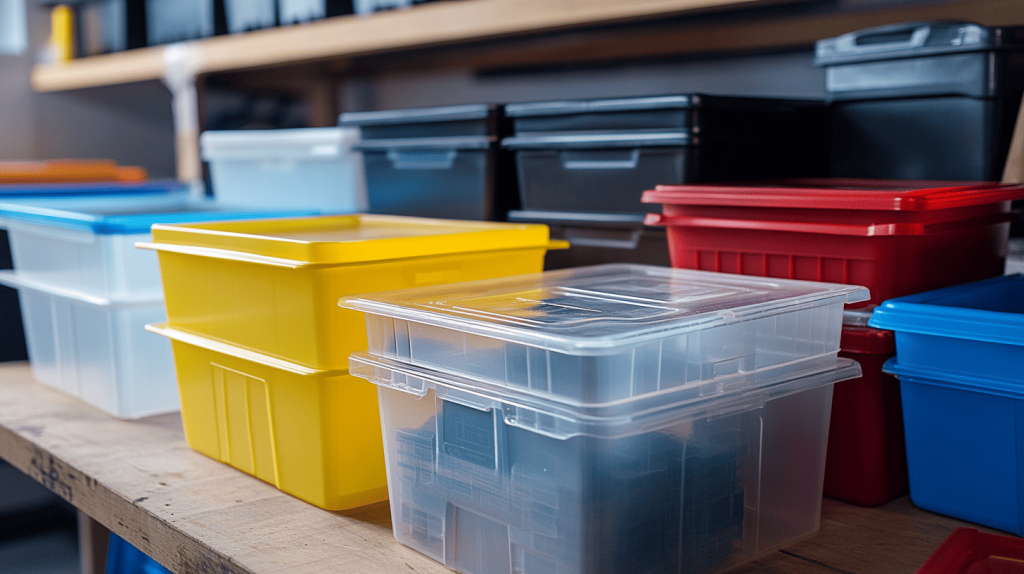
You’re holding a plastic storage bin in one hand and a bottle of acrylic paint in the other. The idea is simple — add color, maybe a logo, turn a plain container into something that feels designed, intentional. But there’s hesitation. You’ve heard that paint doesn’t always stick to plastic. Sometimes it peels. Sometimes it scratches off with a fingernail.
This isn’t just a craft project. It might be for retail display, or maybe for client-branded packaging. In both cases, the finish needs to look clean — and stay that way.
The good news? Acrylic paint can bond to plastic. But it won’t happen by accident. You need the right prep steps, a compatible primer, and the proper sealing method.
In this article, I’ll break it all down:
- how to identify what kind of plastic you’re working with
- which paints and primers actually hold up
- and the exact workflow I use in our factory to get smooth, durable results
Let’s start with why plastic and acrylic paint don’t naturally get along — and how we can fix that.
(Ready? Let’s bond paint to plastic without losing our minds.)
Why Acrylic Paint Doesn’t Readily Bond to Plastic
The low-surface-energy problem of polypropylene & polyethylene
I like to think of PP and PE as Teflon’s cousins. They repel almost everything because their surface energy is low. Paint lands on them the way rain slides off a waxed car. Without help, acrylic can’t dig in.
How surface porosity affects adhesion
Imagine trying to climb glass with bare hands. Smooth plastic offers no “footholds” for paint. Rough it up, though, and those tiny scratches become a ladder.
When acrylic alone “almost” works: rigid vs. flexible plastics
Rigid polystyrene sometimes lets acrylic cling for a while. Flexible bins flex, and the paint cracks like dried mud. Flex-additive fixes that, but we’ll get to it.
A quick recap keeps your footing firm. Next, let’s spot which bin you’re actually holding.
Identifying Your Plastic Storage Box
Common resin codes and what they mean for paintability
| Resin Code | Plastic Name | Common Use | Paintability (★ = easy) |
|---|---|---|---|
| 1 | PET | Soda bottles | ★★☆☆☆ |
| 2 | HDPE | Laundry jugs | ★☆☆☆☆ |
| 5 | PP | Food tubs, lids | ★☆☆☆☆ |
| 6 | PS | CD cases | ★★★☆☆ |
| 7 | “Other” (ABS, PC) | Storage bins, tool cases | ★★★★☆ |
Quick at-home tests (water bead, acetone swab)
If water beads tightly, odds are HDPE or PP. A light acetone rub that fogs the surface hints at PS, ABS, or PC — easier targets for paint.
Choosing between opaque, translucent and clear bins for best results
Opaque hides brush strokes. Clear shows them like fingerprints on glass. When branding matters, I now choose translucent lids and back-paint the underside for a smooth front view.
You know your plastic. Let’s get it ready for paint like a pro.
Surface Preparation Essentials
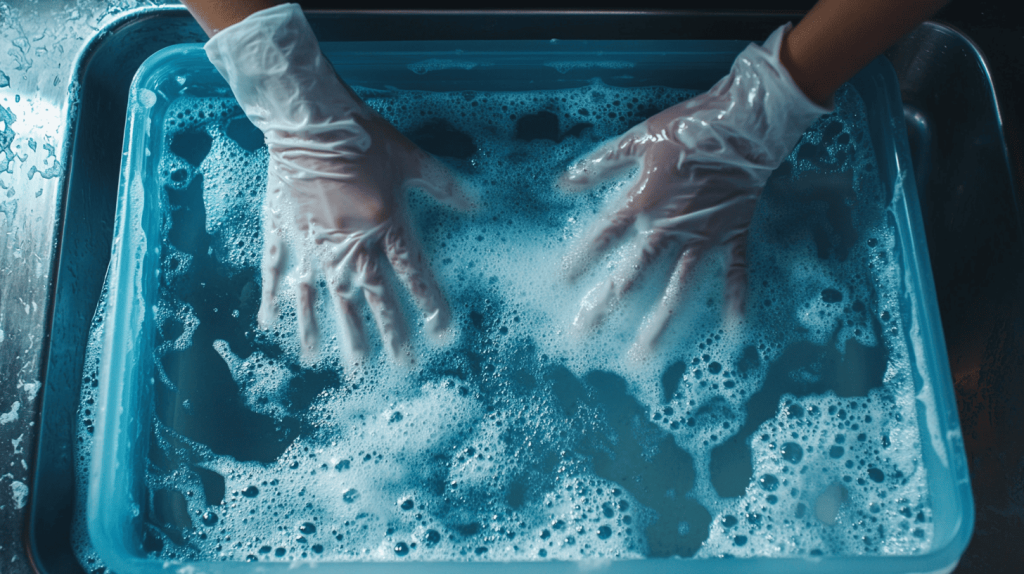
Cleaning: degreasing with dish soap or isopropyl alcohol
Grease is the silent saboteur. I scrub every bin with warm soapy water, rinse, then wipe with 70 % IPA. My gloves stay on — skin oils count as grease.
Light sanding vs. liquid de-glossers for a mechanical tooth
220-grit sandpaper makes micro-scratches that feel like velvet. On curved lids I switch to liquid de-glosser; it etches without dulling clarity.
Tack-cloth wipe-down & dust control in the workspace
Dust in wet paint looks like acne. One tack-cloth pass, a still air zone, and a calm mindset save me hours of sanding later.
The surface is ready. Time to talk chemistry that actually sticks.
Primers & Adhesion Promoters
Why a specialty plastic primer matters
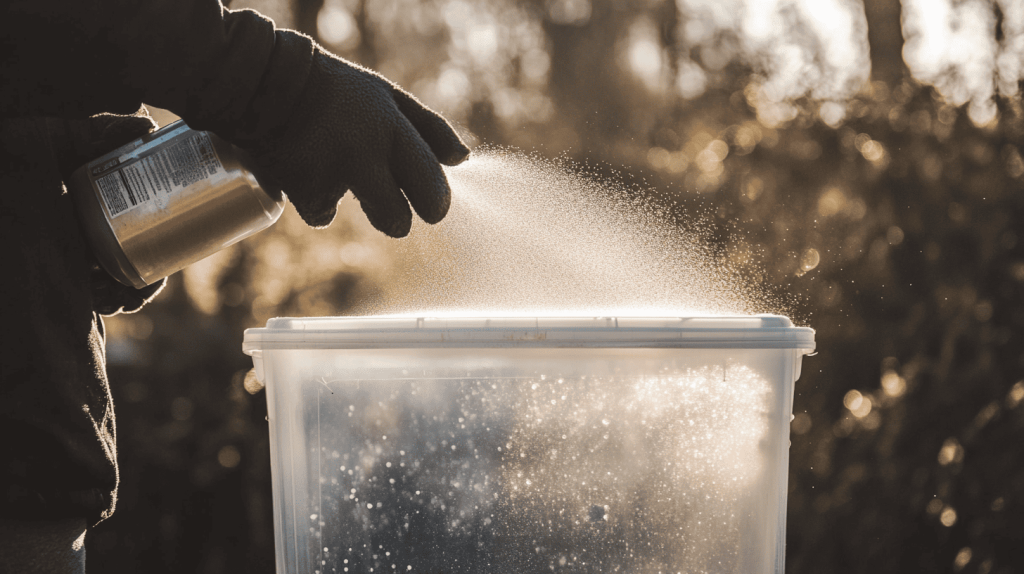
Standard primers sit on plastic; plastic primers merge with it, forming a flexible shell.
Rattle-can options (Krylon Fusion, Rust-Oleum Painter’s Touch, Jenolite)
| Brand & Line | Finish | Dry-to-Touch | My Use Case |
|---|---|---|---|
| Krylon Fusion All-In-One | Satin | 20 min | Quick proto batches |
| Rust-Oleum Plastic | Matte | 30 min | Large lids, cheap |
| Jenolite Plastic Primer | Clear | 15 min | When color must show |
Brush-on bonding primers for detailed work
Brush-on lets me sneak into corners without overspray. I thin with 5 % water for smoother pull.
When a primer is optional (textured or already-rough bins)
If the bin has molded texture, I sometimes skip primer. A test patch tells the truth in 24 hours.
Primer’s dry. Paint waits in the wings.
Choosing the Right Acrylic Paint & Additives
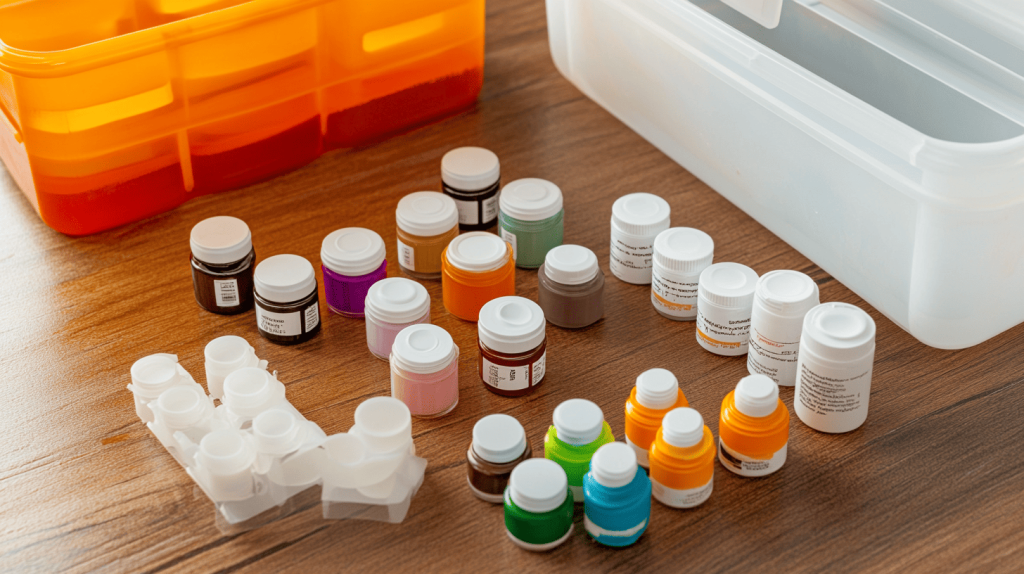
Multi-surface craft acrylics vs. artist-grade heavy-body paints
Craft acrylic flows fast, great for base coats. Heavy-body covers in one pass but demands thinning.
Flex-additive or fabric medium for bendy lids
Two teaspoons per cup of paint keeps the film stretchy, perfect for bins that bow under weight.
Colorfast & light-fast criteria for storage in sun-lit rooms
Look for ASTM Lightfastness I. Anything less and sunlight will bleach your blues to gray.
Spray-on acrylic enamels for uniform coats
When I need showroom sheen, I decant enamel into an airbrush. Thin coats, five passes, zero drips.
Color picked? Good. Let’s lay it down step by step.
Step-by-Step Painting Workflow
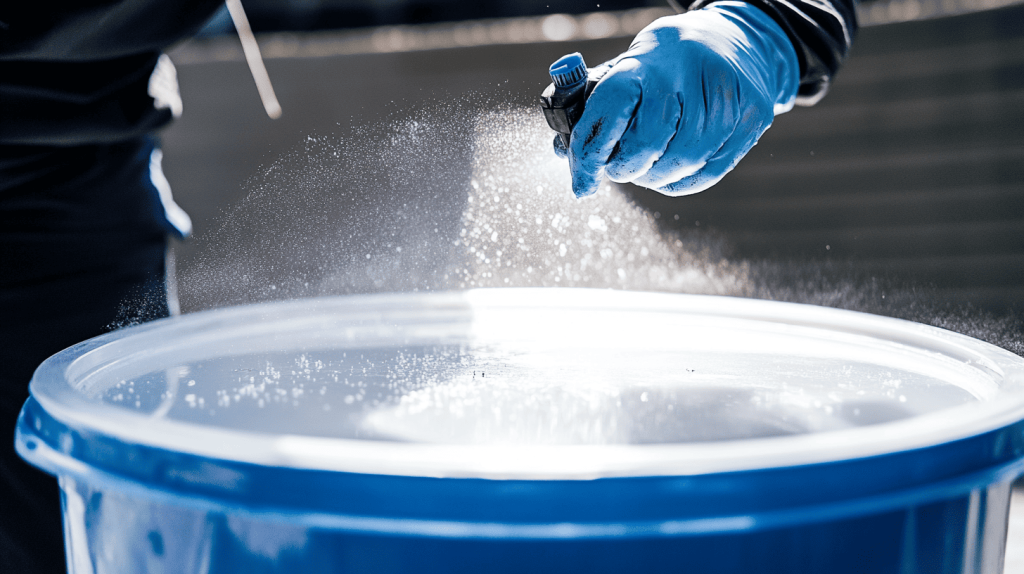
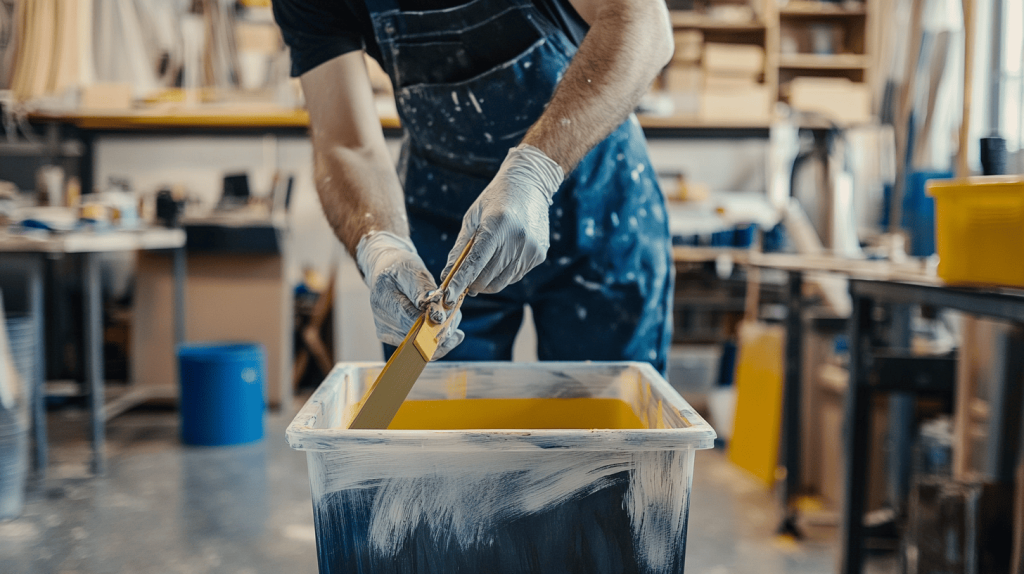
- Mask & layout — blue tape, vinyl stencils, or laser-cut logos.
- First mist coats — 8-inch distance, light pass, wait 10 minutes.
- Build coverage — three to four medium coats.
- Cure — 24 hours at 20 °C, low humidity.
- Detail touch-ups — fine brush, steady hand, jazz playlist optional.
Touch-up tips for logos or detailed graphics
I outline with a Posca pen, then fill with a #1 sable brush. A magnifier saves my eyes and the logo edges.
Paint’s cured. Let’s armor it.
Sealing & Finishing for Durability
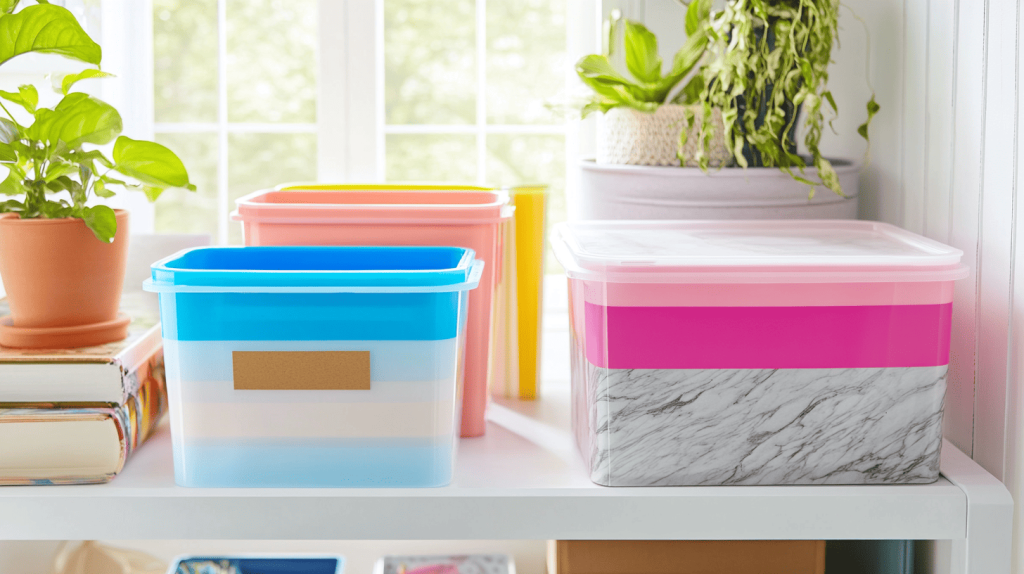
Clear acrylic spray sealers: gloss, satin, matte
| Finish | Look | When I Use It |
|---|---|---|
| Gloss | Wet-look, high shine | Retail displays |
| Satin | Soft glow | Household storage |
| Matte | No glare | Photo props & museums |
Two-part polyurethane for heavy-duty industrial use
Mix, wait 10 minutes, brush fast. It smells like a chemistry lab but laughs at forklift scratches.
UV-resistant topcoats to prevent yellowing on clear bins
I learned this the hard way when a sky-blue bin turned greenish after a month in a storefront window.
Drying/curing: room-temp vs. low-bake oven methods
At 60 °C for two hours, polyurethane reaches full hardness. Just keep the plastic below its warp point.
Protection applied. Now the fun part: pushing creative boundaries.
Creative Design Ideas for Storage Boxes
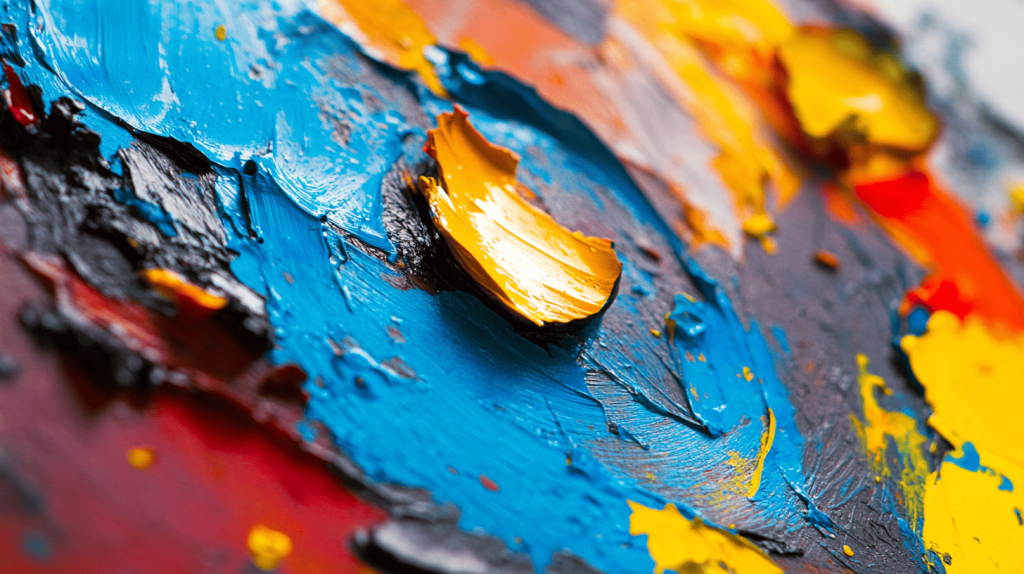
Color-blocking & corporate brand palettes
Three solid bands of company colors turn a dull bin into instant signage.
Frosted “privacy” sections vs. see-through windows
I spray matte clear on the sides, leave a glossy window up front. Customers peek, contents stay tidy.
Using paint pens for quick labeling and SKU coding
Handwritten looks handmade. I add small icons for instant visual sorting.
Faux-texture techniques (marble, terrazzo, metallic)
A sea-sponge dab, a flick of metallic silver, and suddenly that $3 bin looks like quarried stone.
Creativity sparks curiosity, but problems can dim the glow. Let’s solve them before they start.
Common Problems & How to Fix Them
Peeling or flaking layers — causes & sanding-prime-recoat solution
If paint lifts like a sticker, I know I rushed prep. Back to 220-grit, fresh primer, slower cure.
Tacky surface after days — humidity & under-cured paint
A dehumidifier and patience beat hair-dryer heroics every time.
Scratches: adding a sacrificial clear film or second sealer layer
Warehouse life is rough. A clear adhesive film peels off later, leaving paint fresh.
Color bleed between taped areas — proper de-tack & dry timing
I burnish tape edges hard, then pull it back on itself while the last coat is still soft.
No panic. Problems fixed. Let’s keep safety in focus so no one lands in the emergency room.
Safety, Environmental & Handling Notes
Ventilation & PPE when spraying primers/paints
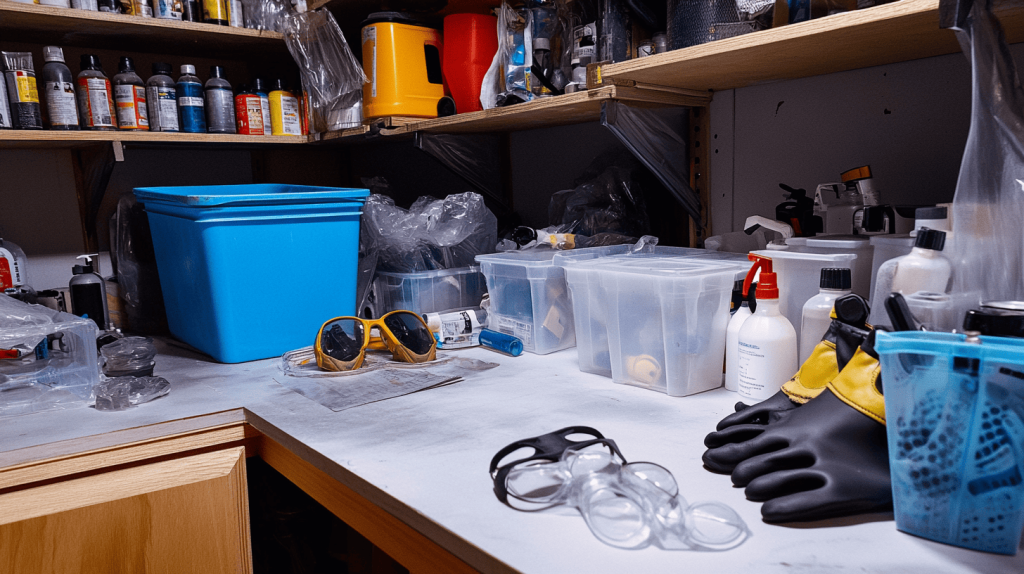
I use a half-mask respirator, goggles, and nitrile gloves. The dog stays outside.
Proper disposal of solvent wipes & empty cans
Soaked rags go in a metal can with water. Cans cure empty, then hit the recycling bin.
Food-contact concerns: when NOT to paint interior surfaces
If the bin might hold snacks, I keep paint on the outside only. No shortcuts.
Eco-friendly acrylics & low-VOC options
Water-based enamels smell like wet cardboard, not chemical warfare. Clients love the green label.
Safe shop, clean conscience. Still have burning questions? Let’s blitz through them.
FAQ (Quick Answers)
Will acrylic paint survive outdoor storage sheds?
Yes, with UV sealer. Without it, colors fade like old photos.
Can I run painted bins through a dishwasher?
No. Heat and jets strip paint faster than a sandstorm.
How long before I can stack or load the boxes?
Wait 72 hours after the final sealer coat. Patience prevents print marks.
What if I need a transparent finish only?
Use clear dye-based stains or tinted sealers. They color without hiding.
Questions cleared? Great. Let’s wrap up this paint party.
Conclusion
Prep, primer, quality acrylic, and a reliable sealer form the four-step recipe for a chip-resistant, brand-worthy finish. I’ve watched simple storage bins turn into on-shelf storytellers when color matches the logo and the paint refuses to quit.
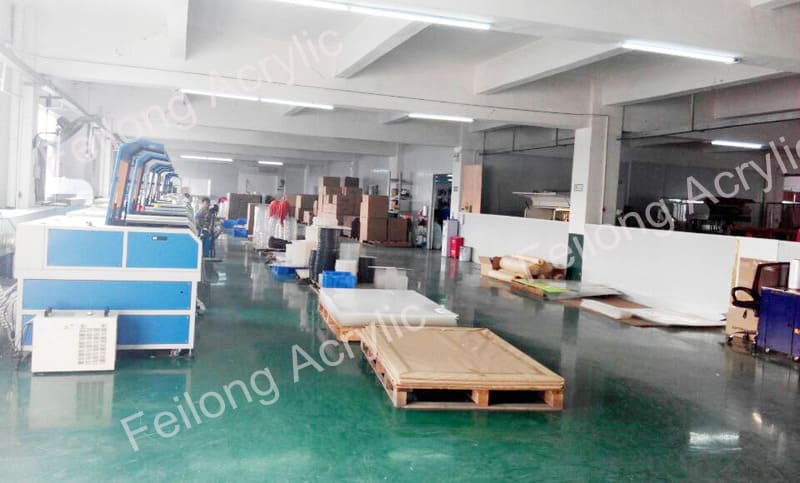
If you need a prototype or a full run, Feilong Acrylic can help. We take small MOQs, spin samples fast, and back every order with ISO-level quality. Let’s give your next project a coat that sticks — and a story that sells.