Skip to content
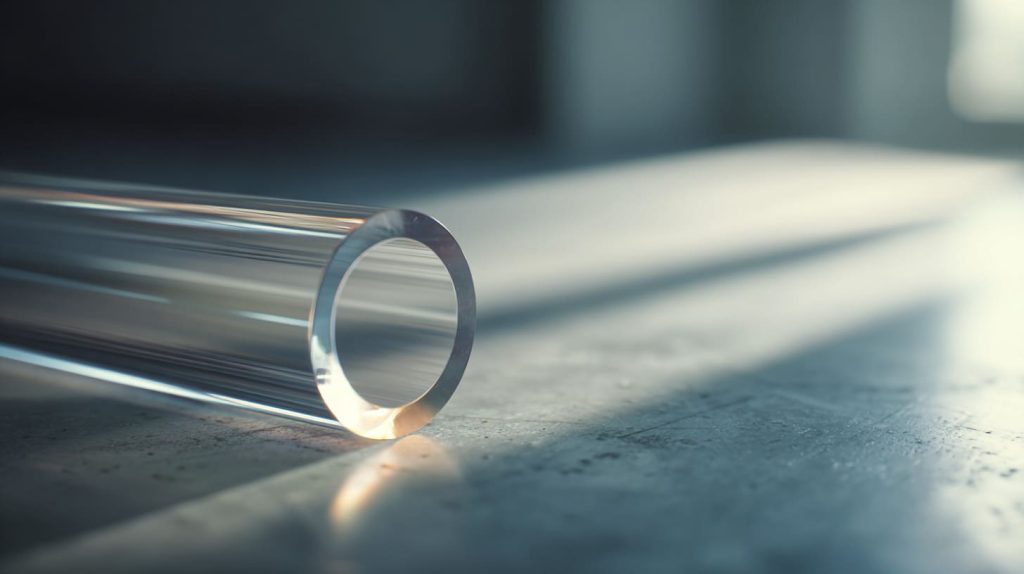
A clear acrylic tube looks almost “too simple” on a workbench. Just a clean cylinder. No color. No texture. No drama.
And that is exactly why it keeps showing up in modern crafts.
I have watched buyers like you, Jacky, pick it up, rotate it under the light, and do the same mental math every time: Can I turn this into something that looks premium, but still makes sense to manufacture? That question is not romantic, but it is real. And it is the right question.
Clear acrylic tubes are popular because they hit a rare mix:
- They look like glass, but they are lighter and less scary to ship.
- They cut and machine well with the right tools.
- They accept many finishes, like polishing, engraving, printing, and bonding.
- They make the product feel “designed”, even when the structure is simple.
At Feilong Acrylic, I see one pattern again and again: when a designer wants a clean, modern look, they reach for transparency. But then reality shows up—thickness, cracking risk, bonding lines, scratch marks, and cost.
So in this article, I will share 10 creative ways to use clear acrylic tubes for crafts. But I will not stop at “pretty ideas.” I will also talk about how to make each idea workable, like a factory-minded person would.
Because in the end, the craft is the easy part. The repeatable craft is the hard part.
And once you see how far a simple tube can go, you will start noticing it everywhere—on shelves, in studios, in displays, and even inside industrial products.
1. DIY Terrariums and Mini Greenhouses

I like terrarium projects because they look soft and calm, but the engineering is sneaky. Plants do not care about aesthetics. They care about light, air, and water paths.
Clear acrylic tubes work well here because they bring the “glass greenhouse” feeling, without the weight and fear of breakage.
Why Acrylic Tubes Work for Plant Displays
Acrylic is not magic. It is just predictable when you respect it.
- High light transmission helps plants get enough sunlight.
- Cleaner and safer than glass in small indoor spaces.
- Smooth walls are easy to wipe when moisture fogs the surface.
But I also think about the risk: terrariums are humid. Humid means mold. Mold means constant cleaning. Constant cleaning means scratches if the user uses the wrong cloth.
Here is a quick reality table I use:
| Factor | Acrylic Tube | Glass Cylinder | Why It Matters |
|---|---|---|---|
| Weight | Light | Heavy | Shipping and handling |
| Break risk | Lower | Higher | Indoor safety |
| Scratch risk | Medium | Low | Cleaning over time |
| DIY cutting | Easier | Hard | Custom heights |
Design Variations
When I sketch plant tube concepts, I usually start from these layouts:
- Wall-mounted vertical tubes for small apartments
- Tabletop cylindrical terrariums for minimal desk décor
- Multi-tube modular plant systems where you line up several tubes in a row like a lab rack
If you want it to feel modern, keep the parts count low. Tube + base + cap. That’s it.
Customization Considerations
This is where most “cute terrariums” fail in mass production.
- End caps: friction fit is simple, but tolerance is strict
- Vent holes: too small and plants suffocate; too big and humidity drops
- Thickness: thin looks elegant, but cracks easier during drilling
- UV resistance: if it sits near windows, sunlight is not “free,” it is stress
A practical thickness guideline I often share:
| Tube OD (Outer Diameter) | Suggested Wall Thickness | Typical Use |
|---|---|---|
| 30–60 mm | 2–3 mm | Small terrariums, desk décor |
| 60–120 mm | 3–5 mm | Medium plant displays |
| 120–200 mm | 5–8 mm | Large tubes, public displays |
Before we jump into lighting, let me say this: when you put plants inside a tube, you learn a lesson fast—clarity is beautiful, but clarity also shows every flaw. That same truth becomes even louder with LEDs.
2. LED Light Columns and Ambient Lamps
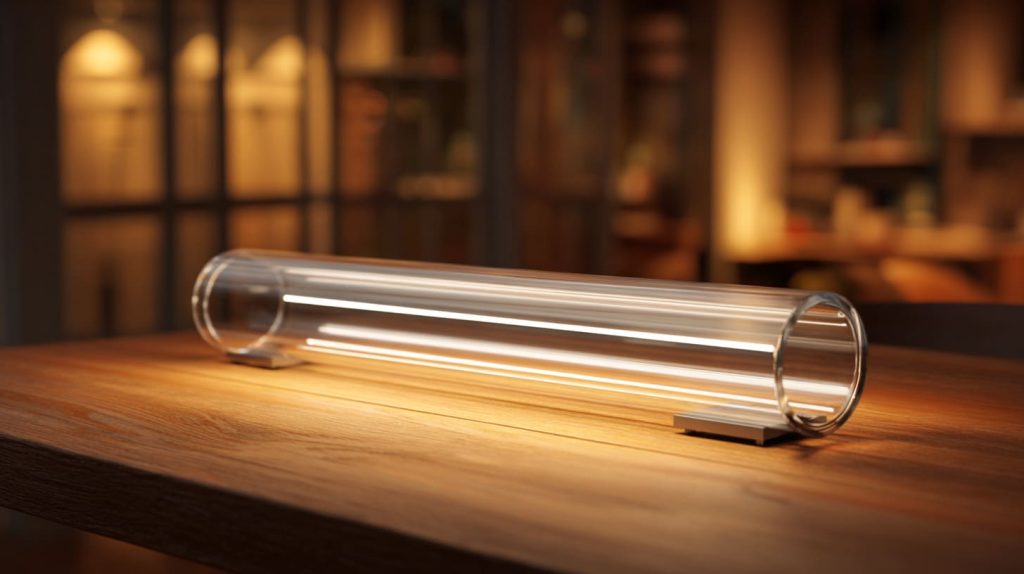
If you want a craft that instantly looks “designed,” pair a clear acrylic tube with light.
I once saw a small brand try to make an LED tube lamp. The prototype looked great. Then they ran a small batch and got complaints: “too hot,” “uneven glow,” “looks cheap up close.” None of those problems came from the LEDs. They came from the tube decisions.
Using Transparency for Light Diffusion
Clear acrylic can behave in two ways:
- It can show the LED points (which can look harsh).
- Or it can spread light (which looks soft and premium).
This is why the “clear vs frosted” decision matters more than people expect.
| Tube Finish | Light Effect | Best For | Risk |
|---|---|---|---|
| Clear | Sharp, bright | Tech style, visible internals | LED hotspots |
| Frosted / sanded | Soft, even | Ambient lamps | Lower brightness |
| Clear + engraving | Patterned glow | Logos, decorative lines | Needs precise engraving |
Creative Lighting Ideas
Here are craft-friendly concepts that scale well:
- Mood lamps with simple bases
- RGB light towers for gaming desks and retail counters
- Event décor installations (wedding, showroom, expo booths)
If you want “wow,” use engraved lines. Even a simple spiral engraving can make the tube glow like it has depth.
Manufacturing Tips
This is the part I always push hard, because lighting projects fail quietly.
- Heat management: LED strips need airflow or heat sinks
- Adhesives: some glues fog acrylic or yellow over time
- Laser engraving: great for light effects, but can show burn marks if settings are wrong
A small checklist I use:
- Keep electronics away from sealed humidity zones
- Test for yellowing under heat
- Decide if the product must be tool-free for assembly
And once you make a light tube, you start seeing another obvious use: if the tube can hold LEDs, it can also hold flowers and still look clean.
3. Modern Flower Vases and Decorative Centerpieces
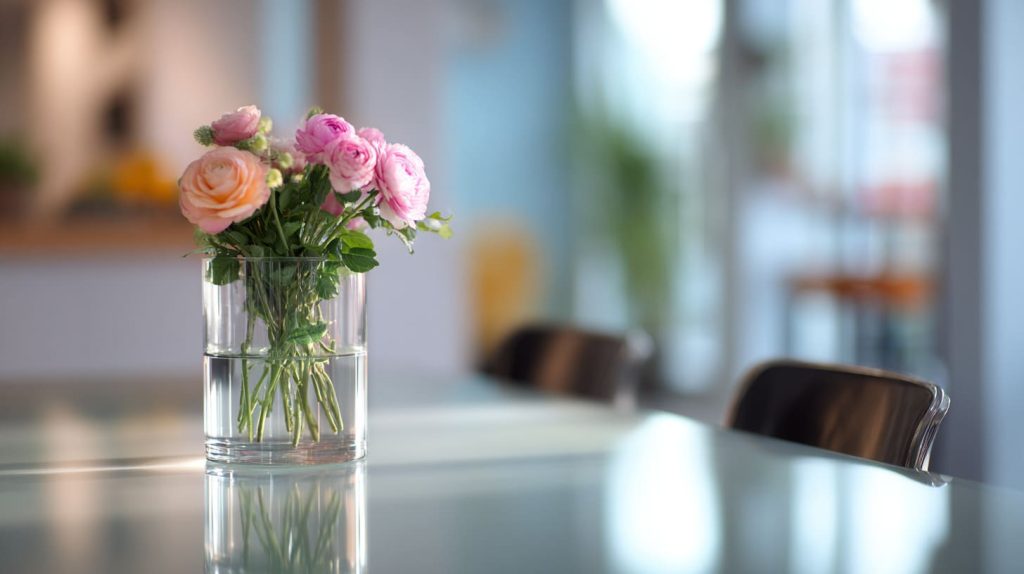
Acrylic vases are funny. They look almost invisible, so the flowers feel like they are floating.
But a vase is not just a “tube that holds water.” It is a stability problem and a sealing problem.
Minimalist Interior Design Trends
Cylinders work because they do not argue with the room.
- They fit modern décor because the form is simple
- The clarity becomes a design statement: look at what I am not showing
But clarity also exposes water lines, bubbles, and seam marks. That means your finishing quality becomes the product.
Structural Design Points
Two things decide whether people love it or hate it:
- Base stability: tall tubes tip easily
- Water sealing: a tiny leak ruins trust fast
I often compare base strategies like this:
| Base Type | Look | Stability | Manufacturing Notes |
|---|---|---|---|
| Flat acrylic disk | Clean | Medium | Needs strong bonding |
| Weighted base insert | Premium | High | Adds cost, shipping weight |
| Outer frame cradle | Modern | High | More parts, more assembly |
Bulk Customization for Retail
If this is for retail, branding matters, but it must stay tasteful.
- Logo engraving on the base feels premium
- Custom height and diameter lets a brand create a “signature shape”
I like to keep the logo small. Big logos on clear products look loud.
Now, once you’ve built a clear container that stands up and seals well, you have basically learned how to build the next thing: a dispenser. Same tube logic. Different behavior.
4. Candy, Bead, and Craft Material Dispensers
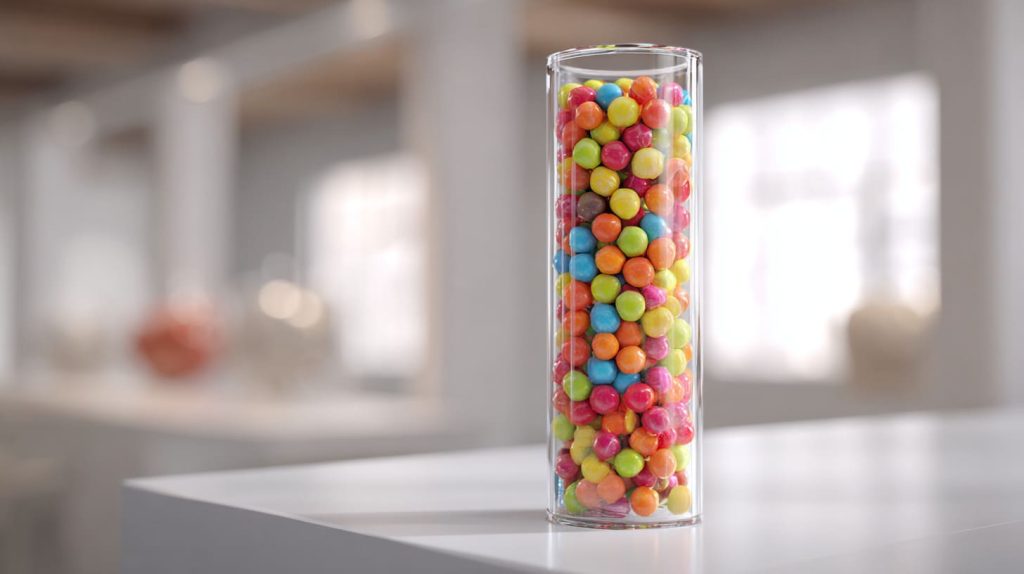
I love this category because it looks like a craft, but it behaves like packaging.
Dispensers are practical. People touch them every day. They open and close them. They shake them. They blame them when something jams.
Functional Craft Storage
Clear tubes shine here for two simple reasons:
- You can see inventory immediately
- Vertical display saves space for retail walls and hobby rooms
If your buyer sells beads or candy, visibility is not a “nice feature.” It drives sales.
Design Improvements
This is where you can get creative without getting silly:
- Sliding lids for quick access
- Rotating dispenser bases like a small carousel
- Pour spouts that control flow
Flow control is the hard part. If the opening is too wide, everything dumps out. Too narrow, and it jams.
A basic sizing table helps:
| Contents | Typical Opening Size | Notes |
|---|---|---|
| Beads (3–6 mm) | 8–12 mm | Avoid sharp edges |
| Candy (small pieces) | 15–25 mm | Food safety matters |
| Glitter / fine powder | 3–6 mm | Static becomes a problem |
OEM Considerations
If it touches food, the conversation changes.
- Food-grade material requirements must be confirmed
- Impact resistance: wall thickness matters for daily handling
- Scratch resistance: the surface will get wiped a lot
I always tell buyers: if it is “for food,” do not guess. Use clear specs and compliance expectations from the start.
And speaking of “not guessing,” the moment you build something people touch daily, you start thinking about aesthetics again. That leads naturally to art installations, where the tube becomes part of the visual language.
5. Artistic Sculpture and Installations

Some people see acrylic tubes and think “container.” Artists see them and think “light and air in solid form.”
I have worked with a client who wanted a wall sculpture made of layered clear cylinders. The design looked simple in CAD. In the real world, it became a battle between alignment, clean bonding, and scratch control.
Contemporary Art Applications
The strongest concepts I see fall into two buckets:
- Layered tube compositions that create depth through repetition
- Suspended transparent structures that move slightly with airflow
Acrylic does something nice here: it looks light even when it is thick.
Combining Materials
The tube alone can look “lab-like.” Some people love that. Others want warmth. That is where mixed materials help.
- Acrylic + metal frames → clean, industrial, sharp
- Acrylic + wood bases → warm, gallery-friendly
Here’s how I think about the pairing:
| Pairing | Feel | Risk | Best Use |
|---|---|---|---|
| Acrylic + metal | Modern, cold | fingerprints show | public installations |
| Acrylic + wood | Warm, calm | wood movement | indoor décor |
| Acrylic + acrylic | Pure, minimal | scratches stand out | art pieces |
Structural Safety
Art projects can become expensive failures if you ignore structure.
- Load-bearing limits: long tubes sag if unsupported
- Installation hardware: wall anchors, ceiling mounts, vibration
I prefer simple safety thinking: if a tube falls, will it hurt someone? If yes, design like an engineer, not like an artist.
And once you start thinking about safety and water and stability, the next idea appears naturally: water features and aquarium parts. Same tube. Higher stakes.
6. Aquarium and Water Feature Components
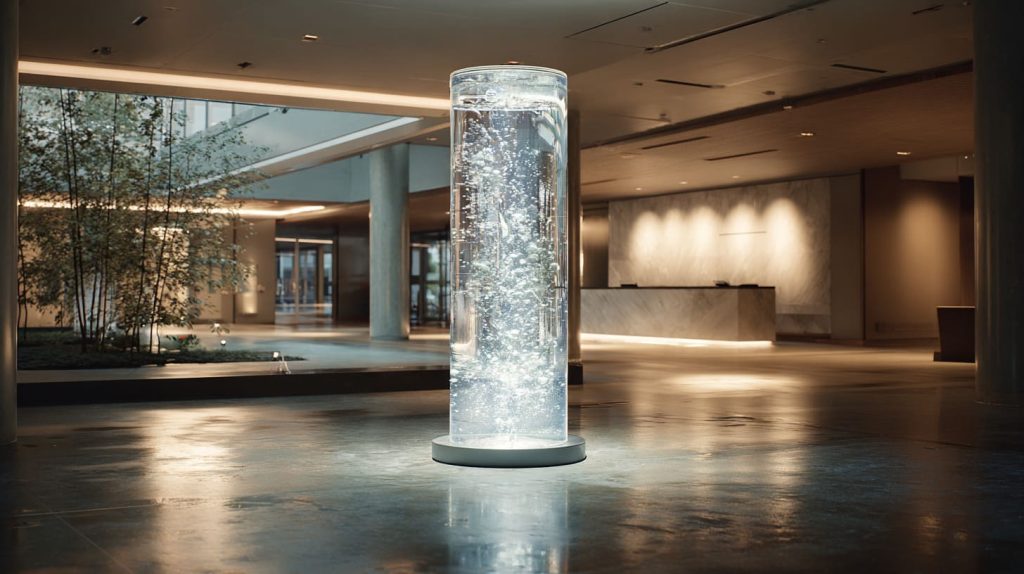
Water is honest. It finds weak bonds. It finds tiny gaps. It finds stress cracks.
That is why aquarium and water feature uses look “fun,” but they demand discipline.
Water Compatibility
Clear acrylic tubes can work well in water environments because:
- They can be waterproof with proper bonding
- They resist many forms of corrosion that hurt metal parts
But the bonding method matters more than the tube itself.
Seam Bonding Techniques
Two common approaches:
- Solvent bonding: clean and strong when done right
- Mechanical seals: O-rings and fittings, more parts but serviceable
Here is the trade-off I often share:
| Method | Strength | Serviceability | Risk |
|---|---|---|---|
| Solvent bonding | High | Low | needs clean process |
| O-ring sealing | Medium | High | more part tolerance issues |
Creative Aquatic Displays
Some ideas that look impressive and still make sense:
- Vertical fish tunnels (small species only, with careful design)
- Bubble columns for lobbies and retail spaces
The bubble column is popular because the tube becomes a “stage” for air.
Technical Concerns
This is the serious part:
- Pressure resistance: water pressure rises with height
- Long-term clarity: algae, scratches, and cleaning habits matter
If a buyer wants a tall water column, I always push them to test thickness early. It is cheaper to test once than to replace a cracked column later.
And after water, the mind goes to optics. Because acrylic is not only a container. It bends light. That is where kaleidoscopes become a fun and surprisingly technical craft.
7. DIY Kaleidoscopes and Optical Projects
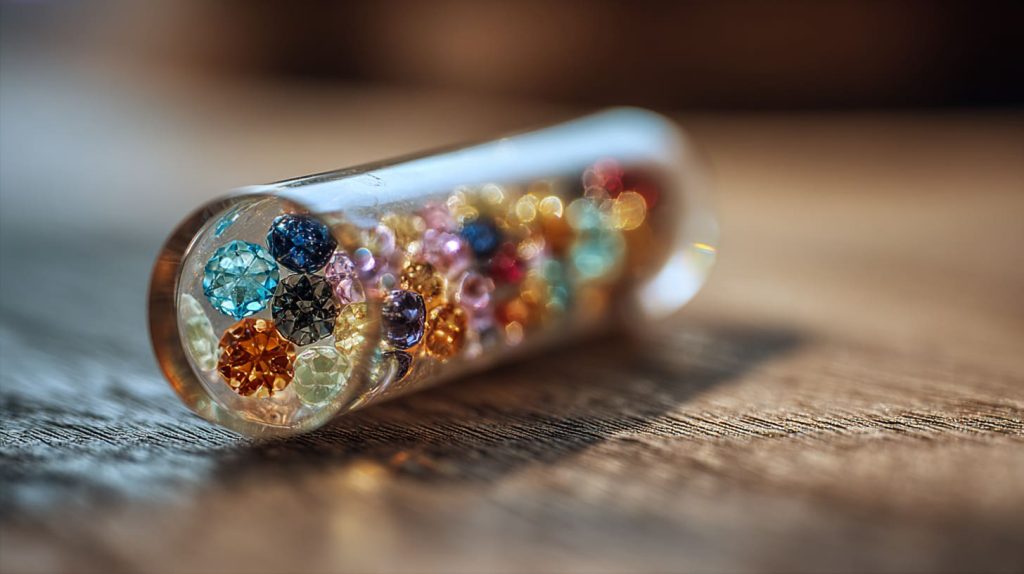
Kaleidoscopes are a perfect “design + physics” craft. They look playful. They behave like an optical instrument.
Optical Properties of Acrylic
Clear acrylic offers:
- Good clarity for light travel
- Light refraction that can create depth
But it scratches easier than glass, so the inside surface must stay clean.
Here is a quick comparison:
| Property | Acrylic Tube | Glass Tube | Why It Matters |
|---|---|---|---|
| Clarity | High | Very high | image sharpness |
| Scratch resistance | Medium | High | handling and cleaning |
| Weight | Low | High | comfort in hand |
| Machining | Easy | Hard | DIY feasibility |
Crafting Techniques
Most kaleidoscopes need three things:
- Mirror inserts (usually three strips forming a triangle)
- Decorative fillers (beads, small shapes, colored pieces)
- A rotation method so patterns shift
Acrylic tube helps because you can make it feel sleek and modern, not like a toy.
Educational Applications
This is where the “craft” becomes a product concept:
- STEM craft projects for schools
- Museum and science center gift shops
If you want it to sell, focus on the feel: smooth edges, clean seams, and no rattling.
And once you make something that feels like a product, not a hobby, you naturally end up at packaging—because packaging is where perception gets locked in.
8. Custom Packaging and Luxury Gift Tubes
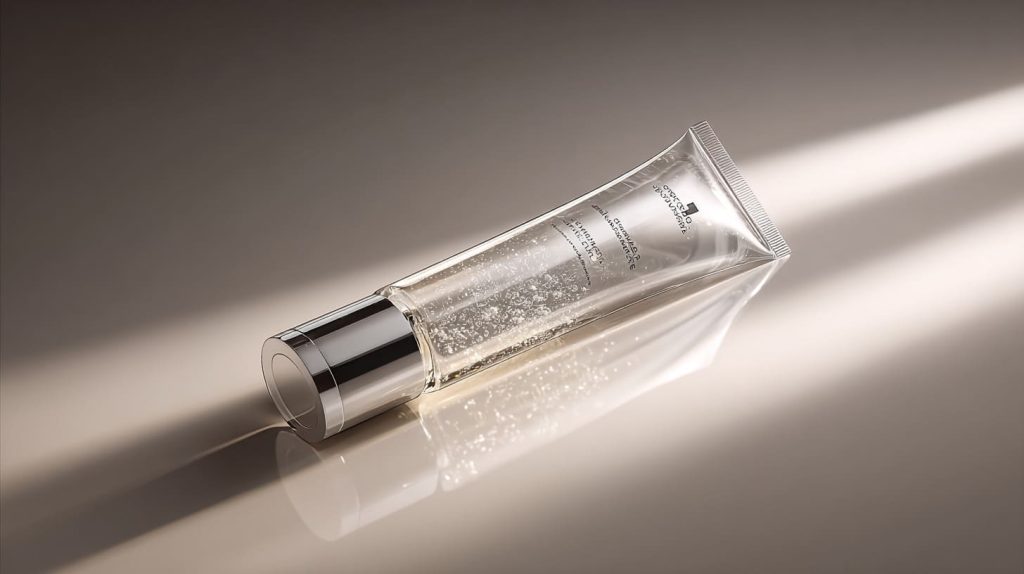
Packaging is a quiet sales person. It speaks before anyone reads your label.
Clear acrylic tubes are often used for premium packaging because they create that “display case” feeling. The item inside looks protected and important.
Premium Product Presentation
I see this trend most in:
- High-end cosmetics
- Gift sets
- Collector items
The tube lets the buyer see the product without opening it. That reduces uncertainty. And uncertainty kills conversion.
Custom Branding Options
Branding on clear materials is tricky. Too much and it looks cheap. Too little and it looks blank.
Here are the main options:
| Branding Method | Best For | Look | Notes |
|---|---|---|---|
| UV printing | full color, short runs | sharp | good for small MOQ |
| Screen printing | solid colors | strong | setup cost matters |
| Engraving logos | premium feel | subtle | needs good polish |
I personally like engraving when the brand wants a “quiet luxury” feel.
MOQ and Production Strategy
This is where buyer thinking becomes real.
- Small batch means higher unit cost
- Bulk means better pricing, but you need confidence in the design
Here is how I explain it:
| Strategy | When It Fits | Risk |
|---|---|---|
| Small batch | new product test | unit cost high |
| Bulk production | proven product | inventory risk |
And after packaging, the mind jumps again: if tubes can present luxury items, can they also behave as “industrial décor” inside furniture? Yes. But you must respect load and structure.
9. Industrial-Style Furniture Accents
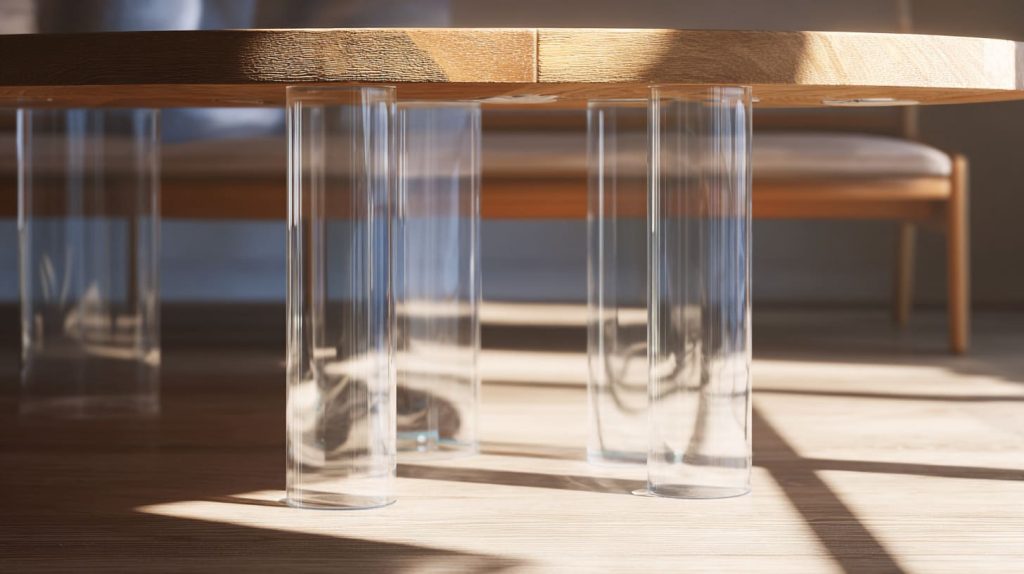
Industrial-style furniture loves materials that look honest. Metal. Wood. Concrete. Clear acrylic feels like a strange guest at that party—until you use it as an accent.
Then it becomes a clean contrast. Almost like negative space you can touch.
Structural Decorative Uses
Here are two practical uses I see:
- Table legs as a visual “floating” effect
- Protective sleeves over metal rods or joints
Acrylic sleeves are underrated. They can protect surfaces and also make the design look cleaner.
Mechanical Strength Insights
Acrylic is stiff, but it is not rubber. It can crack if stressed wrong.
So I focus on thickness and load direction:
| Use Case | Load Type | Suggested Thickness | Notes |
|---|---|---|---|
| Decorative sleeve | low | 2–3 mm | mostly visual |
| Medium support leg | medium | 5–8 mm | needs good base |
| Heavy load leg | high | 10 mm+ | design carefully |
B2B Custom Project Advice
If you are sourcing for furniture parts, two details decide success:
- Precision cutting tolerances so parts fit without stress
- International shipping protection so tubes do not get scratched or cracked
I always remind buyers: a scratch on clear acrylic feels like a crack in trust. Pack it like it is a lens, not a pipe.
Now, after furniture, there is one last category where tubes become surprisingly powerful: education and scientific models. Because a tube is not just a shape—it is a controlled environment.
10. Educational and Scientific Models
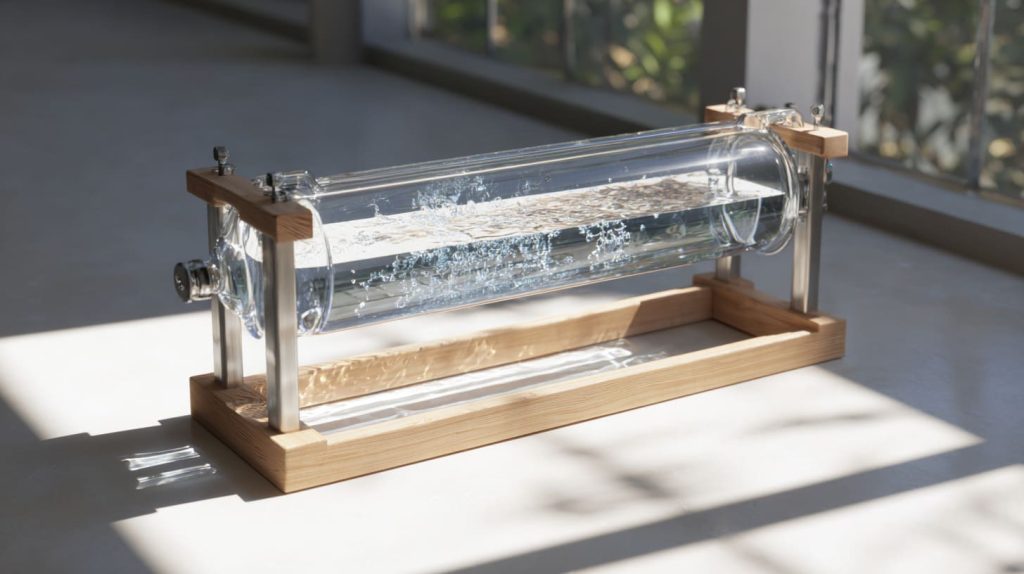
When a tube is used in education, it stops being “craft material.” It becomes a teaching tool. That means it must be clear, safe, and repeatable.
Demonstration Tools
Clear acrylic tubes are perfect for showing movement:
- Fluid flow models (water, air, bubbles)
- Mechanical cross-section displays for explaining how parts sit inside
In these projects, clarity is not decoration. It is the function.
Prototyping Advantages
For designers and engineers, acrylic tubes are also a prototyping shortcut:
- Easy machining
- CNC and laser processing
- Fast iteration without tooling
That is why I see tubes used in mockups, lab rigs, and product demos.
Long-Term Durability
Educational tools get handled a lot. So I think about:
- UV stability if used near windows
- Chemical resistance if used with oils, cleaners, or solvents
A simple durability table helps:
| Risk | What Causes It | How to Reduce It |
|---|---|---|
| Scratches | wiping, rough handling | protective film, proper cleaning cloth |
| Yellowing | UV exposure | UV-resistant material |
| Cracks | stress at holes | add chamfers, avoid sharp corners |
When I look back at these 10 uses, I see one theme: the tube is simple, but the decisions around it are not. That is where most products win or lose.
Conclusion

Clear acrylic tubes are one of those materials that quietly unlock a lot of design options. I can turn them into plant displays, lights, vases, dispensers, sculptures, water features, optical toys, packaging, furniture accents, and even scientific teaching tools. The range is huge.
But the real difference between a “nice idea” and a real product is not the concept. It is the material choices and the process choices:
- Thickness and diameter decide strength and stability
- Surface finish decides whether it looks premium or cheap
- Bonding and sealing decide whether it survives real use
- Packaging and scratch control decide whether it arrives looking perfect
If you are a designer like Jacky, I think the smartest move is simple: treat the acrylic tube like a lens. Handle it, finish it, and pack it with that respect. It will pay you back.
If you are planning a custom project and you want help choosing tube specs, finishes, and production methods, you can reach out to us at Feilong Acrylic. We do B2B custom work only, and we help buyers turn clean ideas into repeatable production—fast lead times, stable quality, and clear communication.
Website: flacrylic.com