Skip to content

I've been navigating the world of PMMA acrylic sheets for quite some time, and I've learned that finding reliable importers can be a bit of a journey. Let me share what I've discovered along the way.
Finding importers of PMMA acrylic sheets involves exploring international trade directories, leveraging professional networks, and attending industry-specific trade shows. Utilizing online platforms like Alibaba or Global Sources can also connect you with potential importers. Knowing the customs codes and commodity classifications simplifies communication and ensures a smoother import process.
Let's delve deeper into some crucial aspects that can help you in your search.
What is the customs code for acrylic sheet?
Understanding the customs code is essential when importing acrylic sheets, as it affects duties and regulations. I've found that having the correct code can make the import process much smoother.
The customs code for acrylic sheets, specifically PMMA, is typically classified under HS Code 3920.51. This code refers to plates, sheets, film, foil, and strip of polymers of methyl methacrylate, non-cellular and not reinforced.

Getting the customs code right is more than just a bureaucratic step—it's crucial for ensuring that your shipment doesn't get held up at the border. The Harmonized System (HS) Code 3920.51 is internationally recognized and helps customs officials determine applicable duties and taxes. In my experience, misclassifying your goods can lead to unexpected costs or delays.
When dealing with PMMA acrylic sheets, it's important to note that they fall under the category of non-cellular and not reinforced plates or sheets. This distinction is significant because different materials or treatments can alter the HS code. For instance, if the acrylic sheet is reinforced or has cellular structures, it may fall under a different classification.
Here's a quick reference table:
| Material Description | HS Code |
|---|---|
| PMMA Acrylic Sheets (non-cellular, not reinforced) | 3920.51 |
| Reinforced or Cellular Acrylic Sheets | Varies |
Always double-check with your local customs authority or a customs broker to ensure you're using the correct code. This proactive step can save you time and money in the long run. Additionally, proper classification helps in complying with international trade laws and regulations, which is essential for maintaining good business practices.
Are PMMA and acrylic the same thing?
I've often been asked whether PMMA and acrylic are the same, and it's a great question that can cause some confusion.
Yes, PMMA (Polymethyl Methacrylate) and acrylic refer to the same material. PMMA is the chemical name, while acrylic is the common term used in the industry for this transparent thermoplastic.

Understanding the terminology can be quite important, especially when communicating with suppliers or clients. PMMA stands for Polymethyl Methacrylate, which is the full chemical name of the material commonly known as acrylic. It's a transparent thermoplastic often used as a lightweight or shatter-resistant alternative to glass.
In my dealings, I've noticed that some suppliers prefer to use the term PMMA, especially in technical documents or when discussing specifications. Others might simply call it acrylic or even plexiglass, which is actually a brand name that has become a generic term in some regions.
Here's a brief breakdown:
- PMMA: The chemical name, emphasizing the material's composition.
- Acrylic: The common industry term, widely recognized and used in various applications.
- Plexiglass: A brand name that has become synonymous with acrylic sheets.
Understanding that these terms are interchangeable can help prevent misunderstandings. For example, when specifying materials for a project, knowing that PMMA and acrylic are the same ensures that everyone is on the same page.
Moreover, being aware of this can aid in searching for suppliers or importers. Some companies might list their products under PMMA, while others use acrylic. Expanding your search terms can lead to more opportunities and connections in the industry.
What is the recycling code for PMMA?
As sustainability becomes increasingly important, knowing the recycling code for materials like PMMA is essential for environmental compliance.
The recycling code for PMMA acrylic is typically classified under the resin identification code '7 – Other'. This code covers plastics that don't fit into categories 1-6, including acrylics like PMMA.
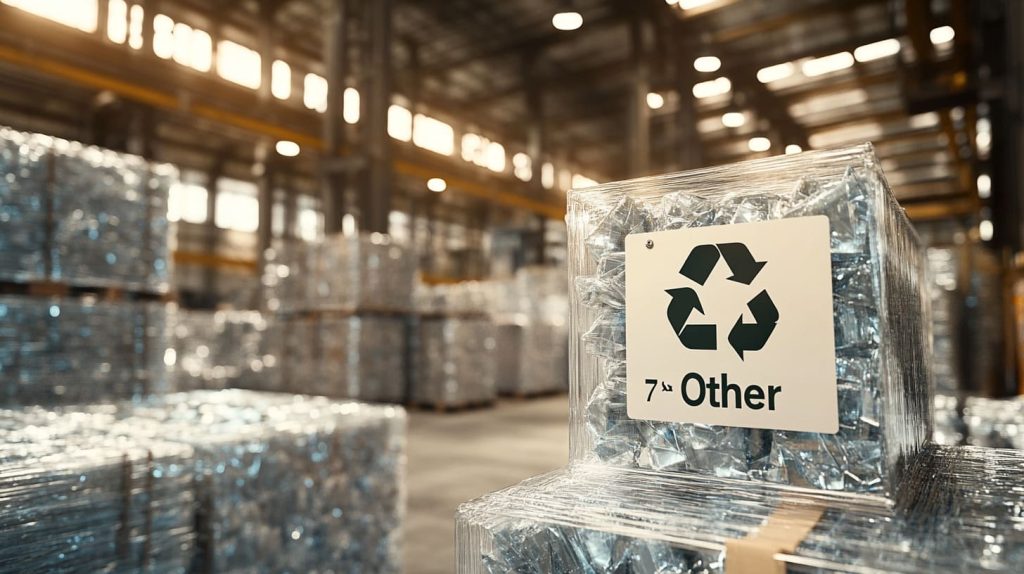
Recycling PMMA acrylic sheets isn't as straightforward as recycling more common plastics like PET or HDPE. The resin identification code '7 – Other' is a catch-all category that includes various plastics not classified under codes 1 through 6. This includes specialized plastics like PMMA.
From my perspective, understanding this code is crucial when disposing of acrylic waste or planning for recycling programs. While PMMA is recyclable, facilities capable of processing it may be less common. Therefore, it's important to coordinate with recycling centers to ensure proper handling.
Environmental responsibility not only benefits the planet but can also enhance your company's reputation. By properly recycling PMMA, we can reduce landfill waste and promote the reuse of materials. Additionally, some manufacturers offer take-back programs or use recycled PMMA in their products.
Here's a summary:
- Recycling Code: 7 – Other
- Recyclability: Yes, but requires specialized facilities
- Environmental Impact: Recycling reduces waste and resource consumption
Incorporating recycling practices into your business operations can also appeal to environmentally conscious clients and partners. It demonstrates a commitment to sustainability, which is increasingly valued in today's market.
What is the commodity code for PMMA?
Knowing the commodity code for PMMA is vital for international trade, as it affects tariffs and regulatory requirements.
The commodity code for PMMA, or acrylic polymers in primary forms, is 3906.10 under the Harmonized Tariff Schedule. This code is used for customs declarations and international shipping documentation.
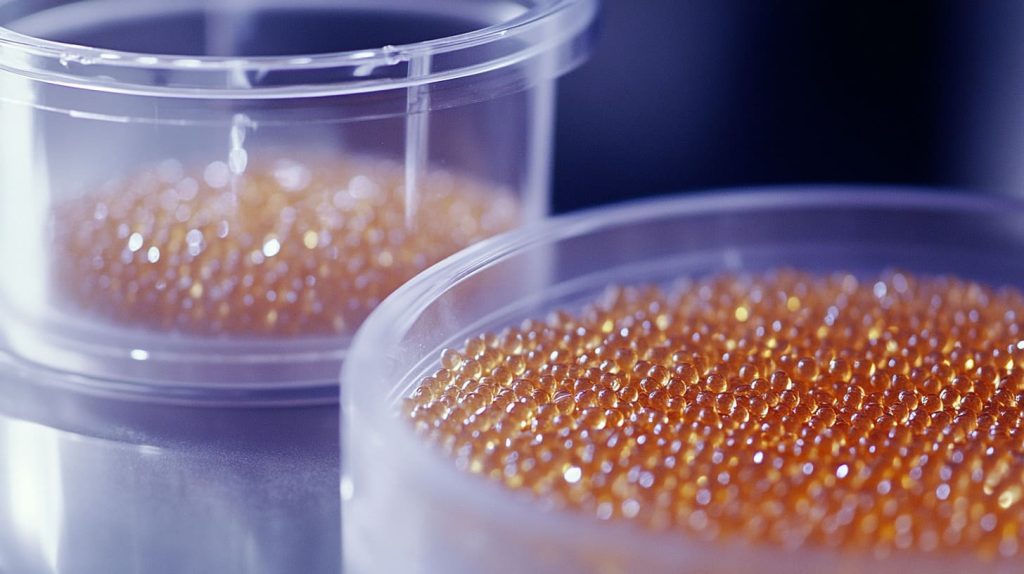
The commodity code, also known as the HS code, is a standardized numerical method of classifying traded products. For PMMA in its primary form, the code is 3906.10. This classification is essential when importing or exporting, as it determines the tariffs, duties, and regulations that apply.
In my experience, accurately declaring the commodity code ensures compliance with international trade laws and can prevent costly delays or fines. It's important to distinguish between PMMA in its primary form (like raw granules) and finished products (like sheets or molded items), as the codes differ.
For example:
- PMMA in primary form (granules, pellets): HS Code 3906.10
- PMMA Acrylic Sheets: HS Code 3920.51 (as previously discussed)
Using the correct code helps customs officials assess the appropriate duties and verify that all regulatory requirements are met. It also facilitates smoother logistics and supply chain management.
I recommend consulting with a customs broker or using official resources to confirm the correct commodity codes for your specific products. This proactive approach can save time and resources, ensuring that your international trade operations run efficiently.
Conclusion
Navigating the complexities of importing PMMA acrylic sheets can seem daunting, but with the right information, it becomes much more manageable. Understanding customs and commodity codes, as well as material specifics, empowers you to make informed decisions and connect with reliable importers.