Skip to content
I remember the day I almost shattered my favorite wedding photo by tripping over a power cable. I realized then how vulnerable glass frames can be. Since I’ve always loved displaying special moments on my walls, I began seeking safer and fresher ways to showcase my pictures. That’s when I discovered alternative materials that can replace glass frames. Today, I want to share what I’ve learned about why we might consider something different from glass.
Limitations of Traditional Glass Photo Frames
Sometimes, we only see the beautiful shine of a glass frame. But if we step back, we might notice a few issues that could disrupt our decorating plans.
Safety and Fragility Concerns
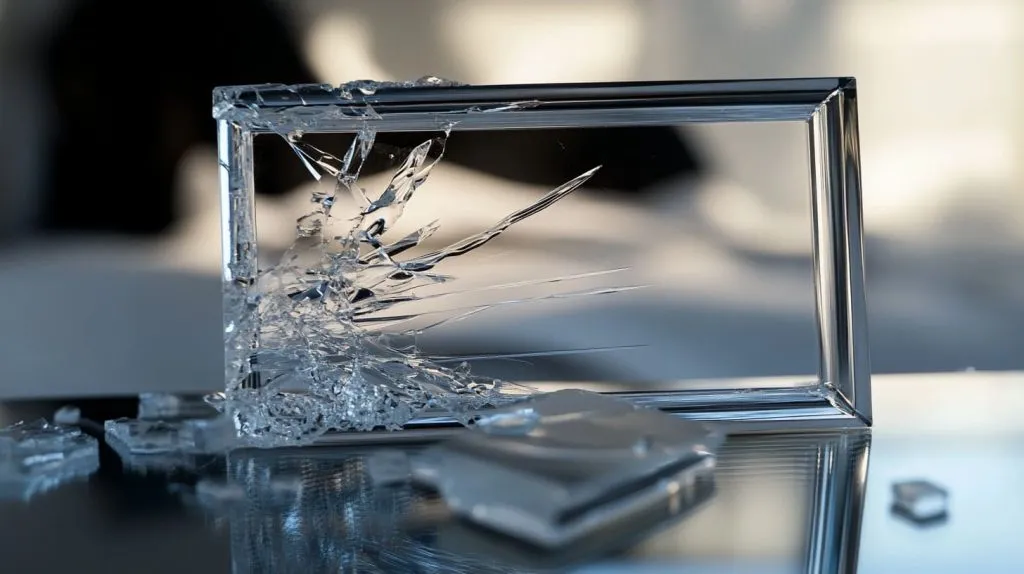
I was once helping a friend organize a small art show at her local community center. We placed glass frames on a few pedestal stands. One little nudge nearly caused a cascade of broken glass. That moment made me think critically:
- Risk of breakage and injury: Glass frames, if they fall, can cause dangerous shards.
- Impact on installation and maintenance: Cleaning and moving fragile glass is a constant worry.
I still love the clarity of glass, but it seems like a headache when I have to plan around the danger factor.
Weight and Handling Issues
My friend Jacky from Canada always complains about shipping costs whenever he orders glass frames in bulk. Here’s a simple table that breaks down why glass can be problematic:
| Aspect | Glass | Alternatives (Acrylic, etc.) |
|---|---|---|
| Weight | Heavy | Lighter |
| Shipping Costs | High | Reduced |
| Handling & Install | Difficult, needs caution | Easier, safer |
He’s had to spend more on logistics for fragile cargo. That makes me wonder if there’s a simpler, lighter material that would still protect photos.
Environmental and Sustainability Considerations
I’ve read about the energy demands of glass production. It often involves high temperatures and significant resources:
- Energy-intensive processes: Creating glass requires heating raw materials to very high temperatures.
- End-of-life recycling: Glass can be recycled, but not always efficiently. It depends on local facilities and cleanliness of the material.
We need to think carefully about our footprint, especially in these days of increased awareness about the environment.
Aesthetic and Functional Limitations
I love modern designs and playful shapes. Glass frames sometimes limit me because:
- Restricted design flexibility: Curved or intricately cut glass is not always feasible.
- Integrating modern trends: Backlighting or layered designs can be complicated with glass.
I wanted a more adaptable material. One that isn’t overly expensive to shape or modify. This curiosity led me to a different path.
Just as I was losing hope, I stumbled on another possibility. It changed my perspective and made me rethink my entire photo framing strategy.
Acrylic as a Viable Alternative
I used to think of acrylic as something for store displays, but then I started to see it in home décor. Turns out, acrylic can replace glass without sacrificing clarity or style.
Material Properties and Advantages
I remember the first time I held an acrylic frame in my hands. It felt sturdy, yet light:
- High transparency: Acrylic frames offer a crystal-clear view of photos.
- Impact resistance: Acrylic is far less likely to shatter compared to glass.
Many folks appreciate how it maintains a polished appearance over time. For me, it’s nice that I don’t have to tiptoe around it like glass.
Customization and Design Flexibility
I run a small creative workshop, so I enjoy exploring custom designs. Acrylic can be:
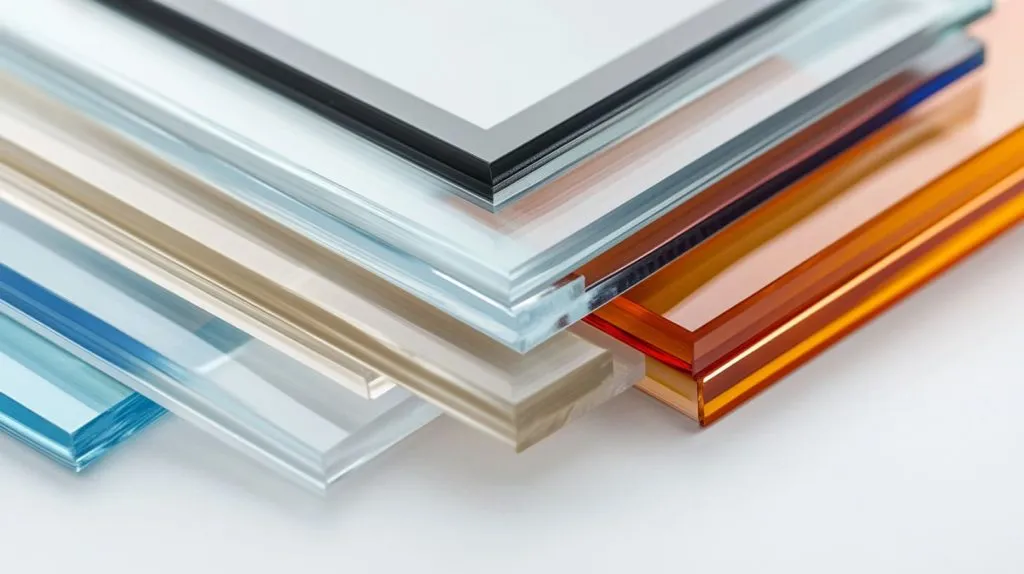
- Tailored by thickness, color, finish: Thick acrylic blocks, tinted frames, or glossy surfaces.
- Shaped with laser and CNC: My team has used advanced cutting to craft unique silhouettes.
This flexible nature means I can push design boundaries without worrying about breakage.
Durability and Safety Benefits
I tested the durability by dropping a small acrylic tabletop frame from my coffee table. The photo and the frame were perfectly fine:
- Lightweight but robust: Less chance of accidents if it tips over.
- Reduced risk of cracks: No more heartbreak over shattered glass edges.
When I show friends how resistant it is, they often want to switch from glass. It’s surprisingly easy to maintain, too.
Production Efficiency and Lead Times
I learned about acrylic frames through several manufacturers, including my own experience at Feilong Acrylic. From what I’ve seen:
- Fast turnaround: Acrylic can be processed quickly on modern machines.
- Certifications matter: ISO9001 and GSG-certified lines ensure consistent quality.
I was relieved that the lead times are shorter, especially for custom orders. This is perfect for my bulk projects that can’t wait.
I was amazed to discover other possibilities beyond acrylic. This pushed me to explore even more alternatives and weigh all options before I settled on my final choice.
Exploring Other Alternative Materials
Though acrylic hits the mark for many uses, I also tested other materials to see what else might work.
Polycarbonate Frames
Polycarbonate is a robust contender. I’ve noticed:
- Durability vs. cost: It can be tougher than acrylic but often pricier.
- Niche applications: It’s great when you need super-strong impact resistance, like in high-traffic places.
A friend in retail told me polycarbonate frames handle daily bumps well. However, the higher cost may not be ideal for budget-focused projects.
Wooden and Metal Frames
Sometimes, I crave a warm rustic look or a sleek industrial vibe:
- Wood’s aesthetic appeal: It can create a cozy, classic setting, but wood can warp if it isn’t treated properly.
- Metal frames: They can bring a modern or antique feel, depending on the finish.
If I have a large order for a corporate office, I check how the final aesthetic aligns with their brand. I often compare design samples in a simple table:
| Material | Aesthetic | Durability | Cost |
|---|---|---|---|
| Wood | Warm, classic | Medium | Varies |
| Metal | Sleek or antique | High | Higher |
| Acrylic | Modern, clear, or tinted | High | Moderate |
It’s a good way to see each material’s pros and cons side by side.
Hybrid Material Solutions
I once saw a frame with an acrylic front, wooden edges, and metal accents. It caught my eye because it combined different textures:
- Enhanced functionality: Each material lends its best features.
- Trends: People love the look of mixed materials that stand out.
I find these hybrids intriguing, though they can be tricky to produce in bulk. Sometimes you have to balance the cost and complexity of using multiple materials.
I found all these options enlightening, but then I wondered: where do these frames fit best? That question pulled me into exploring the various settings where these materials truly shine.
Application Scenarios and Market Trends
I’ve seen frames in almost every environment you can imagine—homes, malls, offices, galleries. Let’s break down some of the popular uses.
Residential and Office Displays
I regularly visit clients to see how they showcase pictures:
- Modern living: Sleek frames in living rooms that blend with minimalist furniture.
- Corporate environments: Simple frames for diplomas, awards, or motivational posters.
One design agency I know took advantage of acrylic’s customizable shape to create a circular photo board. This ignited my enthusiasm for creative projects.
Commercial and Retail Applications
My friend Jacky usually manages large retail orders. He told me that photo frame alternatives like acrylic allow for more dynamic displays:
- Promotional setups: Acrylic frames can handle frequent sign changes.
- High-traffic zones: Scratches or impacts are less of a nightmare than with glass.
He often tells me how retailers appreciate durable frames because they cut down on replacement costs.
Art Galleries and Museum Installations
I once helped with an art installation for a local museum:
- Material clarity: Acrylic’s transparency worked well for showcasing delicate sketches.
- Custom solutions: For large or intricate art pieces, specialized designs were crucial.
They valued how the frames protected artworks from damaging UV light (with the right acrylic) and had minimal glare. This level of care helps preserve the pieces for longer.
After seeing how different places put these frames to work, I realized how essential quality and production methods are to maintain consistency at scale.
Quality, Manufacturing, and Sustainability Considerations
I’m passionate about making sure my frames last. So I looked into what makes a reliable production process.
Production Excellence in Custom Acrylic Solutions
At Feilong Acrylic, where I’ve worked on custom projects:
- Advanced production lines: We have five lines, each equipped with modern CNC machines.
- Skilled workforce: About 150 experts handle everything from cutting to polishing.
This setup ensures accuracy at every step. I’ve been proud to share these details with clients who value craftsmanship.
Quality Control Standards and Certifications
I’ve noticed that standards such as ISO9001 aren’t just for show:
- ISO9001: Guarantees consistent quality management.
- Eco-friendly certifications: GSG-certified acrylic means safer materials for my customers and the environment.
Clients sometimes ask if the frames are safe for their homes or stores. With these certifications, I can confidently say yes.
Environmental Impact and Sustainable Practices
At times, people ask me if acrylic is eco-friendly. I usually explain:
- Acrylic vs. glass: While both have pros and cons, acrylic is often less energy-intensive in the long run due to its lightweight nature and durability.
- Eco-friendly manufacturing: Many factories invest in greener production methods and responsible waste disposal.
I’m encouraged when I see companies improving their processes to lessen environmental harm. That’s one reason I enjoy designing with acrylic. Yet, beyond quality, the look and feel of a frame are often what truly wins hearts.
Design Trends and Customization Opportunities
I’ve always felt that a frame should complement the photo it holds. Here’s what I’ve discovered about the latest design movements.
Modern Aesthetics and Minimalistic Designs
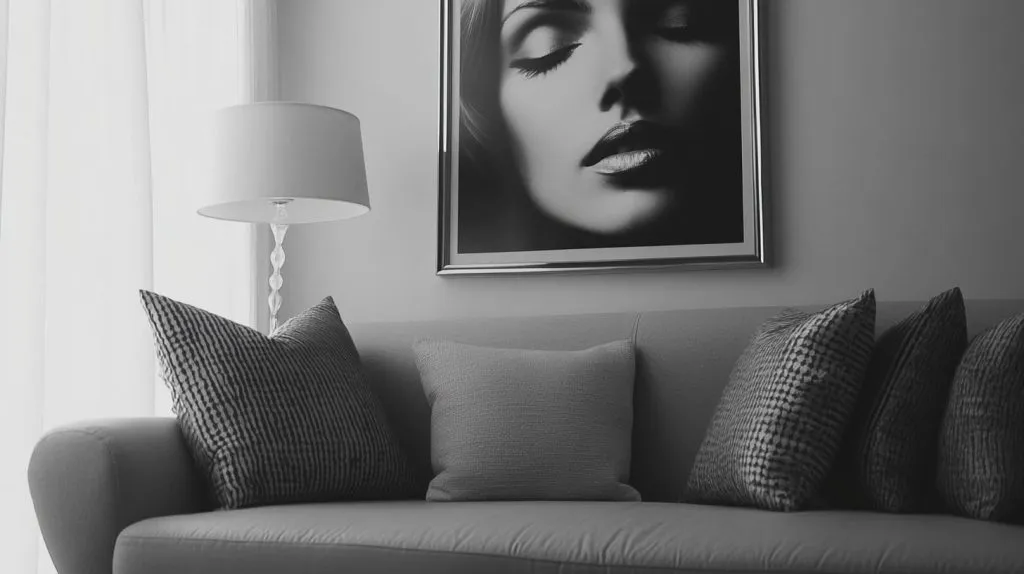
I love how acrylic frames align with a minimalistic vibe:
- Sleek lines: No bulky edges, so the photo becomes the focus.
- Functional style: Some frames have magnets or built-in stands for effortless setup.
People who crave that contemporary look often find acrylic frames perfect. They don’t overshadow the picture or the wall.
Personalized and Bespoke Frame Solutions
I frequently get requests for personalizing frames—like a name or a special date etched into the surface. Customization can make a frame more meaningful:
- Bulk vs. personal orders: For larger businesses, it might be a company logo. For personal gifts, maybe a heartfelt message.
- Successful custom projects: My favorite was creating a set of frames shaped like puzzle pieces for a wedding party. Each piece held a photo of a guest.
It’s moments like these that keep me excited about possibilities.
Future Outlook in Photo Frame Design
In my opinion, the future of frames is evolving with technology:
- Market shifts: New materials and finishing methods are emerging.
- Role of custom manufacturing: It lets people express their individuality and brand identity in unique ways.
I believe frames will continue to merge with digital elements or new coatings. But even in a world where screens dominate, there’s something timeless about a physical frame that holds cherished memories.
Conclusion
I’ve tried glass, acrylic, metal, wood, and a few other fancy combinations. They all have their place, but I find acrylic meets most of my needs—durability, clarity, safety, and design flexibility. Plus, it’s less nerve-wracking than handling glass. If you’re open to new ideas, take some time to compare these options. Finding a material that fits your aesthetic, budget, and practical requirements can help you preserve memories without constant worry.
When I see a well-designed acrylic frame around a treasured photo, it feels like the picture itself is floating. No heavy edges, no fear of breakage, just pure focus on the memory. And that, for me, makes it worth exploring alternatives to glass.