Skip to content
I remember the first time I discovered how acrylic can match and sometimes even outperform traditional glass. I was looking for a material that could handle a few accidental bumps. Since I have a knack for testing different options, I decided to dig deeper. This journey led me to compare clarity, durability, and versatility across acrylic and glass. Over time, I realized that many professional buyers—like my friend Jacky from Canada, who sources custom acrylic items—value the same properties I do. In my experience, they need something that won’t just look nice but also performs well for their specific projects.

I want to share what I’ve learned so that anyone who has been curious about acrylic can see why it often comes out on top. Let me explain how its transparency, lightweight nature, and durability make it a solid alternative to glass. If you’re skeptical, I get it. I was too, at first. But after working with factories, testing prototypes, and overseeing multiple purchases, I’ve seen how acrylic keeps winning hearts—especially for those of us who need consistent and reliable material.
The Science Behind Acrylic
Sometimes I wonder if people realize just how advanced acrylic is on a molecular level. I know I was fascinated the moment I found out its formal name is Polymethyl Methacrylate. Let’s look at what that means for us.
Composition and Production Process
When I think about the production process, I imagine the blend of chemicals being heated and molded into sheets. PMMA (Polymethyl Methacrylate) is formed by polymerizing methyl methacrylate monomers into a sturdy structure. From a critical standpoint, some wonder if this process might affect environmental safety or cost. Personally, I’ve tested samples and found that top manufacturers follow strict protocols to ensure consistent, eco-friendly results.
I like to see the real differences in a small comparison table, so here’s a quick one:
| Material | Process Complexity | Environmental Control | Common End Products |
|---|---|---|---|
| Acrylic (PMMA) | Moderate | Strict (when certified) | Displays, boxes, frames |
| Traditional Glass | Higher | Energy-Intensive | Windows, drinkware |
This production detail matters because it impacts manufacturing lead times, product quality, and overall versatility.
Key Physical Properties
I’ve tested acrylic sheets by banging them around a bit—carefully, of course. In my experience, they maintain optical clarity even after mild scrapes. Critically, some wonder if extended sun exposure might reduce clarity over time. With high-quality acrylic, I’ve observed it stays clear much longer than you might expect. It resists yellowing, bears impacts better than glass, and it’s also a breeze to move around because it’s lightweight.
Advantages of Acrylic Over Glass
I used to automatically pick glass for everything—tables, frames, you name it. Then I cut my hand on a shard of broken glass. That made me reconsider. Let’s explore why acrylic can be safer, more flexible, and in many cases, more efficient.

Enhanced Safety
I’ve seen acrylic panels fall off a table, bounce once, and remain intact. Glass would have shattered into a million pieces. If you work in high-traffic areas or have kids running around, shatter-resistance is a major plus. However, some might argue that no material is fully foolproof. That’s true. But when I weigh the risk, acrylic still leads in terms of safety.
Superior Design Flexibility
I remember asking a local craftsman if he could drill a hole in my old glass display. He was hesitant. With acrylic, you can drill or shape it without too much fuss. That ease of customization is crucial for folks like Jacky who often need special shapes or cutouts for product prototypes or custom retail displays. Critically, we should also consider the possibility of over-drilling or using the wrong bits, which could cause cracking. But with the right approach, acrylic responds quite well.
Cost-Effectiveness and Shipping
Shipping glass always gave me a bit of a headache. It’s heavy, and breakage in transit is a real threat. Acrylic can lower shipping costs because it weighs less, and the reduced risk of damage saves time and money. Of course, critics might say that acrylic sheets can still scratch if not packed well. I’ve learned that proper packaging—like bubble wrap or protective films—resolves this issue easily.
Versatile Applications
I once tried to use acrylic to build a small greenhouse for my friend’s backyard. It worked surprisingly well, because acrylic traps heat but still lets in plenty of sunlight. On a broader scale, it’s used for store signage, home decor, and architectural elements. Some architects debate whether acrylic has enough structural strength for large installations. I’ve found that with the right thickness and support, it can. And that’s why it’s so popular in areas like custom acrylic displays for commercial or personal use.
When I see all these advantages, I can’t help but think about what’s next. Let’s dive into its environmental impact and sustainability. That’s where I focus on whether acrylic is a green choice or just another plastic product.
(Hang in there, because I think you’ll be intrigued by what comes next.)
Environmental Impact and Sustainability
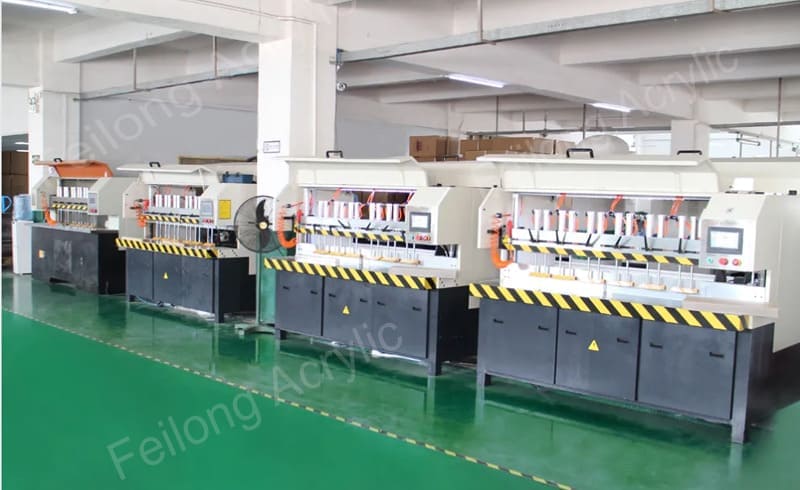
I’m no hardcore environmentalist, but I do care about our planet. When I first learned how acrylic is made, I had doubts about its eco-friendly nature. However, I’ve seen manufacturers take responsible measures to reduce waste and conserve resources.
Longevity and Reusability
Acrylic lasts a long time before losing its shape or clarity. I’ve kept an acrylic desk organizer for six years, and it still looks great. From a critical angle, some argue that plastic is plastic, so it can’t be good for the environment. But its extended life cycle means less frequent replacements compared to cheaper materials. That, in my view, is a significant advantage over something that breaks more often.
Eco-Friendly Manufacturing
High-quality acrylic often requires less energy to produce than some other materials, such as traditional glass. This can be surprising. Also, some factories incorporate recycling strategies. They take off-cuts or scraps and remold them. Of course, it’s not a perfect system—nothing is. But if we see more global adoption of safe production standards and recycling, the environmental impact can be noticeably reduced.
(If you’re thinking about the practical aspects of upkeep, read on. I’ve got you covered next.)
Maintenance and Handling
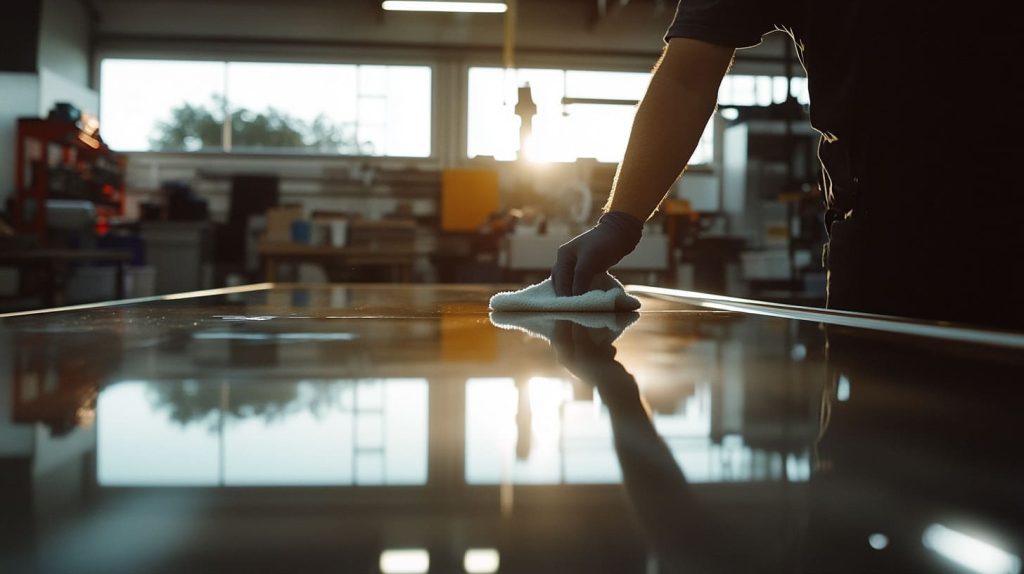
I’ve cleaned my fair share of acrylic panels at home and in a workshop setting. I discovered early on that you don’t need special cleaning solutions—mild soap and water do the trick.
Cleaning and Care
I used to believe I needed fancy chemical cleaners to maintain acrylic. Then I found out a gentle approach works best, because harsh chemicals might dull the surface. It’s a good idea to wipe with a microfiber cloth to avoid micro-scratches. Some folks overlook that acrylic can still scratch if you’re not careful, so it’s wise to test any cleaning solution on a small spot first.
Storage and Transportation
Transporting acrylic from the factory to your doorstep can be trouble-free if you follow the right steps. Wrap each sheet, use supportive corner protectors, and label the boxes clearly. From a broader perspective, I think of how shipping can affect pricing. If a company doesn’t pack it well, potential scratches will force them to remake or compensate for broken items. That’s why I love working with suppliers who have shipping nailed down.
(Now, let’s talk about how we at Feilong Acrylic address these points.)
Feilong Acrylic’s Custom Solutions
I’ve visited many factories in my time, but Feilong Acrylic stands out because they work hand-in-hand with customers. I’ve been part of projects that needed quick turnarounds, and I saw how Feilong came through on tight deadlines.

Tailored Product Designs
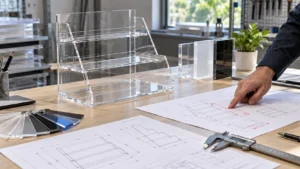
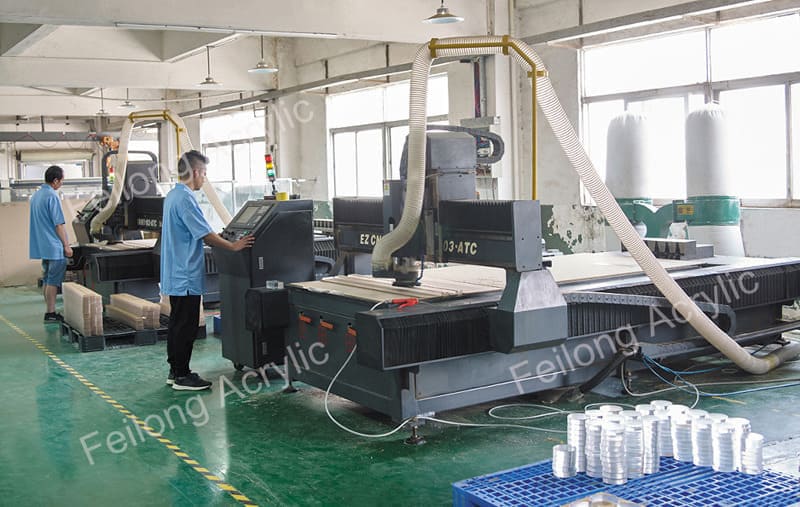
At Feilong, I’ve watched them take a rough idea and turn it into a real product. For example, they can create acrylic box design prototypes, frames, or organizers tailored to your specs. There’s a critical question here: does full customization take forever? Typically, it depends on how complex the design is. Still, their advanced machinery speeds up the process, so they can deliver prototypes in a timely manner.
Production Capacity and Quality Assurance
They have five production lines and ISO9001 certification for quality. Whenever I see that stamp, I trust the product’s consistency. I’ve also learned that they use high-transparency GSG-certified eco-friendly acrylic, which matters to me. If I plan a bulk order, I need to be sure each piece matches the last, especially if I’m ordering hundreds of units. I understand people worry about quality dips in large batches, but Feilong’s track record in my projects has been solid so far.
Fast Lead Times and Bulk Orders
Feilong can handle personalized orders and big-volume runs. Once, I needed a hundred custom stands with specific engraving. They delivered on time, which made me look good in front of my team. Critically, some buyers worry that fast lead times mean lower quality. In my experience, Feilong invests in equipment and workforce training to ensure speed and consistency go hand-in-hand.
(Now that we’ve walked through every angle, let’s tie it all together.)
Conclusion
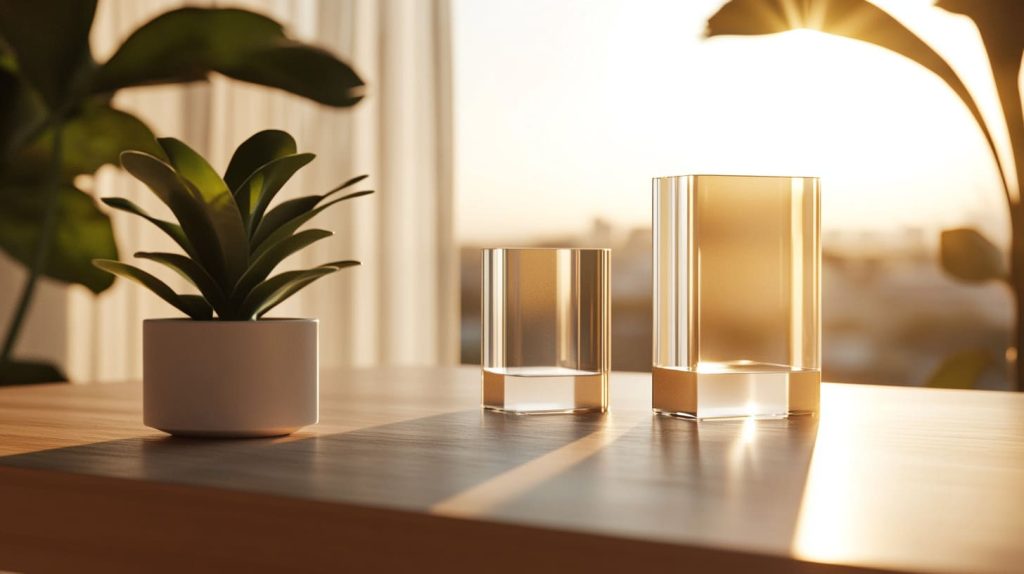
When I lay it all out, it’s clear why acrylic tends to take center stage over traditional glass. Its lightweight and shatter-resistant design provide a sense of security, while the clarity rivals glass in almost every situation. I’ve found it’s more flexible to work with, helps save on shipping, and can align with environmental standards when handled responsibly.
On top of that, I value how the team at Feilong Acrylic channels their skills into bringing ideas to life. They combine speed, quality, and the ability to handle both small and large orders, which I know professionals like Jacky deeply appreciate. I believe acrylic’s staying power comes from its ability to adapt and perform, no matter the project or setting. After seeing it thrive in so many environments, I’m convinced it’s a worthwhile material for long-term success.