Skip to content
Creating custom Point of Purchase (POP) displays is more than just putting a product in front of a customer—it's about capturing attention and driving decisions right at the moment they matter most. Whether you're launching a new product or looking to refresh an existing display, a well-crafted POP display can make a world of difference in your sales strategy. In this post, I’ll walk you through everything you need to know about designing effective, high-impact POP displays.
Understanding Point of Purchase Displays
POP displays are an essential marketing tool in retail. These materials are strategically placed near or at the point of sale to catch the customer's eye and encourage impulse buys. It's a way of subtly nudging the customer towards making a purchase right when they're about to decide what to buy.
Definition and Purpose
Simply put, POP displays are marketing materials designed to increase product visibility and influence buying decisions at the point of sale. The idea is to grab attention just when the customer is on the verge of purchasing. The closer to the register, the better the chance for a spontaneous buy!
As someone who's been involved in the design and sourcing of custom displays for years, I can tell you that the key to effective POP displays is a perfect blend of design, strategy, and functionality. It's not just about making something that looks good, but something that works in its environment.
Types of POP Displays
POP displays come in all shapes and sizes. They can be as simple as a sign above a shelf or as complex as an interactive video display. Here are some of the most common types you might consider:
- Shelf Signage: Simple, effective, and to the point. These are small signs that fit right on the shelf to highlight products.
- Display Packs: Think of custom-designed boxes or containers that stand out to the eye.
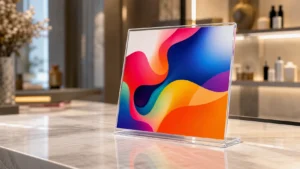
- Counter Displays: These small stands, often placed near the checkout counter, feature impulse-buy items.
- Floor Stickers: These are often overlooked but can guide customers to a special offer or section, encouraging impulse decisions.
- Standees or Display Stands: Freestanding displays are great for showcasing one or more products.
- End Caps: These displays, located at the end of an aisle, are high-visibility areas where products can be promoted more effectively.
- Interactive Displays: High-tech displays like touchscreens or digital signage to engage customers in a modern way.
Each of these types serves its purpose, and understanding which works best for your product and store layout is key. But how do you actually get started? Let’s dive into that next.

Steps to Create Effective POP Displays
The design process for POP displays isn’t as straightforward as just picking a product and placing it in front of a customer. There’s a lot more thought that goes into it, and the best displays are often the result of careful planning and execution. Below, I’ll break down the steps to create displays that not only look great but also drive results.
1. Define Objectives
Before you start sketching out ideas, it’s crucial to set clear goals. Are you looking to increase brand awareness, promote a new product, or simply boost the sales of an existing one? Knowing your objectives will help you design a display that supports your specific needs.
For example, if your goal is to introduce a new product, the display needs to stand out and provide clear information about the product’s benefits. On the other hand, if you're focusing on sales volume, you might want to highlight offers or discounts.
2. Conduct Market Research
Understanding your audience is critical. What catches their eye? What appeals to them? Analyzing competitors’ displays can also give you valuable insights. Don’t just settle for what's trendy; ask yourself if that display really speaks to the customer in your store environment.
Through my years of working with suppliers, I’ve seen firsthand how small details can make a big impact. Sometimes, the simplest changes—like altering the color scheme or changing the layout—can make all the difference in customer engagement.
3. Design the Display
- Creative Design: This is where you get to let your creativity shine. The design should be visually appealing, with elements that catch the customer's attention. The colors, typography, and images should align with your brand and speak to the target audience.
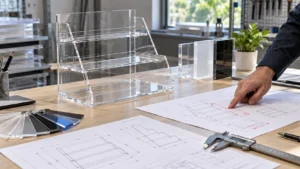
- Prototyping: It’s always a good idea to create a prototype first before committing to mass production. This helps visualize how the display will work in real life, allowing you to test it in-store and make necessary changes.
During one of my past projects, we developed a prototype that seemed perfect on paper but didn’t quite translate well in-store. The colors were too bright under the store’s lighting, which made the display less effective than expected. Prototyping helped us spot this issue before it went into full production.
4. Select Materials
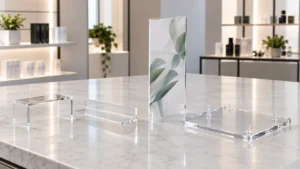
The material you choose will depend on the durability you need. Is your display going to be used in a high-traffic area? If so, you’ll need something sturdy like metal or acrylic. For less demanding environments, cardboard or plastics might be enough. Materials like eco-friendly options could also align with your brand’s sustainability values.
It’s a balancing act between cost, durability, and aesthetics, and knowing where to splurge and where to save can really make or break the project.
5. Plan Production and Logistics
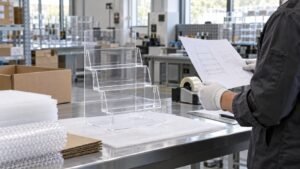
- Manufacturing: Having quality control standards in place is vital to ensure the final product meets expectations.
- Distribution: Think about how the display will be transported and set up in stores. It needs to be easy for retail staff to assemble and place, which will ensure its continued success in the long run.
6. Install and Monitor
Once the displays are installed, monitor their performance. Are customers engaging with them? Are they contributing to sales? Regularly checking on their effectiveness allows you to make adjustments as needed to optimize performance.

Best Practices for POP Display Design
Now that we’ve gone through the basics of creating your POP displays, it’s time to look at some of the best practices to make them as effective as possible.
- Maintain Brand Consistency: Consistency is key in any marketing strategy. Your POP display should reflect your brand’s identity, using the right colors, logos, and messaging. This will help customers instantly recognize your brand.
- Strategic Placement: Placement is everything. High-traffic areas such as entrances, end caps, and checkout counters are prime real estate for POP displays.
- Modular Design: Flexibility in design means the display can adapt to different store layouts and retailer guidelines. This saves you time and money in the long run.
- Functionality: The display should be easy to assemble and maintain. If retail staff struggles with setting it up, it's likely to lose effectiveness quickly.
I've learned over the years that some of the most eye-catching displays are the ones that are the easiest to install and maintain. If the store staff can set up your display without too much hassle, your chances of success are that much higher.

Conclusion
Designing custom POP displays requires a mix of creativity, strategy, and practicality. By understanding your objectives, researching your market, and applying best practices in design, you can create displays that not only attract attention but also drive sales. It’s all about making sure your products stand out in a crowded market and influence consumer decisions at just the right moment.
When done right, POP displays can be a game-changer for your retail strategy. Don’t underestimate the power of a great display—it can make all the difference in the world.