Skip to content

PP plastic shows up in quiet ways. It is in food containers stacked in a warehouse corner. It is in flip-top caps, storage bins, packaging trays, and small parts that people touch every day without thinking much about them. I deal with plastic products often, and I have noticed something simple: people pay attention to PP when they are buying it, but they often stop paying attention when it is time to recycle it.
That is where the trouble starts.
Polypropylene, or PP, is popular for good reasons. It is light. It resists many chemicals. It handles repeated use better than many people expect. It is also cheap enough to fit real factory budgets. That mix makes it useful in packaging, home products, retail fixtures, and industrial parts.
But proper handling of PP waste is not a small side topic anymore. It now touches cost, compliance, sourcing, and brand image. A messy recycling stream can reduce material value fast. A clean stream can help a business cut waste and make smarter use of resources. I have seen buyers focus hard on virgin material cost and ignore waste handling, then feel surprised later when disposal costs and scrap losses quietly eat into margins.
When I look at PP recycling, I do not judge it by whether a factory has a recycling bin. I judge it by whether the material can move through the chain cleanly enough to stay useful.
In this guide, I want to stay practical. I will not treat PP recycling like a slogan. I will look at how to identify it, sort it, prepare it, recycle it, and use it again in ways that actually make sense for B2B buyers and manufacturers.
And once you start looking closely at PP, one question comes up very fast: if it is so common and so useful, why is it still so tricky to recycle well?
What Is PP Plastic and Why Is It Difficult to Recycle?
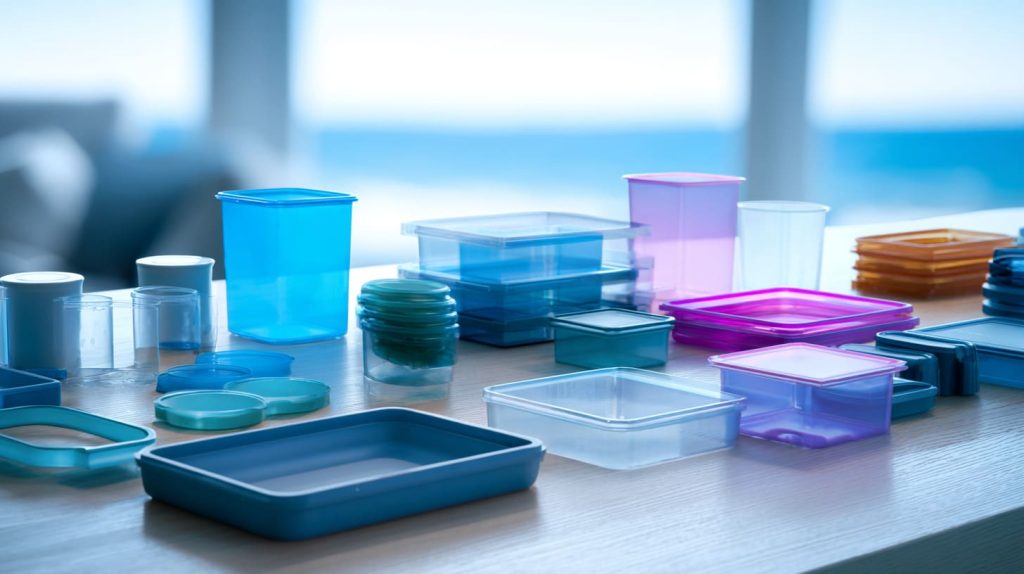
PP stands for polypropylene. It is one of those plastics that people use all the time because it solves many practical problems at once. It is light, strong for its weight, resistant to moisture, and able to handle many chemicals. It also has decent fatigue resistance, which is why it works well in things like living hinges on lids and caps.
I see PP in many common products:
- Food packaging
- Storage containers
- Bottle caps
- Household organizers
- Industrial bins
- Automotive parts
- Retail packaging parts
What is Polypropylene (PP)?
PP is a thermoplastic polymer. That sounds technical, but the practical meaning is simple: it can be melted and reshaped. That is one reason it has recycling value.
Here is a quick view of why PP is so widely used:
| Property | Why It Matters | Common Result |
|---|---|---|
| Lightweight | Low shipping weight | Lower transport cost |
| Chemical resistance | Handles cleaners and many liquids | Good for containers |
| Toughness | Resists cracking in daily use | Longer service life |
| Moisture resistance | Does not absorb water easily | Useful in packaging |
| Processability | Easy to mold in volume | Good for mass production |
The material itself is not the problem. The problem is what happens after use.
Why PP Recycling Is Challenging
This is the point many articles oversimplify. People often assume that a recyclable plastic will move smoothly through the recycling system. Real life is not that tidy.
PP has lower recycling rates than plastics like PET in many markets. That does not mean PP is worthless. It means the collection and processing chain is often weaker or less consistent.
The main problems usually look like this:
Contamination
- Food residue
- Oil
- Labels
- Adhesives
- Mixed plastic parts
Sorting difficulty
- PP can look similar to PE
- Small items are easy to miss in sorting lines
- Black or dark plastics may be harder for some sorting systems
Regional system gaps
- Some cities collect PP well
- Some do not
- Some accept only rigid PP, not films or mixed forms
A lot of businesses underestimate how quickly “recyclable” turns into “hard to recycle” once labels, dirt, and mixed materials enter the picture.
Resin Identification and Recycling Codes
PP is usually marked with Resin Identification Code #5. That small symbol matters more than it seems.
| Code | Material | Common Examples |
|---|---|---|
| #1 | PET | Drink bottles |
| #2 | HDPE | Detergent bottles |
| #5 | PP | Food tubs, caps, containers |
The code helps, but it is not magic. A #5 mark does not guarantee smooth recycling. It only gives the system a starting clue.
I tend to distrust poorly labeled plastic waste streams right away, because once materials are mixed or mislabeled, the cost of fixing the problem rises much faster than most buyers expect.
That leads to the next practical issue. Before anyone can recycle PP properly, they need to identify and sort it correctly.
How to Identify and Sort PP Plastic Correctly
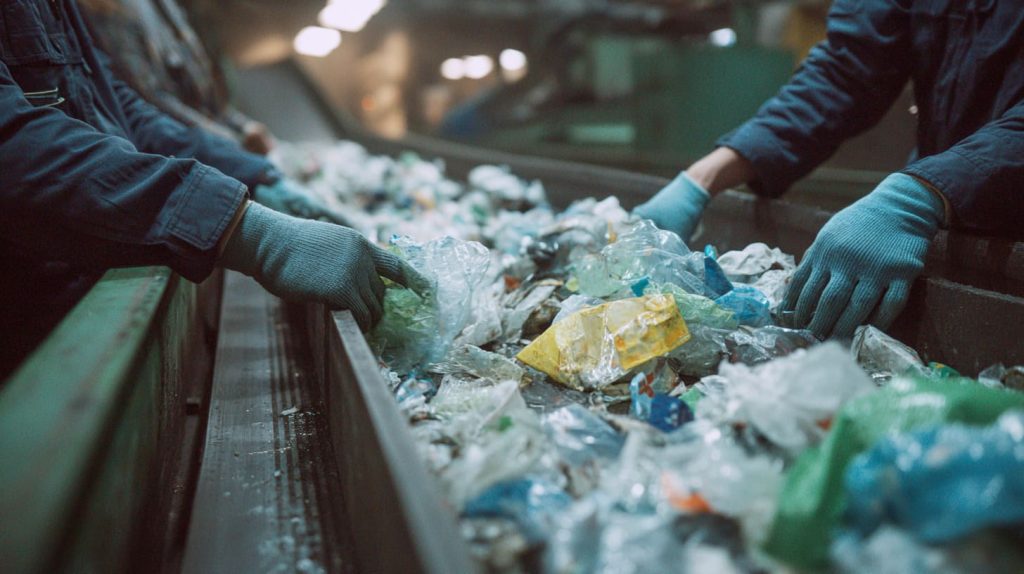
I have seen plastic sorting discussions go wrong because people treat PP like it has an obvious “look.” It does not always. In some cases, it feels clear enough in hand. In other cases, it sits next to PE or PET and creates confusion fast.
Visual and Physical Identification Methods
PP often appears as a semi-rigid or rigid plastic. It can be translucent, opaque, or colored. It is often used in living-hinge containers, caps, food tubs, and utility parts.
A simple comparison helps:
| Material | Typical Feel | Common Look | Common Use |
|---|---|---|---|
| PP | Light, slightly flexible, tough | Matte or semi-gloss | Containers, caps, bins |
| PE | Softer, waxier feel | More flexible | Bags, bottles, liners |
| PET | Harder, clearer, glossier | Clear and rigid | Beverage bottles |
Still, visual checks alone are not enough for industrial work.
Some teams use quick physical checks such as:
- Looking for the #5 mark
- Checking stiffness and hinge behavior
- Reviewing part drawings or resin specs
- Confirming supplier material declarations
I prefer not to trust appearance alone when the scrap value is meaningful, because PP and PE can fool even experienced operators when color, fillers, or surface texture change.
Sorting Techniques in Recycling Streams
Sorting can be manual, automated, or mixed.
Manual Sorting
Manual sorting still matters in many recycling lines, especially at early stages or in smaller operations. Workers may sort by:
- Shape
- Product type
- Label
- Known source
Manual sorting is flexible. But it is slower and depends heavily on training.
Automated Sorting
Bigger recycling systems often use automated equipment. A common tool is NIR, or Near Infrared sorting. This system reads material signatures and helps separate plastics by type.
| Sorting Method | Strength | Limitation |
|---|---|---|
| Manual sorting | Flexible, good for visible defects | Labor-heavy |
| NIR sorting | Fast, scalable | Can struggle with some dark materials |
| Density-based separation | Useful in mixed streams | Not enough on its own |
A good sorting setup is not about one machine. It is about combining steps so one weak point does not ruin the full batch.
Importance of Clean and Pure Material Streams
This part gets overlooked a lot. People talk about recycling capacity, but purity often matters even more.
A PP stream with food residue, paper labels, aluminum foil seals, and mixed resin parts will lose value fast. Recyclers want consistency. Manufacturers want predictable pellet quality. Dirty streams hurt both.
Here is the difference in practical terms:
| Material Stream | Typical Result |
|---|---|
| Clean single-resin PP | Better recycling yield, better pellet quality |
| PP mixed with PE/PET | Lower quality, more rejects |
| PP with dirt and adhesives | More washing cost, weaker end use value |
I have learned to pay close attention to contamination at the source, because it is much cheaper to keep a stream clean at the beginning than to rescue it after everything has been mixed together.
Before PP can become useful recycled material, it needs one more thing: proper preparation. And that part is often less glamorous, but much more decisive.
How to Prepare PP Plastic for Recycling
Preparation is where recycling becomes real work. Many waste streams look recyclable from a distance. Then someone opens the bins, sees leftover food, sticky labels, metal clips, mixed resins, and rubber inserts, and the whole picture changes.
Cleaning and Decontamination
PP plastic must be cleaned before serious recycling can happen. The required cleaning level depends on the end use, but the basic idea stays the same: remove things that do not belong.
Typical contaminants include:
- Food residue
- Oil
- Dust
- Adhesive
- Paper labels
- Ink
- Organic waste
Small-Scale Cleaning
Small operations may use:
- Manual rinsing
- Basic washing tanks
- Label removal by hand
- Drying racks or air drying
Industrial Cleaning
Larger recyclers often use:
- Friction washers
- Hot wash systems
- Float-sink tanks
- Mechanical drying systems
| Cleaning Level | Best For | Limitation |
|---|---|---|
| Basic rinse | Light contamination | Not enough for dirty packaging |
| Hot wash | Adhesives and food residue | Higher energy use |
| Friction wash | Surface dirt removal | Needs proper downstream drying |
One dirty load can quietly damage the economics of a full batch, so I never treat washing as a side step when the target is stable recycled quality.
Shredding and Size Reduction
After cleaning, PP usually goes through shredding or grinding. This reduces the material into flakes or smaller pieces.
Why does size matter so much?
Because uneven pieces create uneven processing later. Melting becomes less stable. Feeding becomes less consistent. Washing and drying also become less efficient.
Common equipment includes:
- Shredders
- Granulators
- Crushers
- Conveying systems
| Size Reduction Goal | Why It Helps |
|---|---|
| Uniform flakes | Better washing and drying |
| Controlled particle size | Smoother melting and extrusion |
| Reduced bulk volume | Easier storage and transport |
This step sounds mechanical, and it is, but it also affects quality more than many buyers think.
Separation from Other Materials
A lot of PP products are not pure PP. They may include:
- Metal hinges
- Rubber seals
- Silicone parts
- Foam inserts
- Paper sleeves
- Other plastic layers
That means separation matters before final processing.
Common Separation Targets
| Non-PP Material | Why Remove It |
|---|---|
| Metal | Damages equipment and contaminates output |
| Rubber | Alters melt behavior |
| PET/PE | Reduces consistency |
| Paper | Creates dirt and ash |
| Adhesive residue | Weakens final appearance and performance |
I have seen mixed-material parts look harmless in sample quantities, then become a real headache when they hit volume, because the labor needed to separate them was never priced correctly.
Once PP is cleaned, reduced, and separated well, it is finally ready for the real recycling stage. That is where process choice starts to matter.
Main Recycling Methods for PP Plastic
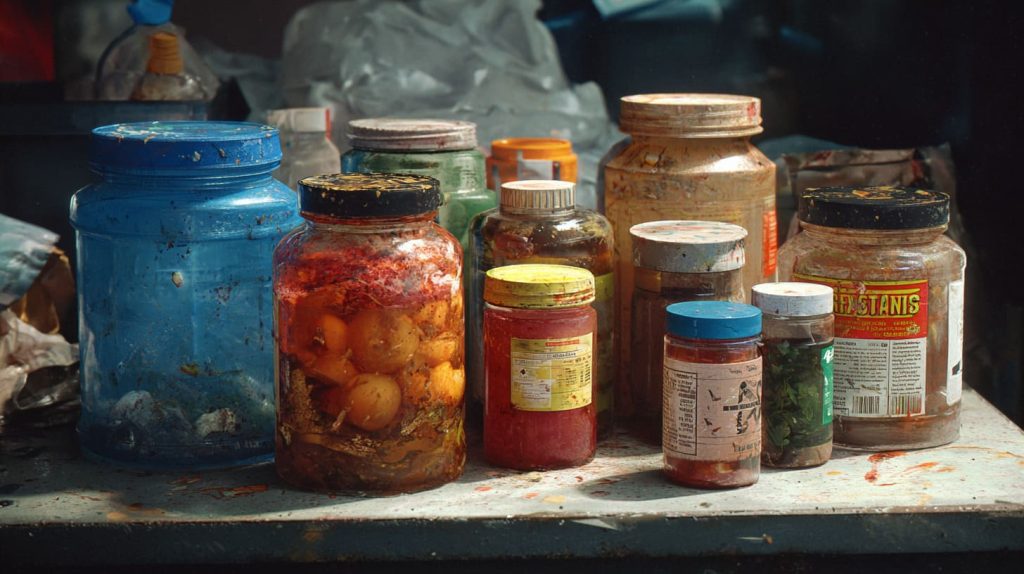
People often talk about “recycling” as if it were one single thing. It is not. Different PP waste streams need different handling paths. Some are suitable for mechanical recycling. Some are poor candidates and may move toward chemical routes. Some should never have been mixed in the first place.
Mechanical Recycling Process
Mechanical recycling is the most common route for PP.
The usual flow looks like this:
- Collection
- Sorting
- Cleaning
- Shredding
- Melting
- Pelletizing
The output is recycled PP pellets that can be used in new products, depending on quality.
Strengths of Mechanical Recycling
- Lower cost than many advanced methods
- Established equipment base
- Good fit for relatively clean PP streams
- Lower processing complexity
Limits of Mechanical Recycling
- Quality drops when contamination is high
- Polymer properties may weaken after repeated heat cycles
- Color control can be difficult
- Food-grade reuse is often restricted or harder to achieve
| Aspect | Mechanical Recycling |
|---|---|
| Cost | Usually lower |
| Maturity | High |
| Material purity need | High |
| Output consistency | Good when feedstock is clean |
If the input stream is messy, mechanical recycling can become a quality problem very fast, so I only trust this route when the feedstock discipline is already strong.
Chemical Recycling (Advanced Methods)
Chemical recycling gets attention because it promises to deal with harder waste streams. In PP, this may include pyrolysis or other breakdown methods that convert plastic into smaller chemical products or fuel-like outputs.
Pyrolysis
Pyrolysis uses heat in a low-oxygen environment to break down plastic.
Depolymerization and Other Advanced Routes
These methods aim to break polymers into usable chemical building blocks, though the exact path depends on the system and the target output.
| Method | Basic Idea | Best Fit |
|---|---|---|
| Pyrolysis | Break plastic into oils/gases | Mixed or hard-to-recycle plastic streams |
| Advanced chemical processing | Recover feedstock value | Cases where mechanical recycling is weak |
Chemical recycling is useful in some cases, but I stay cautious when people present it as a simple answer, because the economics, scale, and output quality still depend heavily on the local system.
Closed-Loop vs Open-Loop Recycling
This part matters for buyers.
Closed-Loop Recycling
The material comes back into a similar product system. For example:
- PP crate to PP crate
- Industrial bin to industrial bin
Open-Loop Recycling
The material moves into a different or lower-demand use. For example:
- Packaging waste to storage components
- Lower-grade parts or non-visible structural items
| Recycling Type | Meaning | Example |
|---|---|---|
| Closed-loop | Same or similar use again | PP logistics box to PP logistics box |
| Open-loop | Different downstream use | PP packaging to pallet spacer |
I usually look at end-use demands before I judge the recycling method, because chasing a high-purity loop for a low-value product can waste money just as easily as under-processing a premium application.
After the recycling method is chosen, the next question is simple and practical: what can recycled PP actually become?
What Products Can Recycled PP Be Used For?
This is where many businesses either get creative or get unrealistic.
Recycled PP can be very useful. But it is not suitable for every application at the same quality level. Good decisions depend on the recycled grade, contamination level, mechanical demands, and appearance requirements.
Industrial and Commercial Applications
Recycled PP often works well in industrial or commercial products where ultra-clear cosmetics do not matter.
Common examples include:
- Pallets
- Storage bins
- Automotive trim parts
- Utility trays
- Battery cases
- Non-visible structural inserts
| Product Type | Why Recycled PP Fits |
|---|---|
| Pallets | Strength matters more than perfect appearance |
| Bins | Durable and practical |
| Automotive parts | Good for selected non-cosmetic parts |
| Utility parts | Cost-effective material choice |
Consumer Product Applications
Recycled PP also appears in consumer goods, especially when the product does not need a premium transparent look.
Examples include:
- Household organizers
- Planters
- Furniture components
- Buckets
- Containers
- Tool caddies
But consumer use depends heavily on the quality of the recycled feedstock and the brand’s standards.
Use in Custom Acrylic and Display Industry
Since I work around custom acrylic products, I think this part is especially useful for buyers like Jacky.
Acrylic and PP do not play the same role. Acrylic is often chosen for clarity, display value, and a premium look. PP is different. It can support function in less visible areas.
Recycled PP can work for:
- Hidden bases
- Internal support pieces
- Connectors
- Back panels in low-visibility areas
- Protective packing parts
- Utility trays for shipping or storage
Acrylic vs Recycled PP in Display Use
| Material | Best Strength | Weak Point | Good Use Case |
|---|---|---|---|
| Acrylic | Clarity and premium appearance | More brittle than PP | Visible display parts |
| Recycled PP | Toughness and cost control | Less visual appeal | Hidden support parts |
When I review mixed-material display designs, I care less about whether recycled PP sounds sustainable on paper and more about whether the customer will ever see the part and judge the brand by it.
That is where a lot of real-world decisions happen. And that is also where recycling programs often run into problems.
Common Problems in PP Recycling and How to Avoid Them
A recycling line can look efficient in a presentation slide and still fail in ordinary daily work. I have seen that happen with material contamination, unstable supply, and quality drift that nobody caught early enough.
Contamination and Mixed Materials
Contamination is still the biggest enemy.
A clean PP stream has value. A dirty one becomes expensive, slow, and uncertain.
Common contamination sources:
- Food remains
- Labels and adhesive
- Mixed resin caps or inserts
- Dust and dirt
- Metal clips
- Paper sleeves
Prevention Ideas
- Sort by source
- Train staff at the collection stage
- Use clear material labels
- Separate food-contact waste from cleaner industrial scrap
- Audit incoming waste batches
| Problem | What It Causes | How to Reduce It |
|---|---|---|
| Food residue | Smell, washing cost, poor quality | Rinse and separate early |
| Mixed resins | Weak output consistency | Better sorting and labeling |
| Adhesives | Dirty flakes, processing issues | Better label removal |
The small detail I worry about most is not the obvious dirt. It is the hidden mixed-material part that passes through unnoticed and slowly ruins batch consistency.
Degradation of Material Quality
PP does not stay the same forever. Heat history matters. Repeated melting can reduce performance.
Typical signs of degradation include:
- Lower impact resistance
- Brittleness
- Color inconsistency
- Weaker mechanical behavior
- Surface defects in molded parts
Ways to Manage Degradation
- Blend recycled PP with virgin PP
- Use stabilizers where suitable
- Limit the number of thermal cycles
- Match recycled grade to the product requirement
| Quality Issue | Likely Cause | Possible Response |
|---|---|---|
| Brittleness | Polymer breakdown | Blend or stabilize |
| Uneven color | Mixed feedstock | Improve sorting |
| Weak molding behavior | Inconsistent melt flow | Better grade control |
Inconsistent Supply and Quality
This problem does not get enough attention in blog articles. Recycled material is not only a technical issue. It is also a supply chain issue.
A buyer may approve recycled PP in theory, then struggle later because:
- The color keeps changing
- Supply volumes are unstable
- Melt flow properties vary
- Contamination rates rise
- Regional sourcing changes
How to Reduce Supply Risk
- Work with audited recyclers
- Set realistic quality specs
- Test batches before full production
- Keep backup sourcing options
- Use recycled PP only where variability is acceptable
I become skeptical when a supplier promises recycled consistency without sharing test controls, because PP recycling quality is usually only as strong as the sorting and inspection discipline behind it.
At this point, the conversation stops being only about material science. It becomes a business system question.
Best Practices for Businesses Handling PP Recycling
The best PP recycling programs are usually not the most complicated ones. They are the ones that stay disciplined. They make smart material choices early, work with the right partners, and understand when recycled content actually adds value.
Design for Recycling (DfR)
A lot of recycling trouble starts in product design.
If a product mixes too many materials, uses permanent bonding everywhere, or hides resin identity, recycling becomes harder before the product even leaves the factory.
Better Design Habits
- Reduce unnecessary material mixing
- Use clear resin marking
- Make parts easier to disassemble
- Avoid decorative layers that disrupt sorting
- Separate visible premium materials from utility materials
| Design Choice | Recycling Effect |
|---|---|
| Single-material design | Easier sorting |
| Easy disassembly | Lower labor burden |
| Clear resin marking | Better identification |
| Fewer bonded layers | Better recovery value |
I often think the cheapest recycling improvement happens on the drawing, not on the recycling line, because design mistakes are expensive to undo later.
Working with Reliable Recycling Partners
A recycling partner is not just a vendor. They affect your material quality, your compliance story, and your delivery stability.
What I Would Check
- Sorting capability
- Cleaning standards
- Material traceability
- Testing methods
- Batch consistency records
- Certifications where relevant
| Audit Point | Why It Matters |
|---|---|
| Incoming material control | Prevents mixed waste problems |
| Sorting method | Affects purity |
| Testing data | Confirms consistency |
| Complaint handling | Shows reliability under pressure |
A recycler who talks only about price and not about contamination control usually makes me uneasy, because low-cost scrap can become high-cost production trouble very fast.
Cost vs Sustainability Trade-offs
This is where people often want a simple answer, but real work does not give one.
Recycled PP can save money in the right use case. It can also raise cost if:
- Extra inspection is needed
- Scrap rates rise
- Cosmetic standards are strict
- Supply becomes unstable
A Practical Comparison
| Question | Recycled PP May Fit | Virgin PP May Fit Better |
|---|---|---|
| Is the part non-visible? | Yes | Maybe |
| Is appearance critical? | Sometimes no | Often yes |
| Is price pressure high? | Often yes | Depends |
| Is compliance or brand sustainability important? | Yes | Less so |
I do not treat sustainability claims as useful unless they survive a cost and quality review, because buyers eventually judge the result by performance, not by good intentions.
And then there is one more layer that businesses cannot ignore now: regulation.
Regulations and Global Trends in PP Recycling
PP recycling no longer sits only inside factory decisions. Laws, packaging rules, brand pressure, and customer expectations now shape the direction too.
Key Regulations and Policies
Different regions move at different speeds, but several patterns are clear.
Common Policy Drivers
- Extended Producer Responsibility (EPR)
- Packaging waste reduction targets
- Recycled content requirements
- Better waste traceability rules
In Europe, plastic policy pressure is already affecting packaging design and recycling expectations. In North America, the picture is more mixed, but movement is still happening through state rules, corporate commitments, and retailer pressure.
| Policy Area | Business Effect |
|---|---|
| EPR | Pushes producers to think about end-of-life cost |
| Recycled content rules | Increases demand for usable recycled resin |
| Labeling rules | Encourages clearer material identification |
What I pay attention to is not just the law itself, but how fast customer expectations start changing before the law fully forces the issue.
Market Trends and Demand for Recycled PP
Demand for recycled PP is rising in many sectors:
- Packaging
- Consumer goods
- Industrial products
- Automotive supply chains
But demand growth does not automatically mean smooth supply.
What Buyers Are Seeing
- More interest in post-consumer recycled content
- More pressure to document recycled input
- More price movement compared with stable virgin assumptions
- More competition for high-quality recycled grades
| Trend | What It Means |
|---|---|
| Higher demand | Better market value for clean PP streams |
| More compliance pressure | Better need for documentation |
| Quality-sensitive applications | Greater premium for consistent recycled resin |
Future Outlook of PP Recycling Technology
The future will likely improve in three areas:
- Better sorting
- Better decontamination
- Better process matching between waste type and recycling route
NIR systems will improve. Chemical recycling may become more useful in selected cases. Design-for-recycling thinking will likely become more normal in product development.
Still, I do not think technology alone will fix PP recycling, because the real bottleneck often begins with bad collection habits and careless material mixing long before the equipment ever sees the plastic.
By this point, the pattern is clear. Proper PP recycling is not about one dramatic innovation. It is about doing many ordinary things well.
Conclusion
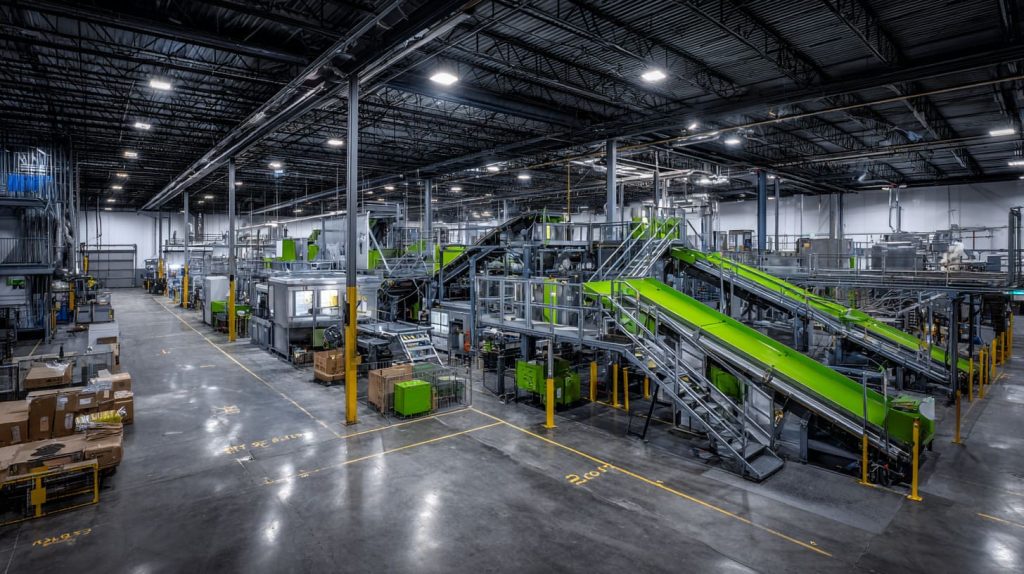
PP plastic is useful, common, and worth taking seriously. It works well in packaging, containers, household products, and industrial parts because it is light, durable, and practical. But those same strengths do not guarantee easy recycling. Proper PP recycling depends on clear identification, careful sorting, good cleaning, correct separation, and a recycling method that fits the actual waste stream.
That is the part I think many people miss.
A PP item does not become valuable recycled material just because someone calls it recyclable. It becomes valuable when the handling is disciplined enough to protect material quality from the start. Dirty streams lose value. Mixed materials create problems. Poor labeling slows everything down. On the other hand, clean sorting, better product design, and realistic use of recycled PP can help businesses reduce waste, control cost, and meet growing customer and policy pressure.
If I had to put it simply, I would say this: the smartest PP recycling decisions usually happen before the material becomes waste.
If you are designing products, buying packaging, or sourcing custom plastic components, it is worth reviewing where PP enters your system and how it leaves it. That review can reveal cost leaks, quality risks, and missed recycling value that are easy to overlook in daily work.
If you are planning custom acrylic or mixed-material display products and want to explore practical ways to balance appearance, structure, and material efficiency, you can take a look at Feilong Acrylic at flacrylic.com. I think good manufacturing decisions start with honest material thinking, and that is always a better place to begin.