Skip to content
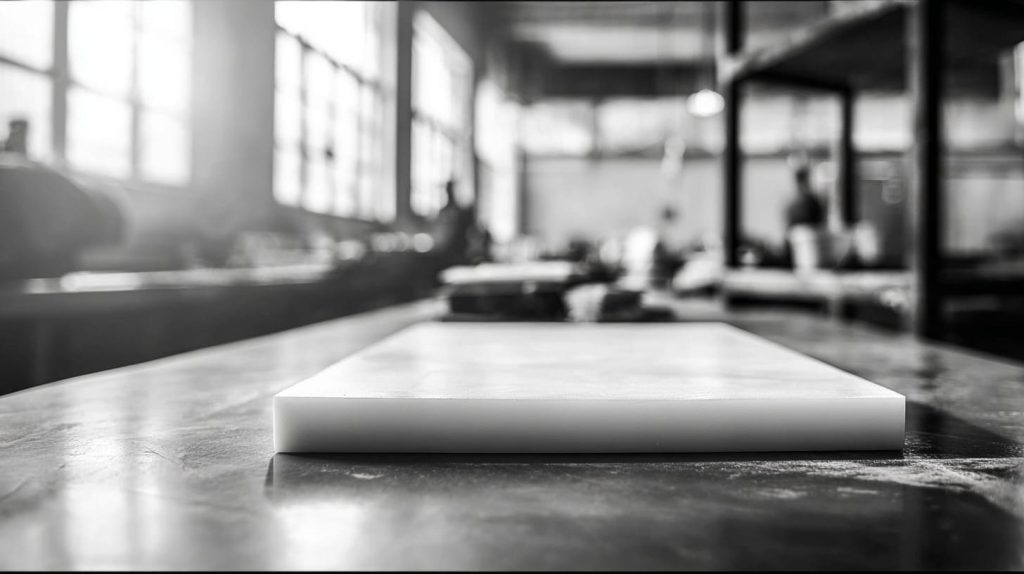
A lot of people hear the words HDPE cutting board and think about a busy kitchen first. I get that. The name pushes the mind in that direction. A chef chopping vegetables. A prep table covered with ingredients. A board getting washed and used again.
But that is only part of the story.
I have seen many materials get trapped by their own label. A material gets known for one job, and then people stop looking at what else it can do. HDPE is one of those materials. It is simple. It is tough. It is easy to clean. It is not flashy. Still, it keeps showing up in places where practical people need a surface that can take daily abuse without becoming a problem.
HDPE means high-density polyethylene. It is a plastic, but not the cheap and flimsy kind many people imagine at first. It has a solid, dense feel. It resists moisture. It handles impact well. It does not absorb liquids the way wood can. It also costs less than many specialty materials, which matters a lot when a buyer is looking at long-term use, not just the first invoice.
That is why HDPE cutting boards are used in more than food prep. I have seen them used in workshops, labs, fabrication rooms, and even display-related projects where function matters more than decoration.
One thing I pay attention to early is whether the buyer needs a material that looks impressive or a material that keeps solving problems quietly for years, because those are not always the same thing.
For buyers, designers, and sourcing people, that difference matters. A material that seems ordinary can sometimes be the smarter choice. And that is exactly why HDPE deserves a closer look.
The funny part is this: once I started noticing how often HDPE appeared outside the kitchen, I could not unsee it. That is a good place to start.
What Makes HDPE Cutting Boards So Versatile?
I think HDPE works in so many places because it solves several small problems at the same time.
That sounds simple, but it is actually rare. Many materials do one thing very well and fail in another area. Glass looks clean, but it can chip or break. Wood feels natural, but it needs more care. Metal is strong, but it can be noisy, cold, or too hard on tools. HDPE sits in a useful middle ground.
It gives me a surface that is practical without being difficult.
Core Material Properties That Matter in Real Use
Non-Porous and Easy to Keep Clean
HDPE has a non-porous surface. That matters more than people think. Liquids do not soak in the way they can with some other materials. Smells are less likely to stay. Cleaning is easier. In places where hygiene matters, this is a big reason people keep choosing it.
I have learned not to judge cleanliness by appearance alone, because a surface can look fine and still create extra cleaning work every single day.
Resistant to Moisture and Many Chemicals
Moisture ruins a lot of materials over time. It causes swelling, warping, rot, or surface damage. HDPE handles moisture well. It also resists many common chemicals, which makes it useful in industrial and lab settings.
That does not mean it resists everything forever. No material does. But for normal working conditions, HDPE often gives a very stable result.
Tough Enough for Repeated Impact
Cutting boards take hits. Tools drop. Parts slide. Boxes get pushed. Hands move fast. HDPE can handle that kind of repeated contact without becoming fragile. It is durable, but it is not brittle.
That is a useful mix.
Why Many Industries Prefer HDPE Over Wood or Glass
A lot of industrial buyers do not choose a material because they love it. They choose it because it causes fewer headaches. HDPE often wins this kind of decision.
Here is a simple comparison:
| Material | Main Strength | Main Weakness | Common Judgment in Real Work |
|---|---|---|---|
| HDPE | Hygienic, durable, moisture-resistant | Can scratch over time | Good for function-first use |
| Wood | Familiar look, decent cutting feel | Absorbs moisture, harder to sanitize | Better when appearance matters more |
| Glass | Clean appearance, easy to wipe | Breakable, hard on tools | Too risky for many active work areas |
| Bamboo | Natural look, lightweight | Can wear or split over time | Fine for light use, less ideal for heavy-duty use |
How HDPE Compares to Other Materials
HDPE vs Wood
Wood has charm. I understand why people like it. It feels warm. It looks traditional. It has a familiar surface. But wood asks for more care. It can absorb moisture. It can stain. It can hold odors. It can also crack or warp if the conditions are wrong.
HDPE feels less romantic, but it is easier to live with in heavy-use settings.
HDPE vs Glass
Glass can look very clean. It sounds clean too. But in actual work, I almost always see the trade-off fast. It is hard on knives. It can chip. It can break. It creates risk in places where speed and repetition matter.
That is where glass often loses the argument.
HDPE vs Bamboo
Bamboo usually enters the conversation when people want something more natural or more eco-conscious in appearance. That is fair. But from a pure utility angle, HDPE usually gives more stable performance in wet, busy, or rough environments.
When I compare materials, I do not ask which one sounds better in theory. I ask which one will still behave well after months of careless human behavior.
That question leads us naturally to the most familiar use of all: food preparation, where HDPE built its reputation in the first place.
Application 1: Commercial Food Preparation
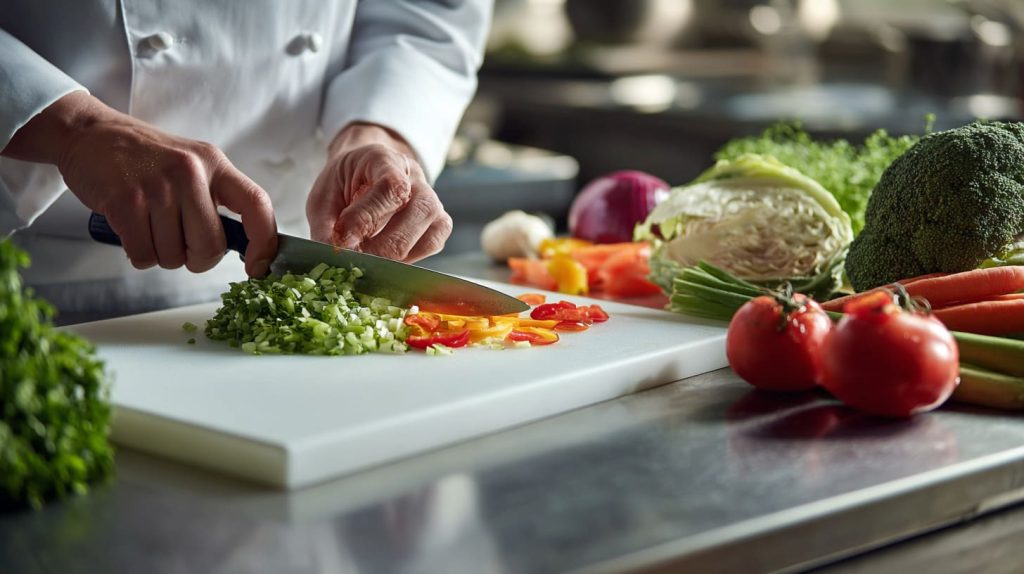
This is the first use most people know, and for good reason.
Commercial kitchens are hard on materials. There is water everywhere. There are sharp tools, hot pans nearby, rushed movement, cleaning chemicals, and constant repetition. A surface that works in that setting has already passed a serious test.
I have spoken with buyers who focus only on the purchase price of prep equipment, but I think that is where mistakes start, because the real cost often comes from cleaning time, replacement cycles, and food safety risk.
Why HDPE Is Ideal for Food Processing
It Supports Hygiene Standards
HDPE is widely used in food-related environments because its surface is non-porous and easy to sanitize. That makes it a practical fit for commercial food prep areas where hygiene cannot be treated casually.
In many cases, buyers also look for materials that align with food-contact expectations such as NSF or FDA-related standards, depending on the market and application.
It Is Easy to Wash and Reuse
A busy kitchen does not have time for fragile maintenance routines. Workers need to wash a board, sanitize it, and move on. HDPE helps with that. It does not ask for special care the way some natural materials do.
That is one reason it works so well in restaurants and processing plants.
It Works Well in Color-Coded Systems
Many commercial kitchens use color-coded boards to separate food categories. That reduces cross-contamination risk. For example:
| Color | Typical Use |
|---|---|
| Red | Raw meat |
| Blue | Seafood |
| Green | Vegetables and fruit |
| Yellow | Poultry |
| White | Bakery or dairy |
| Brown | Cooked meat |
This is one of those small system choices that can quietly prevent bigger problems.
Common Use Scenarios
Restaurant Prep Stations
In restaurants, HDPE boards are used every day for cutting, trimming, portioning, and quick prep. The boards need to be stable, washable, and easy to replace when worn.
Food Factories and Processing Lines
Large food processing operations often use HDPE surfaces because they are reliable and practical. They can be cut into different shapes and sizes. They can fit into production stations. They can also be used as inserts, liners, or support boards.
Butcher Areas and Heavy Prep Tables
Some thicker HDPE boards are used in butcher environments or heavy-duty prep zones. These settings need a board that can take repeated impact without becoming a maintenance issue too quickly.
A Quick View of Why Food Businesses Use HDPE
| Need | Why HDPE Fits |
|---|---|
| Hygiene | Non-porous surface |
| Fast cleaning | Easy to wash and sanitize |
| Repeated use | Durable under daily cutting |
| Process control | Supports color coding |
| Cost control | Reasonable replacement cost |
Food prep is where HDPE feels most obvious. But I think the more interesting story starts when the same material leaves the kitchen and enters the factory floor.
Application 2: Industrial Work Surfaces
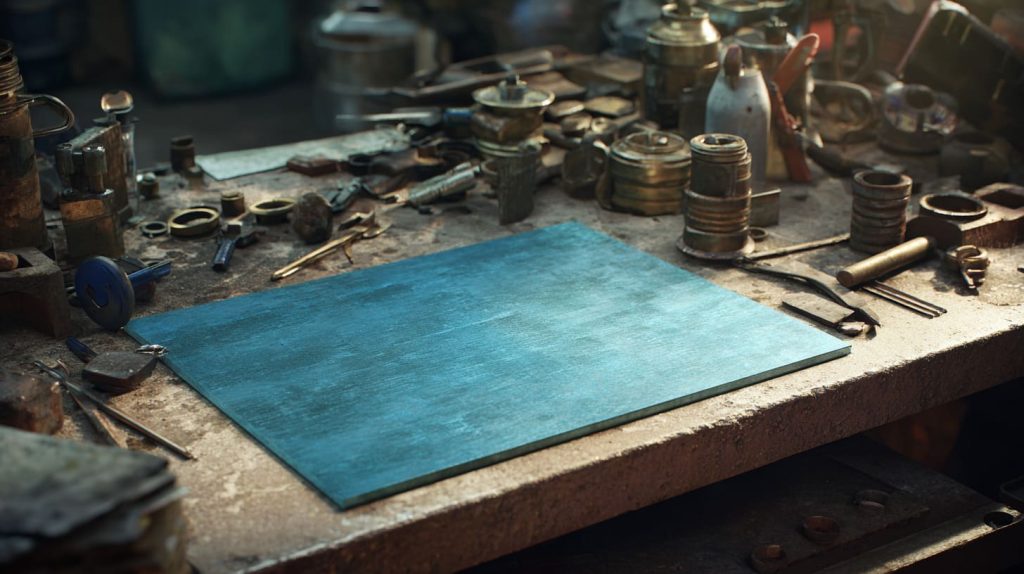
This is where many people get surprised.
A cutting board does not sound like industrial equipment. But once I look at the properties instead of the label, the jump makes sense. An industrial work surface needs to handle abuse, resist moisture, survive contact with oils or chemicals, and protect both the product and the bench below it.
HDPE checks a lot of those boxes.
I have found that the smartest material choices in factories are often the least glamorous ones, because the goal is not to impress anyone but to keep production moving with fewer interruptions.
Benefits in Industrial Environments
Resistance to Oils, Moisture, and Common Chemicals
Industrial workspaces can be messy. Lubricants drip. Parts arrive dirty. Cleaning happens fast. A surface that absorbs contamination becomes a long-term problem. HDPE resists moisture and many common shop chemicals, which makes it easier to manage.
Protection for Tools and Equipment
A good work surface protects more than itself. It protects tools, parts, and benches. HDPE has a softer feel than metal, so it can help reduce surface damage when parts are set down repeatedly.
That can matter a lot when the product being handled has cosmetic value.
Reduction of Surface Wear
Workbenches take more damage than most people notice. Edges chip. Coatings wear off. Metal tops get scratched. HDPE can act as a replaceable protective layer, which is often cheaper than replacing the whole station.
Typical Industrial Uses
Assembly Lines
Workers on assembly lines need clean, durable surfaces. HDPE can be used as a top layer where parts are handled, sorted, or lightly assembled.
Packaging Stations
Boxes, tools, tape guns, product samples, and labels all create friction. HDPE works well in these areas because it handles repeated contact and stays easy to wipe down.
CNC and Machining Support Surfaces
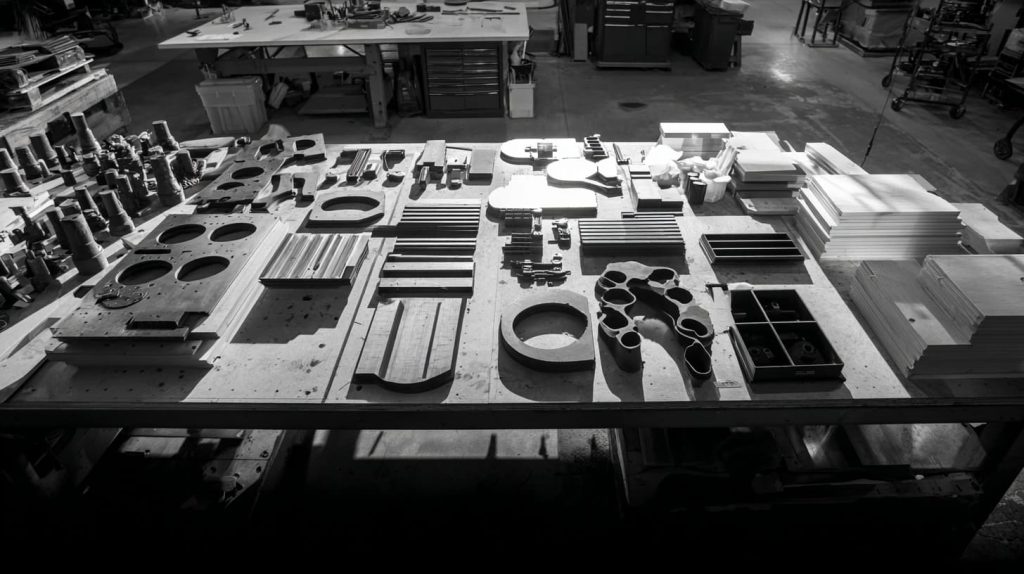
In some machining environments, HDPE is used for support blocks, sacrificial surfaces, or protective bench liners. It helps reduce damage to both parts and tables.
Common Industrial Uses at a Glance
| Industrial Area | How HDPE Is Used | Why It Helps |
|---|---|---|
| Assembly stations | Workbench top layer | Protects parts and benches |
| Packaging areas | Surface liners and inserts | Easy cleaning and less wear |
| Light machining support | Sacrificial surface or support pad | Reduces damage risk |
| Maintenance benches | Replaceable board layer | Simple and cost-effective |
A Small But Important Warning
HDPE is not the answer for every industrial setting. It is not ideal for very high-heat zones. It is not the right choice if the surface must stay extremely rigid under heavy mechanical load without flex. It has limits.
That is exactly why I like it when buyers ask where and how the board will be used instead of asking only what thickness is cheapest.
Once that question enters the room, the discussion gets better. And it gets even more interesting when hygiene becomes even stricter, like in labs and medical spaces.
Application 3: Medical and Laboratory Environments
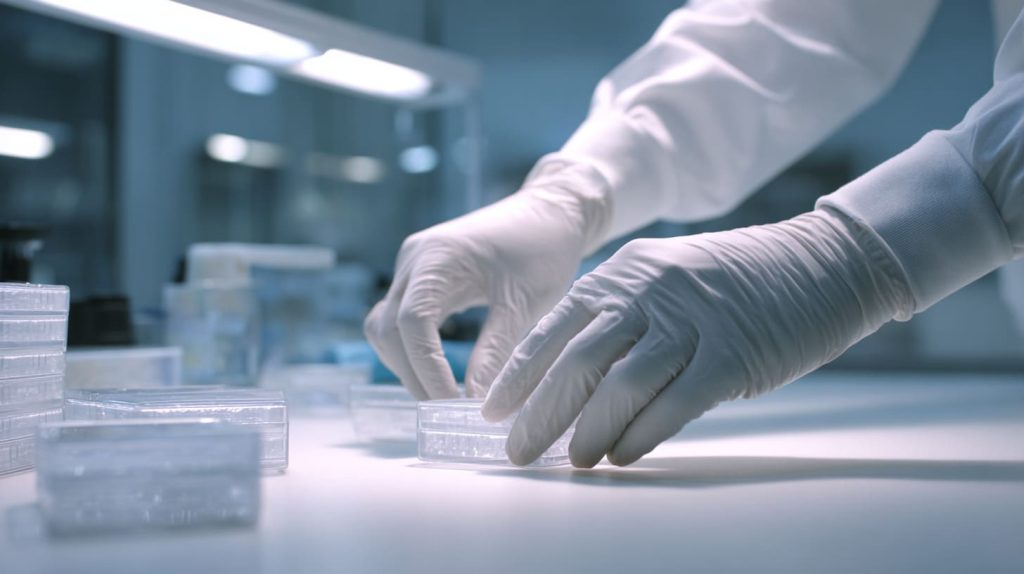
This application makes sense to me for one clear reason: controlled spaces hate materials that create uncertainty.
Labs and medical-related environments need surfaces that are easy to clean, stable under repeated use, and less likely to trap contamination. HDPE fits many of those needs in practical ways.
I have noticed that in clean environments, the best material is not always the strongest one or the most expensive one, but the one that leaves the fewest hidden cleaning and contamination risks behind.
Why HDPE Fits Medical Standards
Non-Porous Surface
A non-porous surface is useful in spaces where spills, sample handling, and regular cleaning happen all the time. HDPE does not invite liquid into the material the way more absorbent surfaces can.
That gives users more control.
Easy to Sterilize and Maintain
HDPE surfaces are simple to wipe, wash, and maintain. In many settings, that makes daily routines easier for staff. A material that slows down cleaning can quietly become expensive in labor and compliance pressure.
Smooth and Contamination-Resistant
A smooth surface helps reduce the chance of dirt and residue settling into hard-to-clean areas. That does not mean it is magical. Scratches can still happen over time. But in many controlled environments, HDPE still offers a good balance.
Common Applications
Lab Benches
Some labs use HDPE as a working surface or as a replaceable top layer for benches. It gives users a practical area for routine tasks.
Pharmaceutical Prep Areas
In prep zones where cleanliness matters, HDPE can be used for boards, liners, and support surfaces that need frequent cleaning.
Cleanroom Workstations
Some cleanroom settings use HDPE parts or surfaces because they are easy to fabricate and easy to maintain. The exact fit depends on the level of control required.
Why HDPE Gets Attention in Labs
| Need in Lab or Medical Area | How HDPE Helps |
|---|---|
| Easy surface cleaning | Smooth, non-porous face |
| Moisture resistance | Does not absorb spills easily |
| Frequent maintenance | Handles repeated wipe-downs |
| Practical fabrication | Easy to machine into custom shapes |
A More Critical View
This is also where I like to stay realistic. HDPE works well in many medical and lab uses, but it is not automatically the right material for every sterile or chemical-heavy environment. Some conditions may need a different engineering plastic or a more specialized surface.
That is why I never trust the phrase medical use by itself. I want to know the exact process, the cleaning method, and what touches the surface every day.
And once a material proves itself in precise workspaces like that, it is no surprise that designers and makers start using it for custom fabrication too.
Application 4: Custom Fabrication and DIY Projects
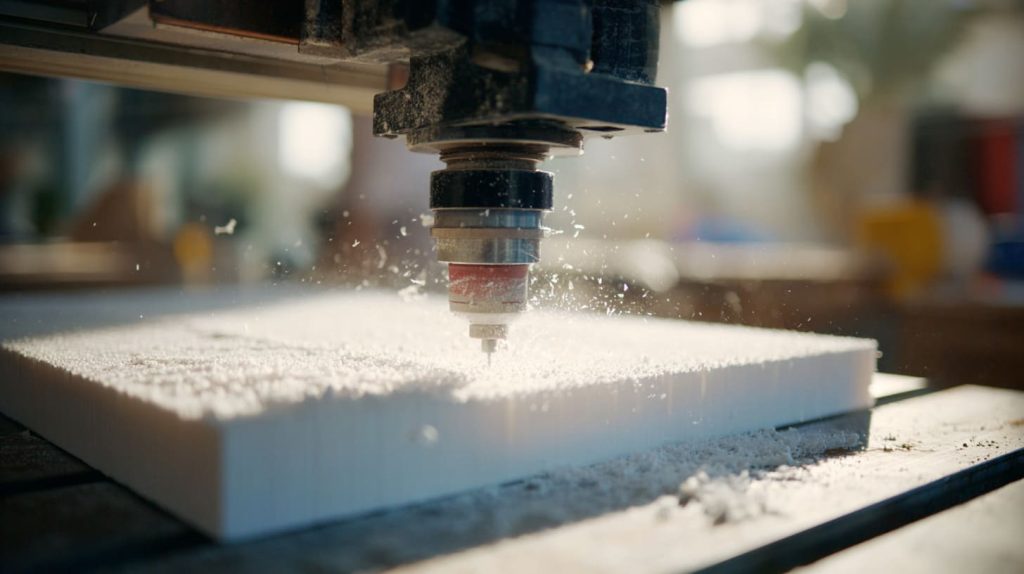
This is one of my favorite applications because it shows how flexible HDPE really is.
A lot of designers, engineers, and hands-on builders like materials that do not fight back too much. They want something they can cut, shape, drill, test, and modify without turning every small idea into a difficult manufacturing project.
HDPE is good at that.
When I look at materials for custom work, I often care less about perfect beauty at the beginning and more about how forgiving the material will be when the design changes for the third time.
That happens more often than people admit.
Why Designers Choose HDPE
Easy to Machine
HDPE can be cut, drilled, routed, and shaped with standard tools in many cases. That gives it strong appeal for prototyping and custom parts.
Lightweight but Strong Enough
Some materials are strong but annoying to move. Others are light but too weak to trust. HDPE often lands in a comfortable middle area for custom projects.
Available in Different Thicknesses and Colors
This helps both function and organization. A buyer can choose thickness based on support needs. A builder can choose color for visibility, sorting, or process control.
Examples of Custom Uses
Jigs and Fixtures
Shops often use HDPE to make simple jigs and fixtures. It is easy to machine, and it can protect more delicate parts during positioning or handling.
Prototyping Boards
For early-stage product development, HDPE can be used for test surfaces, temporary structural parts, or rough layout boards.
Protective Panels and Liners
People also use HDPE for liners inside cases, drawers, boxes, and handling carts. It gives protection without too much weight.
Common Custom Uses
| Project Type | Why HDPE Works |
|---|---|
| Jigs and fixtures | Easy machining and decent durability |
| Prototype supports | Fast to fabricate and adjust |
| Protective liners | Moisture-resistant and impact-tolerant |
| Workshop helpers | Lightweight and practical |
What DIY Users Sometimes Miss
A lot of hobbyists love the ease of cutting HDPE, but they forget that material thickness and support still matter. A poorly supported HDPE piece can flex more than expected. That is not always a flaw in the material. Sometimes it is just a design problem wearing a material complaint as a disguise.
That same design logic shows up again in a more public-facing use, where HDPE is not only functional but also part of what customers see.
Application 5: Retail Displays and Furniture Components
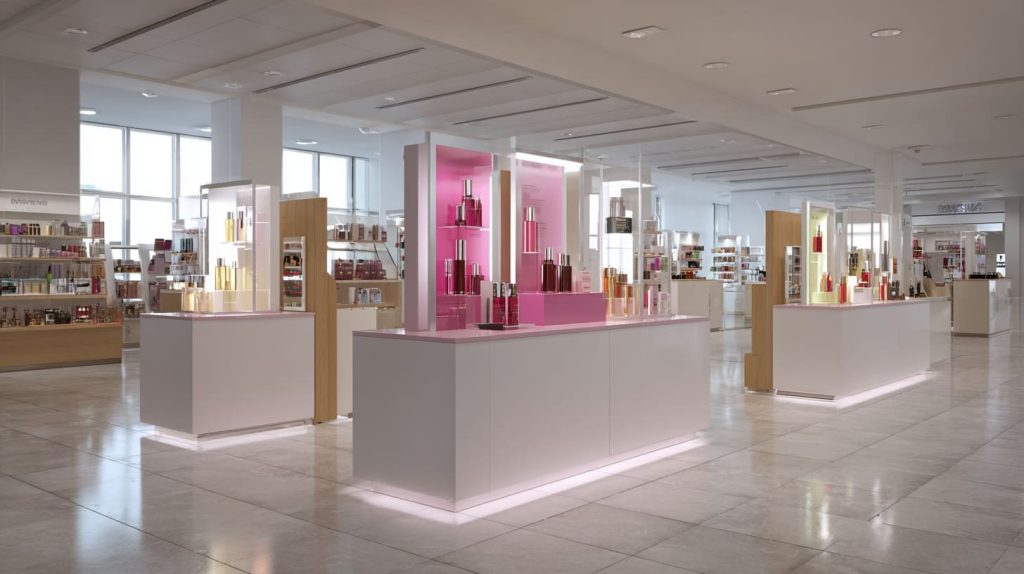
This is the application people overlook most often.
I work in the acrylic world, so I know very well that retail displays and furniture parts often need visual appeal first. Acrylic usually wins that part of the conversation. It is clearer. It looks more polished. It has a premium display quality that HDPE does not try to imitate.
Still, HDPE has its place.
It works well in retail and furniture-related components when the goal is durability, surface protection, simple fabrication, or clean function. Not every visible part needs to be crystal clear. Some parts just need to survive daily use and stay easy to maintain.
I tend to be careful in display projects, because a material that looks good in a showroom can still fail if shoppers, staff, cleaning tools, and product weight keep attacking it all day.
Advantages for Display and Design
Clean and Practical Appearance
HDPE has a simple, neat look. It does not have the visual elegance of acrylic, but it does offer a clean and organized feel in the right design.
Durable in High-Traffic Use
Retail environments can be rough. Staff move items quickly. Customers touch surfaces constantly. Shelves get loaded and cleaned again and again. HDPE can handle that kind of routine wear well.
Custom Shapes and Finishes
HDPE can be fabricated into bases, dividers, supports, liners, and backing elements. That makes it useful when a project needs functional pieces around more decorative materials.
Real-World Applications
Display Bases and Utility Shelves
HDPE can be used as a base layer, support board, or utility shelf in commercial displays where function matters more than visual transparency.
Cosmetic and Product Organizers
For back-end store organization or hidden working areas, HDPE can be useful because it is easy to clean and stands up well to moisture and product contact.
Furniture Protection Surfaces
Some furniture-related projects use HDPE as a protective insert, hidden support surface, or utility panel.
HDPE vs Acrylic in Display-Related Work
| Factor | HDPE | Acrylic |
|---|---|---|
| Visual clarity | Low | High |
| Impact resistance | Good | Good, but surface can scratch |
| Moisture resistance | Very good | Very good |
| Premium display look | Limited | Strong |
| Back-end utility use | Strong | Good |
| Decorative front-end use | Limited | Strong |
My Honest View
If the project needs beauty, brand image, and light transmission, I would lean toward acrylic fast. If the project needs a hard-working support piece that shoppers barely notice, HDPE can be the smarter call.
That split matters. Not every project should force one material to do every job.
And once I make that distinction, the next question becomes obvious: how do I choose the right HDPE board for the real application in front of me?
How to Choose the Right HDPE Cutting Board for Your Application
This is where a lot of buying decisions go wrong.
People ask for a quote too early. They send rough dimensions, ask for a low price, and assume the rest will work itself out. Sometimes it does. Often it does not.
I like to slow this stage down just enough to ask the practical questions first.
A small wrong choice here can create a long trail of avoidable trouble later, especially when the board will be used in volume, modified after purchase, or integrated into a bigger system.
Thickness: Start With Load and Support
Thickness matters, but not in a lazy way.
A thicker board is not always the smarter board. Sometimes it only adds cost and weight. What matters is how the board will be supported, what load it will carry, and how often it will be hit, cut, or moved.
Simple Thickness Thinking
| Use Type | Suggested Approach |
|---|---|
| Light food prep or light-duty surface | Thin to medium thickness may work |
| Heavy chopping or repeated impact | Medium to thicker board is safer |
| Workbench protection | Choose based on bench size and support |
| Structural support or custom fabrication | Check flex, span, and fixing method |
The first thing I judge is not the board thickness by itself but the empty space under it, because unsupported span is where many “strong enough” ideas quietly fail.
Surface Finish: Smooth Is Not Always Best
Some users want the smoothest possible finish. That sounds logical. Still, the best finish depends on the task.
A very smooth surface may clean easily, but it may also show wear faster or feel too slippery in some work areas. A more textured surface may offer better grip.
So the better question is not which finish looks nicest?
The better question is which finish behaves better under real use?
Color: More Than Just Appearance
Color can be practical.
In food processing, color helps with process separation. In industrial use, it can improve organization. In branded or commercial spaces, it can support visual consistency.
Common Reasons to Choose a Specific Color
- Food safety systems
- Department or task separation
- Brand consistency
- Visual contrast for product handling
- Cleaner-looking work areas
Customization for B2B Buyers
For B2B buyers, one board is rarely the real project. The real project is often a system.
A buyer may need:
- custom size
- custom thickness
- routed edges
- drilled holes
- cutouts
- color matching
- batch consistency
- stable lead times
That changes the whole sourcing process.
MOQ and Supply Questions
MOQ matters too, especially for custom orders. Some factories handle small trial runs. Others focus on larger repeat volumes. Buyers need to know what kind of supplier they are actually talking to.
| Buying Question | Why It Matters |
|---|---|
| Can the supplier cut custom sizes? | Saves post-processing time |
| Do they support sample runs? | Helps early testing |
| Is thickness range flexible? | Supports different applications |
| Can they keep batch consistency? | Important for repeat orders |
| Do they understand B2B customization? | Reduces communication problems |
A supplier is not really useful to me if they can make one nice sample but cannot hold the same quality when the order grows.
That is the detail many people learn too late.
And once all of these pieces come together, the full value of HDPE becomes easier to judge in a fair, practical way.
Conclusion
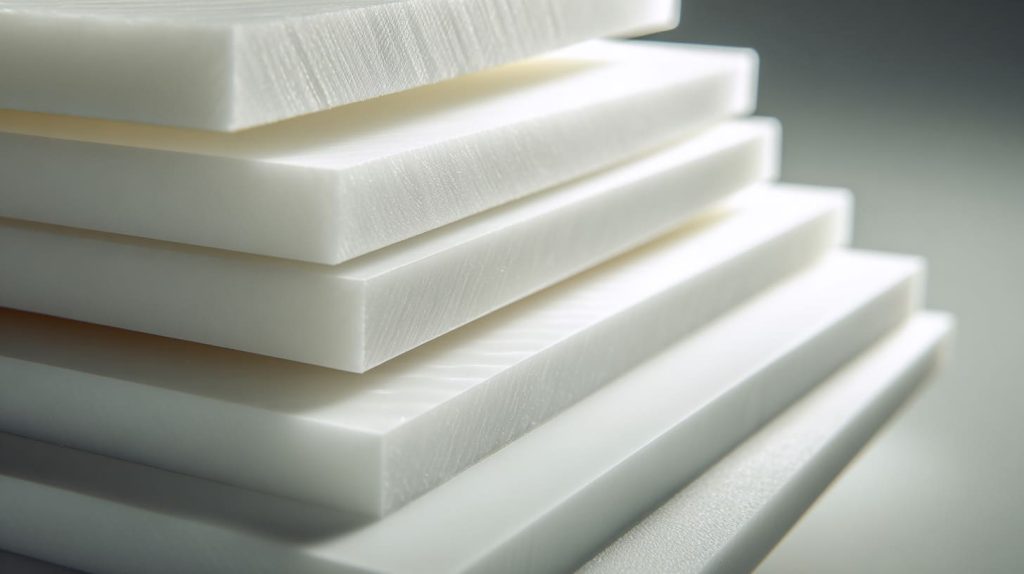
HDPE cutting boards do much more than most people expect.
I started this topic with the kitchen because that is where the material is most familiar. But the real value of HDPE becomes clearer when I look at the full picture. It works in commercial food preparation, industrial work surfaces, medical and laboratory environments, custom fabrication and DIY projects, and retail displays or furniture-related components.
That range is not an accident.
HDPE stays useful because it offers a strong mix of hygiene, durability, moisture resistance, practical fabrication, and reasonable cost. It is not the prettiest material in every situation. It is not the most advanced material in every setting either. But it often becomes the material that makes the most sense once I stop chasing labels and start looking at the actual job.
My final judgment is usually simple: I do not choose HDPE because it sounds impressive, I choose it when the work needs a surface that is reliable, easy to manage, and hard to regret later.
That is the difference that matters.
If you are planning a custom product, a work surface, an organizer, or a functional display part, it helps to look beyond the name cutting board and focus on the material itself. That is where better decisions begin.
If you want to develop a custom acrylic or plastic product for your business, and you need help thinking through materials, structure, and production details, you can take a closer look at Feilong Acrylic at flacrylic.com. I think the best custom projects start with clear questions, honest trade-offs, and a supplier who understands how the product will really be used.