Skip to content

Acrylic looks perfect on day one, and then real life shows up. Scratches, cracks, yellowing, shipping damage, and customer complaints can turn a “simple display” into a slow headache. I’ve watched buyers lose time and confidence because they picked the wrong material for the wrong scene.
Acrylic products often beat glass, wood, and many plastics because acrylic is clear, lightweight, strong for its weight, and easy to cut, bend, polish, and brand. It also ships safer than glass and looks premium in retail displays, signage, and organizers when the design matches the use case.
When Jacky in Canada tells me, “Vincent, I only want a clean display that stays clean,” I know this is not only about looks. It is about how the material behaves after 30 days in a real store, not in a sample room.
What Are the Advantages of Acrylic Material?
Acrylic feels simple at first. Clear plastic. Easy. Then you touch the details: edge polish, light reflection, cleaning behavior, and how it survives retail handling.
Acrylic is valued because it offers high clarity, good stiffness, strong visual “shine,” and strong impact resistance compared to glass, while staying much lighter. It also machines well, so custom shapes, holes, bends, and logos are easier to achieve at scale.
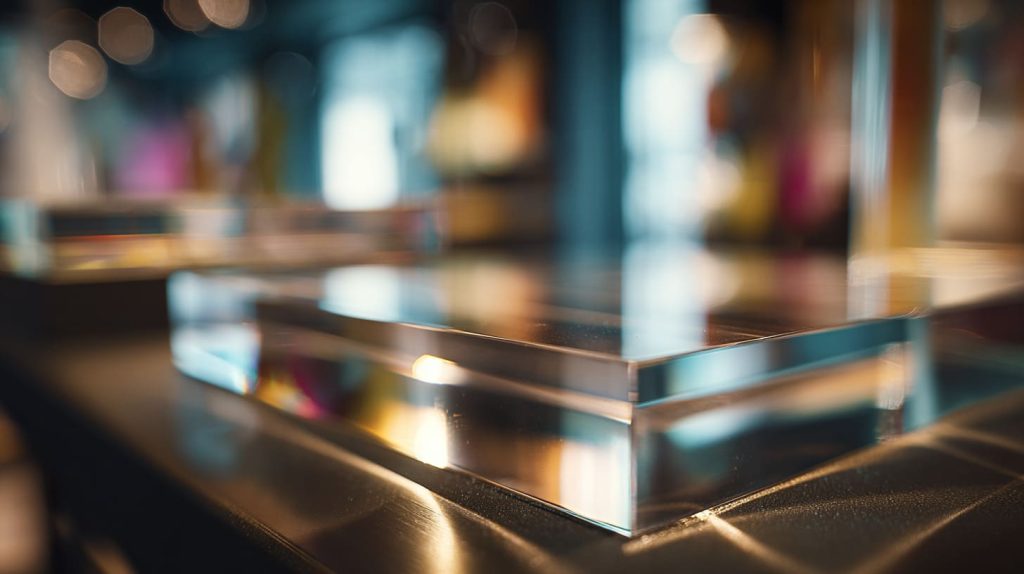
Acrylic has a certain “quiet confidence.” When edges are polished well, it looks like water frozen into a shape. That matters in displays because customers judge quality fast.
Here are the properties I see buyers care about most:
| Advantage | What it means in real projects | Where it helps most |
|---|---|---|
| High clarity | Products look clean and sharp | Retail displays, cosmetic organizers |
| Light weight | Lower shipping risk and cost | Export shipments, store rollouts |
| Good stiffness | Panels stay flat and neat | Sign stands, trays, risers |
| Clean edge finishing | Polished edges look expensive | Luxury retail, showroom fixtures |
| Easy processing | Cut, glue, bend, engrave | Custom OEM display programs |
The “system advantage” people forget
Acrylic is not only a material. It is a workflow material.
- Easy prototyping with laser/CNC
- Easy small design tweaks without restarting the whole program
- Easy branding: UV print, engraving, silk print, labels
That is why it is common in custom display work.
What Are the Pros and Cons of Using Acrylic?
Acrylic is not magic. It has a personality. If you work with it like glass, you may regret it. If you treat it like a display material with rules, it performs well.
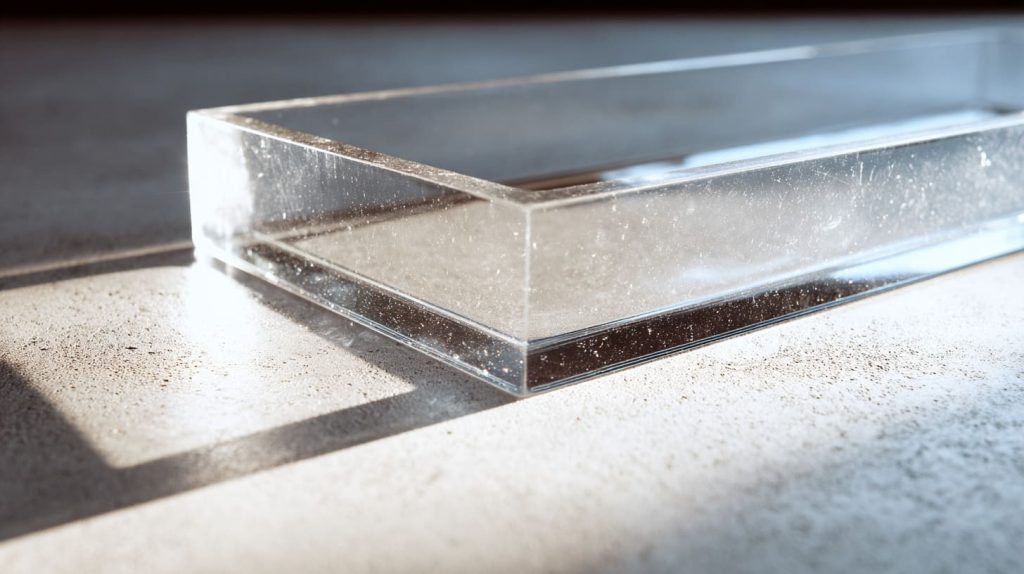
Acrylic’s biggest pros are clarity, weight, and customization. Its main cons are scratching, sensitivity to harsh cleaners, and lower impact toughness than polycarbonate. It can also crack if stress points are designed poorly.
Pros that make buyers reorder acrylic
- Looks premium when polished
- Safer than glass in busy stores
- Easy to produce in custom shapes
- Good for light transmission and LED effects
Cons that cause most complaints
This is where I see issues show up:
| Common problem | Why it happens | What I do to prevent it |
|---|---|---|
| Scratches | Acrylic surface is softer than glass | Add protective film, train cleaning method, change tray design |
| Cracks at holes | Stress concentration + overtight screws | Use larger holes, add washers, avoid sharp internal corners |
| Clouding | Wrong cleaner or rough cloth | Use microfiber + mild soap, avoid alcohol/ammonia |
| Warping (rare) | Heat + thin panels + wrong storage | Increase thickness, add ribs, store flat |
A simple rule I use with buyers
If a display will be wiped many times every day, we design for cleaning first, not only for beauty.
Is Acrylic Material Better Than Plastic?
This question always makes me smile, because acrylic is a plastic. But I know what people mean: “Is acrylic better than cheap plastic?”
Acrylic is a type of plastic, but it usually looks clearer and more rigid than common plastics like ABS or PVC. It is often “better” for display products because it holds its shape and keeps a glass-like look, while many plastics look dull or flexible.

“Plastic” is a big family
Here is how I explain it to non-engineers:
| Material | Typical feel | Best use in display world |
|---|---|---|
| Acrylic (PMMA) | Clear, stiff, glossy | Displays, trays, stands, light guides |
| ABS | Tough, matte, solid | Housings, back panels, non-clear parts |
| PVC | Cheap, flexible, utilitarian | Low-cost signs, industrial covers |
| PETG | Clear-ish, more impact-friendly | Guards, bent parts, budget clear items |
So yes, acrylic is plastic. But for visual products, it behaves like the “pretty cousin” in the family.
Is Acrylic Better Than Plastic for Food?
This is a sensitive area. Some buyers want acrylic trays for snacks or buffet setups. Some want acrylic boxes for bakery display. The answer depends on how it is used and cleaned.
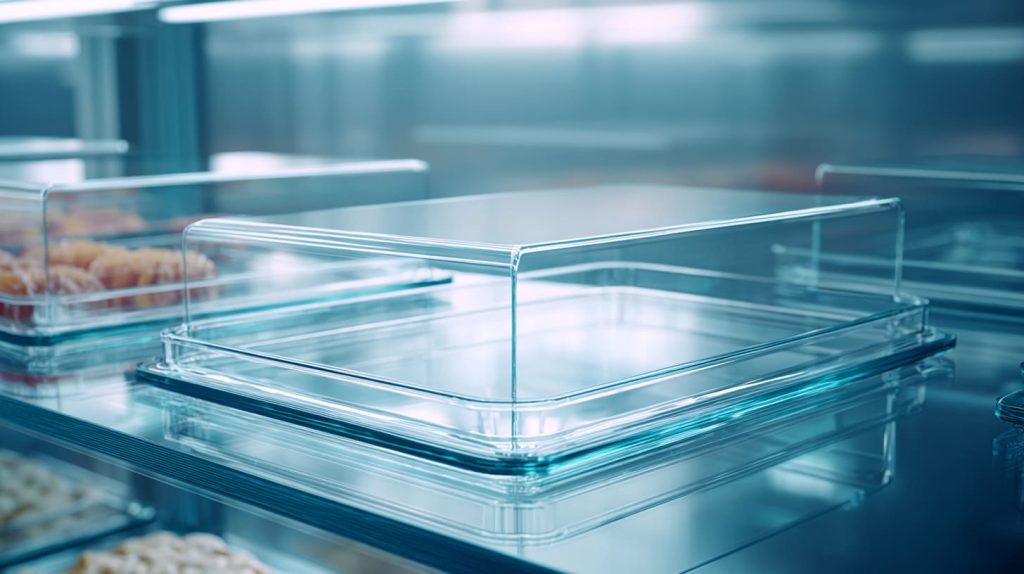
Acrylic can be used around food for display and barriers, but it is not always the best for direct food contact, especially with hot, oily, or acidic foods. If food contact is required, buyers should confirm food-contact compliance, cleaning method, and temperature limits with the supplier.
Where acrylic is commonly fine in food environments
- Bakery display covers (food sits on paper or tray, not on acrylic directly)
- Sneeze guards and barriers
- Menu holders and tabletop displays
Where I tell buyers to be careful
- Hot food contact
- Strong oil contact over long time
- Dishwashers or harsh sanitizers
Here is a simple decision table I use:
| Use case | Acrylic recommendation | Why |
|---|---|---|
| Food display cover | Good | Clear, easy to clean, looks premium |
| Direct cutting surface | Not recommended | Scratches hold residue |
| Hot food container | Not recommended | Heat + stress can deform or crack |
| Buffet label stand | Great | Stable, clear, easy branding |
If Jacky tells me, “I need food contact,” I ask for the exact scenario first. One word changes the whole answer: direct.
Why Is Acrylic Preferred Over Glass in Display and Retail Applications?
Glass looks amazing, but glass is also unforgiving. One slip and the whole project becomes damage control.
Acrylic is preferred over glass in retail displays because it is lighter, less likely to shatter, and easier to fabricate into custom shapes. It can still look very close to glass, but it reduces shipping breakage and store safety risks.
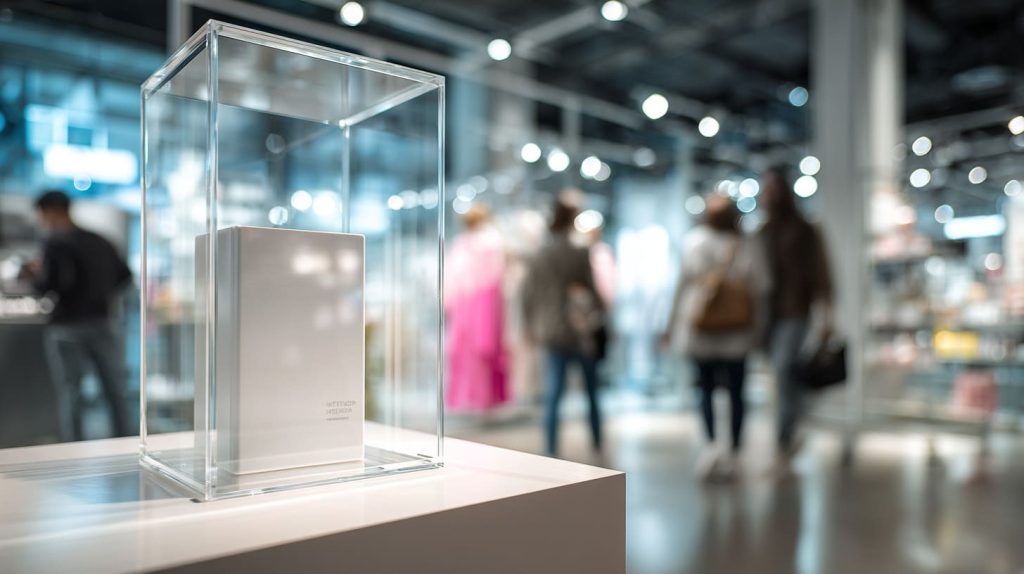
The real reason: glass “punishes” mistakes
In a busy store:
- staff move displays fast
- customers touch everything
- cleaning is constant
- accidents happen
Acrylic survives the normal chaos better.
| Factor | Acrylic | Glass |
|---|---|---|
| Break risk | Low shatter risk | High shatter risk |
| Weight | Light | Heavy |
| Fabrication | Easy custom cuts and bends | Harder, more limits |
| Safety | Safer edges and impact behavior | Can be dangerous when broken |
My human judgment here: in retail, safety and speed matter more than “perfect” hardness.
How Does Acrylic Compare to Polycarbonate in Strength, Cost, and Appearance?
Polycarbonate is the tough guy. Acrylic is the beauty with structure. Many projects need one, not both.
Polycarbonate is usually stronger in impact than acrylic, but acrylic often wins on clarity, surface gloss, and cost for display products. Acrylic looks more “glass-like,” while polycarbonate can look slightly less crisp and may scratch differently.

The quick comparison buyers understand
| Category | Acrylic (PMMA) | Polycarbonate (PC) |
|---|---|---|
| Impact strength | Good | Excellent |
| Clarity | Excellent | Very good |
| Surface look | High gloss | Slightly less “crystal” |
| Cost | Often lower | Often higher |
| Typical choice | Displays, trays, signage | Guards, shields, high-impact parts |
How I decide with buyers
I ask one question: “Will it get hit?”
- If yes: polycarbonate is safer.
- If no, and it must look premium: acrylic is my first pick.
What Makes Acrylic More Cost-Effective Than Other Transparent Materials?
Cost is not only the material price. It is also scrap rate, tooling, lead time, and shipping risk.
Acrylic is often cost-effective because it is widely available, easy to process with common factory equipment, and has lower breakage risk than glass during shipping. It also supports fast customization, so projects waste less time and money in design changes.
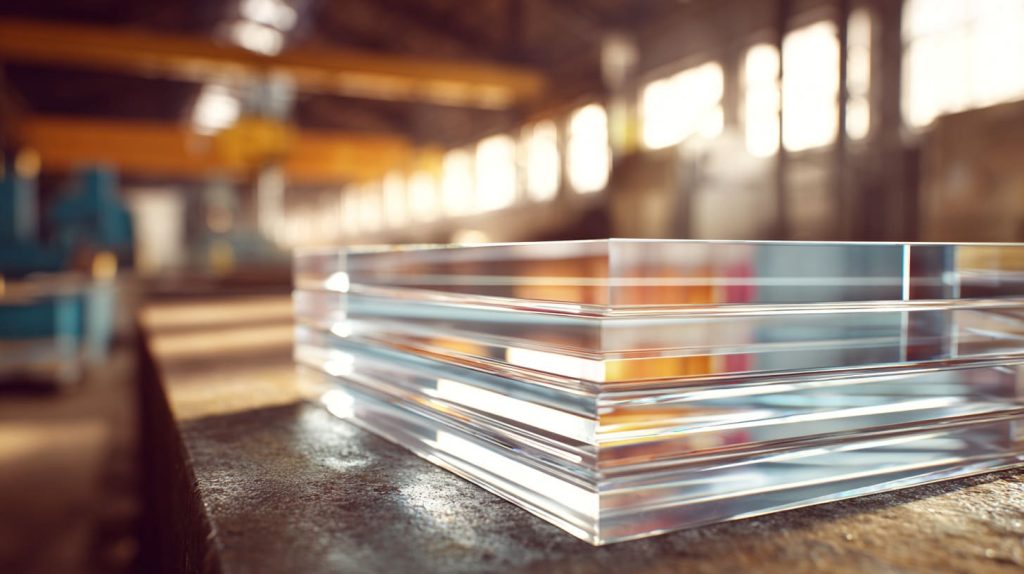
Where money is really saved
- Faster cutting and polishing workflow
- Lower breakage and insurance claims than glass
- Easier packaging due to lower weight
- Easier modification if the first design needs changes
Acrylic also scales well. One store needs 50 pieces, then 500, then 5,000. The process stays stable if the design is smart.
Why Do Designers Choose Acrylic for Custom Displays and Fixtures?
Designers love materials that listen. Acrylic listens. It follows the shape and keeps the shine.
Designers choose acrylic because it can be cut, bent, bonded, and polished into clean forms with sharp lines and clear visibility. It supports custom branding and quick iteration, which is ideal when display concepts change during sampling and rollouts.
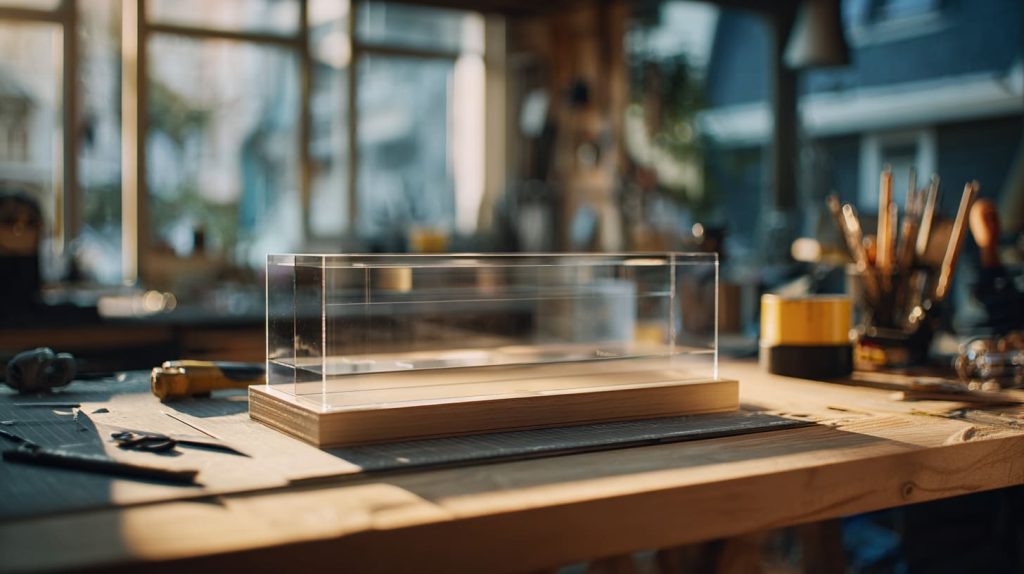
What designers usually want
- crisp edges
- clean corners
- stable geometry
- easy logo placement
- repeatable production
Here is what acrylic supports well:
- Laser cutting for clean profiles
- CNC for pockets, slots, and precision parts
- Flame polishing and diamond polishing for edges
- UV printing for branding and color blocks
I’ve seen designers relax when they realize: even if the first sample is not perfect, acrylic is easy to adjust.
Is Acrylic More Durable Than Wood and Metal for Display Products?
This depends on the kind of “durable.” Wood can chip. Metal can dent. Acrylic can scratch. Every material fails in its own way.
Acrylic can be more durable than wood for moisture and cleaning, and more visually durable than metal for keeping a clean, rust-free look. But acrylic is less resistant to surface scratches than metal, so durability depends on handling and cleaning habits.
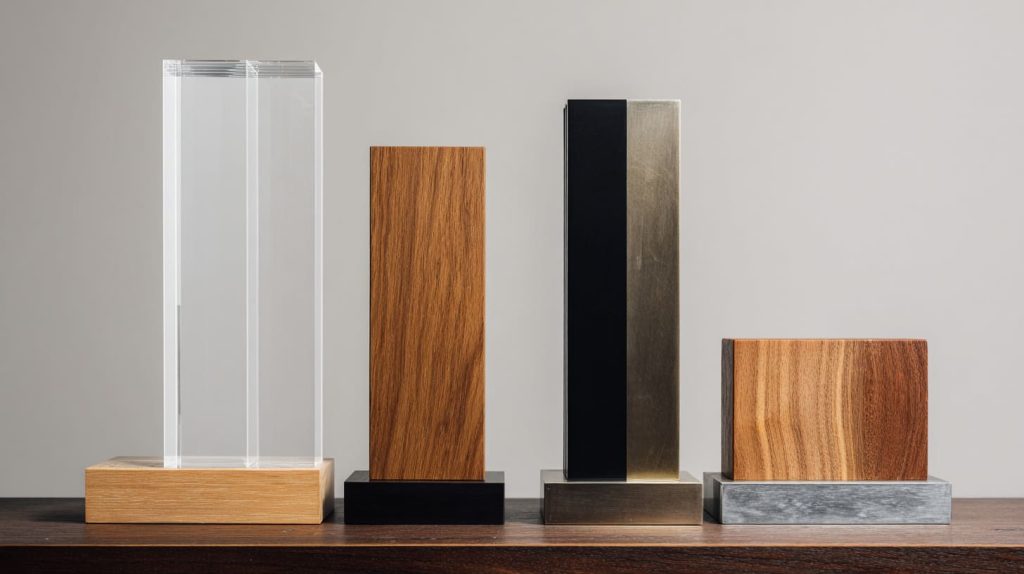
Durability is about the environment
| Environment | Acrylic | Wood | Metal |
|---|---|---|---|
| Humid store | Good | Risk of swelling | Good, but watch corrosion |
| Frequent wiping | Medium (needs care) | Medium (finish can wear) | Good |
| Premium visual | Very good | Good (depends finish) | Good (but shows fingerprints) |
| Scratch resistance | Medium | Medium | Better |
My human judgment: for cosmetics and luxury retail, the “clean look” durability matters more than raw toughness, and acrylic usually wins that game.
How Does Acrylic Perform in Terms of Weight and Transportation Efficiency?
Shipping is where many “cheap” materials become expensive. Weight and breakage can quietly eat margins.
Acrylic is lightweight and less fragile than glass, so it usually reduces shipping cost, packaging complexity, and damage claims. For export orders and multi-store rollouts, this often makes acrylic a safer material choice overall.
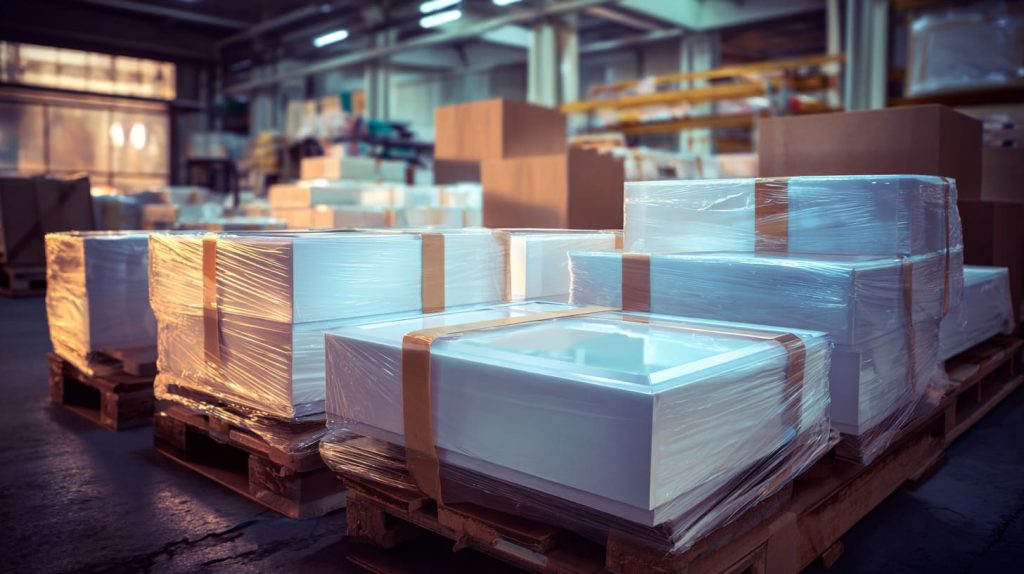
Why logistics teams like acrylic
- lighter cartons
- easier handling
- lower risk of injury
- lower breakage compared to glass
A simple example I often see: the same display design in glass needs thicker foam, stronger cartons, and more “fear” in the warehouse. Acrylic ships with less drama.
What Are the Optical Advantages of Acrylic Compared to Other Plastics?
If the product is meant to be seen, optical quality is not a luxury. It is the product.
Acrylic has strong optical clarity and light transmission, and it can be polished to a very clear edge. Compared to many common plastics, acrylic often looks sharper, less hazy, and more glass-like, which is why it is popular for displays and lighted fixtures.
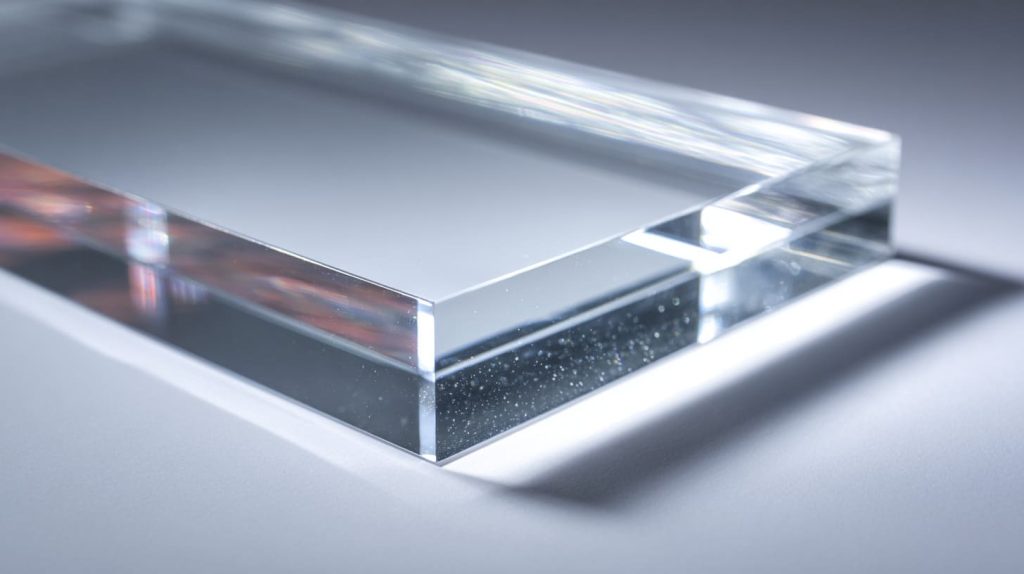
Where acrylic optics stand out
- clearer viewing through thicker panels
- better-looking edges after polishing
- strong light guiding for LED projects
Here is a simple comparison that buyers understand:
| Optical feature | Acrylic | ABS | PVC | PETG |
|---|---|---|---|---|
| Crystal clarity | High | Low | Low | Medium |
| Edge polish beauty | High | Low | Low | Medium |
| Light guiding | Strong | Weak | Weak | Medium |
I always say: if your product sells with the eyes, acrylic pays you back.
Why Is Acrylic Easier to Customize Than Other Display Materials?
Customization is the real reason my factory stays busy. Buyers change sizes, branding, and structure all the time.
Acrylic is easier to customize because it cuts cleanly, bonds well with common acrylic adhesives, and supports many finishing options like polishing, printing, engraving, and bending. It also works well with both small-batch sampling and large-batch production.
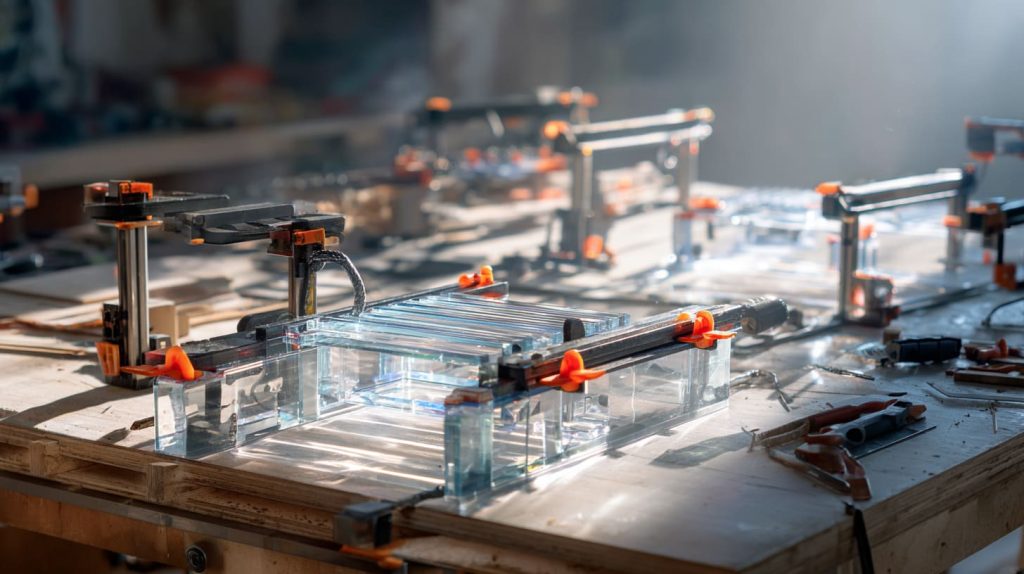
Custom options that are practical
- UV printing logos and patterns
- Engraving brand marks
- Heat bending for clean angles
- Bonding into boxes and risers
A quick customization checklist
When Jacky sends a drawing, I usually confirm:
- thickness
- corner radius
- hole sizes and screw method
- edge finish standard
- cleaning method in store
If we confirm these early, the project feels smooth later.
How Does Acrylic Hold Up in Long-Term Commercial Use?
Long-term use is where materials show their true character. Acrylic can last a long time, but only when the system supports it.
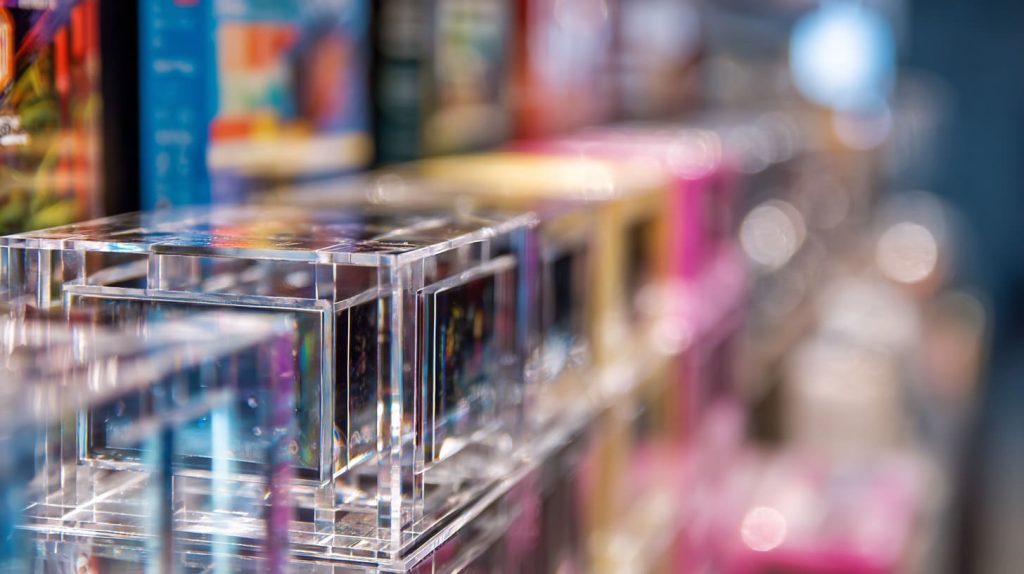
Acrylic holds up well in long-term commercial use when thickness, support structure, and cleaning method are designed correctly. It can stay clear and stable for years, but poor cleaning habits and stress-heavy designs can cause scratches, clouding, or cracking over time.
The three things that decide lifespan
1) Design stress points
Sharp internal corners and tight screw holes are common failure points. I push for:
- rounded internal corners
- proper hole clearance
- washers or soft gaskets
2) Cleaning reality
Staff will wipe quickly. They will use what is nearby. So I recommend:
- microfiber cloth
- mild soap + water
- avoid ammonia cleaners
- avoid rough paper towels
3) Protection planning
If the display is high-touch, we can add:
- thicker material
- replaceable top layer
- protective films during installation
My human judgment: acrylic lasts when you design for humans, not for perfect lab conditions.
When Is Acrylic Not the Best Choice Compared to Other Materials?
This is the part I never hide, because it saves buyers from regret.
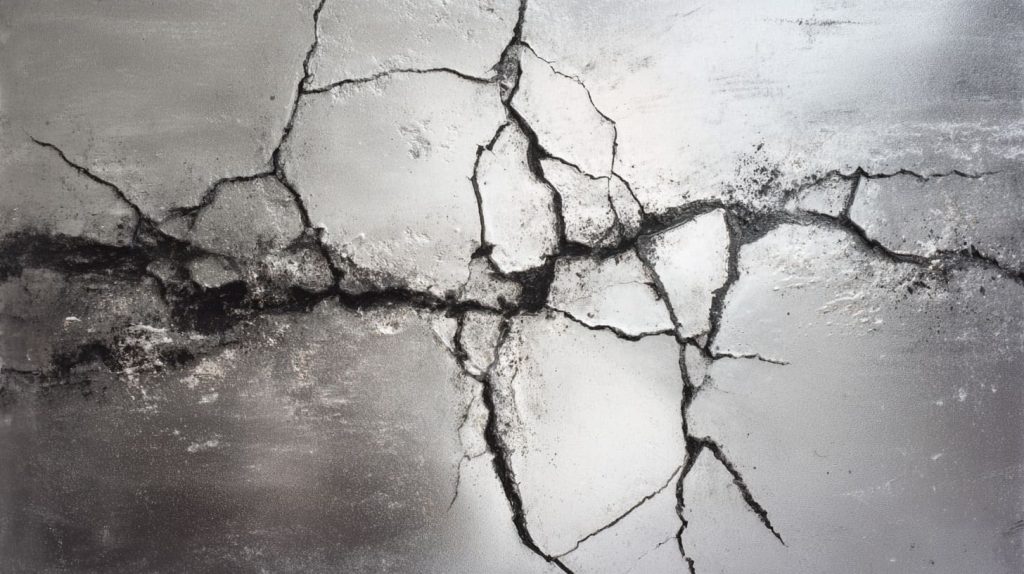
Acrylic is not the best choice when the product faces heavy impact, high heat, harsh chemicals, or constant abrasive contact. In those cases, polycarbonate, metal, or specialized food-safe plastics may perform better and reduce long-term complaints.
Situations where I push buyers away from acrylic
- safety shields with impact risk
- industrial chemical splash zones
- hot food contact containers
- parts that will be dragged and scraped daily
Here is a simple guide:
| Requirement | Better choice than acrylic | Why |
|---|---|---|
| High impact | Polycarbonate | Stronger against cracking |
| High heat | Metal / high-temp plastics | Acrylic can deform |
| Harsh chemicals | Specialized plastics / metal | Acrylic can cloud |
| Heavy abrasion | Metal / coated metal | Acrylic scratches easier |
I’d rather lose one order than create a problem that follows you for two years.
Conclusion
Acrylic wins when you need clarity, premium look, low weight, and easy customization, especially for retail and display products. It loses when impact, heat, harsh chemicals, or abrasive use dominate. If you want help choosing the right acrylic type and design details, email me at info@xflacrylic.com and tell me your size, thickness, quantity, and use scene.