Skip to content

I remember the first time I heard about polycarbonate plastics. I was wandering through a local hardware store, searching for something tough but not too bulky for a personal project. I stumbled upon rows of transparent sheets that felt like glass but weighed much less. That was my first face-to-face encounter with polycarbonate. I didn’t realize at the time how deeply I would end up working with this material, especially in my collaborations at Feilong Acrylic.
Background of Polycarbonate Plastics
Polycarbonate plastics trace their roots back to the mid-20th century. Chemists discovered a durable polymer that could withstand impacts in a way typical glass never could. Back then, I used to think “plastic is just plastic.” I later learned polycarbonate stands out because it offers clarity and high strength in one package.
If I look at different brands on the market, I notice several big names competing for attention. Each brand offers unique features, but most share a similar chemical heritage. I see them in motorcycle helmet visors, safety goggles, and even greenhouses. Each brand tries to perfect clarity and durability in different ways.
Critically speaking, some industry professionals claim that brand loyalty is often built on marketing rather than true material differences. Others say each brand has a special formula. I find it best to keep an open mind. If I only trust marketing, I might miss a better solution. If I dismiss marketing entirely, I might overlook genuine benefits.
I remember staring at a brand comparison chart once, wondering if it was all hype. That curiosity led me to test different sheets myself. The results surprised me. Although many brands perform similarly, small differences in coatings or additives can become huge advantages in specific applications.
I hope you’ll follow my train of thought as we dive deeper into how this material captured the market.
(Still with me? I promise this will get more interesting. I will share some real-world insights next.)
Why “Lexan” Stands Out

I often meet people who refer to all polycarbonate as “Lexan.” It’s like how everyone calls facial tissue “Kleenex.” The term Lexan is actually a brand name. It gained popularity because it introduced many of us to durable and transparent polycarbonate sheets.
In industrial circles, Lexan is almost synonymous with high impact resistance. I used to think it was just marketing until I visited a local workshop. They hammered a piece of Lexan repeatedly, and the sheet didn’t even crack. That moment convinced me of its general reputation. Many commercial builders, automotive experts, and product designers trust this brand because they know it can handle serious abuse.
From another angle, some might say other polycarbonate brands offer similar or even better performance. However, Lexan remains a heavy-hitter because it was among the first to market this quality. It’s like having brand recognition plus solid product features. I suggest that we keep a healthy skepticism while appreciating what Lexan has done for the industry.
I recall a conversation with a friend who doubted Lexan’s hype. He tested a random brand instead. The results were decent, but when he switched to Lexan, he felt more confident telling clients, “We use Lexan, so you’re safe.” Sometimes, peace of mind is the real reason behind brand loyalty.
I bet you’re wondering about the nuts and bolts—what makes Lexan so special under the hood? Let’s jump into that next.
Definition and Composition of Lexan Polycarbonate

I’ve fiddled with many plastic types. Lexan polycarbonate isn’t just “some random plastic.” It’s a tough resin that brings clarity with durability.
Chemical Structure
When I first read about the polymer’s structure, it sounded like a chemistry textbook. But here’s the simple version: polycarbonate’s molecules are linked in a way that makes them resistant to cracks and breaks. Each chain of molecules is interlinked so firmly that it’s like a tightly woven net. This structure allows it to be both flexible and sturdy at the same time.
From a critical viewpoint, not everyone agrees that molecular structure alone tells the whole story. Additives, coatings, and manufacturing processes play huge roles in final performance. I once had a batch of sheets that discolored quickly. Turned out, the manufacturer used a weaker UV coating. So, I always remind folks that structure is the beginning, not the end.
Manufacturing Process
Most polycarbonate sheets, including Lexan, undergo a process where the resin is melted and extruded through molds. Then they cool into solid sheets. During production, manufacturers pay attention to factors like temperature control, cooling rate, and thickness precision. If something goes off, you get uneven surfaces or internal stress points.
When it comes to key quality controls, Lexan typically passes strict testing. They check for impact resistance, clarity, and coating adhesion. I once had the chance to tour a plant where they tested each batch with high-speed projectiles. Watching those tests made me realize how vital quality checks are. A single flaw can ruin the entire sheet’s reliability.
As a critic, I also consider the waste generated by production. Companies like Lexan often recycle scraps back into the process. However, not all manufacturers do this consistently. I believe it’s essential to ask about sustainability if it matters to your projects.
If this all sounds interesting, hang in there. We’re about to explore why you might want to use Lexan in your next design.
Key Properties and Advantages
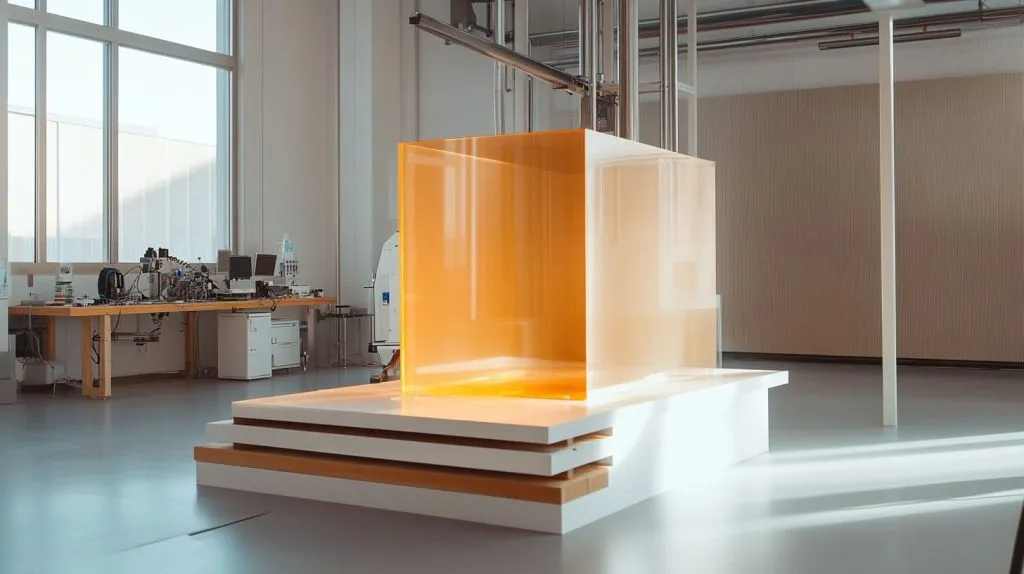
I’ve shared bits of my experiences testing polycarbonate in labs and in the field. Now, I want to highlight what truly sets Lexan apart.
Strength and Impact Resistance
I once hit a sample piece of Lexan with a rubber mallet for a demonstration. It just bounced back. The high impact rating is a hallmark. If you compare it to more common plastics—like acrylic—Lexan typically withstands stronger forces before cracking. That’s why it’s used in security shields and safety goggles.
But consider this: not every project needs that level of strength. You might overpay if you only need moderate durability. I’ve met people who purchased Lexan for small display stands that never face stress. They could have saved money by choosing acrylic. Always weigh the pros and cons against your actual needs.
Clarity and Light Transmission
I love how Lexan remains clear even at thicker gauges. This transparency rivals glass. If you’ve ever worked with glass, you know how heavy it can be, and it shatters easily. By contrast, Lexan is light and doesn’t explode into sharp shards.
On the flip side, some niche applications need ultra-perfect clarity. Acrylic often has better optical clarity if you compare the two side by side. So, if you’re creating premium-looking display boxes, acrylic might be your friend. Lexan offers good clarity, but sometimes it’s not the best for glossy, show-stopping aesthetics.
Thermal Stability and Flame Resistance
Lexan can handle heat without warping quickly. That matters if you’re using it near machinery or lighting. It also has self-extinguishing properties, which means it can stop burning when the flame source is removed. I recall a fire safety test I observed in a local lab. The regular plastic continued to melt and emit smoke, while Lexan charred but eventually self-extinguished.
Critically speaking, no material is perfect. If the flames are extreme, even polycarbonate can deform. Always look at your environment’s temperature range. I like to emphasize real-world conditions rather than lab tests when deciding if Lexan is right.
UV and Weather Resistance
Most Lexan sheets include a UV protective layer that stops yellowing. When I installed a greenhouse panel years ago, the brand guaranteed minimal discoloration over time. After three summers, it remained surprisingly clear.
However, some users wonder if UV layers peel off or weaken. I noticed small peel issues in cheaper brands, not in genuine Lexan. If you’re planning outdoor use, it’s important to make sure you have the right UV-rated sheet. This distinction separates high-quality brands from cut-rate products.
I sense you might be imagining how all these benefits apply to everyday projects. Let’s talk about the areas where Lexan truly shines.
Common Applications of Lexan Sheets

I’ve encountered Lexan sheets in enough places that I’m convinced it’s everywhere. From construction sites to art studios, it has a knack for fitting in.
Construction and Architecture
I once walked into a modern home and noticed a spectacular skylight. Turned out it was Lexan. Builders love it for windows, skylights, roofing, and glazing because it’s lightweight and strong. Protective barriers and partitions are also common uses. I recall a big retail store installing Lexan barriers during a renovation. They wanted something that wouldn’t shatter if knocked over by cart traffic.
Yet, from a broader perspective, some architects prefer glass for its visual appeal and historic charm. Others appreciate Lexan’s insulation and impact resistance. I advise folks to balance aesthetics, safety, and budget. It’s not an all-or-nothing choice.
When that conversation wraps up, I often tease them with how Lexan goes beyond buildings. Speaking of security…
Security and Safety
I’ve seen bullet-resistant panels made from layers of polycarbonate. They’re used in banks and sometimes at event venues. Machine guards in factories also rely on Lexan so you can see what’s happening without risking shrapnel.
Critically, bullet-resistant doesn’t mean bulletproof in every scenario. The rating can vary based on sheet thickness and layering. It can make a difference in preventing forced entry or slowing down projectiles. But rely on actual ballistic ratings, not brand claims alone.
Automotive and Aerospace
Lightweight matters for vehicles. I once peeked under the hood of a show car that had Lexan windows to reduce weight. You also see it in aircraft canopies because it resists hail and bird strikes. Fuel efficiency is a bonus because each pound saved counts.
However, I’ve heard some drivers complain about scratches on Lexan windows. Acrylic can be more scratch-resistant in some cases. Always weigh the trade-off between impact strength and scratch resistance. I like to tell people, “Choose your compromise.”
Signage and Retail Displays
I’ve designed illuminated signs and pop-up displays using Lexan. One memorable example is a large sign at a stadium entrance. It had to handle windy conditions and possible vandalism. Polycarbonate’s durability was key. It also helps that you can backlight it easily.
In the retail space, point-of-purchase (POP) displays are often thrown around during quick store changes. Lexan stands up to that abuse. But if your display needs a pristine gloss finish, you might prefer acrylic. There’s no one-size-fits-all solution, so always be mindful of your project’s priorities.
Let’s move on to the practical side: working with Lexan can be straightforward, but there are a few pitfalls to watch out for.
Working with Lexan Polycarbonate
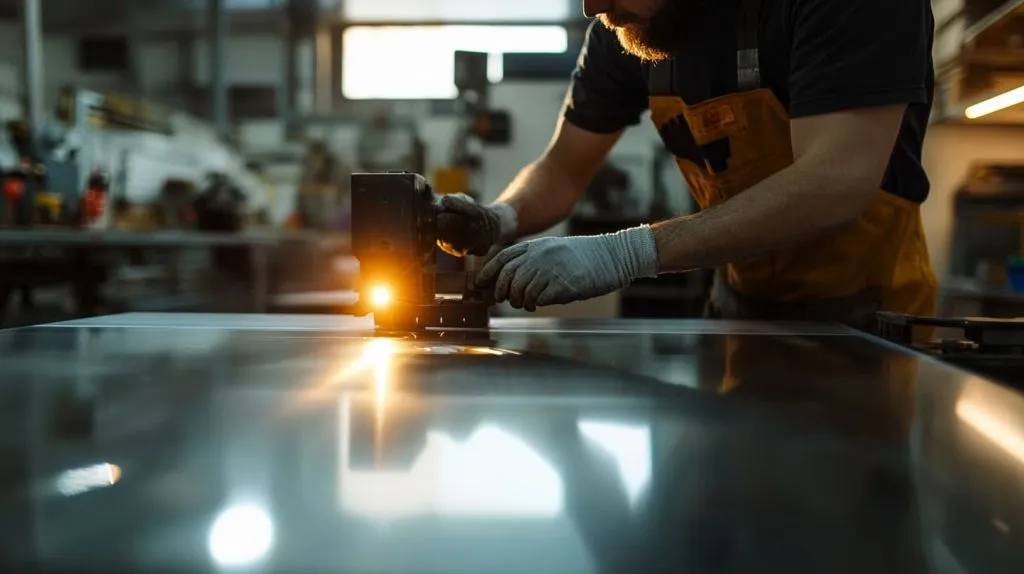
When I first cut a Lexan sheet, I realized it’s tougher than acrylic. You can’t just grab any blade. Let’s explore the best ways to work this material without harming it or yourself.
Cutting, Drilling, and Shaping
I prefer using fine-tooth carbide blades for cutting. I’ve seen folks use jigsaws with special blades, too. The goal is to keep the sheet from melting or cracking at the edges. Using slow, steady pressure helps prevent stress fractures. Drilling also requires a slow feed rate. I keep the protective film on until I’m done to avoid scratches.
In a broader sense, some might argue that you can use whatever tool you have on hand. But I’ve made that mistake. A coarse blade can leave jagged edges or micro-cracks that lead to bigger problems later. Also, I learned the hard way to clamp the sheet securely. Otherwise, vibrations cause chipping.
Bending and Thermoforming
Polycarbonate bends well, especially if you apply heat. I remember experimenting with a heat strip to make a curved frame for a mini greenhouse. It worked beautifully, but you must heat it evenly. Overheating leads to bubbles or discoloration. Underheating causes cracking.
However, if you only need a slight bend, you might try cold bending. This is possible because Lexan is more flexible than acrylic. But watch out for internal stress. Over time, stress can create small cracks or a milky appearance. Proper methods and patience are crucial.
Cleaning and Maintenance
I like to clean Lexan with mild soap and water. Harsh chemicals can dull or even crack the surface. Always use a soft cloth or sponge. Abrasive pads can cause micro-scratches that haze the sheet over time.
Thinking critically, some specialized cleaners are marketed for polycarbonate. They might work well, but I suggest checking user reviews before committing. You don’t want to find out the hard way that it leaves residue or shortens the sheet’s lifespan.
Now that you know how to handle Lexan, let’s consider its limitations. No material is flawless, and it’s better to know the drawbacks upfront.
Considerations and Limitations

During my early projects, I made the mistake of assuming Lexan was bulletproof in every sense. It’s vital to understand its weaknesses, too.
Surface Hardness and Scratching
Despite its impact resistance, the surface of Lexan is softer than glass. It’s prone to scratching if you’re not careful. Some manufacturers add hard coats to enhance scratch resistance, but these usually cost more. I watched a friend’s large window panel lose its clarity because of repeated wiping with a dusty cloth.
From another perspective, the scratch issue can be mitigated with protective films or coatings. However, these solutions might introduce new problems like peeling. That’s why good maintenance practices matter so much.
Cost vs. Performance
Lexan is often pricier than alternatives like acrylic. If your project calls for maximum impact strength, the cost can be justified. But if it’s just for a small indoor sign that no one will touch, acrylic might suffice.
Here’s a quick comparison table I often share:
| Property | Lexan | Acrylic |
|---|---|---|
| Impact Strength | Very High | High |
| Clarity | Good (sometimes slight tint) | Excellent |
| Price | More Expensive | Less Expensive |
| Scratch Resistance | Lower (unless coated) | Higher |
Critically, your budget may sway your decision, especially in bulk orders. I recommend a cost-benefit analysis with real-life usage in mind.
Environmental Factors
Polycarbonate can be recycled in many places, which eases some environmental concerns. I’ve visited recycling facilities that welcome polycarbonate, although it’s not as simple as recycling basic plastics. Some people prefer alternative materials with simpler recycling streams.
However, from my vantage point, Lexan’s long lifespan can offset the resource cost. If it survives extreme conditions longer than a cheaper material, you replace it less often. This is an eco-friendly angle worth considering.
We’ve talked at length about Lexan itself. Now, let’s connect the dots to Feilong Acrylic and what I offer with my expertise.
Relevance to Feilong Acrylic and Custom Solutions

When I work on custom projects at Feilong Acrylic, I notice clients sometimes need both acrylic and polycarbonate solutions. That’s where my team’s versatility shines.
Comparing Acrylic and Lexan Polycarbonate
Acrylic is known for its crystal-clear transparency and scratch resistance. Lexan is known for its impact strength. Both are valuable. I look at what the client needs. For premium cosmetic displays, acrylic often takes center stage. For heavy-duty protective shields, Lexan is unbeatable.
But from another vantage point, you might mix materials. Some designs use an acrylic front for clarity and a Lexan backing for strength. I once designed a display box with an acrylic face and Lexan sides to keep it secure in a busy retail environment.
Feilong Acrylic’s Capabilities
My team supports large-scale B2B orders, but we also listen to personal design requests. We handle custom shapes, branding, and finishing. We have five production lines and advanced machinery to deliver high-grade products. I’m proud that we are ISO9001 certified and use eco-friendly acrylic.
We don’t keep a catalog because we focus on custom solutions. If you’ve got a drawing or an idea, we’ll turn it into reality. Whether it’s a special display or an OEM solution for a product line, we can help.
Thinking about it critically, many shops can produce acrylic or polycarbonate items, but not all manage tight lead times. We work quickly without sacrificing quality. That’s crucial if you have deadlines or need prototypes fast.
Practical Tips for Product Designers
If you’re shifting from acrylic to Lexan, consider the differences in cutting and finishing. Lexan’s softness might require protective coatings if you want a glossy finish. Also, remember it’s heavier, so factor in shipping costs for large orders.
Collaborating with my team at Feilong Acrylic is simple. You share your design or concept, and we’ll give you feedback on material choice, thickness, and finishing. That collaborative approach ensures you get a final product that meets your requirements without unexpected surprises.
I’ve enjoyed walking you through how Lexan compares to acrylic. Let’s bring everything together and wrap up our journey.
Conclusion

Summary of Lexan’s Core Advantages
Lexan’s biggest selling points are its impact strength, clarity, and heat resistance. It’s well-suited for security, industrial, and architectural applications. However, it requires thoughtful handling due to its scratch-prone surface. Overall, it balances durability and transparency like few materials can.
Future Outlook
Polycarbonate sheets will likely see rising demand as industries pursue lighter, stronger materials. Lexan remains a leading name. If you need custom polycarbonate solutions, my team at Feilong Acrylic can help. I’m always eager to see how new coatings and processes push these sheets even further.