Skip to content
Acrylic, or poly(methyl methacrylate) (PMMA), is a remarkable material that is both versatile and indispensable in various industries. With its impressive transparency, durability, and adaptability, acrylic has carved out its space as a popular alternative to glass in many applications. Whether you’re working in construction, healthcare, or even art, acrylic's unique properties make it a go-to material for countless uses. But what exactly makes this polymer so special? Let’s dive into what acrylic is all about and why it stands out in the world of materials.

Properties of Acrylic
Acrylic isn’t just another plastic; it’s a material that combines several key properties that make it an excellent choice for a variety of applications.
Transparency and Clarity
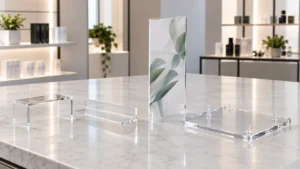
One of the defining features of acrylic is its exceptional clarity. Imagine looking through glass—now imagine it’s even clearer and more vibrant. That’s acrylic for you. Its high optical clarity makes it the ideal material for anything that needs to be transparent, from retail displays to window panels. And here’s a fun fact: acrylic is almost as clear as glass, but it’s about half the weight, making it much easier to handle.
Durability and Impact Resistance
Despite being lightweight, acrylic is incredibly durable and impact-resistant. It’s like that friend who seems delicate but is always ready for an adventure. You’ll find acrylic used in places where glass might break easily, like in automotive lighting or signage. Imagine walking through a store with large display panels made of acrylic. You don’t have to worry about them shattering with a simple bump, unlike glass. Its toughness gives it an edge in places that need both clarity and resilience.
Weather Resistance
Acrylic doesn’t just shine indoors—it’s equally impressive outdoors. With its resistance to UV radiation and weathering, acrylic is built to last in the harshest conditions. Whether it's blazing sun or chilly winds, acrylic maintains its color stability and doesn't degrade like other materials might. For example, acrylic windows or skylights won’t turn yellow with prolonged sun exposure, keeping them looking fresh for years.
Manufacturing Process

Acrylic is made through a process called polymerization—a fancy word for how the raw materials are transformed into the final product. There are several methods used, each with its own unique characteristics.
- Bulk Polymerization: This is when the material is polymerized without a solvent, resulting in high molecular weight polymers.
- Emulsion Polymerization: Here, water is used as a medium, producing finer particles of PMMA.
- Suspension Polymerization: This method suspends monomers in water, which creates spherical polymer particles.
Understanding these different processes is crucial for anyone involved in the production or customization of acrylic products. Each method has its own benefits, depending on the final use of the acrylic product.
Applications of Acrylic

Acrylic’s versatility doesn’t stop at its properties. It’s used in a wide range of industries, each benefiting from its unique advantages.
Signage and Displays
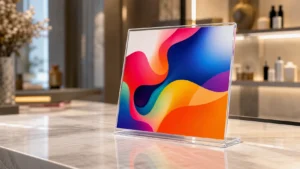
One of the most popular uses of acrylic is in signage and displays. Whether you're walking through a mall or visiting an exhibition, you’ll likely encounter acrylic holding important information or products on display. Its ability to be easily shaped and its exceptional clarity make it a go-to choice for businesses looking to highlight their products.
Automotive Components
Acrylic’s impact resistance and clarity are also highly valued in the automotive industry. You’ll find it used in lighting covers, instrument clusters, and even mirrors. The automotive industry demands materials that can withstand high temperatures and physical stress, and acrylic is up for the task.
Medical Devices
Believe it or not, acrylic is also a key player in the medical field. From incubators to blood oxygenators, acrylic is used in devices where biocompatibility and clarity are crucial. This is especially important in medical environments, where seeing clearly through equipment could be a matter of life or death.
Construction and Architecture
In the world of construction and architecture, acrylic is often used for windows, skylights, and facades. Its light transmission and resilience make it perfect for structures that need both style and function. Imagine a modern building with sleek, transparent walls or roofs—acrylic is likely what you’re seeing.
Art and Design
Artists and designers have long favored acrylic for its vibrant colors and quick-drying time. Whether in the form of paints or sculptural pieces, acrylic is used to create stunning works of art. Its versatility allows artists to experiment with a variety of techniques, creating pieces that are as unique as their imagination.
Environmental Considerations

While acrylic is incredibly durable, there are some environmental concerns surrounding its production and disposal. Like many plastics, acrylic recycling can be challenging. The process requires specific methods, which can be more complex than other materials. However, some companies are actively working on improving acrylic’s recyclability, which gives hope for a more sustainable future.
In the meantime, it’s important to consider these environmental impacts when choosing materials. But don’t let that take away from the fact that acrylic’s benefits far outweigh the downsides, especially when used in a thoughtful and responsible way.
Conclusion

Acrylic is more than just a plastic—it's a multi-faceted material that serves a variety of industries in creative and practical ways. From its transparency and durability to its impact resistance and versatility, acrylic continues to be a reliable choice for those looking for a material that’s strong yet lightweight. Whether you're designing custom displays, manufacturing automotive components, or even creating art pieces, acrylic is a material that can handle it all. Understanding its properties and applications is essential for anyone working with it, ensuring that you make the best possible use of this extraordinary material.