Skip to content
Clients don’t always ask for materials by name. What they describe instead is what they need—something clear but tougher than acrylic, flexible enough for shaping, and safe enough for packaging.
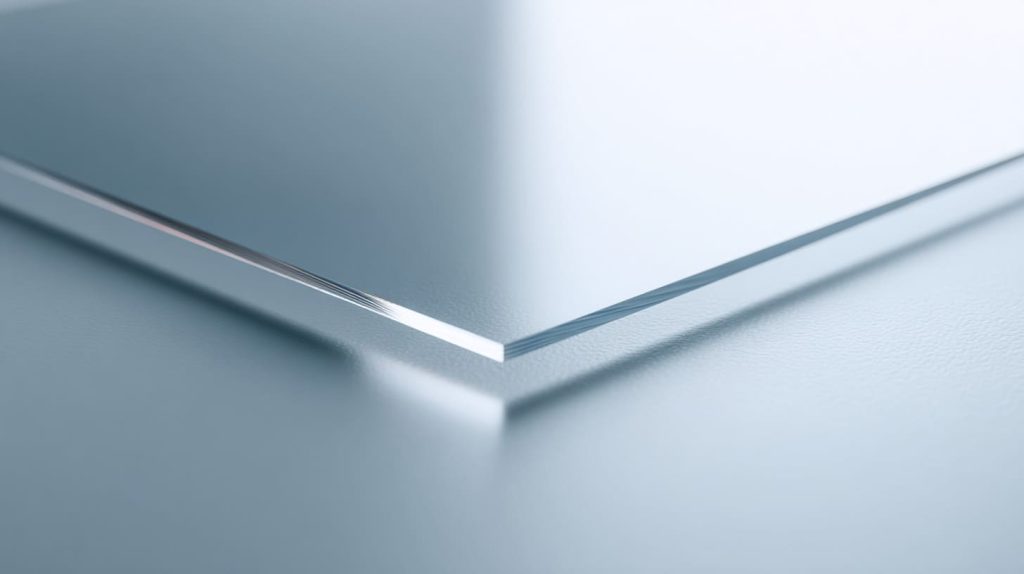
PETG is a transparent thermoplastic known for its strength, impact resistance, and ease of fabrication—ideal for displays, packaging, and custom acrylic-like parts.
That’s usually when PETG enters the conversation—not as the hero, but as the problem-solver nobody saw coming.
What are the disadvantages of PETG?
PETG isn’t perfect—and knowing its flaws matters.
Its downsides include lower surface hardness, proneness to scratches, and a tendency to attract dust and fingerprints.

Not scratch-proof
PETG is softer than acrylic. That means keys, packaging tools, even fingernails can leave marks.
Static can be annoying
It builds up static easily, attracting dust like a magnet in cleanroom or retail settings.
Heat tolerance is lower
PETG starts softening around 80°C. That limits its use near high-heat sources.
| Property | PETG | Acrylic |
|---|---|---|
| Scratch Resistance | Low | Moderate |
| Heat Resistance | Moderate (~80°C) | Higher (~100°C) |
| Static Buildup | High | Low |
Is PETG plastic toxic?
It’s a fair question—especially when people touch or store things in it.
No, PETG plastic is not toxic. It’s considered safe for contact with humans and food, especially when properly manufactured.

Most suppliers I’ve worked with confirm that their PETG sheets are FDA-compliant or pass migration tests. Still, trace additives may vary between brands. So always ask your supplier for documentation when safety is key.
Does PETG have BPA in it?
When people hear “plastic,” BPA fear usually follows.
No, PETG is BPA-free. It doesn’t contain bisphenol-A, unlike polycarbonate.

That’s a huge plus in medical, packaging, and food-contact applications. I’ve even had clients switch from PC to PETG just to use the “BPA-free” label more confidently.
Does PETG leach chemicals?
This one always gets nuanced.
PETG does not leach harmful chemicals under normal use, especially when used at room temperature.
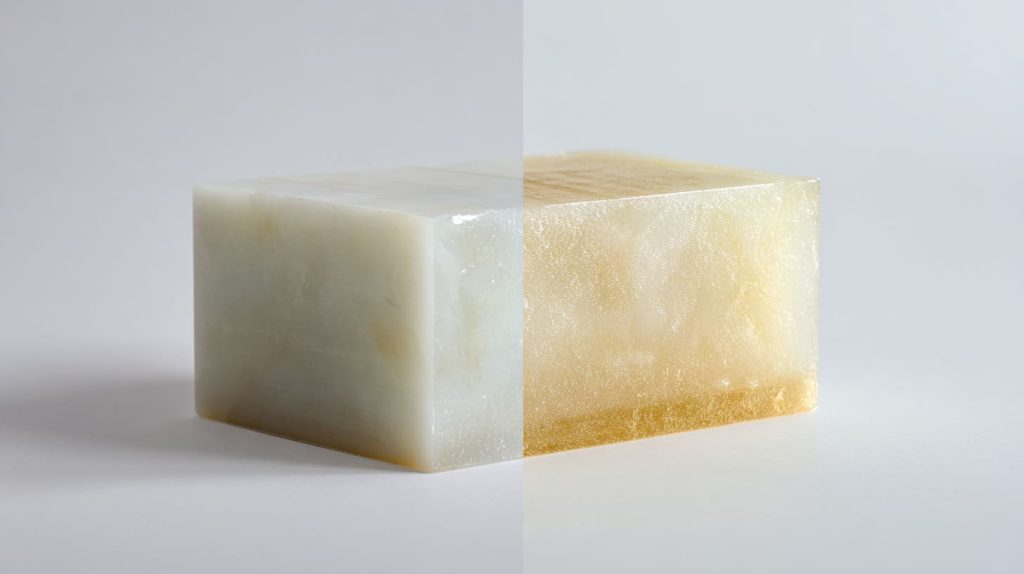
But like most plastics, prolonged exposure to high heat or UV can degrade its structure. For food or medical use, I always advise avoiding harsh sterilization methods or extended sunlight exposure.
What is the lifespan of PETG plastic?
People want to know how long their project will last.
PETG can last 3 to 10 years or more, depending on usage, thickness, and environmental conditions.

In indoor signage and displays, I’ve seen PETG panels hold up beautifully for over 5 years with no yellowing or warping. Outdoor use? That’s a different story.
| Use Case | Expected Lifespan |
|---|---|
| Indoor Displays | 5–10 years |
| Food Packaging | 1–2 years |
| Outdoor Signage | 1–3 years (w/ UV stabilizer) |
What are the advantages of PETG over acrylic?
Sometimes I choose PETG. Sometimes I don’t. It depends on the project.
PETG offers better impact resistance, easier thermoforming, and improved durability in shipping compared to acrylic.
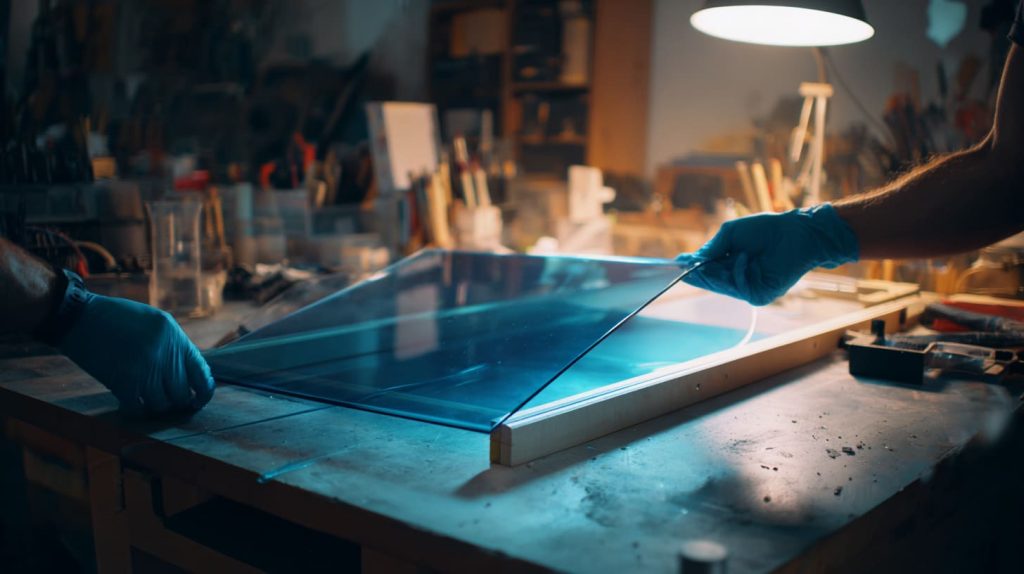
Flexibility
PETG bends without snapping. Acrylic cracks. That matters when cutting tight corners or making hinged parts.
Safer in shipping
I’ve lost count of the number of acrylic panels that shattered in boxes. PETG rarely gives me that headache.
Thermoforming is smoother
No pre-drying. No cracking. I’ve seen PETG shaped with simple heat guns—perfect for prototypes or retail displays.
Is PETG plastic safe for food contact?
I once had a café client ask, “Can I serve cookies on this?”
Yes, PETG is generally food-safe, especially FDA-grade versions.
For trays, containers, or transparent covers in food retail, I recommend PETG when clients want clarity and safety. Just avoid using it in ovens or high-temperature dishwashers.
Can PETG be laser cut or CNC machined?
Fabrication is where PETG really shines.
PETG can be CNC machined easily, but laser cutting can produce fumes and rough edges without proper settings.

For CNC, it cuts like butter. For lasers, use slow speed and low power, with good ventilation. If you're making large batches, CNC remains my go-to.
How does PETG compare to polycarbonate in strength?
Now this is a heavyweight match-up.
Polycarbonate is stronger overall, but PETG offers a great balance of strength and ease of use.

| Property | PETG | Polycarbonate |
|---|---|---|
| Impact Resistance | Good | Excellent |
| Scratch Resistance | Moderate | Low |
| Price | Lower | Higher |
| Ease of Fabrication | Easy | Harder |
Polycarbonate wins in extreme impact and high-temp settings. But for displays, covers, and packaging—PETG is often just right.
What is PETG used for in display and packaging applications?
This is where PETG really lives.
PETG is commonly used for point-of-sale displays, protective covers, packaging trays, and signage.

I’ve made everything from clear brochure holders to thermoformed cosmetic trays. It bends, shapes, glues, and polishes well—great for high-clarity, short-run retail parts.
Here are a few places I’ve seen it shine:
- Retail shelving guards (safe + see-through)
- Tool packaging (stiff but form-fitting)
- Protective face shields (clear + lightweight)
Can PETG plastic be recycled or reused?
It’s not just about using—it’s about reusing.
Yes, PETG is recyclable and often coded as #1, but check local recycling rules.

While it’s in the same family as PET bottles, not every facility processes thicker PETG sheets. As for reuse? I’ve repurposed PETG offcuts for shelves, test jigs, and more.
Is PETG suitable for outdoor or UV-exposed environments?
Clients often ask if they can use PETG outdoors. The answer?
PETG can be used outdoors short-term, but prolonged UV exposure can cause yellowing and brittleness.

For better performance, I recommend PETG with UV stabilizers or protective coatings. Otherwise, plan for indoor use or short-term exposure.
How to bend or thermoform PETG plastic safely?
Thermoforming is one of PETG’s secret weapons.
To bend PETG, apply moderate heat (around 130–150°C), avoid open flame, and support the bend during cooling.

For sheet bending:
- Preheat using a strip heater
- Slowly bend to desired angle
- Clamp and cool evenly
For vacuum forming, no pre-drying needed—just heat and shape.
| Method | Temperature Range | Notes |
|---|---|---|
| Strip Heating | 130–150°C | For simple folds |
| Vacuum Forming | 140–160°C | Use molds or frames |
| Heat Gun | Spot heating only | Great for small tweaks |
What are the common thicknesses and finishes available for PETG sheets?
Not all PETG sheets are created equal.
PETG sheets come in thicknesses from 0.5mm to 12mm, with clear, matte, anti-glare, or textured finishes.
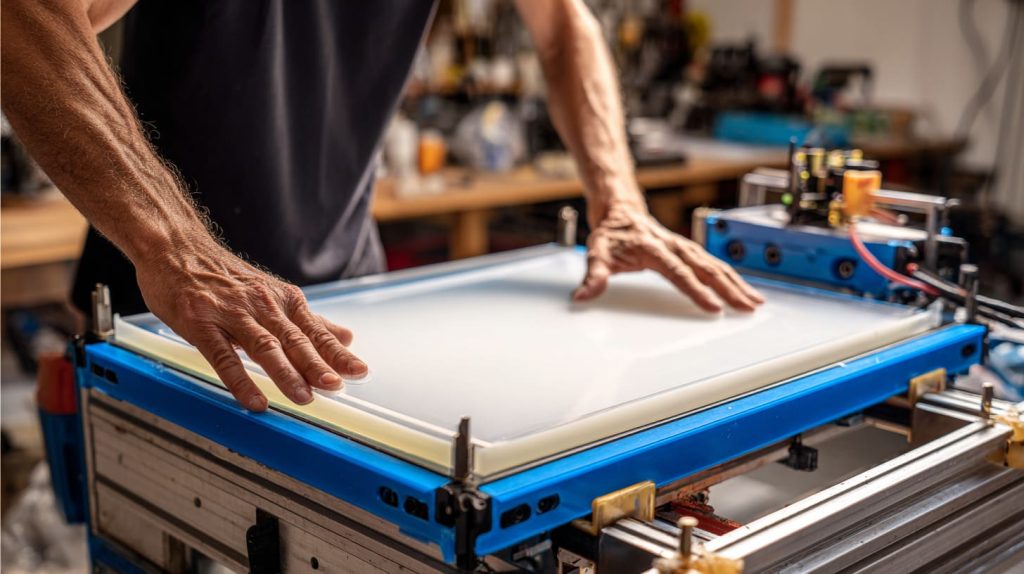
For most display and packaging work, I use 2mm or 3mm sheets. For guards or machine covers, 5mm or thicker feels right. Finishes depend on the look:
- Glossy clear: Most common
- Anti-glare matte: For lighting-heavy environments
- Textured: For scratch resistance
Conclusion
PETG is the quiet workhorse of the clear plastics world—versatile, safe, and incredibly easy to work with.