Skip to content
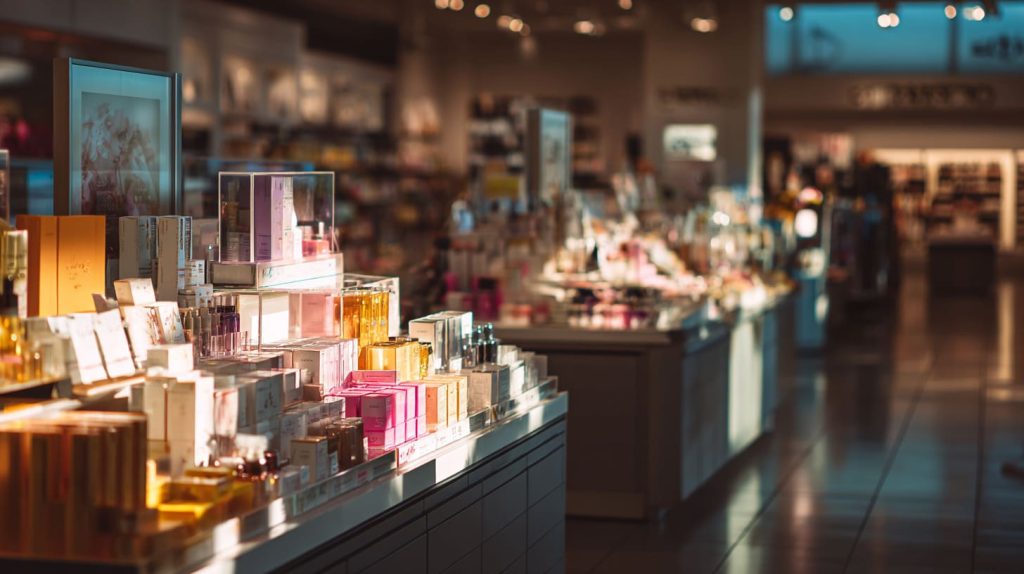
There’s this moment—right at the entrance of almost any retail store—when your eyes scan the space, and certain products seem to shine a little brighter. Not because they’re louder. Not because they’re cheaper. But because the way they’re displayed just feels... intentional.
The packaging isn’t just a box. It’s the frame around the picture. The display makes the product look like it belongs there—on that shelf, in your hand, in your life.
That’s what this article is about. Display packaging.
If you work with physical products, like I do—designing, sourcing, or managing production—you know that packaging decisions go way beyond cardboard and tape. I’ve seen how the right display can boost sales. I’ve also seen how poor design can leave great products overlooked.
Here’s what we’re diving into:
- What display packaging really means
- The most common types you’ll encounter in stores
- Why it matters for both brands and retailers
- What makes a display package effective (and what doesn’t)
- How custom acrylic fits into this whole conversation
- And the challenges you need to keep in mind when making your own
Let’s start by unpacking what display packaging is—and what makes it different from everything else on the shelf.
What Is Display Packaging?

Definition of display packaging
Display packaging is more than just a box that protects a product. It’s packaging designed to showcase the product. It helps the product stand out. It helps people see it without opening a box. It invites a glance — then a second.
It treats the package as part of the selling — not just transport.
Key elements that differentiate display packaging from regular packaging
Here are the things that often make packaging into a display package:
- Visibility & presentation — open fronts, windows, clear sections, nice design.
- Structural design for display — trays, stands, floor‑displays, counter‑displays, peg hooks, dump bins, pallet displays, etc.
- Material choice beyond basic cardboard — paperboard or corrugated board, but also plastics, acrylic, corrugated plastic, or mixed media. These materials sometimes give more strength, clarity, or style.
Common Types of Display Packaging
| Type of Display Packaging | Typical Use Case / Benefit |
|---|---|
| Floor displays (freestanding) | Big product lines, sets, bulk items, attract attention from afar |
| Counter‑top displays | Small items — impulse buys, cosmetics, quick grabs at checkout |
| Peg‑hook / hanging displays | Packaged items hung in aisles — tools, accessories, small consumer goods |
| Dump‑bin / bulk‑bin displays | Loose items or many pieces — toys, snacks, promotional goods |
| Pallet / floor‑stack displays | Bulk or heavy items — ideal for warehouse‑style stores or club stores |
These types cover many scenarios. From a small makeup organizer on a countertop to large bulk items on a pallet.
Now that we know what display packaging looks like — let’s see why it really matters, beyond just looking good.
Why Display Packaging Matters
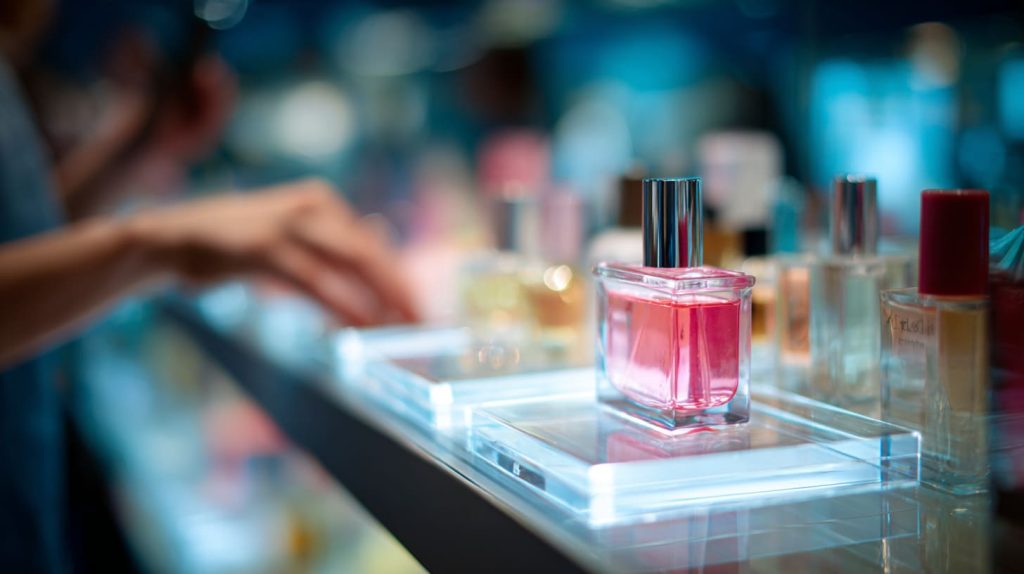
Capture Consumer Attention — The “Silent Salesperson” Effect
In a store with endless shelves, good display packaging acts like a quiet salesperson. It doesn’t shout — but it whispers.
- It helps a product stand out among hundreds of others.
- People often make choices with their eyes first. If something catches their eye — they’ll pick it up.
- A package that looks nice or different can draw curiosity. And curiosity can turn into a sale.
I saw this happen once in a cosmetic store. A plain container got ignored. Nearby, a simple acrylic stand — clear, clean lines — caught a woman’s eye. She picked it up. Asked a friend. Bought it. That small design difference made a sale.
Enhance Brand Identity & Perceived Value
Good packaging isn’t just about function. It tells a subtle story about your brand.
- It shows your brand values — quality, care, attention to detail.
- A well‑designed display gives space for logos, brand colors, graphics, product info.
- For premium items (like cosmetics, gifts, accessories) — display packaging can make them feel more valuable.
In a crowded market, packaging becomes part of your brand voice. People don’t just buy a product — they buy the feel, the promise behind it.
Practical Benefits for Retailers & Supply Chain (Shelf‑Ready / Retail‑Ready)
Display packaging also helps stores and distributors — not just customers.
- “Shelf‑ready” displays let stores unpack and place products directly on shelves or counters. Less work. Less time.
- That means faster stocking, restocking, easier moves, less labor.
- It improves inventory flow. Items are easier to find, easier to track, easier to manage.
For retailers, that reduces hassle. For brands, that means better chances your product stays visible — not stuck in the back.
Influence on Consumer Buying Behavior — Impulse Buys & Sales Boost
Good display packaging also taps into spontaneous buying — the kind we don’t plan.
- Placed at checkout counters or store entrance — items get noticed when people wait or browse.
- When products are easy to see and reach — people are more likely to grab them.
- For new launches or promos — display packaging shares value at first glance. Before people read specs — they feel a mood, an idea.
Flexibility & Customization — Adapting to Product Types & Market Needs
One size does not fit all. Display packaging can adapt — to different products, different markets, different sales goals.
- You can switch materials, size, shape, structure depending on your product.
- You can match display style to brand identity. Minimalist. Bold. Transparent. Colorful.
- For limited‑time offers, seasonal items, or special promotions — you can design custom display packaging just for that moment.
This flexibility is what makes display packaging powerful — and why many brands keep experimenting and iterating.
Let’s pause here. Next, I want to dive into what makes display packaging good. What you should look for — especially if you design or source packages yourself.
What Makes Good Display Packaging — Design Principles & Best Practices
Balance Between Aesthetics and Functionality
Good display packaging doesn’t just look nice. It works well.
| Goal | What to Check |
|---|---|
| Attract attention | Good visuals: colors, shapes, windows, clear parts |
| Protect product | Sturdy materials, stable structure, avoid tipping or breakage |
| Easy transport & shelf use | Stackable, stable, easy to move, no fragile parts |
If you focus only on looks — you might end up with fragile displays. If you focus only on function — you get boring boxes. The sweet spot is balance.
Consideration of Retailer & End‑Consumer Needs
A package needs to serve both retailer and buyer — sometimes with different needs.
- Easy to open. Easy to stock. Easy to grab from shelf.
- Minimal assembly if possible. Retailers hate fiddly setups.
- Clear branding and product info — helps customers trust and decide.
I remember a time walking through a store — I saw a display that looked great but was hard to open. I skipped it. It annoyed me. That’s the risk with over‑designed packaging.
Adaptability and Customization (Especially for Non‑Standard Products)
Not all products fit a standard box. If you make unusual or custom items — packaging must adapt.
- Maybe you need clear plastic to show product shape.
- Maybe you need custom slots, cutouts, supports.
- Maybe you need modular designs so the display can change with seasons or new SKUs.
That’s why custom suppliers matter. Because good display packaging isn’t off‑the-shelf. It’s built for your products — and built for your brand.
Okay, from these design ideas — I want to show you why acrylic display packaging stands out for custom makers (like me).
Why Display Packaging Is Especially Relevant for Custom Acrylic OEM Suppliers (like Feilong Acrylic)
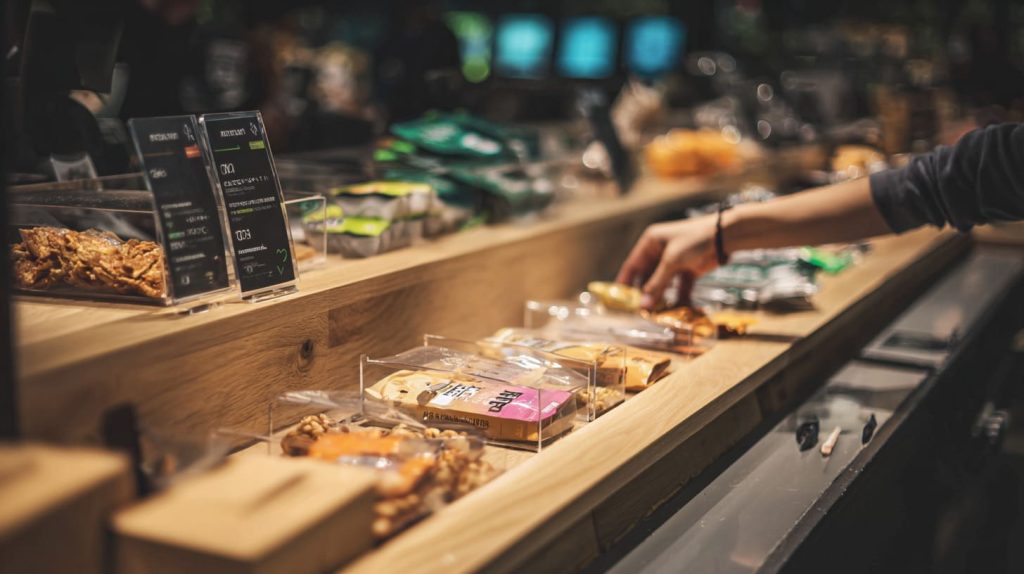
Acrylic Material Offers Unique Advantages for Display Packaging
I’ve worked with acrylic for many years. And I still think this material has magic.
- Transparency — People can see the product clearly. No hiding behind paper or cardboard. Especially good for cosmetics or premium items.
- Premium feel and durability — Clean lines, crisp edges, glossy or matte finishes. Feels high‑end. Feels sturdy.
- Reusable and long lasting — Unlike cardboard, acrylic displays can last long. They can be reused, repurposed, or kept as store fixtures.
This makes acrylic ideal when you want a look — and longevity.
Customization Matches Diverse Product Requirements
Because I run a custom acrylic factory, I know each project is different.
- Clients often ask for unique shapes or sizes — to fit specific products.
- Sometimes they want logos, engravings, or special finishes.
- They might order small batches — or bulk orders for stores across Canada, USA, Europe.
With acrylic, custom design lets us match those needs. We build displays that fit the product snugly. That match brand identity. That work well in real retail spaces.
For many clients, that bespoke fit — and fast production — becomes a big advantage.
Enough about the good parts. Let’s chat about what to watch out for.
Challenges and Considerations When Using Display Packaging

Cost vs Benefit — Investment in Custom Display Packaging
Good display packaging often costs more than standard boxes. Especially when you choose acrylic or custom shapes.
You need to ask: is the extra cost worth the benefit? Will customers value the look? Will the sales lift cover the packaging cost?
Sometimes — yes. Sometimes — no. It depends on product type, price point, retail channel.
Logistical and Practical Constraints
Custom displays can bring logistic headaches.
- Larger or heavier displays mean higher shipping cost.
- Stores sometimes want standardized trays or shelf units. A custom display might not fit shelf sizes.
- If retail space is tight — bulky displays might get rejected.
So, for each custom packaging order — you need to double check with your retailer. Make sure the display will fit and is practical to handle.
Sustainability and Reuse vs Single‑Use Packaging
Acrylic displays can last a long time. That sounds good. Yet, they also have environmental cost.
- Producing acrylic uses more energy than paper or cardboard.
- If not reused — you lose that advantage.
- It’s important to design for reuse, modularity, or second life.
If you don’t plan reuse — maybe cardboard or recyclable packaging is more sensible.
All right. So far we’ve covered what display packaging is, what makes it good, why acrylic helps — and also some risks. Next, I want to wrap things up with a final thought.
Conclusion

Display packaging isn’t just about wrapping a product. It’s about showing it. Highlighting it. Making people feel something.
For brands, retailers, and makers — good display packaging can be a silent salesperson. It can boost perceived value. It can make a small product look premium. It can make life easier for store staff. It can even make logistics smoother.
But good display packaging also demands thought. It demands choices. Material, cost, practicality, sustainability. It asks: does this display fit the product? The store? The brand?
If you are working with a custom acrylic supplier — like us at Feilong Acrylic — display packaging becomes a powerful tool. A tool you can shape to your vision, to your product’s needs. Just remember: design smart. Design with purpose. And always ask: Is this helping the product — or just adding cost?
If you start from that question — you’re already on the right track.