Skip to content

Plastic’s tricky. It’s smooth, it resists moisture, and most inks just slide right off.
The best ink for printing on plastic depends on the plastic type, print method, and end-use—UV-cured and solvent-based inks work best.
I’ve wrestled with poor adhesion, smeared logos, and fading prints. It took testing, bad batches, and more than one angry client to figure out what really works—and when.
Can a regular printer print on plastic?
Home printers look tempting—but plastic doesn't play nice with most of them.
No, standard inkjet or laser printers don’t print well on plastic. The ink won’t stick or dries too slowly.
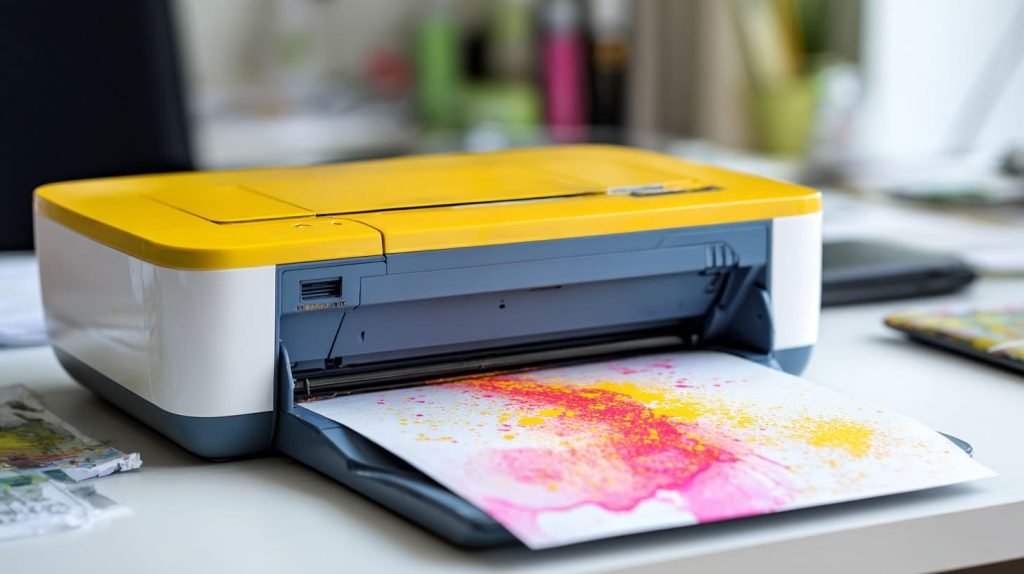
Why standard printers struggle with plastic
Most plastic sheets—unless specially coated—are non-porous. Inkjet printers spray water-based dye or pigment onto the surface, but plastic doesn't absorb it. The result?
- Smudging
- Wet prints that never dry
- Poor adhesion that rubs off easily
Laser printers are a little better. Their toner fuses with heat, but unless the plastic sheet is heat-resistant and static-safe, you might melt your sheet or jam the printer.
Which printing is best for plastic?
If you want durability, clean results, and fast output—there are clear winners.
UV-curable, solvent-based, and pad printing methods are best for plastics.

Comparing plastic printing methods side by side
| Printing Method | Suitable Inks | Best for | Drawbacks |
|---|---|---|---|
| UV Printing | UV-curable inks | Flat & rigid plastics | Higher equipment cost |
| Screen Printing | Solvent-based/UV inks | Large runs, bold designs | Requires screens, slow |
| Pad Printing | Solvent inks | Small parts, curves | Slow for large surfaces |
| Digital Inkjet | UV-ink with primer | Custom/batch prints | Needs surface treatment |
Each method has trade-offs. UV printing is versatile and fast, while pad printing works magic on oddly shaped parts like buttons or caps.
How do you permanently print on plastic?
For prints that last, it’s not just about ink—it’s about chemistry.
To print permanently, use UV-curable or solvent-based ink with surface prep and proper curing.
Techniques to make your print last on plastic
Permanence means resistance to:
- Fading (UV exposure)
- Scratching
- Solvents and moisture
That’s why packaging suppliers, medical device makers, and tech OEMs often choose UV-curable ink. It polymerizes instantly under UV light, bonding to the surface. With solvent inks, adhesion comes from chemical softening, so no surface = no bond.
What are the differences between solvent‑based, water‑based, and UV/LED cured inks for plastic printing?
Inks might all look the same in a cartridge, but they behave wildly differently on plastic.
Solvent-based inks etch into plastic, water-based inks struggle, and UV/LED inks cure instantly on surface.

Ink types compared for plastic performance
| Ink Type | Drying Method | Adhesion | Durability | Typical Use |
|---|---|---|---|---|
| Solvent-based | Air dry/heat | Excellent | High | Outdoor signs, packaging |
| Water-based | Absorption | Poor | Low | Coated paper or films only |
| UV/LED-cured | UV light | Very good | Excellent | Electronics, acrylic signs |
Water-based inks are fine for paper or film with special coatings. But for raw ABS, PET, or acrylic? They just don’t cut it.
How do I choose the right ink for different types of plastics?
Not all plastics are created equal. What sticks to PET might peel off PP.
Each plastic has different surface energy—choose ink based on compatibility and prep requirements.

Ink recommendations based on plastic material
| Plastic Type | Suggested Ink Type | Adhesion Tips |
|---|---|---|
| PET | UV or Solvent | Degrease + corona treat |
| ABS | Solvent-based | Wipe with alcohol, no primer needed |
| Acrylic (PMMA) | UV-curable or Solvent | Flame treat for best results |
| Polypropylene | Challenging | Needs primer or corona + special inks |
| Polycarbonate | Solvent-based | Can handle mild abrasion |
Test. Always test. Some plastics may need corona treatment or primers to increase surface energy.
What surface preparation steps are necessary for good ink adhesion on plastic?
Surface prep makes or breaks the print. I learned this the hard way.
Clean, treat, and sometimes prime the surface to improve ink bonding.
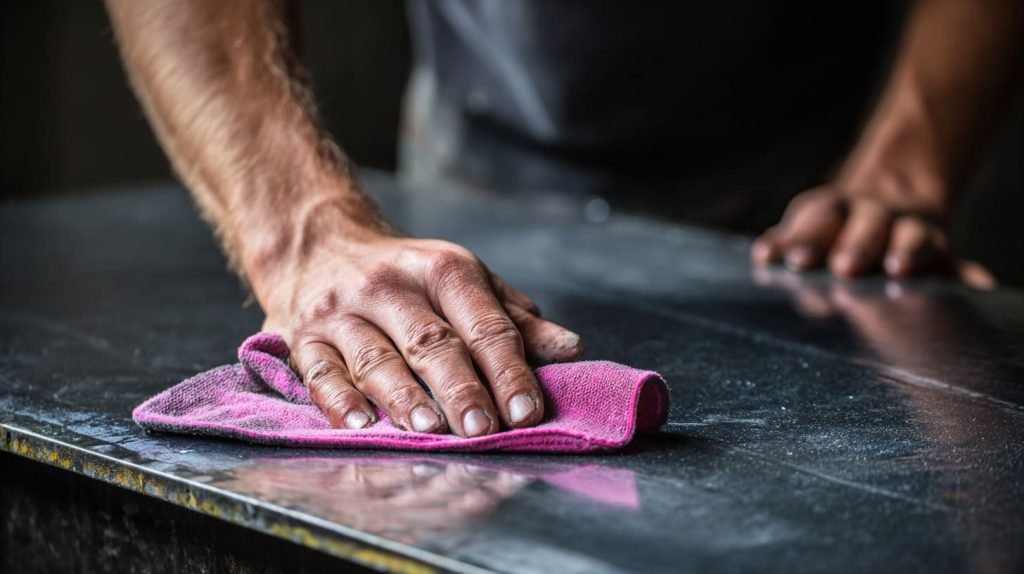
Step-by-step surface prep guide
- Cleaning: Use isopropyl alcohol to remove oils, dust, mold release.
- Surface Treatment:
- Flame treatment (for PE, PP): Brief exposure to flame oxidizes surface.
- Corona/plasma treatment: Raises surface energy for better bonding.
- Priming: Apply adhesion promoters when ink still fails to stick.
Skipping prep often leads to ghosting, flaking, or total failure.
What are the durability and resistance concerns when selecting ink for plastic?
Some plastics go outdoors. Others face constant friction. Ink must keep up.
Choose inks that resist UV, abrasion, and chemicals based on your product’s environment.
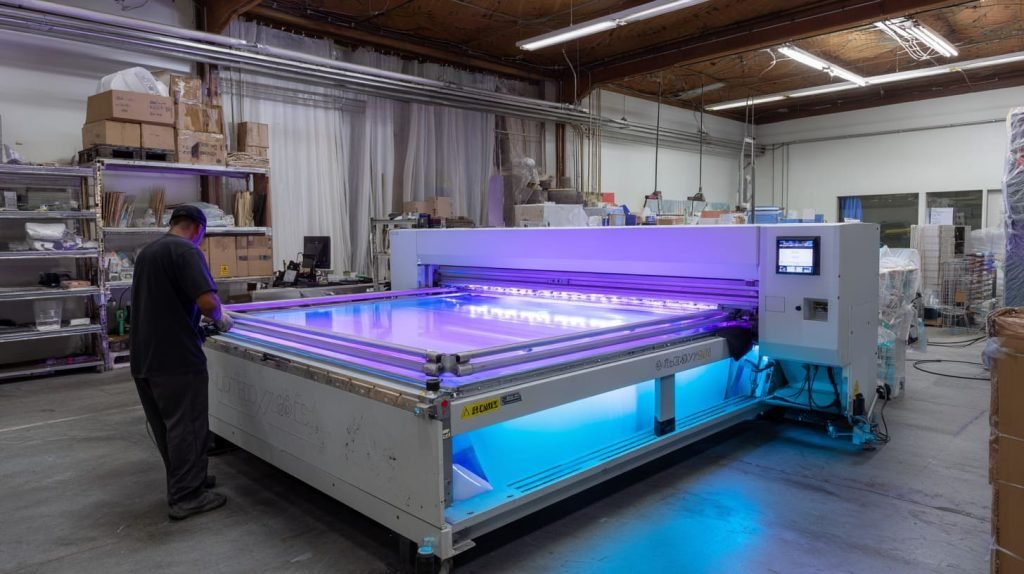
Choose ink based on the final use environment
Ask yourself:
- Will this product see sunlight? → Choose UV-resistant inks.
- Will it be handled often? → Use scratch-resistant formulas.
- Will it touch alcohol or cleaners? → Go for solvent-resistant options.
For signage, automotive parts, or cosmetic packaging, these details matter.
How fast do different inks dry/cure on plastic, and how does that affect production lead time?
Time is money—especially on the factory floor.
UV inks cure instantly; solvent inks dry in minutes; water-based inks can take much longer.
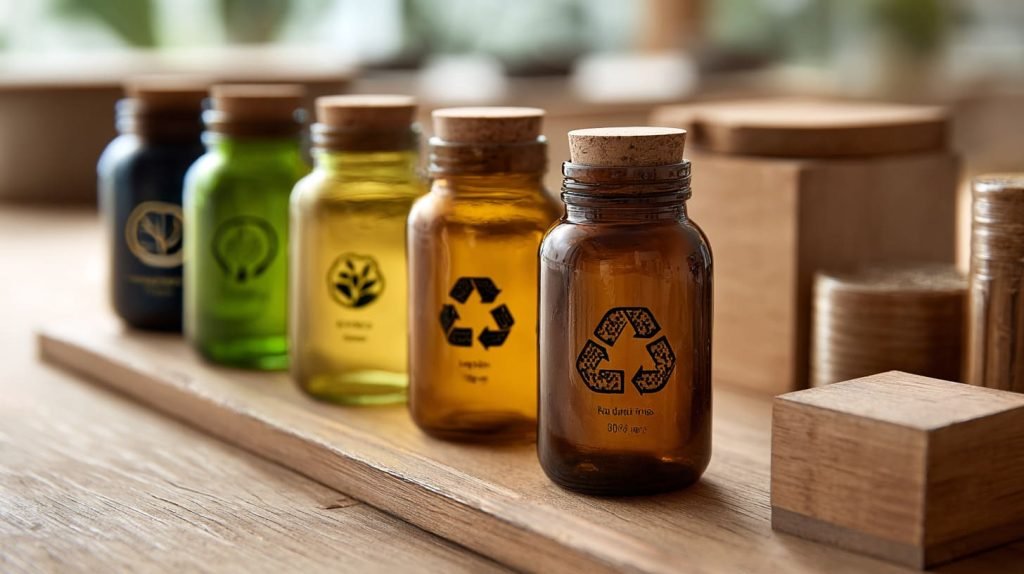
Ink drying time comparison
| Ink Type | Typical Dry Time | Notes |
|---|---|---|
| UV-curable | <1 second | Needs UV lamp |
| Solvent-based | 2–10 minutes | Can be accelerated with heat |
| Water-based | 10–30+ minutes | Risk of smearing on plastics |
UV ink shines in high-speed environments. Solvent is a balance. Water-based is for patient folks.
What are the environmental and regulatory considerations for inks used on plastic products?
Inks don’t just print. They pollute, interact with food, or mess up recycling.
Low-VOC and food-safe inks are essential for compliant and sustainable production.

What compliance issues should I consider?
- VOC levels: Solvent inks emit volatile organic compounds. UV inks are low-VOC.
- Food contact: If the plastic touches food, only certified food-safe inks qualify.
- Recyclability: Inks with heavy metals or certain binders can disrupt recycling streams.
Ask your supplier for MSDS or compliance certificates if you're unsure.
Can digital/inkjet printing inks work well on plastic?
Digital’s great for custom runs—but only with the right setup.
Yes, but digital printers need UV-curable or solvent inks designed for plastics, plus surface prep.

What setups make inkjet work on plastic?
You’ll need:
- A flatbed UV printer or modified inkjet
- Special primers or treated plastic sheets
- Adjusted drying settings to prevent smears
Without those? Your cute logo might become a puddle.
Price tags matter—especially when scaling up.
Premium inks cost more per liter, but may reduce rework, improve speed, and offer longer durability.

Is paying more for ink worth it?
| Ink Type | Cost (per liter) | Pros | Cons |
|---|---|---|---|
| UV-curable | High | Instant dry, durable | Equipment cost, training |
| Solvent-based | Medium | Good adhesion, versatile | VOC, drying time |
| Water-based | Low | Safe, cheap | Poor adhesion on plastic |
In bulk runs, if failure rate goes down with a premium ink, your real cost per unit might actually drop.
Conclusion
Printing on plastic isn’t one-size-fits-all. It’s a dance between ink, surface, and purpose—and getting it right saves money, headaches, and reprints.