Skip to content


I remember the first time I held a piece of clear acrylic—it was so light and crystal-clear that I almost mistook it for glass. That got me thinking: is clear acrylic really as clear as glass?
Clear acrylic is often considered as clear as glass, if not clearer. With a light transmittance of about 92%, acrylic allows more light to pass through than standard glass, which transmits around 90%. This means acrylic can offer superior clarity and brightness in various applications.
Curious about how they truly compare, I decided to delve deeper into the differences between acrylic and glass.
Is acrylic clearer than glass?
Whenever I'm working on a project, clarity is a top priority. Understanding whether acrylic is actually clearer than glass can make a big difference in the final result.
Acrylic typically has higher light transmittance than glass, allowing up to 92% of light to pass through, while standard glass allows about 90%. This means acrylic can appear slightly clearer and brighter than glass.
Understanding Light Transmittance
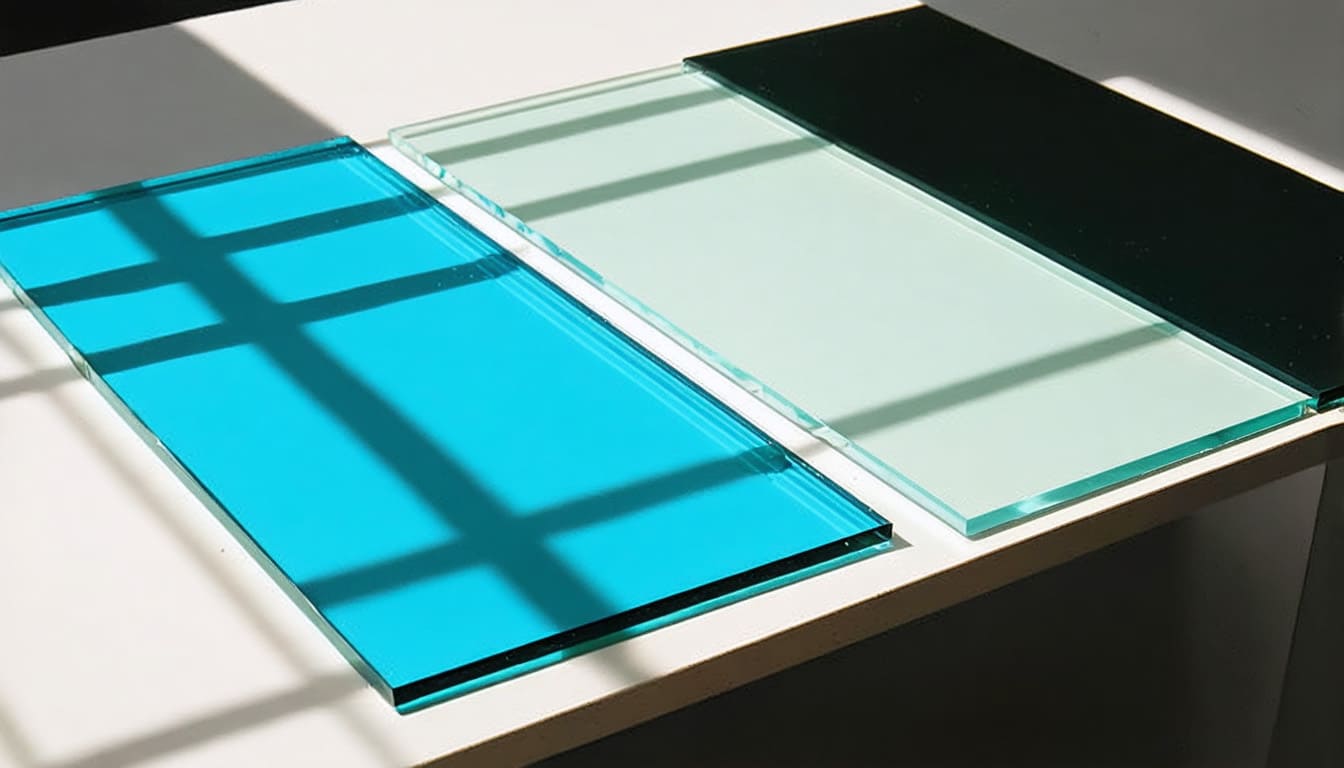
When we talk about clarity, light transmittance is key. Acrylic allows up to 92% of visible light to pass through it, while standard glass allows about 90%. This slight difference might not seem like much, but in applications where maximum clarity is essential, acrylic can have the edge.
Moreover, acrylic doesn't have the greenish tint that is often present in glass due to iron impurities. This makes acrylic appear more transparent and colorless, which is especially noticeable when looking at thicker sheets.
Durability and Clarity Over Time
One thing I've noticed is that acrylic maintains its clarity over time. While glass can be prone to scratches and chips that affect its transparency, acrylic is more resistant to impact and less likely to shatter. However, acrylic can scratch more easily than glass, but these scratches can often be polished out, restoring its clear appearance.
Practical Applications
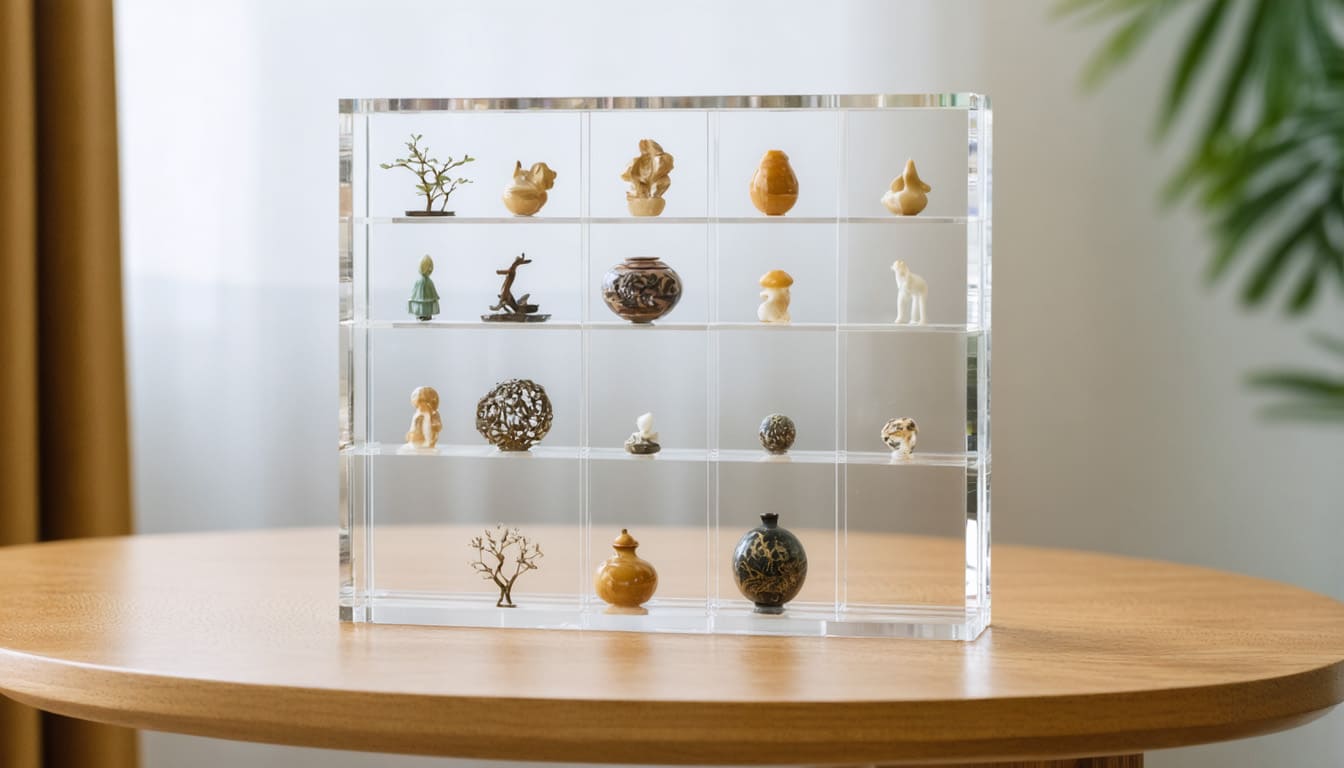
In projects like custom displays, where visual appeal is crucial, the superior clarity of acrylic can make a significant difference. For example, in retail displays or museum cases, acrylic showcases the contents without distortion, enhancing the viewing experience.
Table: Light Transmittance Comparison
| Material | Light Transmittance |
|---|---|
| Acrylic | Up to 92% |
| Glass | Around 90% |
How can you tell the difference between acrylic and glass?
Distinguishing between acrylic and glass isn't always straightforward, especially at first glance. I've learned a few tricks over time to tell them apart.
You can tell the difference between acrylic and glass by weight, sound, and feel. Acrylic is lighter and warmer to the touch, while glass is heavier and colder. Tapping them produces different sounds; acrylic has a softer thud, whereas glass produces a sharper tone.

Physical Characteristics
One of the most noticeable differences is weight. Acrylic is about half the weight of glass, making it easier to handle and install. If you pick up two identically sized pieces, the lighter one is likely acrylic.
Temperature and Touch
Glass feels colder to the touch because it's a better thermal conductor. Acrylic, on the other hand, feels warmer. This can be a quick way to differentiate between the two materials in a practical setting.
Sound Test
Tapping on the material can also provide clues. When you tap on glass, it produces a clear, ringing sound. Acrylic will produce a duller, softer sound. This difference is due to the density and structure of the materials.
Visual Inspection
Looking at the edges can help too. Glass edges are typically sharp and may have a green tint, especially in thicker panes. Acrylic edges are smoother and clear. Also, acrylic is more prone to scratching, so surface scratches might indicate it's acrylic.
Flammability
I read somewhere that acrylic's flammability is an important consideration in certain applications fire safety considerations. Acrylic is flammable and will burn if exposed to flame, whereas glass is not combustible. Of course, this isn't a practical test in most situations, but it's a fundamental difference.
Table: Comparison of Characteristics
| Property | Acrylic | Glass |
|---|---|---|
| Weight | Approximately half of glass | Heavier |
| Thermal Feel | Warmer to touch | Colder to touch |
| Sound When Tapped | Duller thud | Sharp ringing |
| Edge Appearance | Smooth, clear | Sharp, may be greenish |
| Flammability | Flammable | Non-flammable |
Why is acrylic preferred over glass?
In many of my projects, I've chosen acrylic over glass for several compelling reasons. Understanding these benefits can help in making the right material choice.
Acrylic is preferred over glass because it's lighter, more impact-resistant, and offers similar or better clarity. It's easier to work with, can be molded into shapes, and is less likely to shatter, making it safer and more versatile for various applications.
Weight and Handling
Acrylic's lighter weight makes it easier to handle and install, especially in larger sizes. This reduces the risk of injury during installation and decreases shipping costs.
Impact Resistance
One of the biggest advantages I've found is acrylic's impact resistance. It's about 17 times more impact-resistant than glass. This means it's less likely to break or shatter, which is crucial in safety applications.
Versatility in Design
Acrylic can be easily cut, drilled, and formed into various shapes. This flexibility allows for creative designs that might be challenging or impossible with glass. For instance, in custom acrylic displays, the material can be molded into unique shapes to meet specific needs.
Cost Efficiency
While the initial cost of acrylic might be similar or slightly higher than glass, the savings in transportation, installation, and lower breakage rates can make it more cost-effective in the long run.
UV Resistance
Acrylic can be manufactured with UV-resistant properties, protecting displayed items from harmful UV rays. This is particularly important in museum displays or storefront windows.
Table: Advantages of Acrylic Over Glass
| Advantage | Acrylic | Glass |
|---|---|---|
| Weight | Lighter | Heavier |
| Impact Resistance | Higher | Lower |
| Versatility | Easily molded and shaped | Rigid, less flexible |
| Safety | Less likely to shatter | Can shatter dangerously |
| UV Resistance | Can be UV-resistant | Generally not UV-resistant |
What are the disadvantages of acrylic glass?
Despite its many advantages, acrylic isn't perfect. There are some drawbacks I've encountered that are worth considering.
Disadvantages of acrylic include its susceptibility to scratching, lower heat resistance, and potential for expansion and contraction with temperature changes. Acrylic can also be more expensive upfront than some types of glass and may yellow over time if not properly treated.
Susceptibility to Scratching
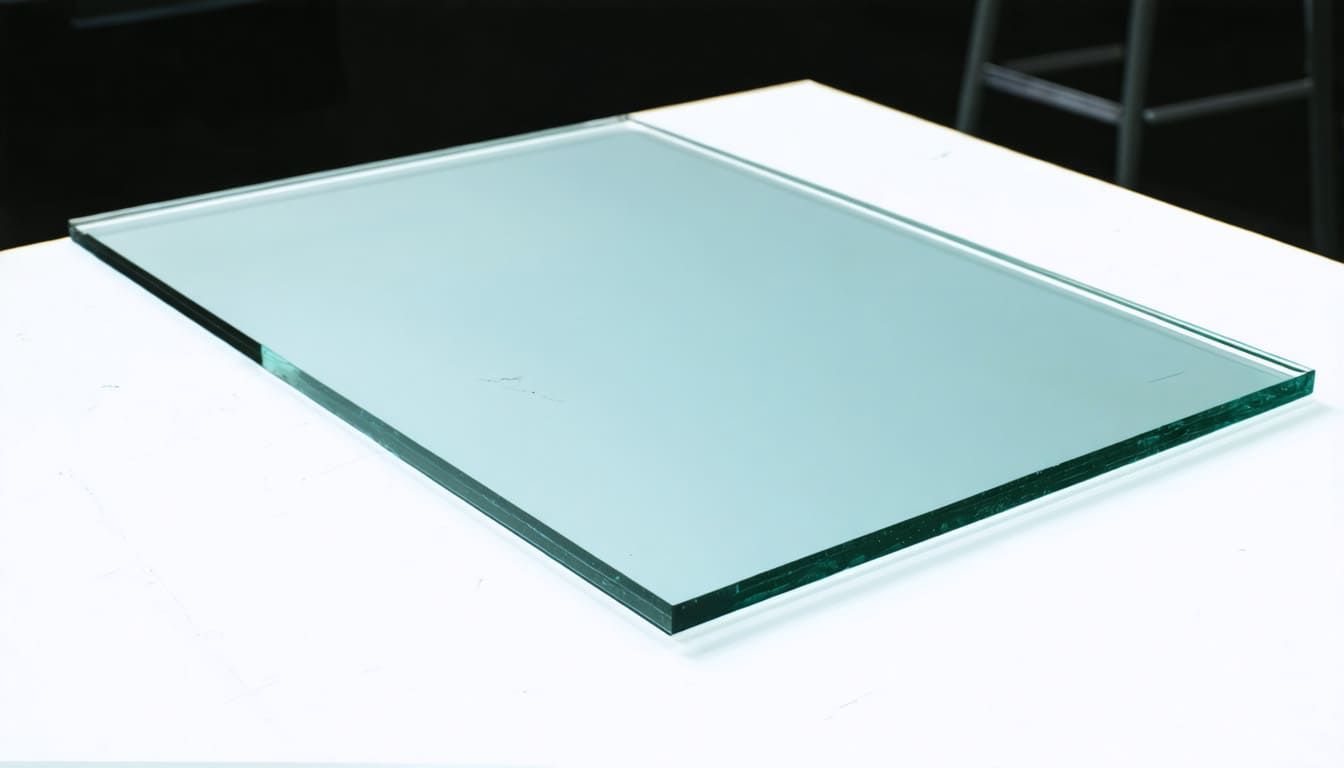
Acrylic scratches more easily than glass. Even cleaning with abrasive materials can leave marks. I've learned to use only soft cloths and appropriate cleaning agents to maintain its clarity. In high-traffic areas, this can be a significant drawback.
Heat Sensitivity
Acrylic has a lower melting point than glass. It can warp or deform if exposed to high temperatures. I found more about acrylic's heat limitations in this guide on material properties. This limits its use in applications where heat resistance is required.
Thermal Expansion
Acrylic expands and contracts more with temperature changes than glass. This can cause issues in installations where tight tolerances are necessary. Proper allowances need to be made during installation to accommodate this movement.
Potential Yellowing
Over time, especially when exposed to UV light, some acrylics can yellow. Using UV-resistant grades can mitigate this, but it's something I've had to keep in mind for outdoor applications.
Cost Considerations
While acrylic can be cost-effective in the long run, the initial material cost can be higher than standard glass. This can impact budget-sensitive projects.
Table: Disadvantages of Acrylic
| Disadvantage | Acrylic | Glass |
|---|---|---|
| Scratching | More prone | Less prone |
| Heat Resistance | Lower | Higher |
| Thermal Expansion | Greater | Lesser |
| UV Stability | May yellow over time | Remains stable |
| Initial Cost | Potentially higher | Generally lower |
What's more expensive, glass or acrylic?
Cost is always a factor in material selection. I've weighed the expenses of glass and acrylic in various projects.
Acrylic is generally more expensive than standard glass in terms of initial material cost. However, factors like lower shipping costs, ease of installation, and reduced breakage can make acrylic more cost-effective over time.
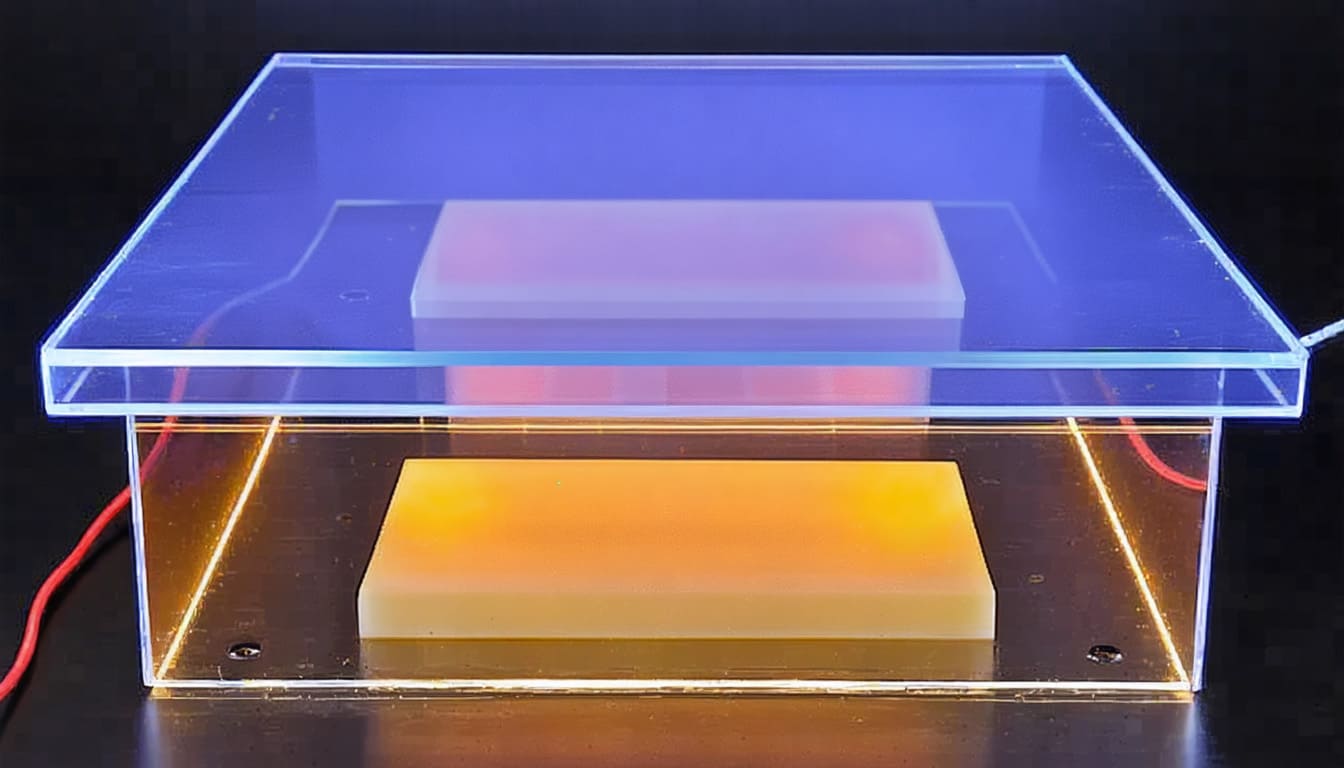
Initial Material Cost
Standard glass tends to be cheaper than acrylic per square foot. However, specialty glass like tempered or laminated glass can be more expensive, narrowing the price gap.
Installation and Handling Costs
Acrylic's lighter weight reduces shipping and handling costs. It's easier to cut and shape on-site, potentially lowering labor costs. In my experience, these savings can offset the higher material price.
Durability and Replacement Costs
Because acrylic is more impact-resistant, there's less chance of breakage during transport or installation. This reduces the cost associated with replacing damaged materials.
Long-Term Value
Considering factors like durability, safety, and versatility, acrylic can offer better long-term value despite the higher initial cost. For custom projects like acrylic display cases, the benefits often justify the expense.
Table: Cost Comparison
| Cost Factor | Acrylic | Glass |
|---|---|---|
| Material Cost | Generally higher | Generally lower |
| Shipping Costs | Lower due to weight | Higher due to weight |
| Installation Costs | Potentially lower | Potentially higher |
| Breakage Risk | Lower | Higher |
| Long-Term Value | Potentially higher | Potentially lower |
Conclusion
Both clear acrylic and glass have their own set of advantages and disadvantages. Understanding these can help you choose the right material for your project. Personally, I've found that acrylic often offers the perfect balance of clarity, durability, and versatility.