Skip to content
I’ve always wondered if those gorgeous product display boxes—often perfect for catching a shopper’s eye—could also take on the rough and tumble of global shipping routes. It’s a tempting idea, right?
Yes, some product display boxes can double as shipping boxes, but many aren’t built to handle long journeys. They often focus on looking good, not surviving bumps and knocks. To make it work, choose sturdy materials, add protective padding, or place your display box inside a stronger outer carton. This way, you keep the visual appeal while giving your products a safe, cushioned ride.
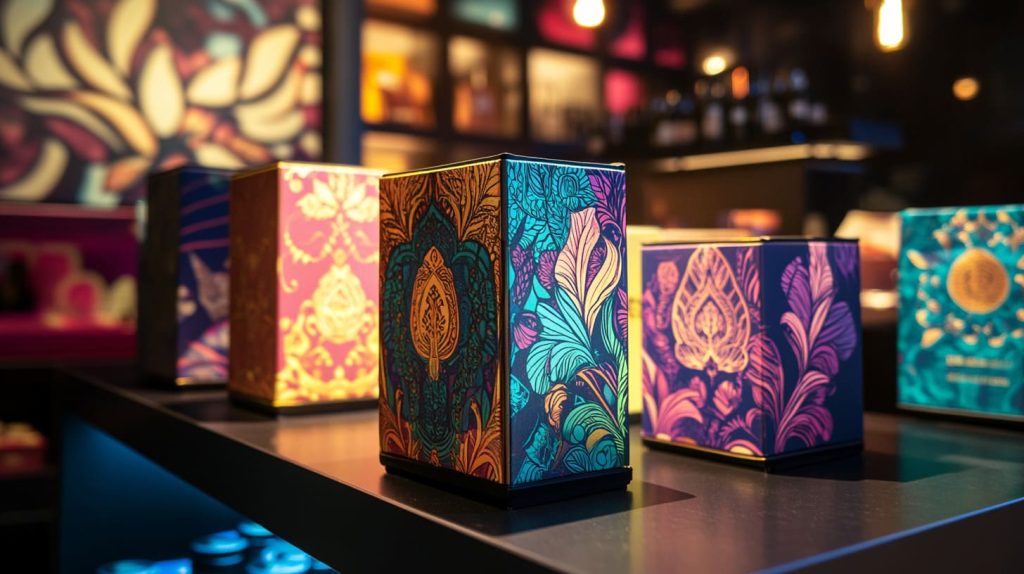
I learned this lesson when I shipped my first batch of goods overseas and found myself with bent corners and damaged edges. Let’s dig deeper into finding the right approach.
What boxes to use for shipping?
When I first started shipping products abroad, I tried using the same pretty display boxes that looked so good on shelves. Big mistake. They arrived battered, and I knew I needed something tougher.
For reliable shipping, sturdier boxes—often made of thick corrugated cardboard—are the go-to choice. They’re built to absorb impacts and protect your goods from rough handling. Adding foam inserts, molded trays, or even pairing your elegant display box with a rugged outer layer can help strike a balance between looks and longevity. In other words, consider a solid base for safety and slip your visually appealing display box inside for that extra sparkle.
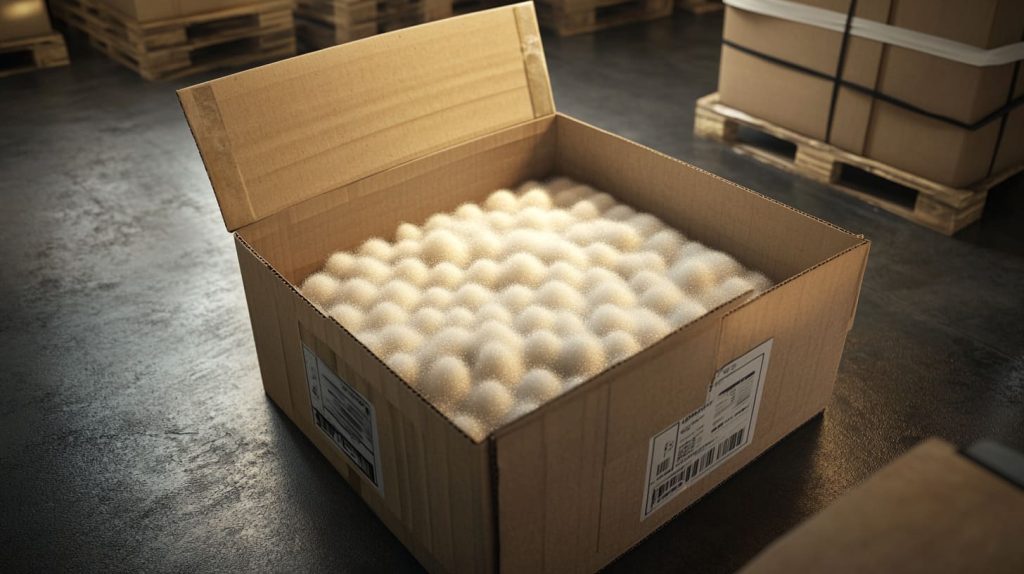
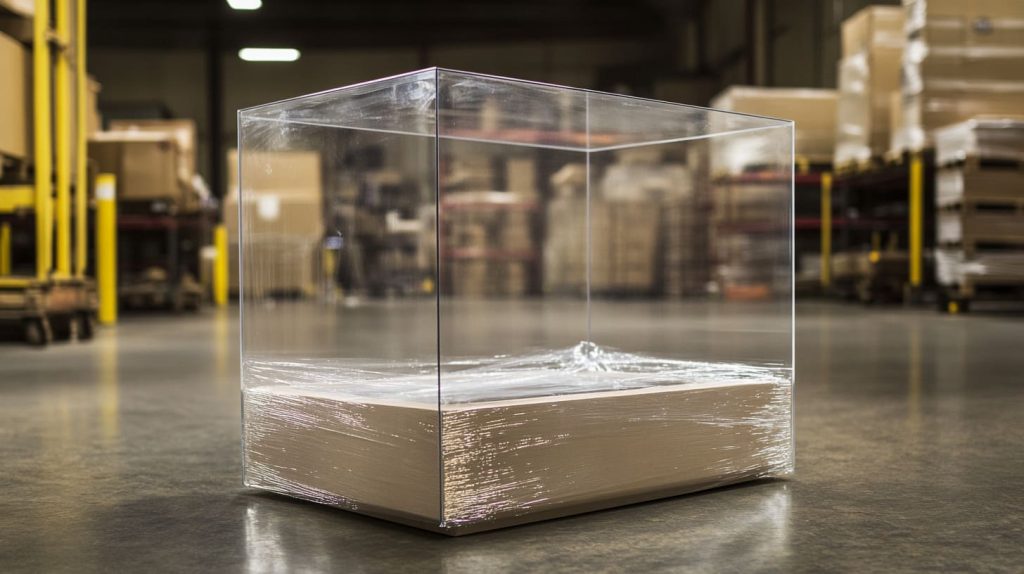
I remember chatting with Feilong Acrylic about sourcing custom acrylic boxes that looked great in-store but still needed extra support to handle long journeys. I mixed their elegant pieces with a sturdy outer carton. I’ve even experimented with dense foam to secure my household acrylic items during transit. It’s like dressing your product in a fancy suit and then wrapping it in a warm coat before sending it off.
Materials that Make a Difference
Some materials hold up better in transit than others:
| Box Type | Durability | Ideal Use | Extra Protection Needed? |
|---|---|---|---|
| Corrugated Cardboard | High | Long-distance Shipping | Sometimes Foam Inserts |
| Acrylic Display Boxes | Medium | Storefront Presentation | Often Protective Wrap |
| Wooden Crates | Very High | Heavy, High-Value Products | Less, but Costly |
Balancing Appeal and Security
For me, it’s about mixing style with strength. If you need fast lead times, it’s smart to collaborate with a supplier who knows how to blend both worlds—great looks and tough materials—so you can protect your brand’s image and your product’s integrity.
What are custom display boxes?
I’ve always loved how a custom display box feels like a tailored suit—sharp, unique, and designed to fit just right.
Custom display boxes are made to match your product’s personality. They highlight colors, shapes, and branding elements that help your items stand out. Instead of a generic container, you get something that feels personal and enticing. Shoppers can often see the product clearly, and the box’s unique design can help spark their imagination, making them feel like they’re getting something truly special.
I recall picking up a beautifully designed box created with help from Feilong Acrylic. It nestled my product so perfectly that I almost forgot I was holding a box at all. Even if these boxes aren’t built for rough travel alone, they can still be placed inside a tougher outer case. Think of it like a jewel in a protective chest—safe from bumps, while maintaining its glossy allure.
Tailored Details that Make an Impact
- Shape and Size: Designed to match your product’s contours.
- Branding: Logos, slogans, and colors that reflect your identity.
- Added Features: Windows, compartments, or subtle textures that stand out.
From Store Shelves to Shipping Crates
Though these boxes shine best in a storefront, you can still integrate them into your shipping strategy. Pairing them with sturdy materials keeps them flawless upon arrival, ensuring your customer experiences that “wow” moment when they open it.
What is display packaging?
Display packaging, to me, is like creating a mini art exhibit around your product—framing it, lighting it, and making it the star of its own little show.
Display packaging is designed to do more than just protect. It’s about showcasing what makes your product unique. With clear windows, crisp graphics, and thoughtful arrangements, display packaging turns a simple product into something worth examining. Unlike plain shipping boxes, these designs encourage customers to look closer, interact more, and feel confident in their choice.
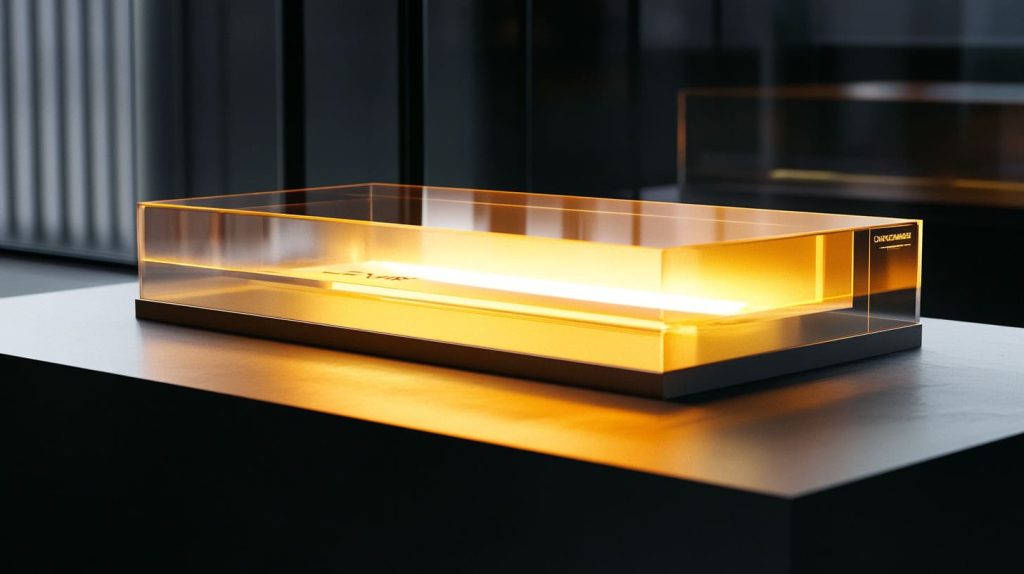
I once walked into a shop and saw household acrylic items arranged in layered steps behind a crystal-clear panel. It felt curated and thoughtful—like someone had taken the time to invite me into the product’s world. When I held one piece, I could imagine it on my own shelf at home.
Approaching Display Packaging from Different Angles
Visual Flow
A great display package guides the eye from one element to another. Each detail supports the next, making the product’s story easy to follow.
Material Choices
Some brands choose light, recyclable materials to emphasize eco-friendly values. Others use glossy finishes or embossed textures to convey luxury. Every choice affects how customers perceive your product.
Table: Display Packaging Considerations
| Factor | Example | Impact on Customer |
|---|---|---|
| Window Placement | Clear panel on front | Builds curiosity |
| Textures | Embossed logo, matte finish | Enhances tactile feel |
| Color Scheme | Soft pastels or bold hues | Sets the mood |
By mixing aesthetic appeal, storytelling, and strategic design, display packaging sets the stage without a single word spoken.
What is the purpose of a merchandise display?
A merchandise display is like a friendly guide that helps shoppers find their way. It’s not just putting products on a shelf; it’s arranging them so people discover something new and exciting.
Merchandise displays lead customers gently toward the products you want them to notice. They highlight features, tell mini-stories, and encourage interaction. By using height, color, and layout, these displays can spark a connection between the customer and the product, turning simple browsing into real engagement.

I’ve seen this happen firsthand. Imagine walking into a boutique and finding items arranged in a soft gradient of colors, from light to dark. It might seem subtle, but it guides your eyes down the line, making you curious about what’s next. You might pick something up, feel its surface, imagine it at home. That’s the display doing its job—helping you see the product’s value before you even decide to buy.
Playing with Perspectives
Color Harmony
Sticking to a simple color palette or introducing a pop of bright color can set a mood and help products pop.
Height and Angles
Placing some items at eye level, others slightly above or below, encourages customers to look around. This creates a journey through the display, rather than a single glance.
Continuous Experimentation
Try new layouts, switch items around, or add a subtle backdrop. Over time, you’ll discover what resonates most with your audience. A good merchandise display doesn’t just show products—it tells a visual story that sparks curiosity and desire.
Conclusion
In the end, using display boxes for shipping is possible, but it’s all about mixing beauty with brawn. Wrap your elegant display boxes in tougher layers, and you’ll keep products safe, impressive, and ready to delight wherever they land.