Skip to content
about owning toys—it's about preserving memories, showcasing passion, and creating an artful space that speaks to the collector’s identity. Over the years, the toy collecting community has grown in both size and cultural significance, turning into a hobby that’s not just about fun but also about nostalgia, creativity, and even investment.
Toy collectors are constantly searching for the perfect ways to store and display their precious items. And let's face it, it's not just about tossing toys into a box. Whether it's organizing them by type, genre, or theme, every toy collector approaches their storage and display strategy with careful thought and creativity.
Today, let’s explore the many ways toy collectors go about organizing their collections. From storage solutions that ensure safety to display setups that showcase the beauty of the toys, we'll dive into what makes each approach unique and why it’s important.
Types of Toy Collectors and Their Preferences

Hobbyist vs. Serious Collectors
Not all toy collectors are the same, and it’s important to understand the distinction between a hobbyist and a serious collector. As a hobbyist, you might casually collect toys for the fun of it—showing them off, organizing them on a shelf, or even playing with them. Storage might be as simple as tossing them into a box or putting them on a shelf in no particular order.
On the other hand, serious collectors approach their collections with a more methodical mindset. They often see their toys as investments or valuable assets and therefore prioritize preservation above all else. Serious collectors may invest in special storage solutions like climate-controlled environments or custom display cases to protect their toys from damage. The difference in storage and display methods largely depends on the level of investment—both in terms of time and money—that each type of collector is willing to make.
So, which category do you fall into? Hobbyist or serious? Let's take a closer look.
Toy Genres and Their Specific Display Needs
When it comes to toy storage and display, the type of toys in your collection plays a huge role in how you go about organizing and preserving them. Action figures, for example, often need to be displayed with their packaging intact to preserve value. Dolls, especially vintage ones, require special attention to prevent damage to delicate clothing or accessories. Meanwhile, die-cast cars, with their glossy finishes, need to be carefully stored to avoid scratches.
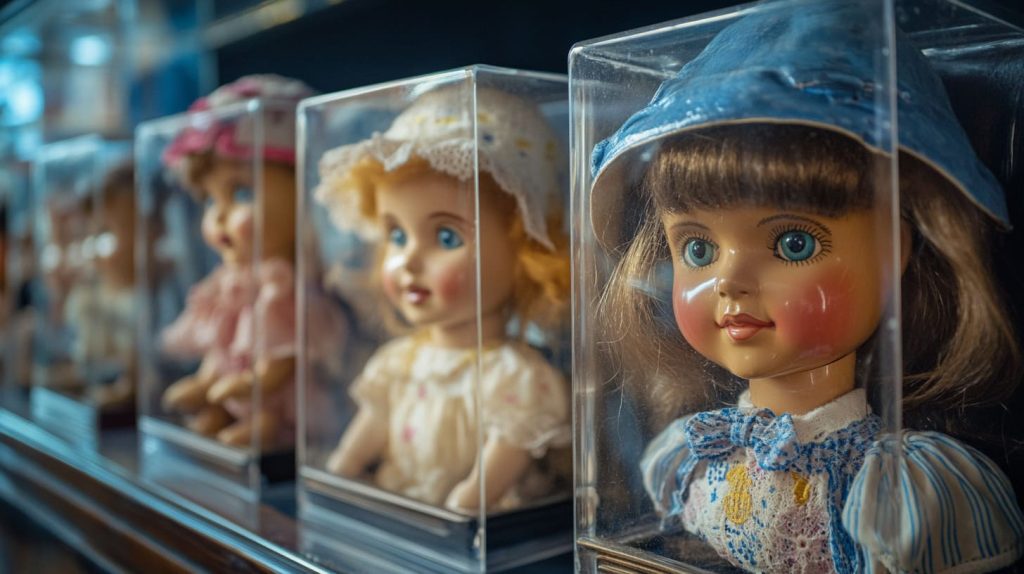
Each genre demands unique storage and display methods. For example, high-end collectible dolls might be best stored in clear acrylic boxes to protect them from dust and sunlight, while action figures could benefit from being mounted on open shelves with some kind of backdrop or diorama. Understanding these specific needs is crucial for preserving the integrity and value of your collection.
Methods of Storing Toys
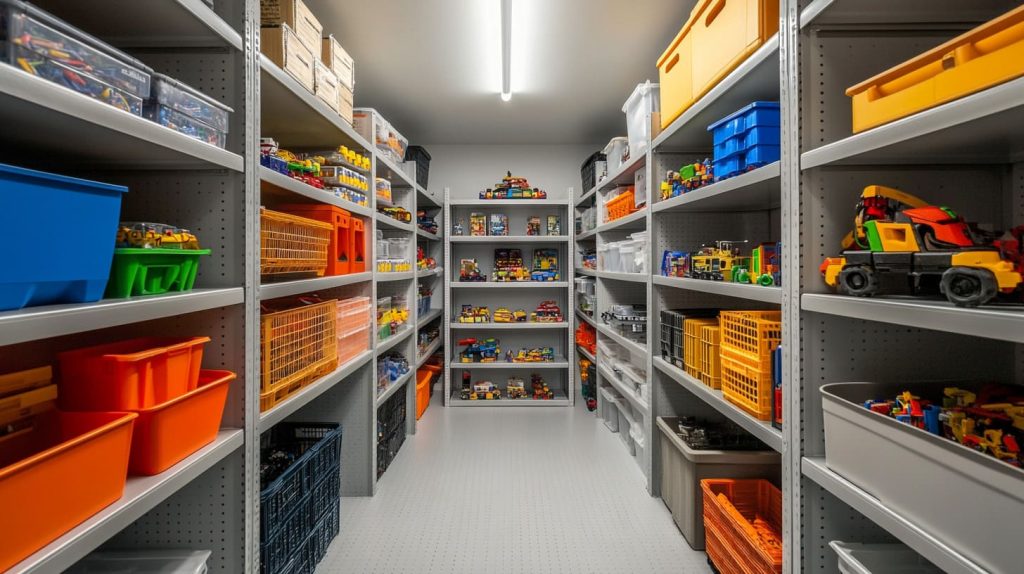
Storage in Boxes and Bins
Boxes and bins are perhaps the most straightforward and commonly used solution for toy storage. They come in various sizes, making them flexible for storing toys of all types. The main downside? Toys can easily get lost in the shuffle, and finding that one special item can feel like a treasure hunt.
However, clear boxes, especially those made from acrylic, can offer a simple yet effective solution. Not only do they protect the toys from dust and dirt, but they also provide visibility, so you won’t have to dig through bins to find what you're looking for. Acrylic storage solutions also add a touch of elegance to the storage process.
There are some definite pros and cons to using these types of storage methods. Let's break them down:
| Pros | Cons |
|---|---|
| Keeps toys safe from dust | Can be difficult to organize by theme or type |
| Provides visibility | Limited storage capacity |
| Affordable and easy to find | Not the most aesthetically pleasing for display |
Shelving and Display Units
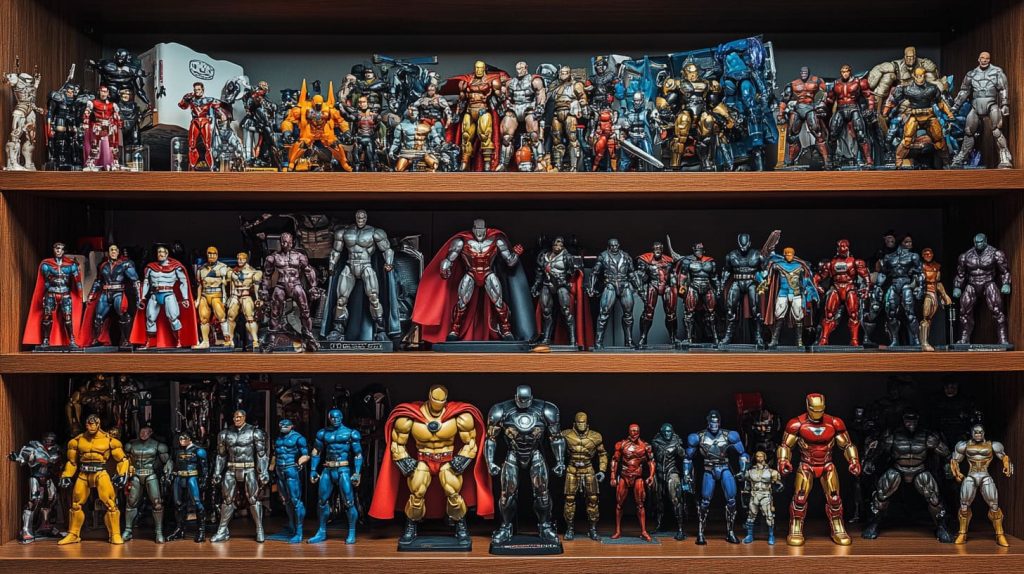
When it comes to displaying toys, shelves are a popular choice. But not all shelves are created equal. From open shelving to custom glass shelves and display cases, the options are endless. Open shelving allows easy access to toys, but glass shelves or custom acrylic cases can elevate the look, creating a more sophisticated display.
The best part about shelves? They allow for customization. You can organize toys by size, genre, or even theme. Whether you're an action figure collector or a fan of vintage cars, a customized shelf arrangement can make your toys stand out.
But, do you want the toys to be accessible for quick play, or is display your primary concern? That might affect your shelf design choices.
Climate-Controlled Storage
Toys—especially vintage ones or valuable collectibles—are sensitive to temperature and humidity. Without the right climate conditions, the materials of the toys can degrade over time. This is why some serious collectors invest in climate-controlled storage spaces.
These spaces help regulate the temperature and humidity to prevent warping, fading, or deterioration of the toys. Humid conditions can cause some toys to become brittle or discolored, while extreme temperatures can warp plastics or affect the paint on action figures.
If you’re serious about your collection, this might be a worthwhile investment to preserve its value for years to come.
Methods of Displaying Toys
Open Displays vs. Enclosed Display Cases
When it comes to displaying toys, you can go either way: open displays or enclosed cases. Open displays offer accessibility and ease of viewing, but they also expose your toys to dust, sunlight, and accidental handling. Enclosed display cases, on the other hand, offer more protection but can make it harder to access the toys quickly.
The choice between the two largely depends on your priorities. If the aesthetic value of your display is more important, an enclosed display case made from clear acrylic might be a good fit. These cases protect your toys and allow you to showcase them without worrying about dust or damage. On the other hand, if you prefer easy access to your toys and don’t mind a little extra maintenance, open displays could work just fine.
Displaying Toys by Theme or Collection
A toy display should tell a story, and one of the best ways to do that is by organizing toys by theme or collection. Whether you’re displaying toys based on their characters, franchises, or eras, a themed display makes your collection come alive.
Imagine showcasing your collection of Marvel action figures with a backdrop of the Avengers' headquarters. Or perhaps you have a room dedicated to vintage Star Wars figures with a galaxy backdrop. Using lighting to highlight these themed displays can add even more drama, creating a showpiece that’s both beautiful and meaningful.
Displaying Toys with Backgrounds and Settings
Sometimes, it’s not just about the toys themselves but the story you want to tell around them. Adding backgrounds, posters, or dioramas to your display can elevate the whole experience. These additions create an immersive environment that brings the toys to life, adding layers of detail and personality to the display.
Platforms and risers can also be used to create a layered effect. This helps add depth to the display, allowing you to showcase different levels of toys, giving the collection a more dynamic feel.
Organizing Toys for Easy Access

Cataloging and Labeling Collections
One of the most important parts of organizing a toy collection is keeping track of everything. Cataloging and labeling your collection help you stay organized and makes it easy to locate specific items. There are various ways to catalog your collection, from simple spreadsheets to digital databases.
Labeling your toys ensures that you can easily identify them when it's time to display or store them. You can even add additional details like the toy's rarity or condition, helping you manage your collection more efficiently.
Storage for Toys with Packaging
For some collectors, the original packaging adds value to the toy. Keeping your toys in their original packaging can help preserve their condition and maintain their market value. The trick is to store the packaging safely without damaging it, which can be done with clear acrylic boxes or special shelving units designed for this purpose.
Displaying Toys in Living Spaces
Integrating Toy Displays into Home Decor
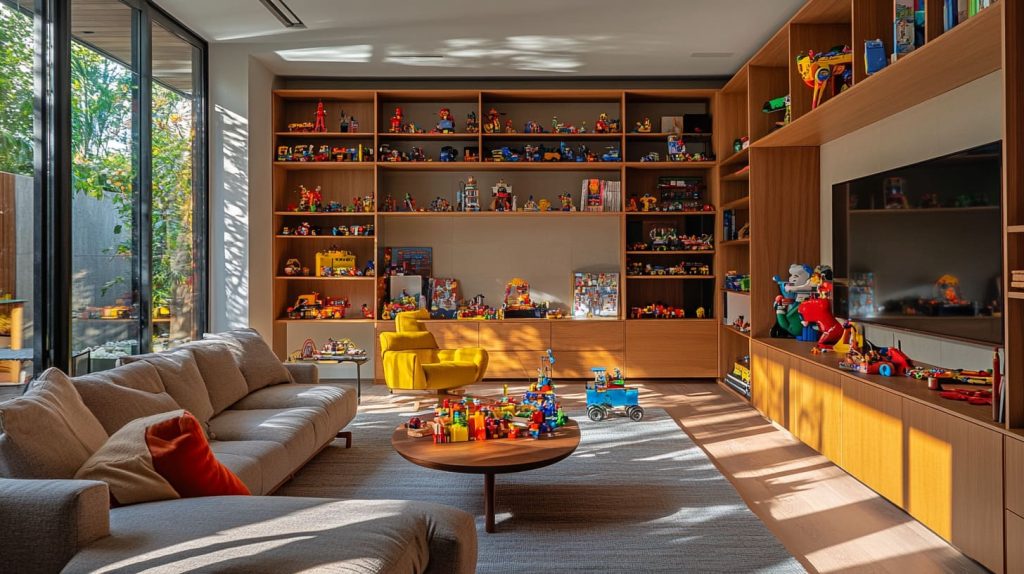
If you’re a serious collector, you probably want to display your toys in a way that complements your home decor. Gone are the days when a toy collection meant a cluttered room filled with mismatched shelves. Today, you can integrate your toy collection into your living room or home office, creating a stylish and organized display that feels cohesive with the rest of your space.
Hidden storage solutions, like custom cabinets or shelves that blend seamlessly with the furniture, can also be a great way to incorporate your toys into your home decor without overwhelming the space.
Displaying Toys in Dedicated Rooms or Offices
For the truly dedicated collector, setting up a dedicated room or office for your toys can be a dream come true. Imagine having an entire room designed specifically to house your collection—complete with shelves, display cases, and even lighting that highlights your toys in the best possible way.
It’s the ultimate space for your hobby, and it provides you with a chance to go all out with custom displays and unique storage solutions.
Conclusion
There’s no one-size-fits-all approach to storing and displaying toys. Whether you’re a hobbyist or a serious collector, the key is finding what works for you. It’s about creating an organized and visually appealing setup that not only protects your toys but also showcases your passion.
With the right storage methods and display solutions, your toys can go from simple objects to cherished pieces of art. So, why not explore custom acrylic displays or other tailored storage solutions to give your collection the respect it deserves?