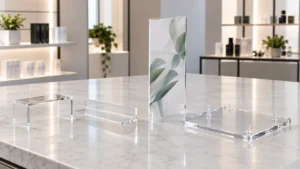
A great retail display catches the customer’s attention, conveys the right story, and converts through an effective product presentation. It’s a mix of intentional design, strategic lighting, and eye-catching signage that leads shoppers seamlessly through your space.
Smart distribution, such as eye-level shelving or end caps, raises product visibility and engagement. Whether you incorporate a seasonal theme, design an interactive experience, or introduce a unique WOW factor, a great display will be memorable.
Retail displays are a careful balance between beauty and utility. They draw a shopper deeper into the store and build an emotional connection between shoppers and the products they require.
What Defines a Good Retail Display?

Retail displays do so much more than just hold product. These tools physically, yet strategically, link products to shoppers. More importantly, they’re instrumental to creating a positive retail experience.
It’s a great display that does all three: captures attention, informs shoppers, and most importantly, drives purchase. To discover what makes the best retail display, start by learning the display’s role and importance. Explore its effect on both the customer experience and your profits.
1. Define Retail Display Purpose
The primary purpose of any retail display should be to exhibit the products in a visually stunning way. This strategy prompts shoppers to interact and buy more items. Retail environments displays should focus on the attributes of a product.
They need to check against marketing objectives too, such as highlighting seasonal items and driving impulse purchase behavior. An endcap display featuring summer drink specials at the end of an aisle acts as an attention-grabbing cue and pushes the customer to purchase the item.
Retail displays make it easier to educate customers about a product, whether through concise labeling or hands-on experiences. For example, a tech store might set up a display that allows customers to try out their headphones, providing an immersive, hands-on experience.
This method instills trust in the product and gives the customer the info they need to feel comfortable pulling the trigger.
2. Highlight Display Significance
These displays can be game changers in a store’s overall look, feel, and brand identity. An uncluttered, well-organized display communicates quality and care, showing potential customers you mean business and setting the stage for that crucial first impression.
This is especially critical for high-traffic areas including endcaps, which account for around 30% of supermarket sales. Your displays should be enticing. Strategic placement of displays can do wonders to boost foot traffic.
That bright, easy to transport, eye-catching display right inside your entrance that features the newest seasonal items immediately says “Welcome!” Additionally, displays allow your products to shine through an increasingly crowded marketplace.
A unique, creative, big, and flexible display for a new line of fizzy waters would stand out on a busy shelf. This attention-grabbing look increases product visibility and sales.
3. Impact on Customer Experience
Convenience aside, well-designed displays focus the customer’s intent on how to make their shopping experience better. Those shoppers will be more inclined to interact with displays that make their time saving easier or highlight complimentary products.
For example, a quick setup that highlights sale items takes the guesswork out of the decision-making process and creates the potential for longer dwell times. Long-lasting but flexible designs, too, easily reconfigure to suit shifting merchandise and foot traffic patterns, maintaining flow and engagement every step of the way.
4. Driving Sales and Brand Image
Displays are all about driving sales and revenue — especially impulse buys and great savings opportunities. They serve a dual purpose in that they help to reinforce brand identity.
A retailer that always creates quality, exciting displays earns the trust and loyalty of consumers. Consumers have come to associate these displays with quality and value, reinforcing the manufacturer’s brand equity.
Essential Elements of Effective Displays
The best retail displays are your unsung, silent salespeople, grabbing customer’s attention and leading them down the path to purchase. The secret sauce of its success is an artful combination of design, strategy, and realism. Combined, these elements work to make in-store shopping an experiential wonder.
By zeroing in on these key elements, retailers can create effective displays that turn heads and more importantly, convert shoppers into buyers.
1. Create a Captivating Focal Point
An effective display starts with a great anchor that quickly and immediately attracts the eye. For example, if you have mannequins that show the entire outfit, that can encourage impulse buys by demonstrating how pieces come together.
Creative product placement, like grouping accessories on a mounted display table with interpretable items, creates visual curiosity. Splashy buildings, art, and street banners deepen this attention grabbing theme in style.
Banner stands offer you a more economical, portable way to attract and engage shoppers across all areas of the store. Having shoppers make purchase decisions in as little as 13 seconds, an immediate attention-grabber and clear focal point is worth its weight in gold.
2. Optimize Space and Layout
We know that successful displays get people’s attention and are easy to engage with. Using vertical space—like shelves or gondolas—makes sure products are always visible and accessible without overwhelming the floor.
Gondolas, for instance, work only in wide open environments where products can be seen from either side. A layout carefully thought out in advance directs shoppers through the store to ensure finding products is seamless.
With enough creative set-up, layered presentation, and visibility can be achieved, with a display table making complex product stories simple for customers to discover.
3. Strategic Color Psychology
Color is one of the most important factors that influence shopper behavior. True enough, 90% of product judgments are made within 90 seconds based solely on color.
Opt for colors that fit your company identity and customer base. The power of color warm tones might make you feel safe, but intense colors might create a passion and alter your mood.
Contrasting colors effectively highlight key products, steering customers’ attention subtly.
4. Effective Lighting Techniques
Mood and Product Showcasing Lighting not only builds ambiance but also highlights items effectively. Accent lighting attracts the eye to designated objects.
Display lighting spotlights highlighted merchandise. Experimenting with styles, such as warm ambient lighting for cozy vibes or brighter tones for a modern feel, strengthens the display’s impact.
5. Product Positioning Strategies
Items closer to eye level are more likely to be seen. By grouping like products together, such as Chapstick with skincare products, you can help promote cross-selling.
Regularly rotating items keeps displays fresh and customers engaged.
6. Incorporate Compelling Signage
Well placed, easy to read signage communicates product advantages and provides an opportunity to up-sell. Employing fonts and styles that echo your brand’s personality creates a coherent experience.
Placing signage at eye-catching spots helps customers absorb information effortlessly.
Visual Merchandising Techniques

Consider this—visual merchandising is about so much more than just prettily arranging products. It blends aesthetics, sensory experience, and tactical organization to produce enticing displays that influence purchases. We all know that a well-executed display beautifies a store.
In fact, research demonstrates these new displays can lift sales by as much as 478%, directly affecting customer purchasing habits. Here’s a look at some make-or-break techniques to take your retail displays from ordinary to extraordinary.
Appeal to Customer Senses
Invoking more than one sense at a time is one of the hallmarks of powerful visual merchandising. A display that incorporates textures, such as soft fabrics or rugged surfaces, invites touch and creates a tactile connection. Scents, like the smell of freshly baked goods in an in-store bakery, can remind shoppers of home or hearth.
While subtle background music designed around your brand makes the store experience more pleasant and emotional, it leads to longer in-store time. These sensory brand elements help enhance organizational identity. For instance, mixing a bright visual identity with a fresh citrus scent creates a strong association with freshness for a skincare line.
By creating memorable experiences, you make memorable impressions that will stick “emotionally” with shoppers.
Apply Design Theory Principles
Design principles such as balance, contrast, and rhythm help make sure your displays are visually stimulating.
Finding balance is crucial. You can create visual balance with symmetry, such as with rows of products spaced out evenly. On the other hand, you can form an active interest using asymmetry by clustering objects at different elevations.
Contrast, whether through striking color combinations or clear contrasts in form, draws the eye organically to the most important merchandise. When each facet—from the right lighting to the perfect product placement—comes together, the display clicks into place, feeling complete and professional, inviting customer engagement.
Maintain Display Balance and Unity
Your finished, balanced display should take customers on a natural journey through your store while keeping them grounded with your clear theme. Place items to maintain balance so one side doesn’t feel overloaded, and make sure everything ties back to a main theme.
So, for instance, in a summer-themed display, you would have beach towels, sunscreen, and flip-flops all lined up neatly on a shelf or table. There should always be a limit to the number of items to prevent confusion.
Apply the “rule of three” to your product groupings, providing a visual intrigue that is both easy and powerful.
Use White Space Effectively
White/negative space prevents a cluttered appearance and is ideal for showcasing star products. A more spaced-out layout draws attention to key pieces, such as a highly desired signature handbag on a pedestal.
By balancing those filled spaces with intentional empty space, you create clarity, allowing the display to feel welcoming and not busy.
Create Visual Contrast
Creative contrast both attracts attention and helps convey your brand aesthetic. Colors on opposite sides of the artist’s color wheel, such as blue and orange, will cause products to pop.
So, introducing textures too for contrast, such as shiny finishes in opposition to matte ones, creates depth and interest. This intentional application of contrast makes all the difference in stealing customers’ attention.
They’ll instinctively be drawn to products that have been featured, like new seasonal introductions or sale items.
Types of Retail Displays

Retail displays are essential tools in visual merchandising, designed to catch shoppers attention and encourage purchases. Each type of store display, whether a standalone display or a temporary display, meets a different need tailored to various products and consumer shopping habits. By comprehending these visual merchandising strategies, retailers can maximize sales and enhance the customer experience.
Window Display Strategies
These illuminated three-dimensional brand ambassadors always serve as the first point of reference, review, and inquiry for approaching customers. An ingenious retail display with clever dimensions, unexpected shapes, or a clever layout can instantly draw in customers. Seasonal themes, including holiday decorations or back-to-school motifs, help make these displays more dynamic and engaging.
Incorporating storytelling elements, such as a narrative that connects the products, creates emotional engagement, and draws passersby into the store.
Entryway Display Techniques
Entryway displays set the tone for a retail store and can help make your business feel inviting from the start. Showing off promotional items or lately, new arrivals in this prime real estate will create instant intrigue. Regardless of what type you use, ensure these displays are easily noticeable from outside the store.
They will lead shoppers from the window display into the main store environment.
Standalone Display Implementation
Standalone displays, while more expensive, offer the most flexibility as they can be placed almost anywhere in the store. They are ideal display solutions for seasonal items and holiday specials. In order to make the biggest impression, these displays need to be attractive and sturdy enough to endure customer engagement.
Freestanding displays, like dump bins, offer 360-degree access and work great in high-traffic locations.
Endcap Display Optimization
Endcap displays, which are placed at the end of aisles, are considered the best real estate in retail for promoting high-margin or fast-selling items. Regularly rotating items to different sections within the displays helps keep these retail displays feeling dynamic and attention-grabbing.
Supplementing products with clear, concise signage makes it even easier to attract customers’ attention and convey key information.
Tabletop Display Design
Tabletop displays serve as fantastic displays that provide ample creative canvas, allowing visual merchandisers to play with height differences and tiered compositions, ultimately enhancing the retail environment and drawing shoppers in to discover more.
Display Cabinet Utilization
Display cabinets not only keep valuable, delicate, or dangerous items safe but also serve as attractive displays to showcase products beautifully. Effective lighting inside these cabinets enhances the product display, creating a luxurious retail environment.
Gondola Display Enhancement
Usually found in aisles, gondola displays enhance the retail environment by maximizing product visibility and are great for building themed sections. Regular stocking and maintenance ensure these attractive displays remain fresh and fully operational.
Banner Stand Incorporation
Banner stands are inexpensive, versatile, and portable marketing tools that enhance retail marketing. When placed in optimal locations, they effectively direct shopper attention towards attractive product displays or highlighted items.
Shelf Talker Effectiveness
Shelf talkers, which are part of an appealing display next to products on store shelves, highlight special promotions or unique product features. Creative design is essential for these visual merchandising displays to capture shoppers attention without overwhelming the retail environment.
Engaging Customers Through Displays

Retail displays are not just a medium for displaying products; they are essential components of effective retail marketing. When properly considered and strategically applied, these attractive displays draw in customers, engage them, and help to convert them, enhancing the overall shopping journey and creating lasting impressions.
Tell a Story with Your Display
A carefully orchestrated retail display should speak to a lifestyle or need of the customer, connecting with them on a deeper level. When you develop stories and lifestyles around products, you are humanizing the product, making it more exciting, desirable, and relatable.
Picture a beautiful, dynamic summer-themed display. It’s beach towels, sunscreen, and sunglasses arranged with sand and a beach chair that really set the scene, immediately transporting you back to vacations and relaxation. Visuals and props go a long way in this area as well, since they help the story pop and provide a uniformity to the overarching theme.
Equal to the science is the art. Emotional connections are strongest. A back-to-school display with backpacks, lunchboxes, and notebooks set against a chalkboard background can remind shoppers of their own school days or spark excitement for the upcoming semester. Whether the underlying theme is nostalgia, celebration, or even humor, relatable themes help transform a simple display into a memorable experience.
Incorporate Interactive Elements
Interactive displays serve as an essential element in the retail environment, offering an additional layer of depth by inviting customers to participate directly. With features like touchscreens and QR codes, shoppers can easily dive deeper into product information and exclusive offers. This approach helps create a frictionless bridge between your digital and physical worlds, enhancing the overall shopping journey.
For instance, a large clothing retailer can install a fantastic display in the form of a digital kiosk. Socioeconomic factors aside, shoppers can easily explore a plethora of outfit combinations and quickly scan for their sizes, thanks to effective visual merchandising strategies.
There’s no denying that in-person, physical engagement packs a powerful punch. People are three times more likely to buy when they can interact with a product display or try on an item. Gamification strategies, such as a spin-the-wheel game for discounts, inject enjoyment and surprise, increasing the likelihood of immediate purchases and encouraging return visits.
Research demonstrates that when museums and retailers utilize interactive displays, it results in a 31.8% increase in sales volume and generates a 32.7% increase in repeat buyers, showcasing the importance of effective retail display planning.
Leverage Technology in Displays
Digital displays are the ultimate in flexibility and engagement, allowing for the presentation of complex, dynamic content. Compared to traditional static displays, they reel in 400% more views, which are perfect when calling attention to limited-time promotions or exciting new arrivals.
Augmented reality (AR) features, such as virtual try-ons for glasses, lipstick, or other accessories, can enhance and personalize the customer experience even further. Beyond the visual impact, these tech-focused displays deliver invaluable analytics, giving retailers the ability to track customer interactions and continually refine their strategies over time.
Personalize for Target Demographics
Meeting your audience is key to creating displays that don’t seem contrived. Understanding demographic data can help retail buyers not only choose the right product mix but also determine the best look, feel, and even message of a display.
A retail store aimed at Gen Z shoppers might put a premium on bright colors and sustainable materials. It builds “instagrammable” experiences that play into their appreciation for sustainability and folkloric-like experiences that are fully shareable.
Understand Customer Behavior
The success of any retail display is dependent on its positioning and design. Frequent monitoring of customer traffic patterns can make it easy to identify high-visibility areas, making it easier to proactively place displays where they’ll see the most impactful exposure.
Feedback is another valuable tool. Asking shoppers what drew their attention can provide insights into what works and what doesn’t. By measuring engagement levels over time, you can make ongoing adjustments to displays, so they continue to be most effective at serving your customers’ needs.
Refreshing and Maintaining Displays

Renewing and repairing retail displays is critical to a positive customer experience, store image, and sales performance. A platter-up, tired display becomes a detractor almost immediately. Conversely, a messy, chaotic, or dusty display damages brand perception, distracts from the product itself, and creates a negative brand experience.
Here are some steps that you can take to make sure your displays stay fresh, engaging, and in-the-know!
Regularly Update Displays
Continuing to update them on a set schedule, when possible, is very important for communicating new products, trends, or seasonal changes. The sign used to focus on summer clothing. Next, it has to make a seamless shift into fall with new inventory and appropriate hues.
Updating objects in displays not only keeps the changing customer base interested, but it also discourages developing repeat customers from tuning out displays they have become familiar with. These updates provide perfect collateral to test new visual merchandising techniques. You can test out more focused, themed arrangements or more artistic layouts to see how customers respond and learn what works best.
Perform Deep Cleaning Routines
Displays need to be deep-cleaned on a regular basis to keep the display looking crisp and professional. Dust, smudges, or clutter can instantly destroy the romance, so establishing a regular cleaning routine is imperative.
Make sure you’re training employees on proper cleaning methods so you don’t ruin intricate materials or design. A clean display helps to reiterate the quality of your brand and make sure that the customers start associating your products with the highest quality. A brightly lit jewelry case or a perfectly organized line of shoes serves as a reminder.
Adjust Lighting Periodically
Lighting is crucial for showcasing products, creating an inviting atmosphere, and establishing the right mood. Consider changing your lighting to complement the seasons. Use warm, earthy tones when highlighting fall products, or bright whites to draw attention to winter promotions, to experience a much higher visual punch.
Playing with angles and light intensities can provide further drama, highlighting unique elements to create a focal point. Strategic lighting, whether theatrical or architectural, will focus on products to make them attractive and invite interaction.
Explore Nontraditional Displays
Nontraditional displays, like interactive elements or pop-ups, can differentiate your store from competitors. Add in the wow factor. Temporary displays for holidays or anniversary events create buzz and attract people.
At the same time, temporary exhibits in unexpected places act as eye-catching community conversation starters. Like when a new product is being launched, a short-term display helps create excitement.
Create Visual Speed Bumps
Well-planned displays that invite customers to stop and browse can greatly improve dwell time. Picturing imaginative touches, like eye-catching signage or interactive features, grabs focus.
Positioning these unexpected “speed bumps” in high-traffic areas boosts visibility and fosters encouraging opportunities for interaction.
Creating a Unique Store Theme
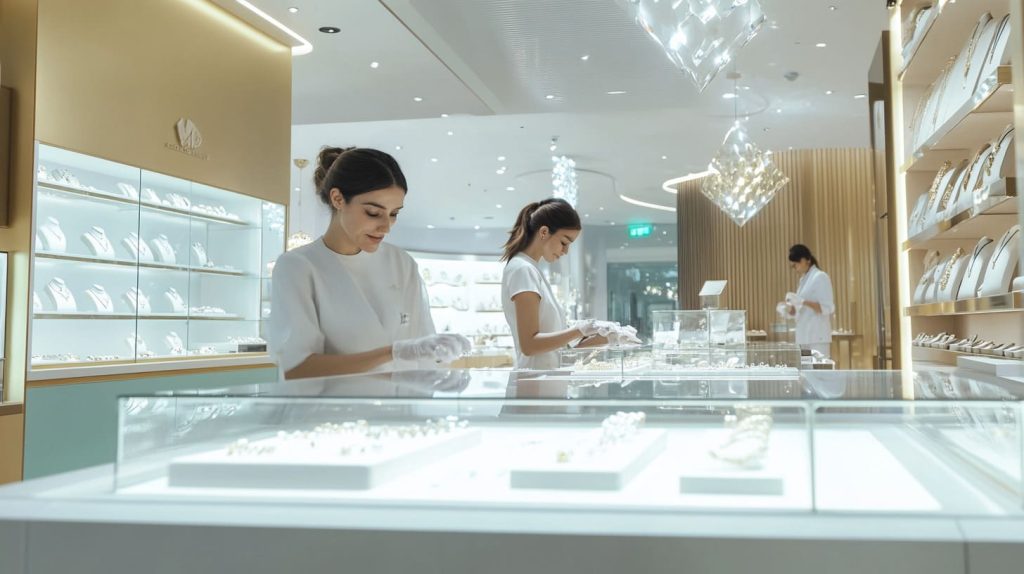
Creating a memorable, entertaining, and consistent store theme is key to crafting an immersive retail environment. A good theme doesn’t just draw the eye—it builds familiarity, boosts usability, and increases the likelihood of return visits. Every element of your store display design should seamlessly align with your store’s identity and values, creating a unified and memorable atmosphere that resonates with your audience.
Reflect Brand Identity
Your retail display needs to do more than just display a product. It needs to reflect the lifestyle of your brand. Add in your brand colors, logos, and brand messaging to your design elements to get started.
For example, if sustainability is core to your brand, then highlight that in your theme’s installations. Incorporate natural textures, earthy colors, and sustainable design elements to make a statement about your values. Your displays should showcase your narrative, from being innovative to being steeped in history or high-end, so shoppers instantly understand what you stand for.
The most important part of all is consistency! Establishing a consistent theme with visual elements on window displays, in-store layouts, and online experiences enhances brand identity and recall.
Reinforce Brand Messaging
Your displays are a huge opportunity to supplement your marketing campaigns and double down on your value propositions. Aligning your displays to coincide with seasonal promotions or brand projects can help make your messaging that much stronger.
An ideal back-to-school scene with well-stocked school supplies and filled backpacks inspires families as they prepare for the upcoming school year. Meanwhile, a seasonal window display, all twinkling with white lights and colored baubles, sets the warm holiday mood.
Keep the messaging simple and focused on what matters most to your ideal buyer. Changing your theme regularly, like having a summer “beach day” collection or decorating for springtime on the farm, makes your store look dynamic and exciting.
Enhance Customer Recognition
Cool, memorable, visually stunning displays draw people in and get people thinking of associating them with your brand. Something as simple as familiar imagery, such as using recognizable icons or seasonal motifs, enhances memory.
Something like a strawberry-themed display when they’re in peak season would help foster that connection with your audience. Instagram-worthy designs spread like wildfire on social media, giving your brand even more visibility.
By working with local artists to create special installations, you can take your displays to become even more one-of-a-kind. Remember to limit color palettes and avoid clutter, creating a visually appealing yet cohesive setup that invites customers to explore.
Overcoming Display Challenges

Retail displays play a vital role in capturing consumers’ attention, guiding purchasing decisions, and boosting sales, but they can present distinct challenges. Retailers have their own budget constraints anda lack of footprint. They need to analyze display performance in order to keep the best setups against the best display competition.
By focusing on these points strategically, retailers can produce impactful displays that stand out and drive proven results.
Budget Constraints Solutions
Creating with restrictions doesn’t equal lesser quality or impact. Cost-effective materials, such as cardboard or lightweight plastics, can create visually appealing displays that are durable enough for high-traffic areas. Choosing durable, sustainable materials that withstand the test of time and climate will advance the latest in design innovation, all while saving money on future replacements. This approach aligns with effective visual merchandising strategies that enhance the retail environment.
By way of illustration, graphic holders constructed of recycled materials resist wear and tear from day-to-day use and demonstrate a commitment to sustainable practices. These attractive displays not only engage customers but also showcase the brand's values.
When investments are first focused on places that will produce the greatest impact, the returns are amplified. Displays at the checkout line or at entrances, locations where impulse buys regularly result in a large return on investment, are essential. A budget-friendly store display at the cash register emphasizes impulse buys and seasonal offerings.
This is a clever strategy to drive incremental purchases at little cost. A second method would be to utilize internal talent to create or build displays. This reduces the dependency on outsourcing or external vendors, which saves in budget dollars while boosting creative talent in-house.
Space Limitation Strategies
Maximizing a limited retail space needs to be intentional and smart. Compact displays that give a sense of the brand’s important products can quickly draw the eye even in crowded spaces. In particular, vertical displays have their advantages, giving retailers a means to showcase products at different elevations without taking up precious floor space.
For example, a tiered shelving unit can showcase several products in a standardized, visually appealing, and easy-to-navigate way. Keeping displays out of the way of customer traffic or access for those with disabilities is just as essential.
An open, clean look makes a customer’s search more enjoyable as opposed to adding confusion, making them abandon their cart. Use sightlines and proper placement to steer shoppers smoothly through your store. This arrangement allows for fluid scannability and visually supports cost-effective products being top of mind.
Measuring Display Effectiveness
Evaluating store display performance is crucial to honing visual merchandising strategies and maximizing outcomes. Tangible metrics such as sales conversion, customer experience, and dwell time help measure the effectiveness of a product display. In addition to revealing blind spots, gathering feedback directly from your shoppers sheds light on how you can improve your retail environment.
Customer retention is also important. For example, if customers find certain displays confusing or unappealing, adjustments can be made to enhance clarity and create an attractive display. Routine evaluations help to confirm that displays are still serving their intended purpose and are still relevant in the competitive retail landscape.
A more dynamic approach helps retailers adjust on the fly to trends, substitutions, or seasonal displays, preventing them from missing a competitive edge.
Measuring Display Success
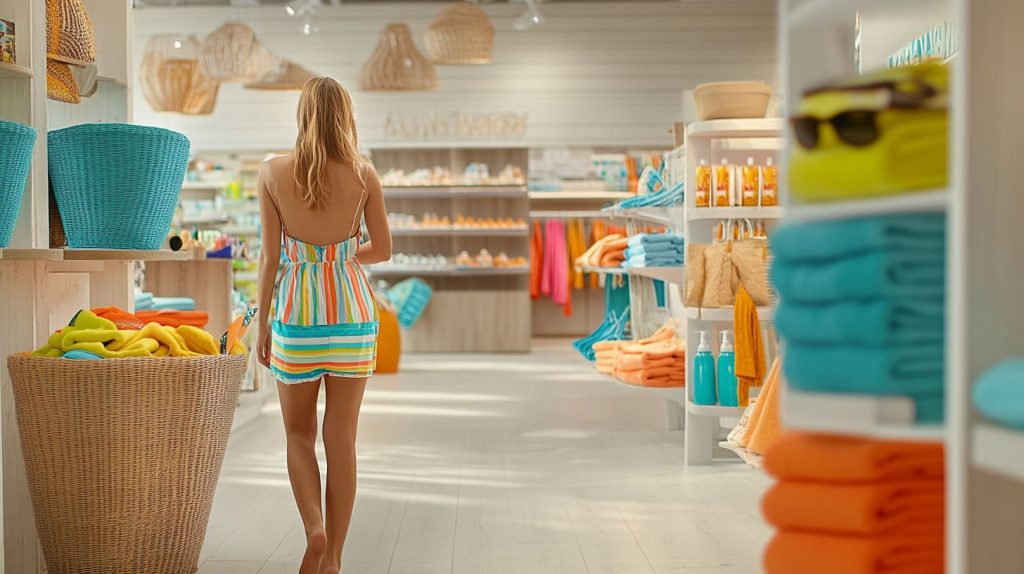
Measuring retail display success is critical for ensuring that store displays are effectively influencing customer behavior and ultimately boosting sales. Since as much as 76% of all purchase decisions are made at the point of sale, an appealing display can make or break a buying decision. Focus on performance metrics, sales attribution, and customer engagement to continually fine-tune your visual merchandising strategies and develop engaging, successful displays.
Track Key Performance Indicators
KPIs—Key performance indicators are quantifiable details that give you a clear view of how your display is performing. The most important thing is to figure out what KPIs are truly the most important. Consider bringing retail metrics such as conversion rates, foot traffic, and Average Transaction Value.
For example, if a display is an effective way to promote a seasonal product, you can gauge its success by monitoring its sales trajectory throughout the same timeframe. Data analytics tools, including heatmaps and store analytics software, dramatically improve the insights you can get. By closely tracking the right metrics, you can measure the amount of time that consumers spend in proximity to displays.
By looking at these KPIs side by side through time, you’ll be able to identify where there’s room for improvement. If your display creates tons of foot traffic but no sales, that’s your first clue you may have misaligned. This may indicate that the product is out of touch with what customers actually want.
Perhaps by changing the display layout or signage to showcase the product’s features or price point, it can drive better results. By continuously reviewing these outcomes, you’ll ensure that your display strategies are always evolving based on the latest data-driven insights.
Analyze Sales Data
Sales data will always be the most tangible measure of a display’s effect on revenue. Going back through your retail POS system can point you to the best sellers of last year. For instance, a fashion ecommerce store could see an increase in sweater purchases in the colder months.
Using this insight, they can design displays that feature similar items, such as scarves or coats, to encourage complementary purchases. Focusing on maximizing sales analytics by measuring trends in sales data with specific changes to display can open new lines of actionable feedback.
For instance, if a new signage update coincides with a surge in sales for a featured product, it validates the importance of clear, value-reflective messaging. This two-pronged process not only measures success, it sets the stage to plan for what’s next. It gives you confidence that your displays match customer tastes and buying habits.
Monitor Customer Engagement
Measuring how customers engage with store displays is just as important. In-person metrics—like the ways shoppers interact with products, whether ignoring, touching, or spending time in front of items—may offer qualitative insights. Surveys or feedback forms provide a third dimension to insights, soliciting consumer impressions on whether the visual merchandising strategies are visually appealing and understandable.
If in an annual survey you learn that your patrons consider the layout too busy, then do something to make it less so. That simple change can dramatically increase engagement. Ensuring your signage effectively communicates the product’s value and price point contributes to a smoother shopping journey.
As it stands, 40-60% of displays are truly correct. There’s a huge opportunity to improve their performance and increase engagement.
Conclusion
A great retail display does this and so much more. It catches their eye, engages their imagination, and resonates with your audience. Prioritize intuitive design and thoughtful positioning. Strike a chord with emotional imagery to design innovative displays that attract shoppers and increase profitability! Regularly updating your displays, incorporating them with the theme of your store, creates continual surprise and delight and will bring customers back to explore repeatedly. Continually testing and tracking what works allows you to constantly hone your approach and get even better results.
Retail displays can be the perfect opportunity to show your buyer that first impression that just blows their doors off! Take the time to make them good, and they’ll reward you tremendously. Keep creating, keep evolving, and always put your customers first! They’ll appreciate it—and so will your bottom line.