Skip to content
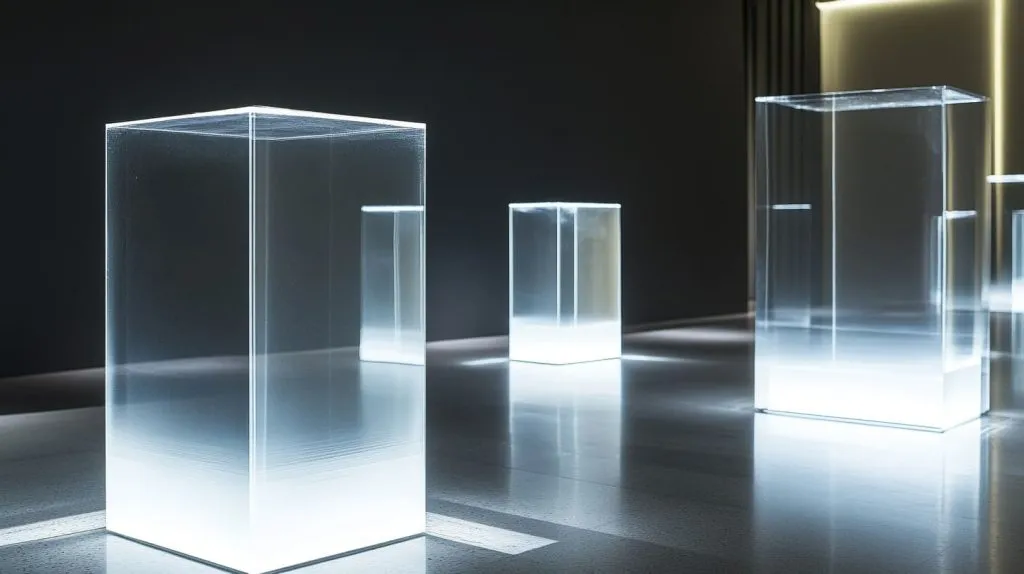
This March I spent a rainy week in Vancouver helping a museum swap its aging hobby-glued display boxes for fresh, crystal-clear cases. When the curator saw the invisible seams, he asked, “What kind of magic glue is that?” I smiled—there’s no magic, only method.
In this post I’ll show you why flawless joints decide whether a B2B acrylic display sparkles or sags, how each bonding method works, and how Feilong Acrylic keeps those seams clean and strong for clients like Jacky.
Understanding Acrylic Bonding Fundamentals
I used to think acrylic was stubborn plastic. Then I learned it wants to bond—if you treat it right.
Chemistry of PMMA and why it “melts” into itself
Polymethyl methacrylate (PMMA) softens when a solvent swells its long chains. The chains tangle, solvents evaporate, and the pieces fuse. No extra material, just polymer locking arms.
Common joint geometries in fabrication
- Butt joints keep lines simple for small stands.
- Mitres hide edges in furniture-grade frames.
- Rabbets and tongue-and-groove boost shear strength on retail shelves.
Strength vs. aesthetics trade-offs
Butt joints give speed; mitres win beauty; rabbets survive shipping. Picking the right one stops cracks without over-engineering.
Table 1 – Comparing Joint Types
| Joint Type | Looks | Strength | Typical Use |
|---|---|---|---|
| Butt | Fair | Medium | Price tags, dividers |
| Mitre | Excellent | Medium | Photo frames |
| Rabbet | Good | High | Drawer fronts |
| Tongue-and-Groove | Hidden | Very High | Heavy racks |
Forty-word bridge: Perfect geometry sets the stage, but preparation decides the encore—let’s trim, polish, and clean before any solvent touches the sheet.
Surface Preparation – The Hidden Key
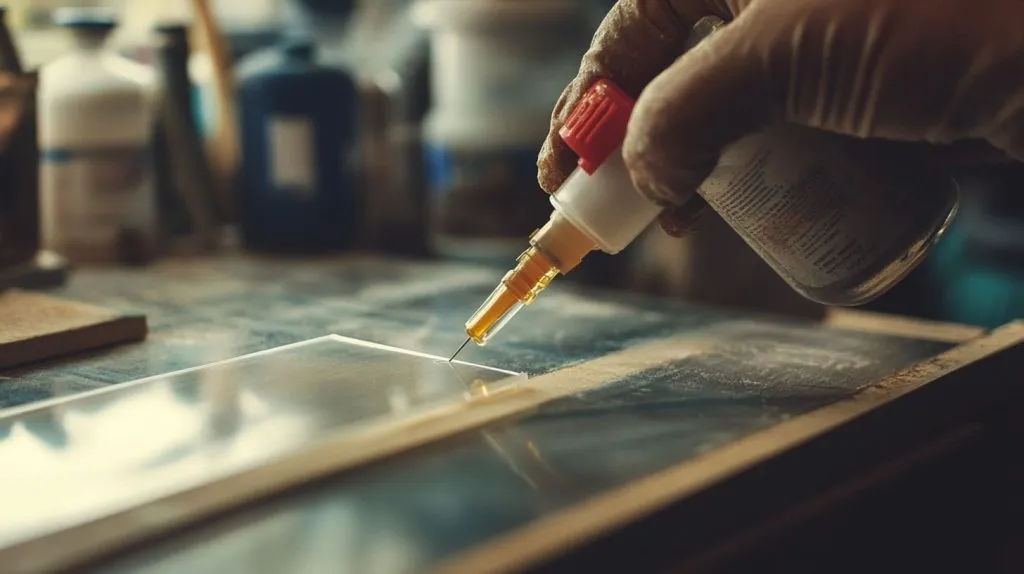
Back in Shenzhen I once skipped polishing to meet a 2 a.m. deadline. The result? Hairline gaps that glowed under store lights like tiny lightning forks.
Edge machining & polishing
Sharp, chatter-free cuts stop gaps. I end with a flame-polish pass for glass-level shine.
Cleaning, dust removal, and anti-static treatments
- Blow off chips with ionised air.
- Wipe with lint-free pads soaked in isopropyl alcohol.
- Neutralise static so dust stays off and seams stay clear.
Fixturing, gap tolerance, and “dry-fit” inspection
I use adjustable corner clamps and 0.05 mm shims to test fit. If daylight peeks through, back to the sander.
Twenty-nine-word bridge: Edges ready? Great. Now the real fun—feeding liquid solvent through a capillary gap thinner than a business card.
Solvent Cementing – The Capillary Method Professionals Swear By
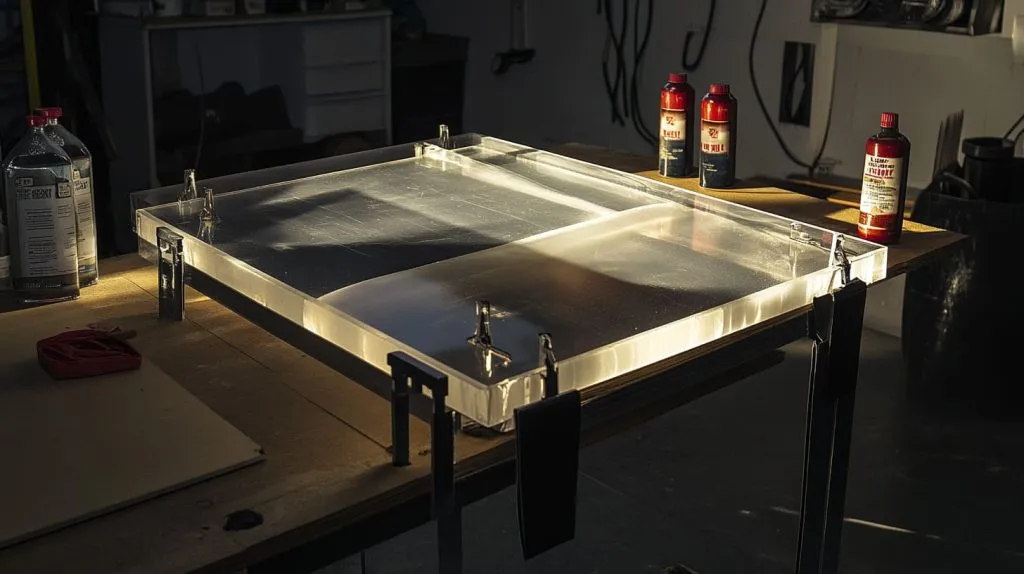
The first time I tried capillary cementing, I flooded the joint and left a milky bloom. Today I keep a steady hand and a timer.
Solvent grades (Weld-On 3, 4, 16 vs. 1802)
| Solvent | Viscosity | Open Time | Best For |
|---|---|---|---|
| 3 | Water-thin | <1 min | Showcases, small boxes |
| 4 | Thin | 1–2 min | General factory work |
| 16 | Syrup-thick | 3–5 min | Gap-filling repairs |
| 1802 | Med-thin | 2 min | High-clarity edges |
Capillary-action technique
I tilt the assembly 2° and let solvent wick in from a needle bottle. No squeezing—gravity does the work.
“Pins method” for box assembly
I insert sewing pins between parts, flood the seam, count ten seconds, then pull the pins so panels settle onto a perfect bond line.
Clamping pressure, cure times, and post-cure polishing
Light spring clamps only—too much force starves the joint. I leave parts overnight before peeling film and buffing edges.
Thirty-six-word bridge: Thin solvents can’t save every gap, so when tolerances widen or loads climb, I reach for thicker, two-part chemistry.
Gap-Filling & Two-Part Structural Cements
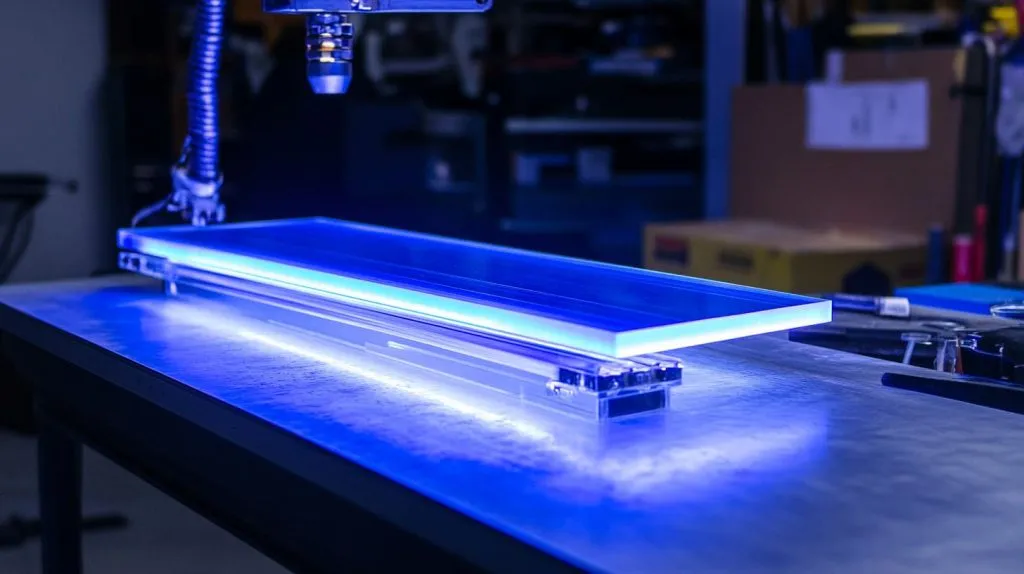
Two winters ago a cosmetics brand ordered podiums tall enough to lean on. Solvent alone wouldn’t cut it.
When to shift from thin to thickened cements
Gaps over 0.15 mm or shelves wider than 500 mm demand structural glue.
Two-part reactive systems (Weld-On 40/42)
Resin meets catalyst, turns into optically clear acrylic inside the joint. Strong enough to stand on, literally.
Working times, exotherm management, and clarity tips
- Mix small batches—heat ruins clarity.
- Degas with a quick vacuum pull to avoid bubbles.
- Clamp for an hour, machine after 24.
Twenty-five-word bridge: Some clients want almost invisible edges plus speed. That’s when light—rather than solvent—does the bonding.
UV-Cured Adhesives for Museum-Grade Clarity
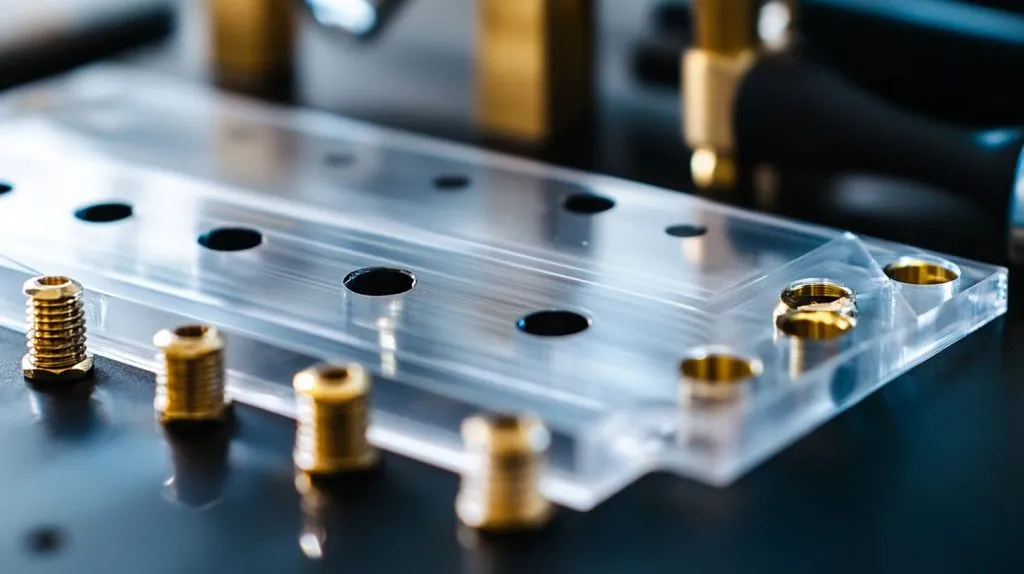
I first tried UV glue while restoring a cracked aquarium. The seam vanished like a magician’s scarf.
How UV acrylic adhesives polymerise
Photoinitiators absorb 365 nm light and kick off polymer chains that knit the sheets.
Lamp vs. LED curing systems
- Mercury lamps flood large parts but heat up.
- 405 nm LED bars stay cool, perfect for thin art frames.
Typical shear strengths, yellowing resistance, and QC checks
Pull tests hit 18 MPa. I store coupons in a weathering chamber—no yellow in six months.
Table 2 – UV vs. Solvent vs. Two-Part
| Property | UV | Solvent | Two-Part |
|---|---|---|---|
| Clarity | ★★★★★ | ★★★★☆ | ★★★★☆ |
| Speed | ★★★★★ | ★★★☆☆ | ★★☆☆☆ |
| Gap Fill | ★★☆☆☆ | ★☆☆☆☆ | ★★★★★ |
| Cost | Medium | Low | High |
Thirty-two-word bridge: Adhesives shine until you need disassembly or field repair. That’s when hardware steps up.
Mechanical Joining Solutions
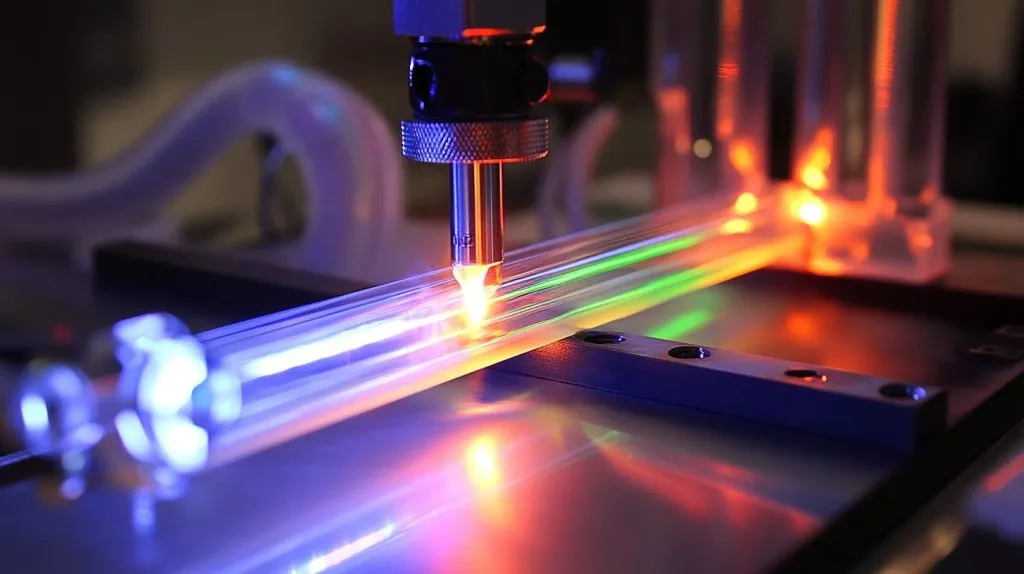
During a Montreal trade show a shelf screw stripped mid-demo. I learned the value of brass inserts that night.
Self-tapping screws vs. machine screws
Self-tappers bite fast but stress the hole. Machine screws with threaded inserts last longer, especially for rental fixtures.
Heat-set and press-fit inserts
A soldering iron sinks knurled brass into acrylic. Once cool, threads stay tight after hundreds of swaps.
Hybrid “adhesive-plus-fastener” strategies
I often wick solvent around a screw post, locking the insert while keeping the shelf replaceable.
Disassembly, maintenance, and field-repair considerations
Always pack spare fasteners and a drop of solvent in the service kit—saves a frantic midnight call.
Thirty-word bridge: Screws work, but some edges must fuse without any metal showing. Enter heat and photons.
Thermal & Laser Welding Techniques
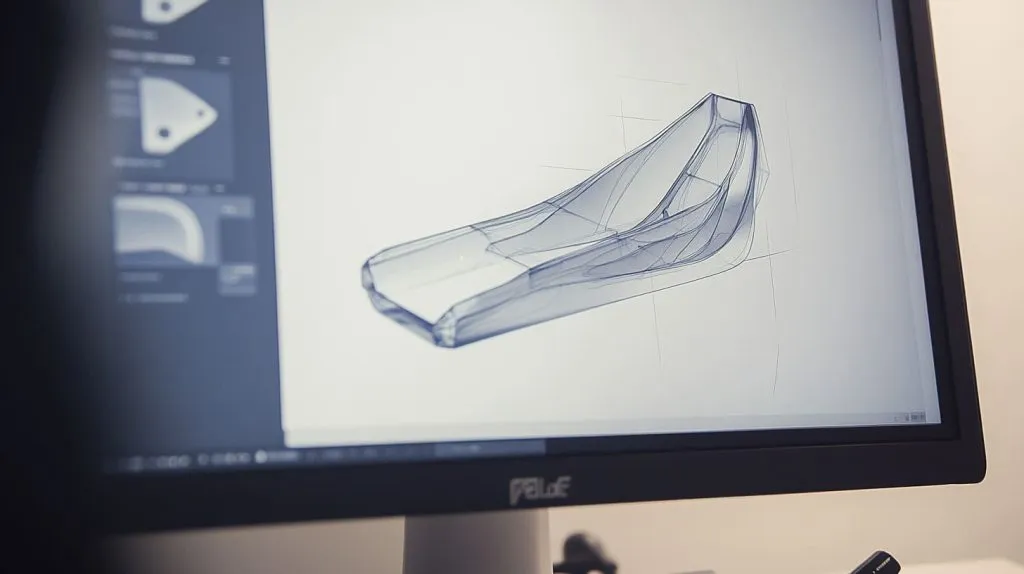
I borrowed a hot-air knife once to seal 1,000 brochure holders in one shift—it felt like frosting pastries.
Edge-fusing with hot-air knives and heat staking
Hot air softens edges; gentle pressure blends them. Great for frosted stands where slight haze is fine.
CO₂ laser welding for microfluidic-grade channels
A focused beam melts a 30 µm layer; capillary tension closes it. Perfect for lab-on-chip plates.
Pros, cons, and equipment investment thresholds
- Setup costs high.
- Throughput unmatched for small parts.
- Training curve steep; scorch marks unforgiving.
Thirty-eight-word bridge: No joining method succeeds if the design forces glue into impossible corners. Good joints start on the CAD screen.
Design for Manufacturability (DfM) at the Drawing Board
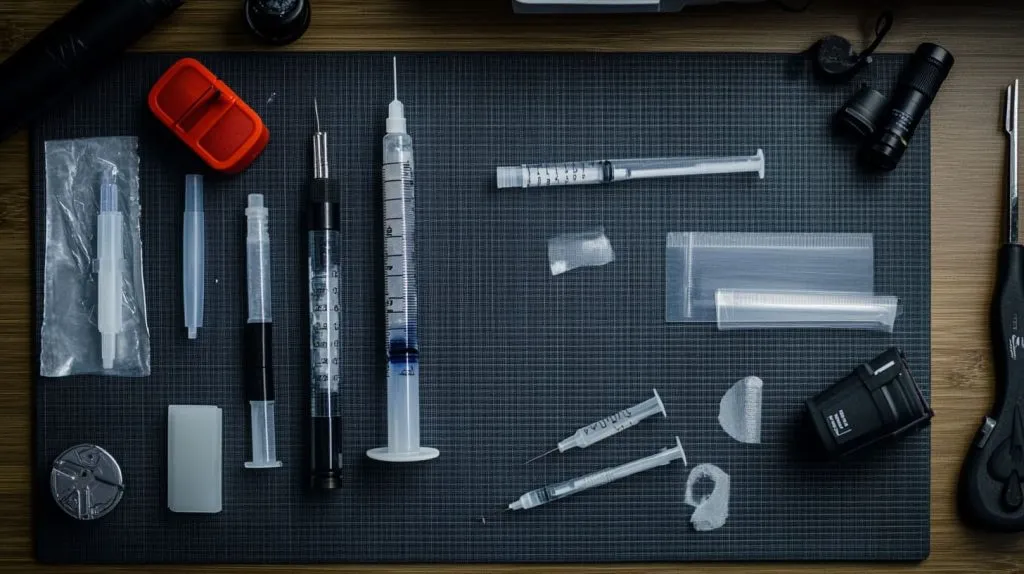
I’ve seen brilliant concepts fail because a rabbet hid under a 2 mm lip no clamp could reach.
A simple 45° chamfer lets solvent flow and hides the bond line behind the face.
Stress analysis: distribute loads, avoid craze-prone corners
Rounded corners cut stress by half. I run FEA on shelf brackets before cutting acrylic.
Balancing aesthetics, throughput, and cost
- Mitre edges cost 20 % more machine time.
- Straight cuts ship quicker.
- Joint choice must match client deadlines.
Twenty-one-word bridge: Design locked? Time to prove every seam with data—not just eyesight.
Quality Control & Testing Protocols
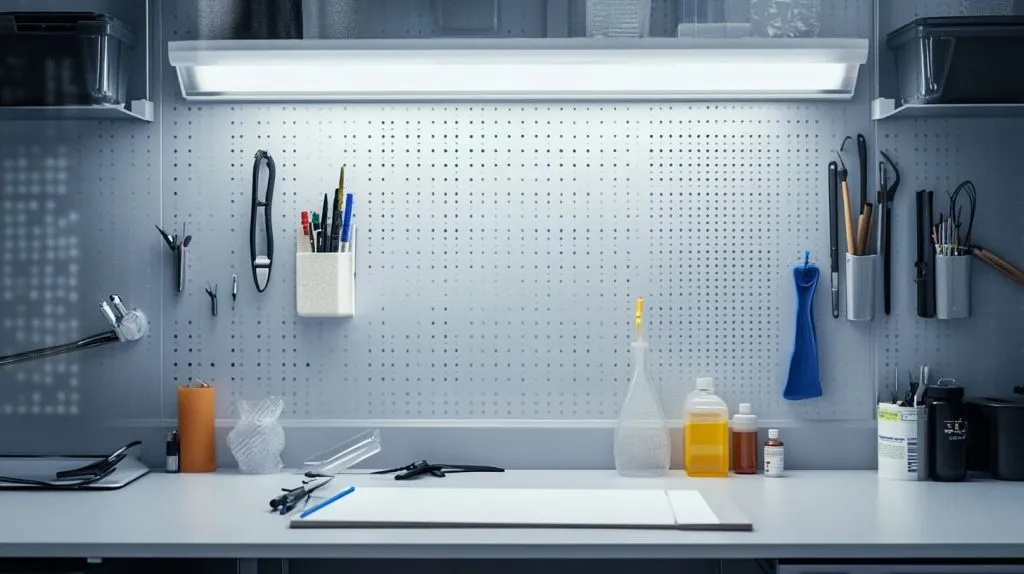
A client once flew in with a polarised headlamp to scan our samples—talk about pressure.
Visual inspection under polarized light
Stress spots glow; perfect bonds stay dark. I mark hot spots and adjust clamping.
Pull-off, lap-shear, and cross-hatch tests
We follow ISO 2409 cross-hatch on coated parts and pull coupons at 90° for shear.
Optical-clarity benchmarks
Anything under 2 % haze passes our export spec.
Sample retention, batch tracking, ISO 9001 paperwork
Every lot gets a barcode—easy trace if problems surface overseas.
Table 3 – QC Checklist Snapshot
| Test | Frequency | Pass Limit |
|---|---|---|
| Visual (polarised) | 100 % | No stress rings |
| Haze (%) | 5 % | ≤2 |
| Lap-Shear (MPa) | Each batch | ≥12 |
Thirty-five-word bridge: Even tight QC can’t stop every hiccup. Knowing how to fix mistakes on the fly keeps production rolling.
Common Pitfalls & Troubleshooting
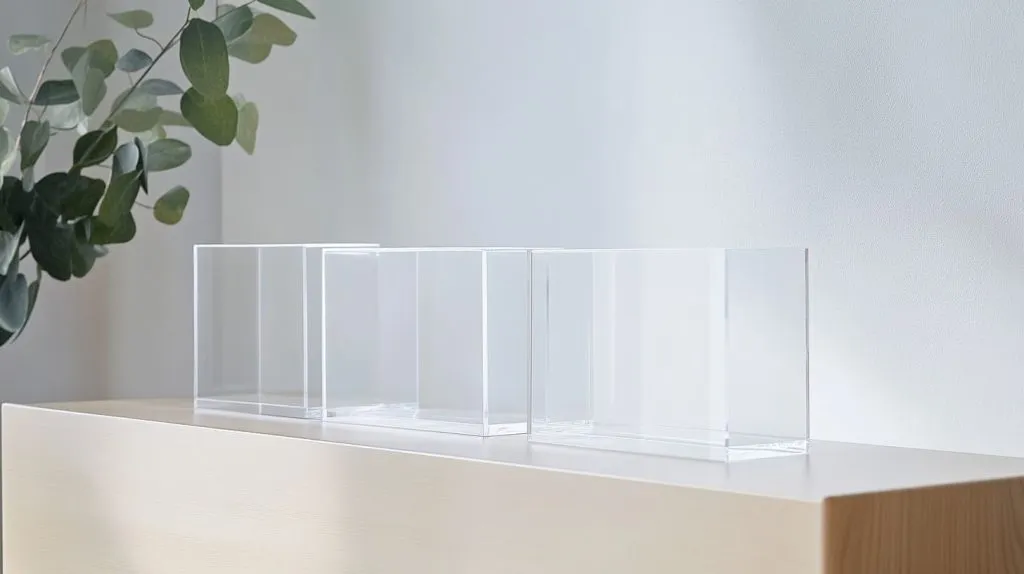
I still remember a blush-white seam ruining a 500-piece order. We rescued it—barely.
Bubbles, crazing, and “blush” whitening
Too much solvent, trapped moisture, or cold panels. Warm parts to 22 °C and flow slower.
Misalignment and warp
Loosen clamps, re-solvent, realign, and re-clamp before full cure. Small shifts are salvageable.
On-site repair kits
A syringe, Weld-On 16, UV flashlight, and micro-files fix 80 % of field issues.
Thirty-two-word bridge: Safety underpins every fix—and every first pass—because fumes and shavings don’t care about deadlines.
Safety & Environmental Considerations
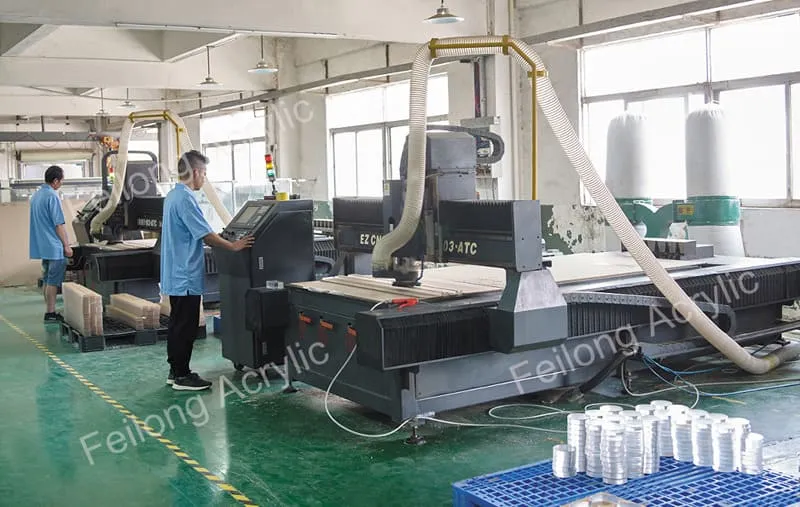
When my apprentice felt dizzy by noon, I upgraded ventilation the same day.
Ventilation, PPE, and VOC exposure limits
Solvent fumes peak at 400 ppm. We keep below 50 ppm with ducted hoods and full-face respirators.
Choosing RoHS-compliant, low-VOC, or bio-based alternatives
Bio-solvents cut VOCs by 30 %—slower cure, but retail clients love the eco badge.
Waste handling and recycling off-cuts
We grind clear scraps into 4 mm regrind for non-optical parts. Nothing hits the landfill.
Conclusion
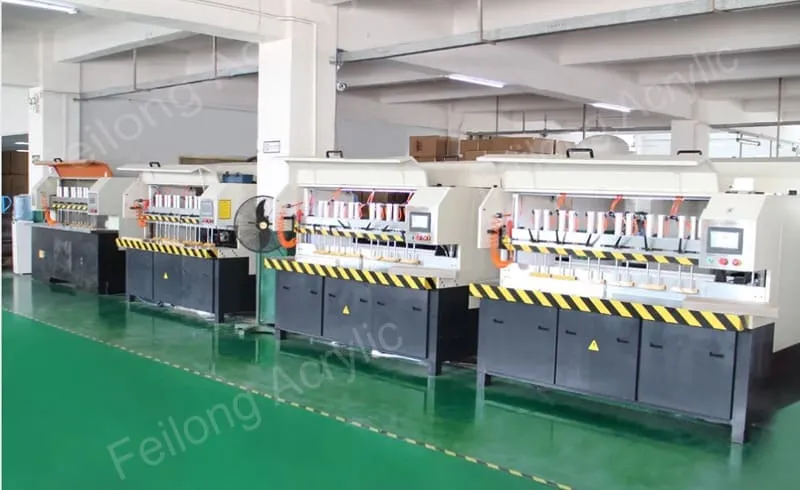
Joining acrylic is part chemistry, part craftsmanship, part patience. Thin solvents shine for tidy seams, structural cements take heavy hits, UV glues vanish under light, screws promise serviceability, and lasers push precision.
At Feilong Acrylic, we mix these tools daily to deliver custom pieces fast—without hiding scratches behind polish. If you’re mapping the next display or organizer, drop me a sketch. Let’s make joints that disappear and deadlines that don’t.