Skip to content

Last December I was stuck in Shenzhen airport with two sample boxes wedged under my arm—one corrugated, one acrylic. A stranger in line asked why anyone still bothers to custom-make packaging when stock cartons are everywhere. I laughed, then walked him through the same points you’ll read below. Custom boxes still win because they fit, protect, and sell better than the one-size crowd will admit.
We’ll draw on the strongest ideas from twenty high-ranking Google articles, sift out the fluff, and keep only what matters for real projects. Grab a coffee; let’s start.
Ready? Here’s what “custom” truly means—and why it matters.
What counts as a “custom-made box”?

I define a custom box as one built to your exact size, material, print, and functional need. Off-the-shelf cartons ship fast but rarely cradle oddly shaped goods or showcase luxury items. A true custom run begins with a dieline or CAD file, not a stock SKU.
Industries that lean hard on bespoke packs:
- E-commerce brands chasing TikTok-worthy unboxing moments.
- Retail displays—cosmetics, electronics, craft beer—where shelf space is a silent auction.
- B2B components that travel halfway across the globe and still need to pass drop tests.
When a carton becomes part of the product story, “close enough” stops working.
Let’s see what it’s made of before we talk shapes.
Core material choices
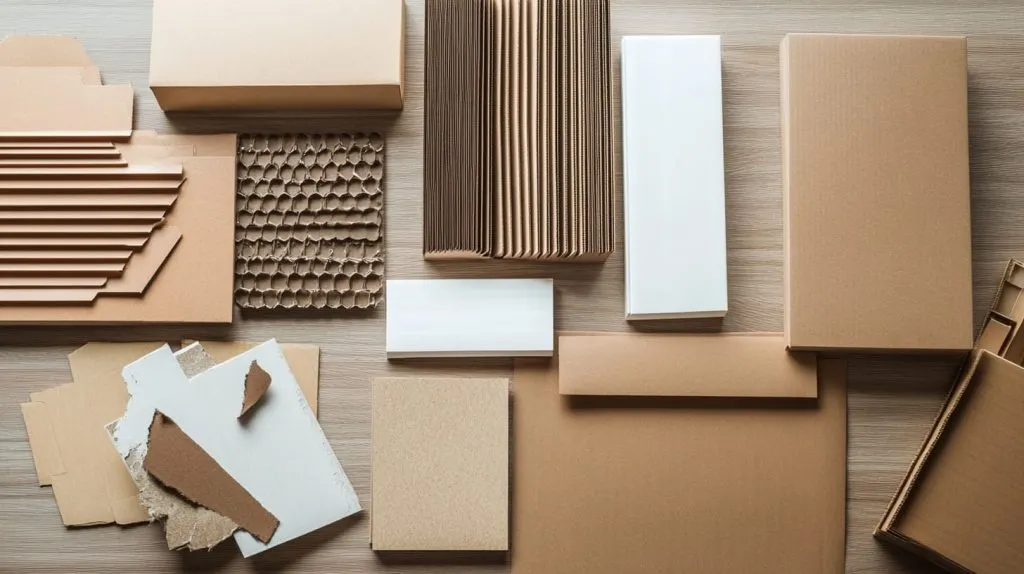
| Material | Key Strength | Typical Weakness | Best Use | Notes |
|---|---|---|---|---|
| Corrugated (B, C, E flutes) | Impact cushioning | Bulky when thick | Shipping, mailers | C flute ≈ 4 mm, E flute ≈ 1.5 mm :contentReference[oaicite:0]{index=0} |
| Rigid paperboard | Premium feel | Limited crush strength | Perfume, phone boxes | Often wrapped with art paper |
| Acrylic (PMMA) | Glass-like clarity | Higher cost | Display cases, risers | Easy CNC/laser profile |
| Specialty—wood, metal, fiber | Niche aesthetics | Added weight | Spirits, keepsakes | Good for limited runs |
Cardboard dominates freight. Paperboard rules retail glam. Acrylic shines when you want shoppers to see the goods, not the walls around them.
Shapes give these materials a job description; let’s walk through the greatest hits.
Popular structural styles
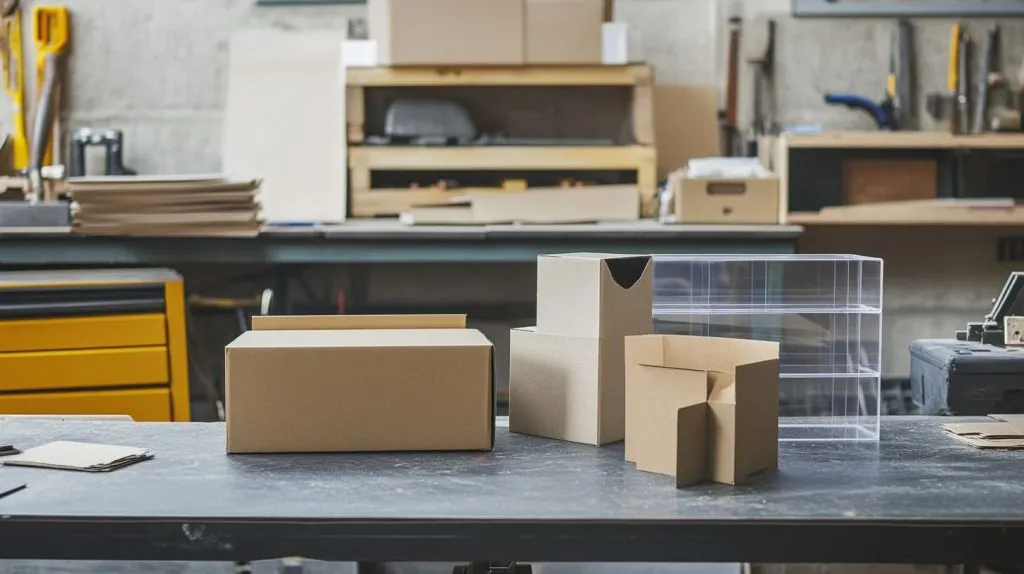
- Shipping & mailer boxes – FEFCO 0201 still rules Amazon, while roll-end tuck tops add theatre.
- Retail display boxes – Windowed cartons pull eyes; shelf-ready packs save clerks seconds.
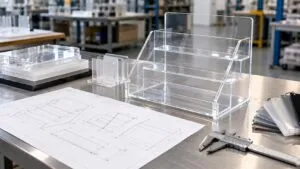
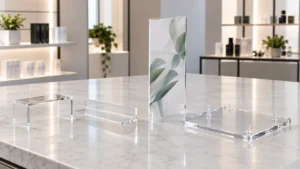
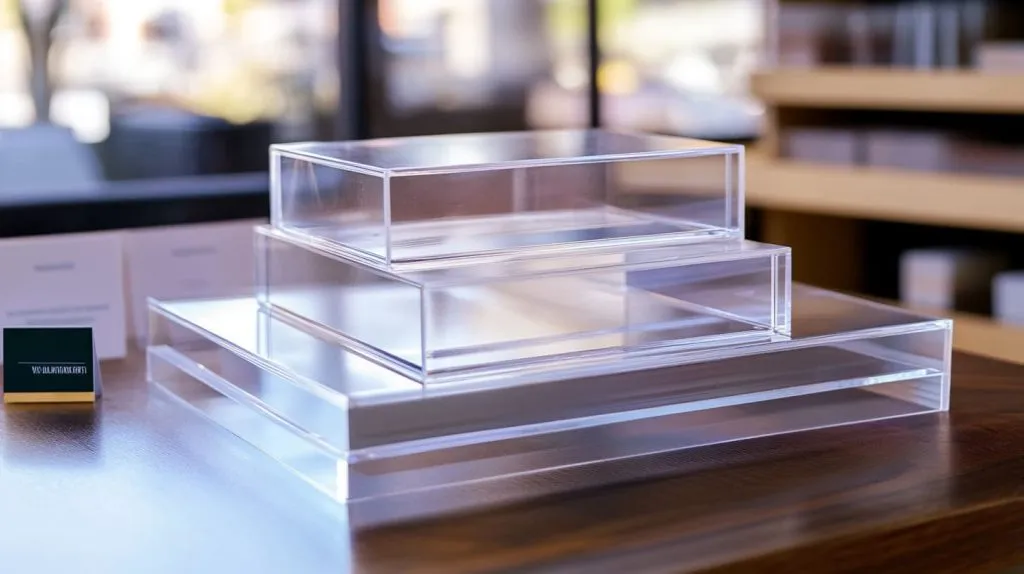
- Clear acrylic showcases – Dust-covers, risers, and hinged lids turn small products into mini-museums.
- Modular organizers – Drawer sets for craft beads, archival sleeves for trading cards.
Every style balances cost, assembly time, and storytelling. Pick early; tooling waits for no one.
Great looks die fast if the design ignores physics—next up: the make-or-break details.
Design considerations that make or break a project
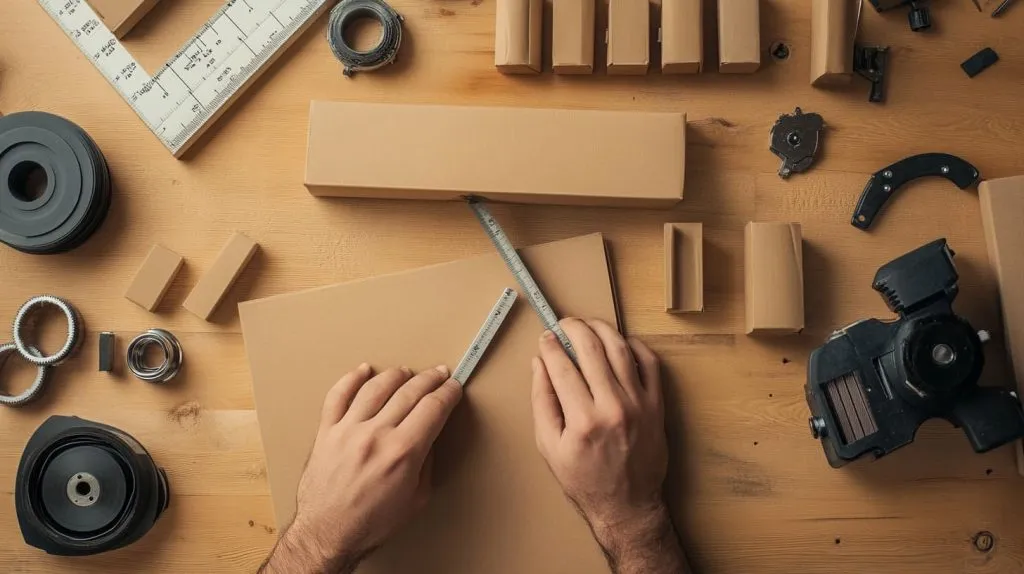
Size & protection
Measure the product, add void-fill math, then test. A flute saves pottery, E flute hugs gadgets.
Branding basics
CMYK offset, digital inkjet, foil, or spot UV? Simple art can drown in glossy varnish; sample every batch.
Ergonomics & unboxing
Thumb-notches, tear strips, magnetic lids—tiny tweaks cut return rates and earn YouTube views.
Regulatory must-dos
Food contact icons, RoHS marks, and recycling codes stop shipments from sitting in customs.
Material debates return now: how do you choose the right wall?
Choosing the right material for your goals
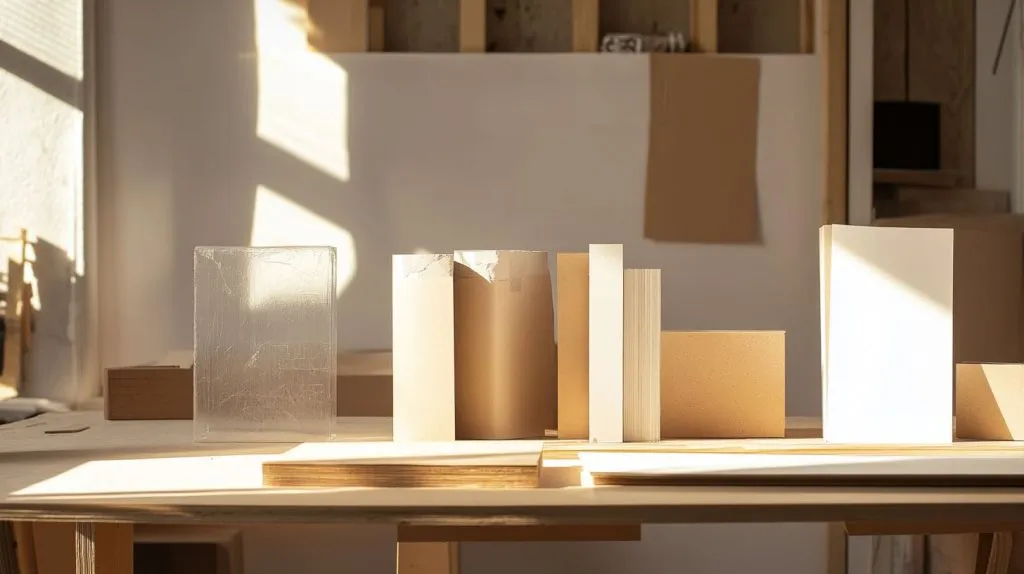
| Goal | Best Bet | Why It Wins | Trade-Off |
|---|---|---|---|
| Max strength, low cost | Double-wall corrugate | Cushions drops | Bulky |
| Luxury feel | Rigid paperboard + flock tray | High perceived value | Not crush-proof |
| Crystal clarity | Cast acrylic | Show product 360° | Higher MOQ |
| Green score | Recycled corrugate, soy ink | 99 % recycled content; low VOC ink :contentReference[oaicite:1]{index=1} | Limited gloss finish |
Always test against climate, shelf life, and shipping distance. I once watched humid air warp a gorgeous kraft mailer before it left our dock.
With material locked, the factory clock starts—what happens next?
The custom box manufacturing process in five phases
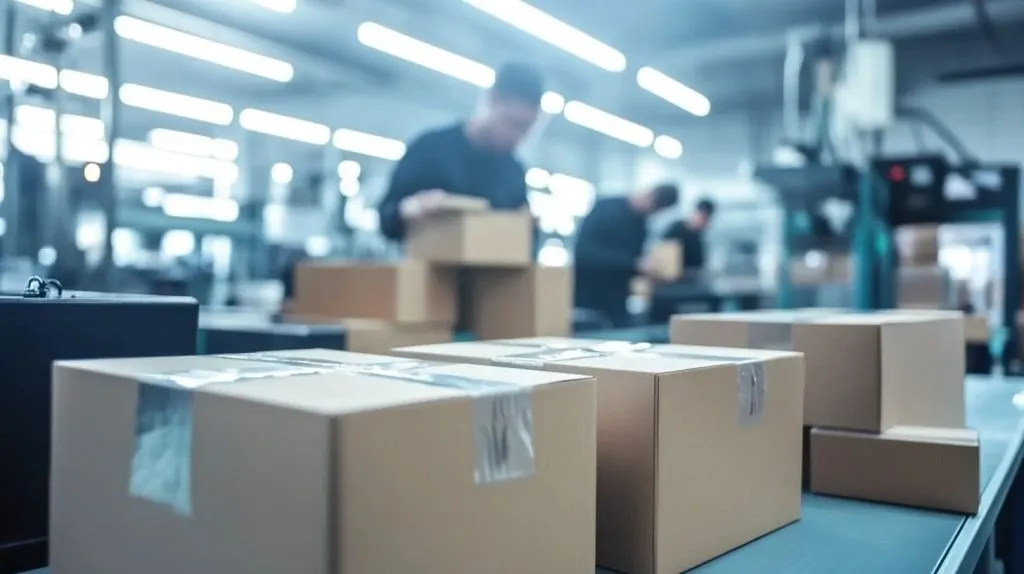
- Brief & spec sheet – dielines, 3-D mock-ups, drop height targets.
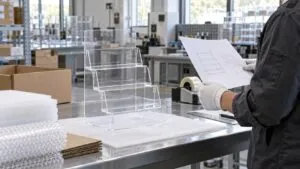
- Prototype & sampling – digital knife cutter or quick CNC to prove fit :contentReference[oaicite:2]{index=2}.
- Tooling setup – print plates, cutting dies, or acrylic molds.
- Mass production – boards score, fold, glue; acrylic sheets cut, polish, bond.
- Quality checks – ISO9001 paperwork, ISTA drop tests, color spectro scans :contentReference[oaicite:3]{index=3}.
Average acrylic showcase lead time runs 5–10 business days after approval, longer in peak season :contentReference[oaicite:4]{index=4}.
Next question every buyer whispers: “What will this cost me?”
Cost factors and budgeting tips

| Cost Bucket | Drivers | Quick Saves |
|---|---|---|
| MOQ & tooling | Die board, print cylinders | Share tooling across SKUs |
| Printing & finish | Plate count, foil, UV | Limit Pantone hits |
| Freight & duties | Dim weight, tariffs | Flat-pack designs |
| Hidden costs | Rush fees, re-prints | Approve final PDF + sample |
Typical acrylic box MOQ starts near 300 pcs; printed runs climb to 500 pcs :contentReference[oaicite:5]{index=5}.
Price is only half the story—can we keep the planet in the black too?
Sustainability and eco-friendly options
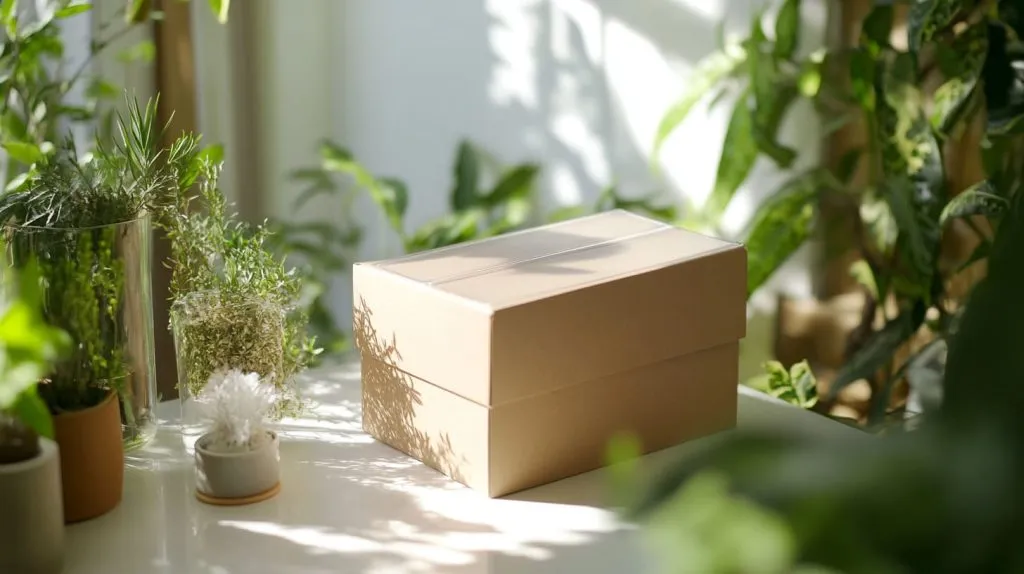
Recycled corrugate cuts virgin fiber. Soy inks dodge petroleum. Right-sizing shaves freight emissions. Clear acrylic? Make it reusable—a museum box lives for decades. When single use is unavoidable, label each material so municipal sorters don’t guess.
Eco goals set, the next step is people—the supplier you trust.
Working successfully with a supplier

What an RFQ must include
Dimensions, weight, art files, drop-test height, target budget, delivery port.
Sample loops & cadence
Plan two rounds: white dummy, then pre-production print. Keep feedback tight—48 hours max.
Lead-time truths
Add buffer for holiday peaks. Ten days on paper often means fifteen on water.
Feilong Acrylic case study
When Jacky’s team needed 5,000 clear riser boxes, we sketched, prototyped, and shipped within 23 days. How? Five in-house laser lines and a QA crew that signs off every two hours.
Even smooth projects trip over small stones—let’s spot them now.
Common pitfalls & how to avoid them
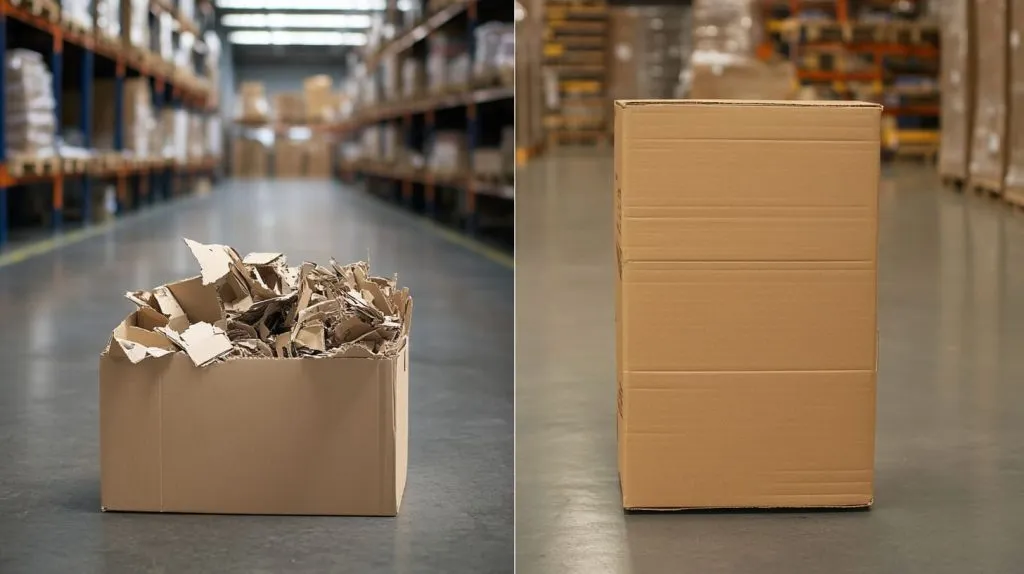
- Over-packaging – extra void space means crushed corners.
- Bad dielines – one-millimeter drift can crack acrylic seams.
- Recycling blind spots – black plastic slips past optical sorters.
- Color shift – UV inks age fast; lab-test under real light.
Spot these early, and QC looks like a victory lap.
Still have burning questions? Let’s tackle the greatest hits.
FAQs about custom-made boxes
How long do custom orders take?
Most paper runs ship in 10–15 business days; acrylic cases 5–10 after sample sign-off.
Minimum order for acrylic display boxes?
We start at 300 plain, 500 with print.
Can I match retail packaging with an acrylic showcase?
Yes—provide the carton art; we align color and size across both lines.
How are drop and crush tests done?
ISTA protocols drop samples from set heights and press walls until failure. Results guide flute choice.
One last sip of coffee; time to wrap up.
conclusion
Key takeaways
Custom boxes earn their keep when they fit your product, carry your story, and survive the trip. Material, design, and process choices ripple straight into cost and carbon.
Next steps
- Download my sampling checklist—measure twice, cut once.
- Use the supplier interview template to test response speed, not just price.
See you on the factory floor.