Skip to content
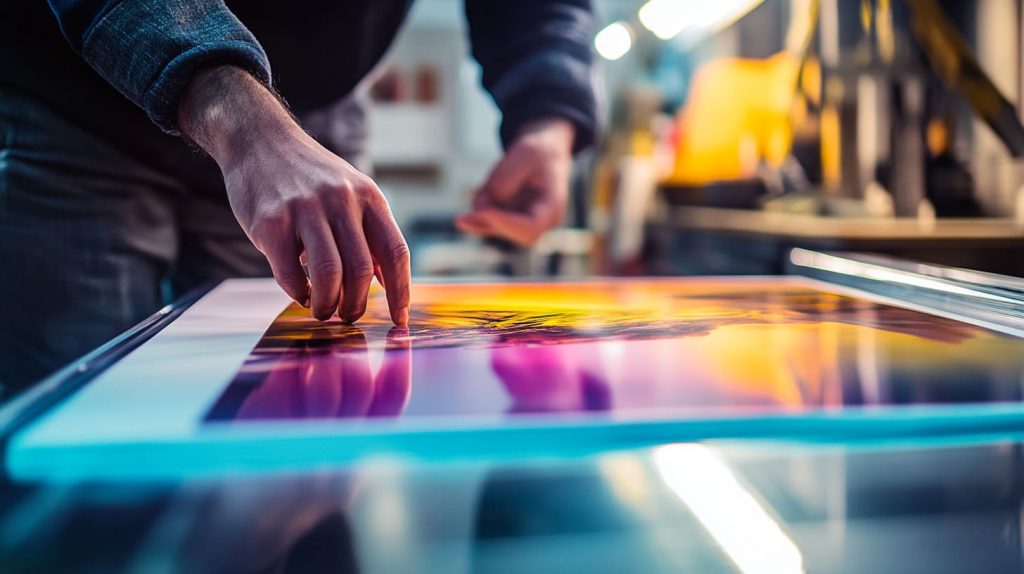
Walk into our production floor on an ordinary Tuesday. A technician eases a freshly printed photograph beneath a crystal-clear acrylic sheet, and the overhead LEDs ignite every color like neon. Visiting designers lean closer, half expecting the image to lift off the workbench. That small gasp—“It looks like it’s floating”—captures why acrylic prints command attention while paper, canvas, and even metal hustle to keep up.
Acrylic adds depth, clarity, and surprising lightness, yet the medium also raises questions about cost, care, and fit. So, is the extra sparkle worth it for your next gallery wall or retail rollout? Let’s unpack the differences step by step.
Ready? First, we should pin down exactly what an acrylic photo print is.
What Are Acrylic Photo Prints?

Definition and Production Methods
I like to break acrylic printing into two camps: face-mounting (where the image is printed on high-grade paper, then bonded to the back of an acrylic sheet) and direct-print UV (where ink cures directly on the acrylic). Both start with a solid sheet of PMMA, but the chemistry of the ink, adhesive, and even curing lamps decides the final look. In my workshop, face-mounting still wins for pure depth, yet direct-print’s speed helps us hit tight B2B deadlines.
Face-Mounted vs. Direct-Print Acrylic
| Aspect | Face-Mounted | Direct UV Print |
|---|---|---|
| Color Depth | Very high—light refracts through acrylic onto underlying paper | High—ink sits on surface |
| Production Speed | Slower (lamination + cure) | Faster (single pass) |
| Cost | Higher | Moderate |
| Best For | Galleries, luxury homes | Retail décor, fast rollouts |
After years of tests, I’ve learned that face-mounts age better, but UV prints survive rough shipping with fewer surface scratches—vital when pallets cross oceans.
Curious how acrylic’s glamorous cousin—“ordinary” prints—fare? Let’s zoom out.
What Are “General” Photo Prints?

Traditional Paper (Photo & Fine-Art) Prints
Classic silver-halide paper or giclée cotton rag still dominate portfolios. They’re light, inexpensive, and easy to frame, but the surface remains vulnerable to fingerprints, humidity, and UV fade.
Canvas Wraps
Canvas brings texture. I love its painterly vibe, yet stretched fabric can sag over time. In humid Toronto summers, Jacky once spotted waves forming on a gallery canvas only six months after hanging.
Metal, Wood & Other Specialty Substrates
Metal dyes infuse into aluminum; wood prints show natural grain. Each claims a niche, though none match acrylic’s glass-like depth.
Acrylic’s story, though, starts with the raw material itself—so let’s touch it, tap it, and compare.
Material Composition & Surface Finish
Acrylic (Plexiglass) Properties
Acrylic is PMMA, about half the weight of glass and up to 92 % light transmission. It can be optically polished, flame-treated, or anti-glare coated.
Common Paper & Canvas Properties
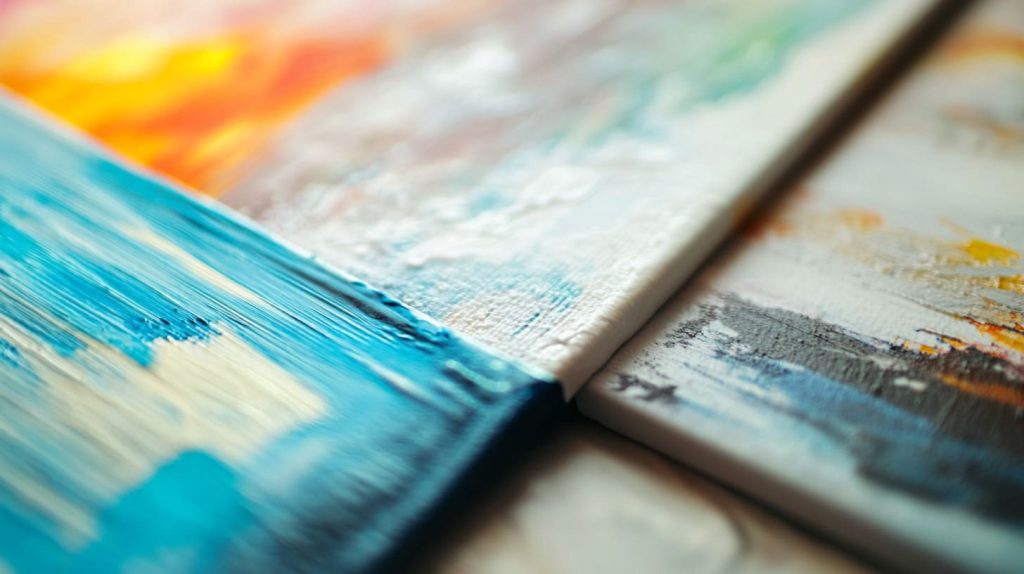
Photo paper relies on cellulose fibers; canvas blends cotton and polyester. Both absorb ink rather than refract light.
Gloss, Matte, and Texture Comparison
| Finish | Acrylic | Paper | Canvas |
|---|---|---|---|
| High-Gloss | Mirror-like, depth boost | Possible, prone to glare | Rare |
| Matte | Requires coating, reduces pop | Common | Standard |
| Texture | Smooth | Slight tooth | Heavy weave |
A flash of color sells a print, but the human eye also craves depth—let’s see where acrylic truly shines.
Visual Impact: Color, Depth & Clarity
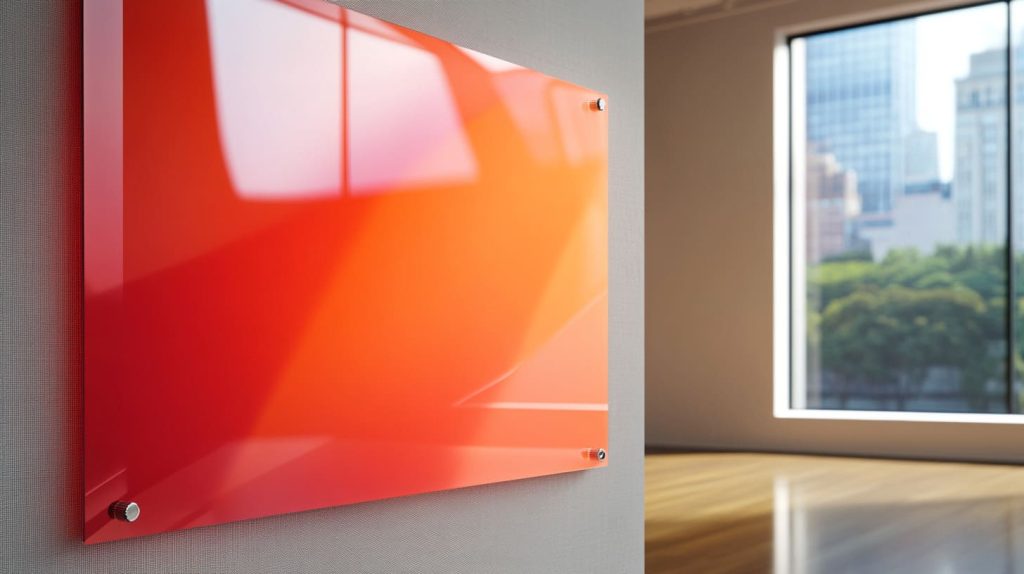
Expanded Color Gamut & Vibrancy
When light passes through acrylic, it bounces off the print and back to your eyes, amplifying saturation. I often joke that it’s like turning the monitor brightness to “11.”
Depth Perception and 3-D Effect
That extra millimeter of clear material creates a subtle parallax. Stand off-axis and highlights shift—an effect paper simply can’t mimic.
Sharpness and Fine-Detail Rendering
Because the surface is rigid, there’s no micro-waviness. Lines stay crisp, vital for architectural shots Jacky sources for retail displays.
But what good is beauty if it fades? Time to test resilience.
Durability & Protection

UV Resistance and Fade Prevention
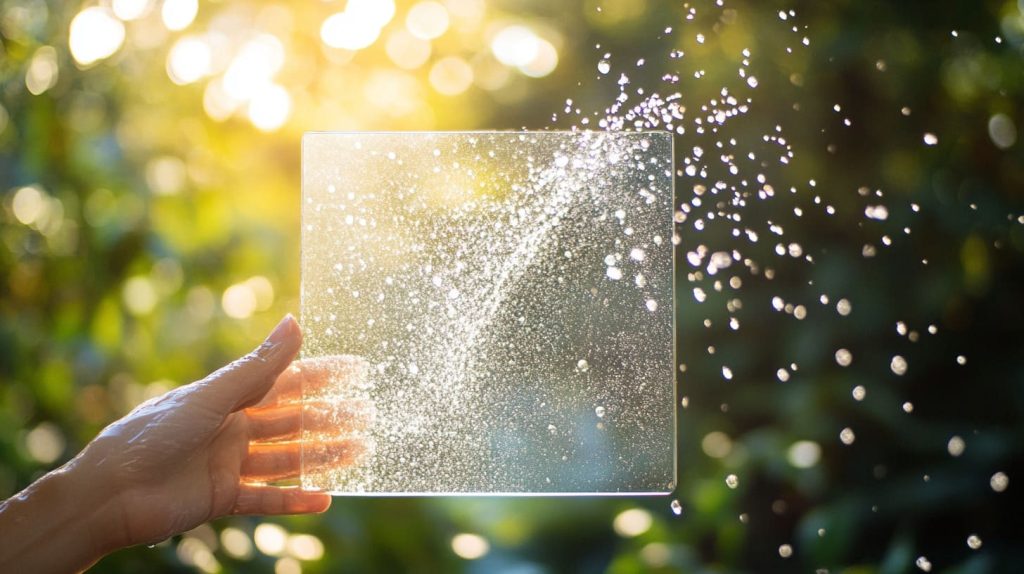
Premium acrylic blocks ~98 % of UV. Paired with archival pigment inks, colors survive decades in storefront windows.
Moisture & Humidity Resistance
Unlike cellulose, acrylic doesn’t wick water. I’ve hosed down test panels—colors stayed put.
Scratch & Impact Resistance
While tougher than glass, acrylic can still scuff. We add a hard-coat layer for high-traffic installs.
Archival Longevity Expectations
| Medium | Display Life (indoors, no direct sun) |
|---|---|
| Face-Mounted Acrylic | 60–80 years |
| UV Acrylic | 40–60 years |
| Paper under glass | 25–50 years |
| Canvas | 20–40 years |
Durability links to how thick—and heavy—the piece is, which matters to every installer I know.
Weight, Thickness & Handling
Typical Panel Thickness Options
Most of our B2B orders land at 3 mm or 6 mm. Luxury projects flirt with 12 mm blocks for that aquarium-window vibe.
Weight Comparison With Glass-Framed Prints
A 24″×36″ acrylic face-mount (6 mm) weighs roughly 4 kg—lighter than the same print behind glass and frame (~6 kg).
Transport and Installation Practicalities
Fewer kilograms mean lower shipping costs. Still, acrylic scratches, so we ship with PE film, corner guards, and custom crates.
Once out of the crate, how you mount it determines the final wow factor—let’s hang it up.
Mounting & Display Options
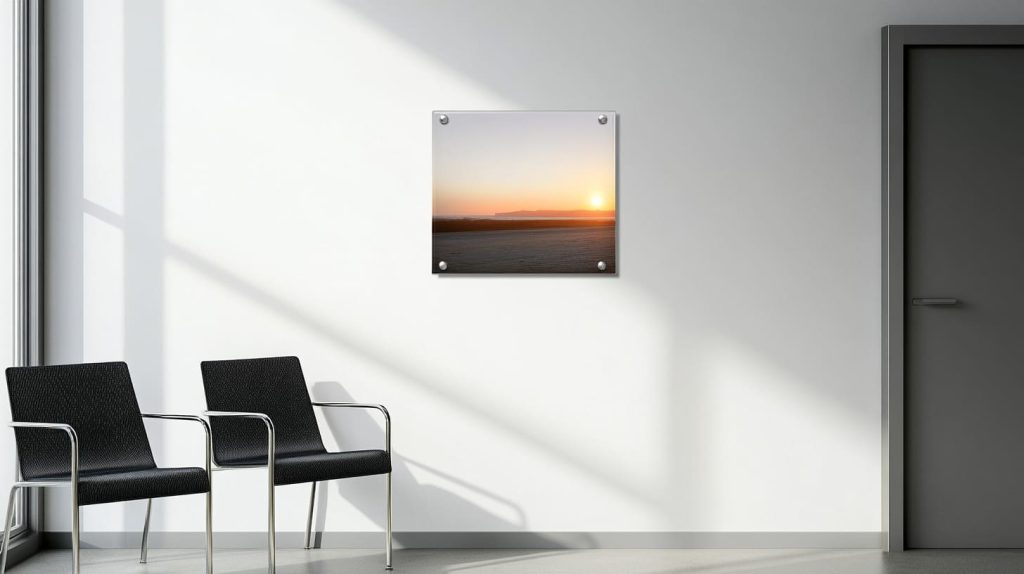
Frameless “Floating” Standoff Mounts
Four brushed-steel bolts hold the piece 1 inch off the wall, casting a shadow halo.
Back-Frame or French-Cleat Systems
Aluminum cleats hide behind the panel, keeping walls clean—Jacky’s go-to for corporate lobbies.
Framing Needs for Paper & Canvas Prints
Paper begs for matting and glass; canvas needs a stretcher bar. Both add steps, cost, and weight.
Speaking of cost—let’s put numbers on the table.
Cost Considerations

Production-Cost Breakdown by Medium
| Component | Acrylic | Paper | Canvas |
|---|---|---|---|
| Material | $$$ | $ | $$ |
| Ink/Coating | $$ | $$ | $ |
| Mounting Hardware | $$ | $ | $$ |
Typical Retail Price Ranges
Acrylic tends to run 2–4× the price of a framed paper print of the same size.
Key Cost Drivers (size, coating, hardware)
Bigger sheets require thicker material; anti-glare coats add 15 %. Skip the standoffs, and you might shave off 10 %.
So when does acrylic justify those extra dollars? Let’s match medium to mission.
Ideal Use Cases & Aesthetic Fit
Art Galleries, Corporate Lobbies & Retail Spaces
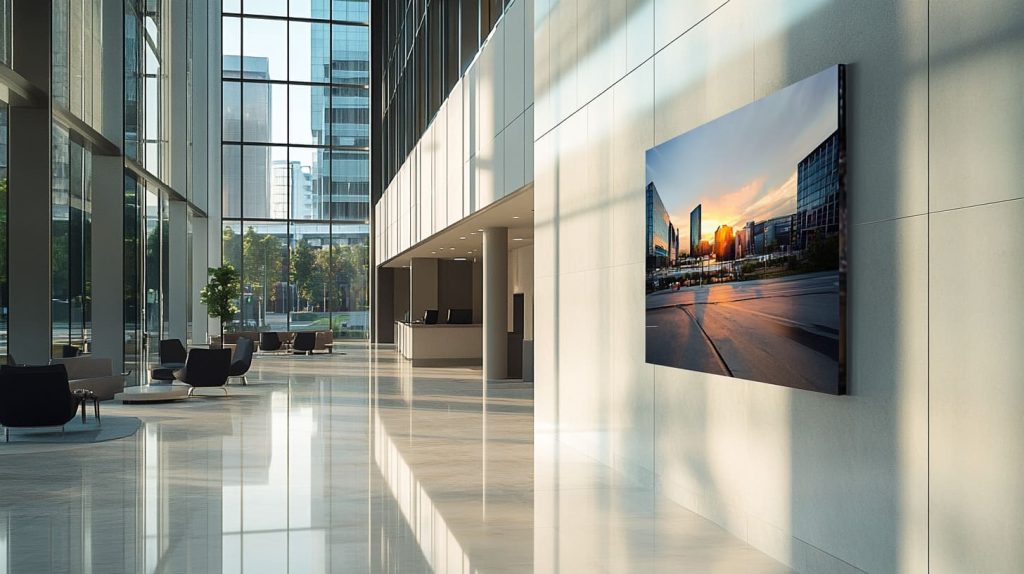
Acrylic’s polish screams professionalism. I’ve seen executives stop mid-corridor just to trace reflections with their eyes.
Modern vs. Traditional Home Décor Styles
Minimalist condos love frameless panels. Rustic cottages? Maybe stick to canvas for that cozy vibe.
Professional Photography Portfolios & Exhibitions
Travel shooters crave color pop; wedding pros want timeless keepsakes. Acrylic delivers both in spades.
Gloss fades without care—let’s grab the microfiber cloth.
Maintenance & Care
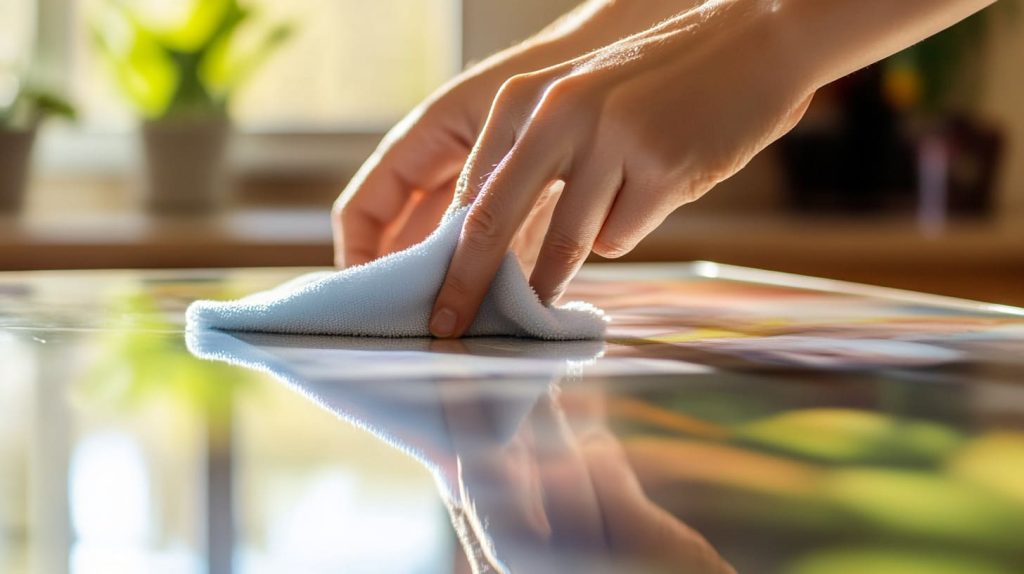
Safe Cleaning Methods for Acrylic
Use a damp, lint-free cloth with mild soap. Never touch paper towels—those wood fibers scratch.
Handling & Protecting Paper or Canvas Prints
Paper needs gloves; canvas hates sharp corners. Both benefit from UV glass if sunlight is unavoidable.
Beyond our walls, the planet listens—what’s the footprint here?
Environmental Impact
Material Sustainability & End-of-Life Options
PMMA is recyclable as acrylic regrind, though infrastructure varies by region. In my factory, scraps become brochure holders.
VOCs, Inks and Eco-Friendly Printing Choices
We run low-VOC UV inks and water-based adhesives. Paper prints can choose FSC-certified stock, yet still need glass framing—more mass, more shipping emissions.
All threads tie back at the finish line.
Conclusion
When I stand in front of a finished acrylic print, I feel the scene lean toward me, almost asking to step out of the panel. Paper feels nostalgic; canvas feels warm; metal feels bold. Acrylic, though, feels alive. It costs more, weighs less, shines brighter, and—when treated with respect—endures longer than most of its rivals.
For Jacky, and for anyone juggling budget, brand image, and durability, the choice isn’t about which medium is best in a vacuum. It’s about matching material to message. If your story thrives on color, depth, and a touch of modern confidence, acrylic might just be the stage it deserves. And if you need a factory that knows its way around a laser edge polish and a tight deadline? You know where to find us at Feilong Acrylic.