Skip to content
I used to guess plastic types by look and feel—until one batch failed mid-production.
The best way to identify plastic types combines sight, texture, recycling codes, and burn or solvent tests—each revealing unique traits.
Sometimes you don’t need a lab coat to get answers—but you do need to look closer, and think like a detective.
How to identify recycled plastic?
Recycled plastic is trickier than it sounds. I once had a shipment of display stands warp overnight because the plastic mix wasn’t what I expected.
Recycled plastic often looks cloudy, has inconsistent texture, and lacks clear labeling—testing is the only way to be sure.
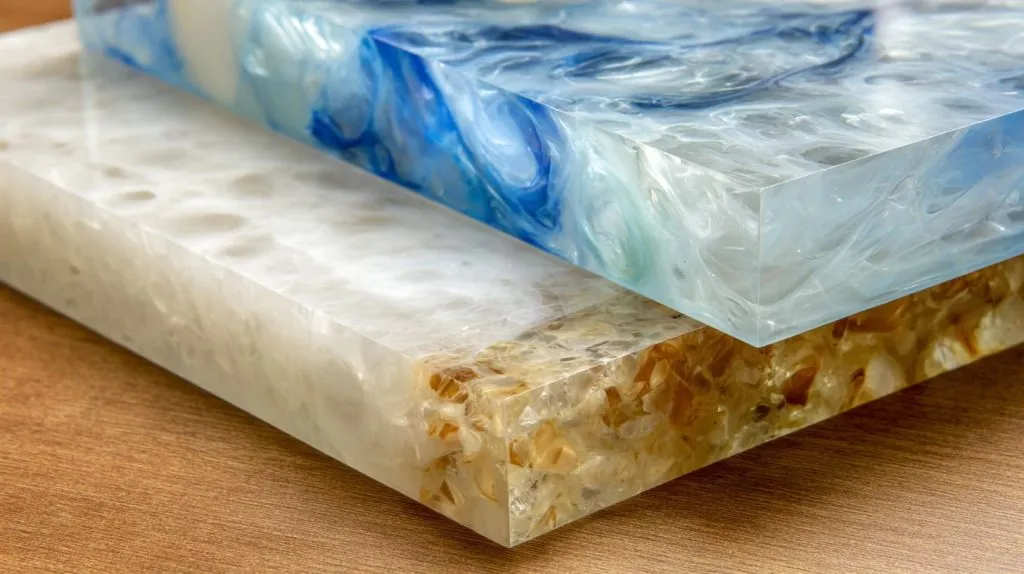
🔍 Visual clues + melt behavior
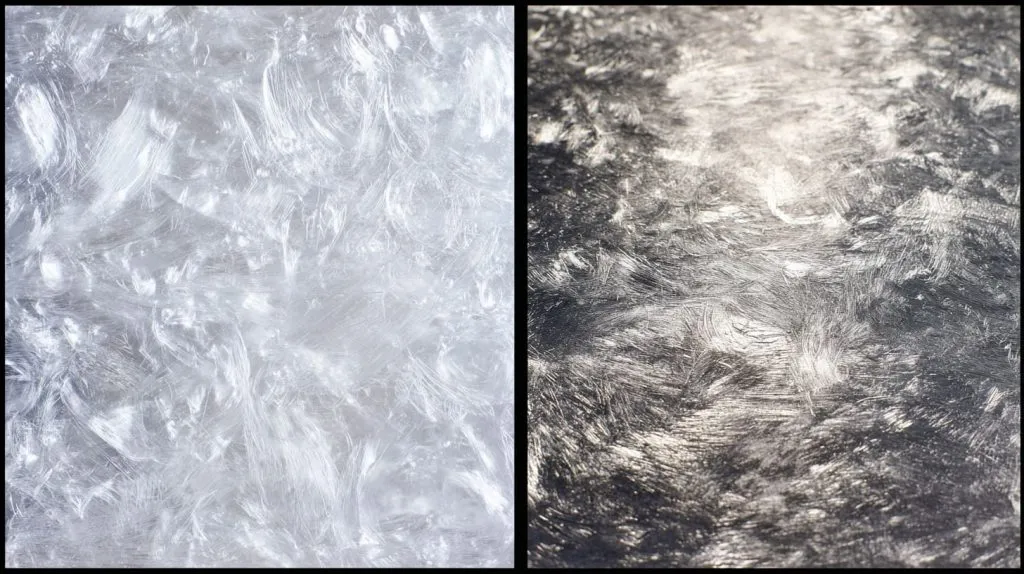
- Visual signs: Recycled materials may have swirls, bubbles, or faint discoloration.
- Behavior during cutting/heating: Melts unevenly, gives off stronger odor than virgin plastic.
| Type | Clarity | Texture | Notes |
|---|---|---|---|
| Virgin Acrylic | Clear | Smooth, glossy | Burns clean, sharp edges |
| Recycled Acrylic | Cloudy | Slightly uneven | Can deform faster under heat |
It’s not always obvious—but recycled plastic has tells, if you know where to look.
How can you identify different types of plastic by sight and touch?
There’s an art to this. I’ve learned to tell ABS from PETG just by how my fingers glide over the surface.
Different plastics have unique gloss, flex, and surface textures—PETG is slick, polycarbonate is tough, HDPE feels waxy.

👁️🗨️ What your eyes and hands reveal
- Gloss level: Acrylic and PETG shine more than HDPE.
- Flexibility: ABS is rigid but not brittle; LDPE bends easily.
- Feel: Polycarbonate has a "dense" feel; HDPE feels light and slightly soft.
Pair this method with a lighter or solvent test and you'll almost always get it right.
What do the plastic recycling codes (1–7) really mean?
I used to treat those numbers like checkboxes—until I realized they held clues about processing temps, chemical resistance, and recyclability.
Codes 1–7 are shortcuts for polymer types—like PET, HDPE, or PP—and guide sorting, recycling, and reprocessing.
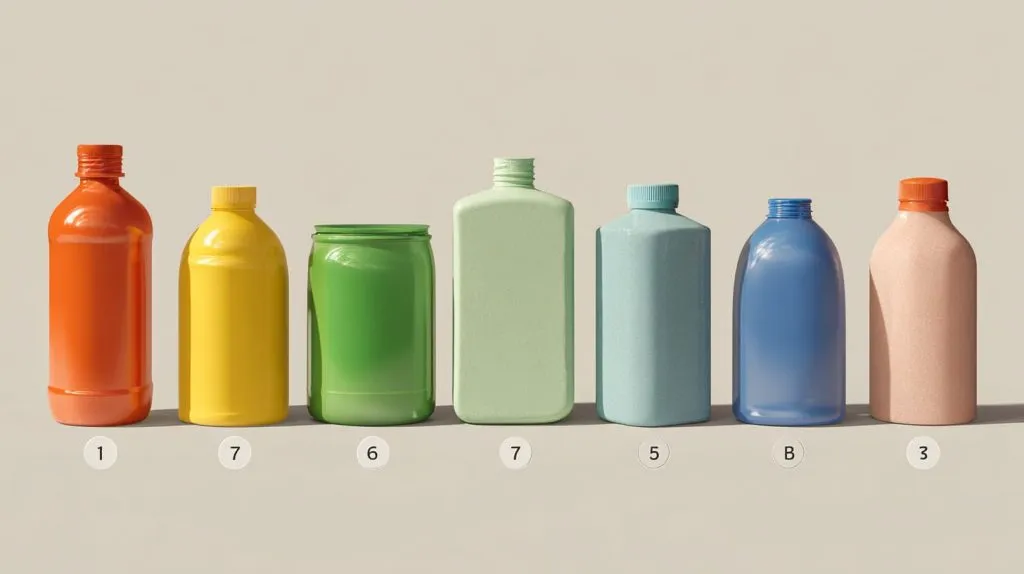
♻️ Quick guide to recycling codes
| Code | Material | Common Use | Easy to Recycle? |
|---|---|---|---|
| 1 | PET | Water bottles | ✅ Yes |
| 2 | HDPE | Milk jugs, pipe | ✅ Yes |
| 3 | PVC | Piping, siding | ❌ No (toxic) |
| 4 | LDPE | Grocery bags | ❌ Limited |
| 5 | PP | Food containers | ✅ Yes |
| 6 | PS | Foam, disposable cups | ❌ Rarely |
| 7 | Other/Mix | PC, Bioplastics, etc. | ⚠️ Varies |
These numbers don’t just help consumers—they're critical for manufacturers too.
How do professionals test plastic types in a lab setting?
At one point, I considered investing in a desktop FTIR just to stop guessing on large-batch orders.
Professionals use spectrometry, melt flow index tests, and density analysis to determine plastic types with precision.
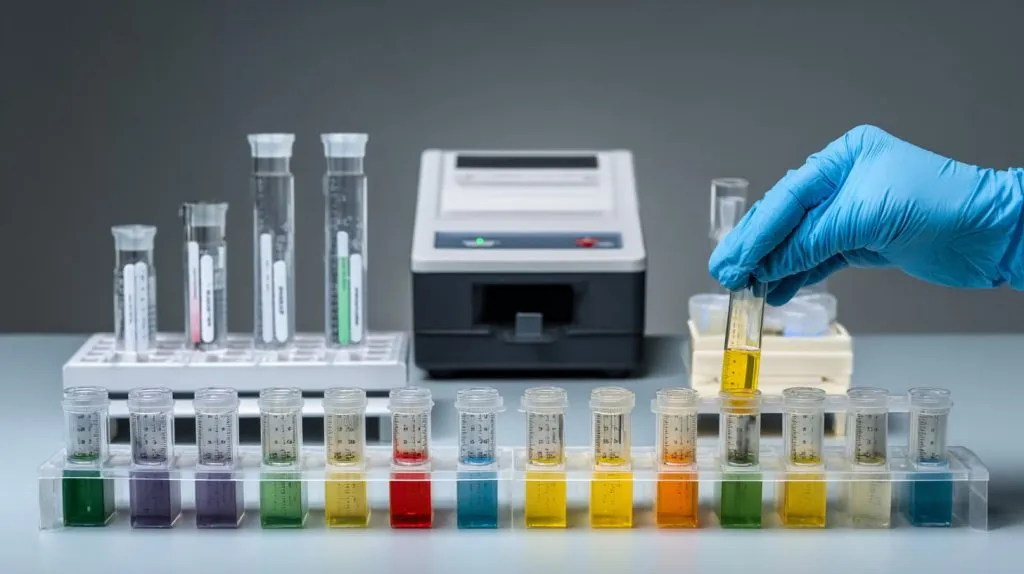
⚗️ Real lab tests and what they show
- FTIR (Fourier-transform infrared spectroscopy): Identifies chemical bonds, shows exact polymer.
- MFI (Melt Flow Index): Measures how plastic flows—important for injection molding settings.
- Density tests: Float/sink method in known liquids to quickly separate types.
Expensive? Yes. Worth it when errors cost thousands? Absolutely.
Can you tell acrylic apart from polycarbonate or PETG easily?
This was the question that haunted me the most in my early days. They all looked clear and shiny—until one cracked under load.
Yes—acrylic scratches easily, polycarbonate bends, PETG feels smoother and cuts cleaner.
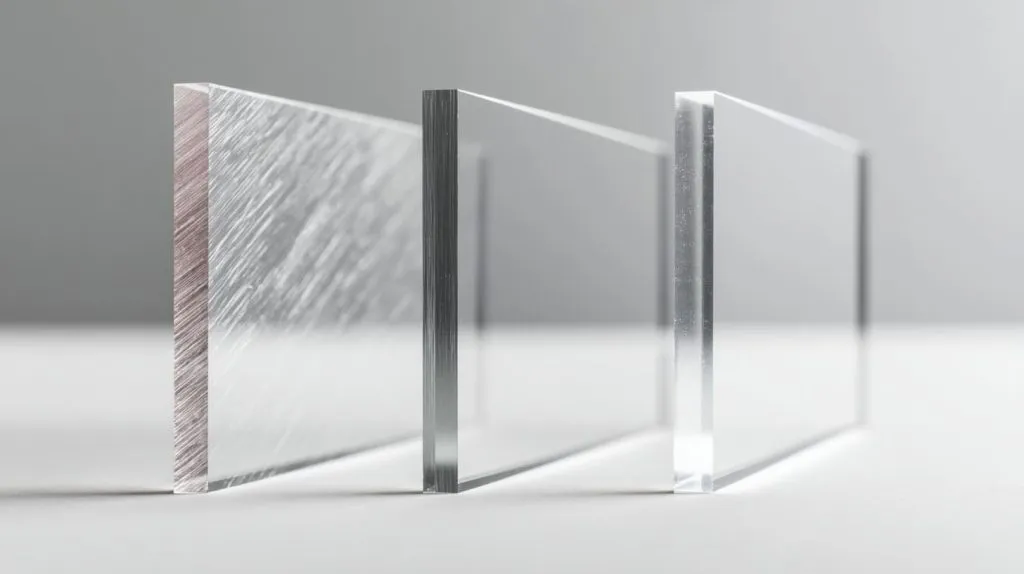
🧪 Practical ways to compare
| Property | Acrylic | Polycarbonate | PETG |
|---|---|---|---|
| Scratch Test | Scratches easily | Tougher | Medium |
| Flexibility | Brittle | Flexible | Semi-flex |
| Solvent Weld | Bonds well | Poor bonding | Bonds OK |
| Clarity | Excellent | Good | Very good |
When I have doubts, I use a flame test or solvent dab as backup.
Is there a simple test to identify plastic types at home or in the factory?
I’ve done this in factory corners with a lighter and a spoon. It works when you know what you're looking for.
Yes—simple burn, float, and solvent tests help identify plastic types without fancy tools.
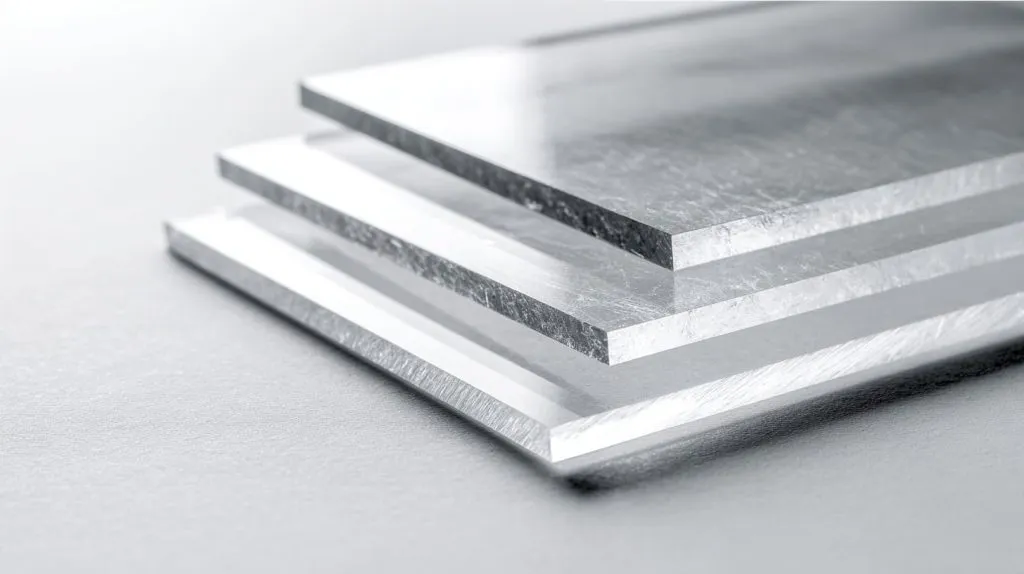
🔥 DIY tests for quick ID
- Burn test: Observe flame color, drip behavior, and smell.
- Solvent test: Dab with acetone or MEK to test for softening.
- Float test: Drop small sample in water, alcohol, or oil.
They’re not perfect—but they’re better than guessing.
How does the burn test help identify plastic materials?
Some call it primitive—I call it practical. I've saved multiple batches just by lighting a corner.
The burn test shows flame color, smoke, odor, and melting behavior—each plastic reacts differently.
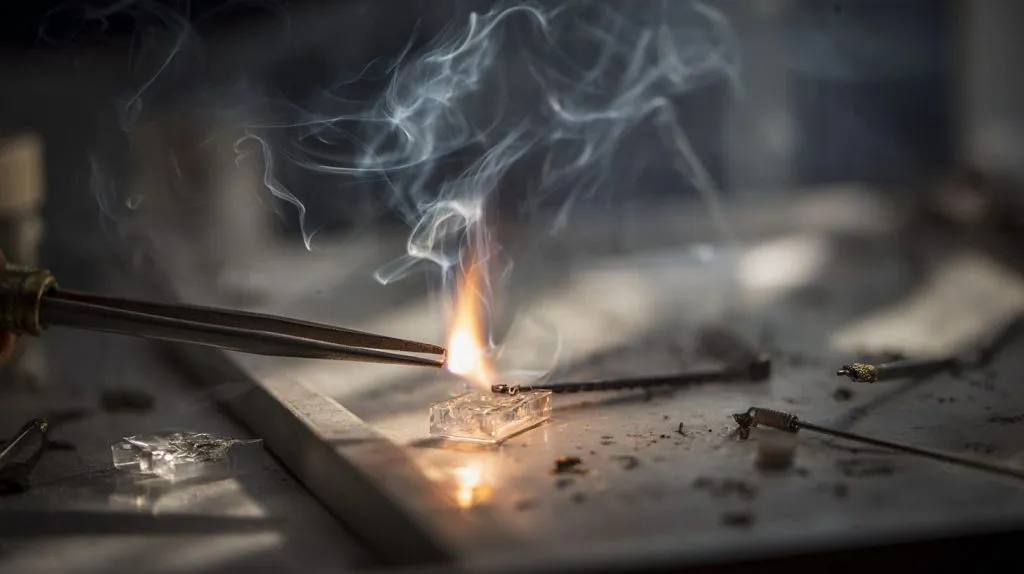
🔬 Burn test reference guide
| Plastic | Flame Color | Smell | Behavior |
|---|---|---|---|
| PE/PP | Blue/yellow | Candle-like | Drips, waxy melt |
| PVC | Green tint | Sharp, pungent | Self-extinguishing |
| PS | Yellow | Sweet | Black smoke |
| Acrylic | Blue | Fruity | Clean burn |
| PC | Yellow | Aromatic | Char, no drip |
It’s old-school—but still in every professional’s toolkit.
Why does knowing the plastic type matter in manufacturing and recycling?
I once had a mold crack because the customer gave me the wrong material spec. That taught me fast.
The plastic type affects cutting, bonding, molding, and even safety—it’s the backbone of good design and smooth production.
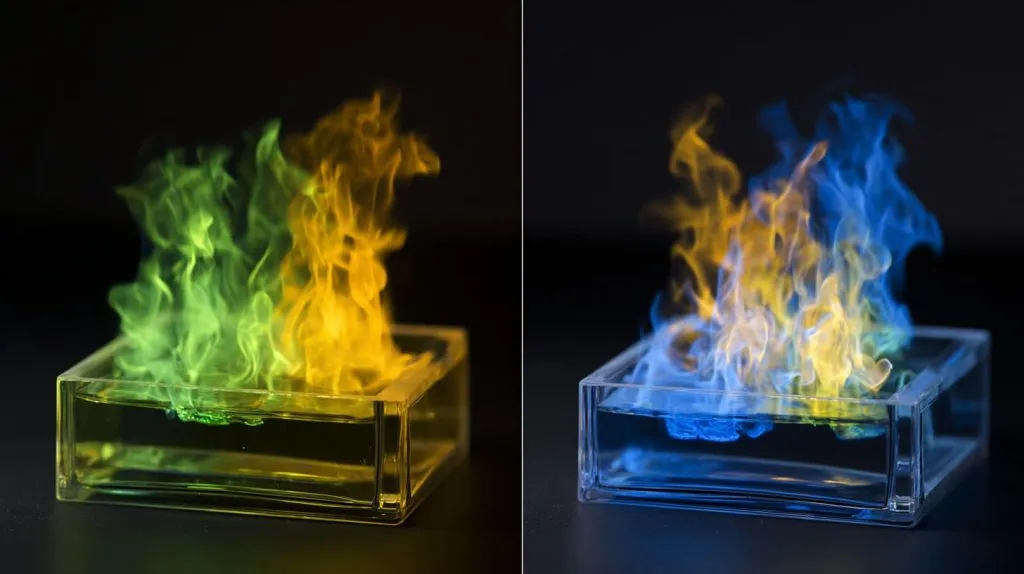
🛠️ When ID mistakes cost money
- Processing temp mismatch: Melts too early or too late.
- Bonding issues: Glues fail or discolor.
- Recycling problems: Mixed materials ruin batches.
If you're serious about quality or sustainability, this knowledge isn’t optional.
What tools or kits are available for plastic identification?
When I scaled production, I started using handheld testers to avoid surprises.
There are handheld FTIR tools, burn test kits, density testers, and solvent sets that help identify plastics.
🧰 Tool types and when to use them
| Tool Type | Use Case | Approx. Cost |
|---|---|---|
| Burn test kit | Quick ID on-site | $10–$30 |
| FTIR analyzer | Lab-grade confirmation | $1000+ |
| Density column kit | Separate float/sink plastics | $80–$200 |
| Solvent swab set | Spot testing bonding behavior | $10–$50 |
For small teams or custom shops like mine, even a couple of these can boost confidence.
Conclusion
Plastic may look alike—but if you’re building with it, guessing isn’t enough. Knowing what you’re handling protects your work and your wallet.