Skip to content
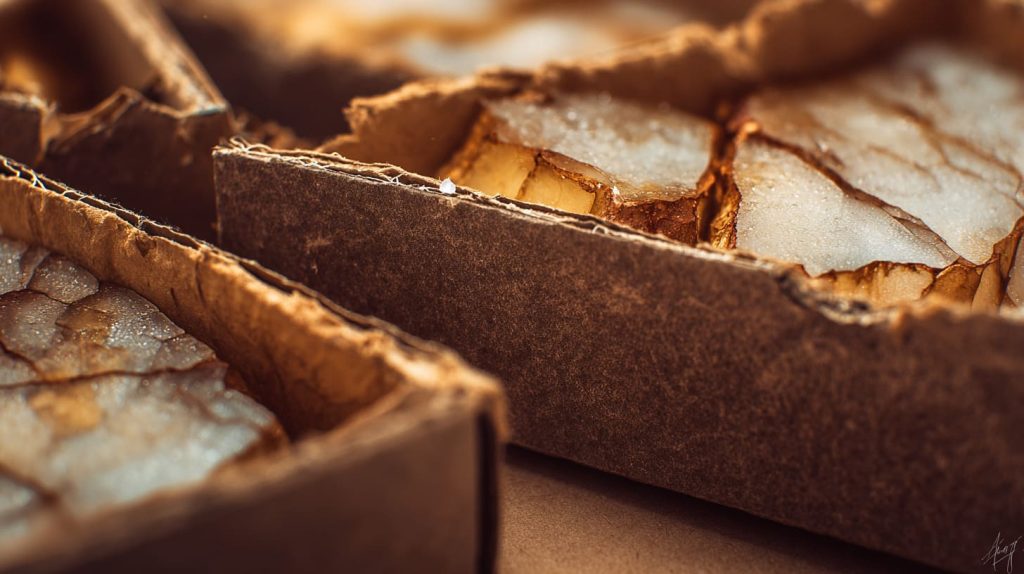
The first time I ordered acrylic boxes from China, I thought I had done enough homework. The supplier’s website looked polished, the price was low, and the salesperson spoke English well. But when the shipment arrived, the edges were rough, the acrylic was cloudy, and half the boxes were cracked during transit. That mistake cost me both money and my client’s trust.
Finding a reliable factory is not just about saving costs. It’s about protecting your reputation, meeting deadlines, and keeping your business moving. This guide is for people like Jacky—a seasoned procurement professional who has walked through Chinese factory floors more than once and knows the difference between talk and proof.
By the end, you’ll have a clear checklist to avoid common traps and find the kind of partner you can build on.
How to Define Your Requirements Clearly
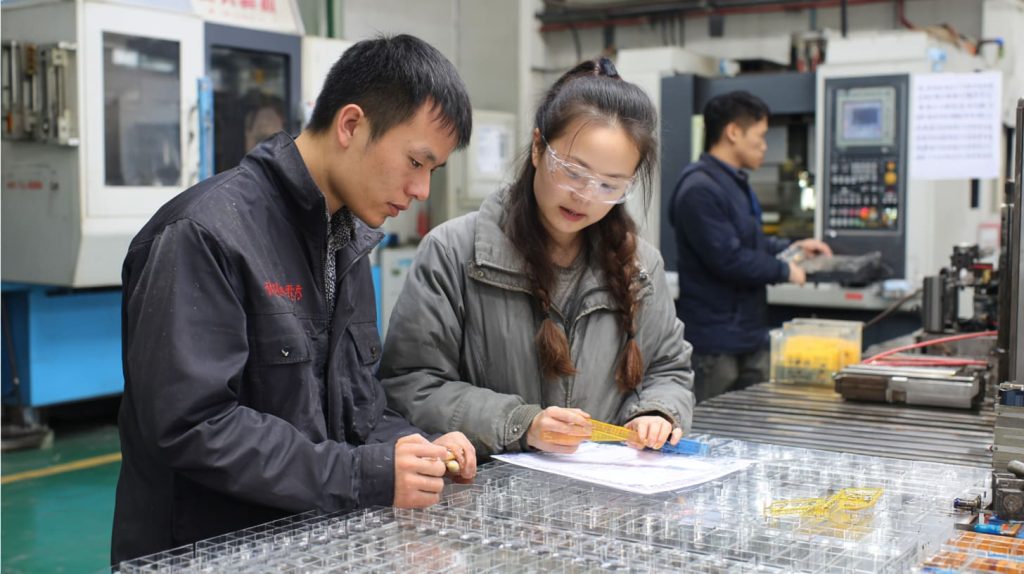
When I first visited a factory in Dongguan, the engineer asked me about the acrylic’s tolerance. I froze. I hadn’t thought about it. That day I learned: if you don’t define your needs, the factory will decide for you—and you may not like the outcome.
Clarify your product specs
Details matter more than people realize. Dimensions that are off by a single millimeter can mean lids won’t close. Cast acrylic gives you better clarity, while extruded is cheaper but scratches easily.
| Feature | Option | Pros | Cons |
|---|---|---|---|
| Acrylic type | Cast | High clarity, durable | Higher cost |
| Acrylic type | Extruded | Affordable, consistent | Easier to scratch |
| Finish | Polished edges | Premium look | Longer lead time |
| Finish | Saw-cut edges | Lower cost | Rough, less professional |
Logos, hinges, and locks add value but also complexity. If you want engraving, ask how deep it can go and how consistent the lines are.
Volume, lead time & scalability expectations
Factories love large orders, but not every supplier can scale. I once dealt with a factory that managed small batches well but fell apart when my order doubled. Always test their ability to expand.
Packaging, shipping terms & after-sales warranty
Acrylic is fragile. If the supplier saves a few cents on packaging, you may lose thousands on broken goods. Always confirm if they provide protective films, foam, and sturdy cartons.
A clear definition of needs avoids endless back-and-forth. Now, how do you actually find these factories?
Methods to Locate Potential Factories / Suppliers
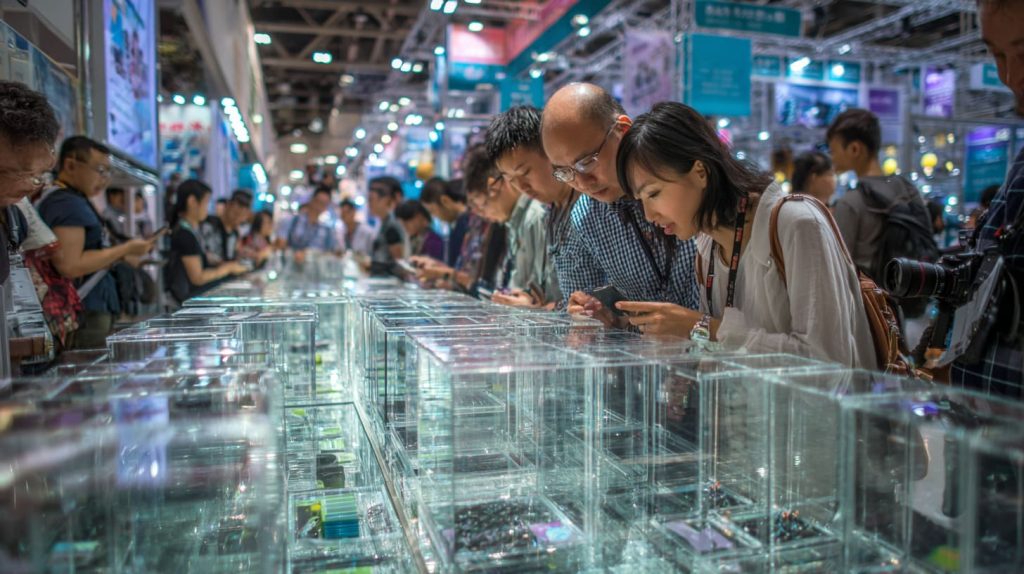
I used to think scrolling Alibaba listings was enough. But after years of sourcing, I learned that finding a factory is like dating—you need to see them in different contexts before making a commitment.
Online sourcing platforms & directories
Websites like Alibaba, Made-in-China, and Globalsources are useful, but filters are your best friend. Look for gold suppliers, transaction records, and photos of actual workshops instead of just glossy catalogs.
Industry trade shows & exhibitions
The Canton Fair and Guangzhou Display Fair are treasure maps. I remember standing at a booth, holding a sample, and realizing in ten seconds that the workmanship was far better than what I had seen online. Trade shows let you touch before you trust.
Peer recommendations, industry forums, B2B networks
LinkedIn groups and procurement forums have saved me more than once. A quick question about a supplier often leads to honest stories—good and bad.
Local agents or sourcing companies
For buyers new to China, a sourcing agent is like a guide in a foreign city. They speak the language, understand the paperwork, and can spot red flags faster than you.
Still, finding factories is only the start. The real test is in vetting them.
How to Vet & Qualify Factories
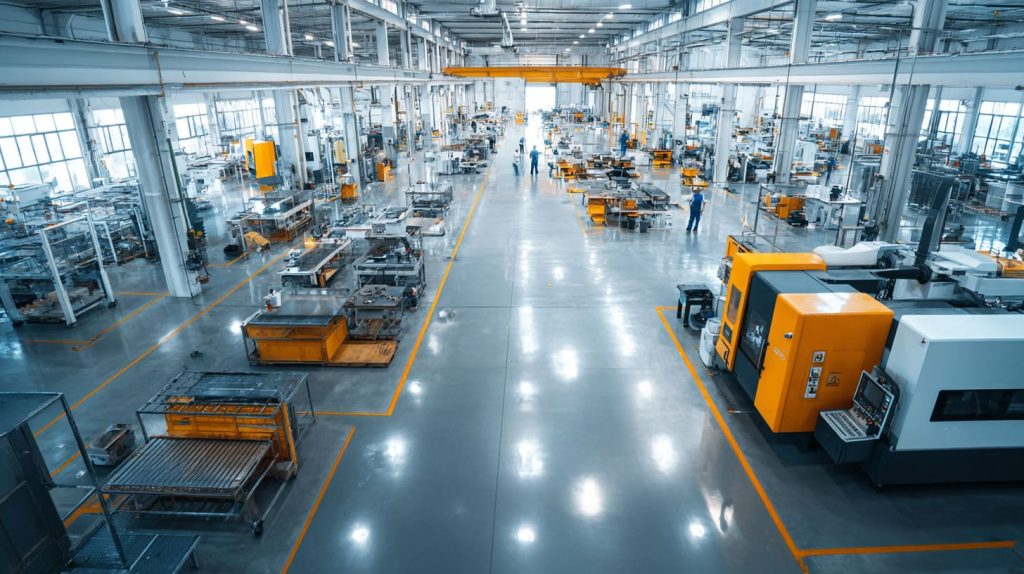
I once visited a “factory” that turned out to be a rented office with two employees forwarding orders to a hidden workshop. That day taught me: never trust photos alone.
Company background & legitimacy
Check business licenses, years of operation, and factory size. A factory with 150 workers and multiple production lines is not the same as a trading office with ten laptops.
Certifications, standards & quality systems
ISO 9001 certification tells you they follow processes, but don’t stop there. Ask for GSG eco-friendly acrylic certificates or test reports that prove transparency and durability.
Factory audit & site visit
Walking a shop floor tells you more than brochures ever will. Are machines like CNC and laser cutters modern or outdated? Are workers trained and organized? Dusty corners and clutter often hint at weak quality control.
Sample order & evaluation
Never skip samples. I once ordered 2000 boxes without samples—it was my most expensive lesson. Always test edge finishing, clarity, and durability first.
Quality control & inspection process
Reliable factories welcome third-party inspections like SGS or Intertek. If a supplier refuses, that’s a warning.
Communication & responsiveness
Speed and clarity matter. I prefer suppliers who reply within 24 hours, share photos of production, and don’t shy away from tough questions.
Even with vetting, cost is always part of the equation. Let’s look at how to balance it wisely.
Cost, Pricing & Payment Terms Analysis
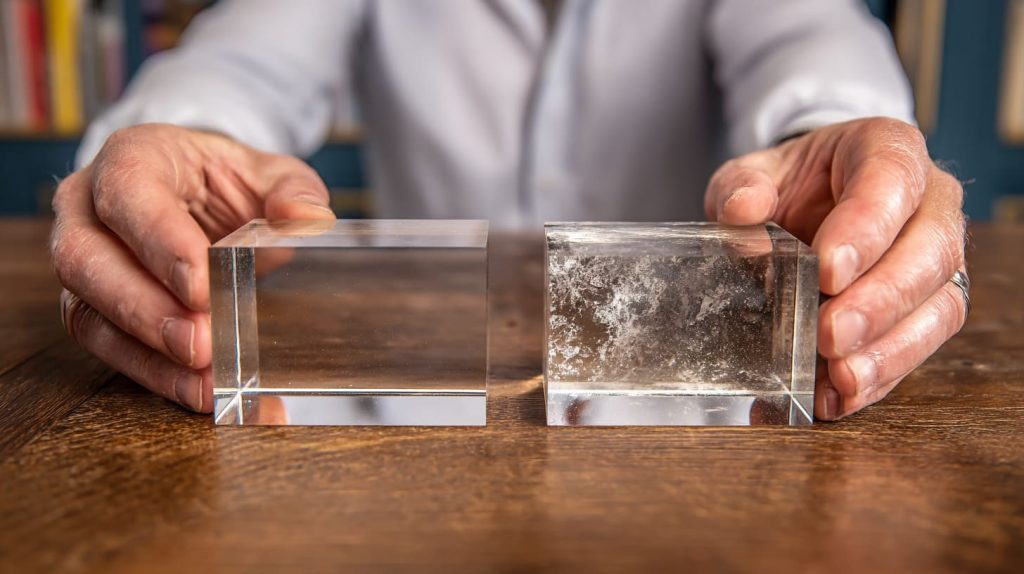
Price is a tricky teacher. The cheapest offer is often the most expensive lesson.
Cost structure & pricing transparency
Good suppliers break down costs—material, labor, finishing, packaging. Hidden costs like high reject rates can sink you later.
MOQ, price breaks & scale discounts
Factories may set MOQ at 100 or 200 pcs. Larger orders reduce unit cost, but locking too much capital early is risky.
| Order Size | Typical MOQ | Price Trend |
|---|---|---|
| Small batch | 50–100 pcs | Higher per unit |
| Medium run | 200–500 pcs | Balanced pricing |
| Large run | 1000+ pcs | Lower per unit |
Payment terms & risk mitigation
The usual deal is 30% deposit, 70% before shipment. For high-value orders, I sometimes push for staged payments tied to milestones. Escrow or trade assurance adds an extra layer of safety.
But even with good pricing, shipping can make or break the deal.
Logistics, Shipping & Import Considerations

The first time I shipped by sea, I didn’t expect the boxes to arrive soaking wet. Lesson learned: packaging is part of quality.
Packaging and protection for export
Always demand inner film, cushioning, and sturdy cartons. Pallets and crates help for sea freight.
Shipping methods & cost tradeoffs
Air freight is fast but expensive. Sea freight saves money but adds weeks. Express works for samples but not bulk.
| Method | Speed | Cost | Best for |
|---|---|---|---|
| Sea freight | Slow | Low | Bulk orders |
| Air freight | Medium | High | Urgent orders |
| Express | Fast | Very high | Samples |
Import regulations, duties & customs
Customs documents like invoices, packing lists, and certificates of origin are not optional. Missing paperwork can trap your goods in a port for weeks.
Shipping sorted, let’s not forget the red flags that can save you headaches.
Red Flags & Warning Signs to Avoid
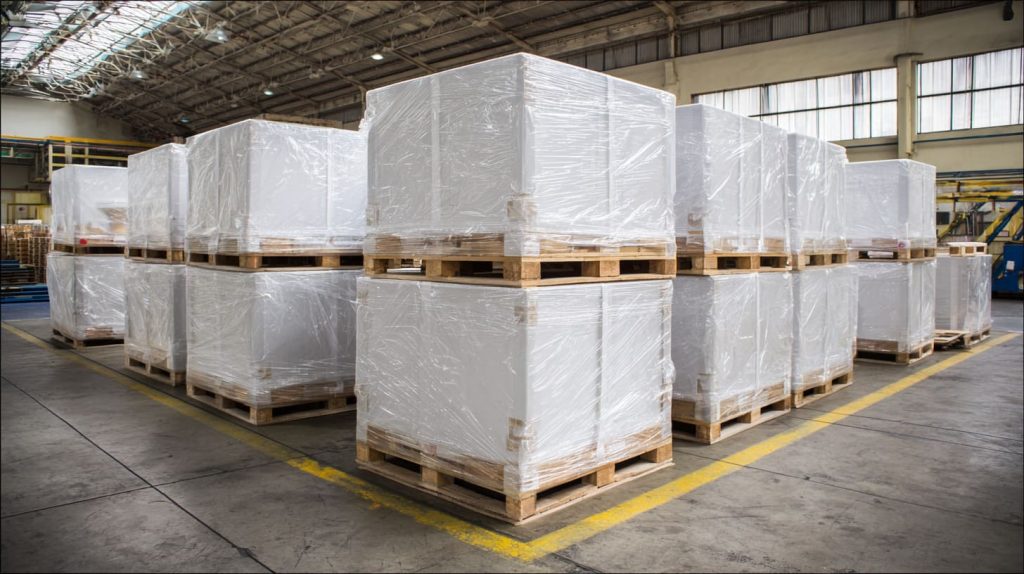
Over the years, I’ve spotted patterns that always spell trouble.
- Prices far below market average usually mean shortcuts.
- Suppliers who block factory visits often hide something.
- Poor samples are not accidents—they’re warnings.
- Vague answers in emails show poor communication.
- High worker turnover often leads to inconsistent quality.
Spotting these early keeps you from bigger losses later. But avoiding bad suppliers is only half the battle—building good partnerships is the real win.
Tips to Build a Long-Term Partnership
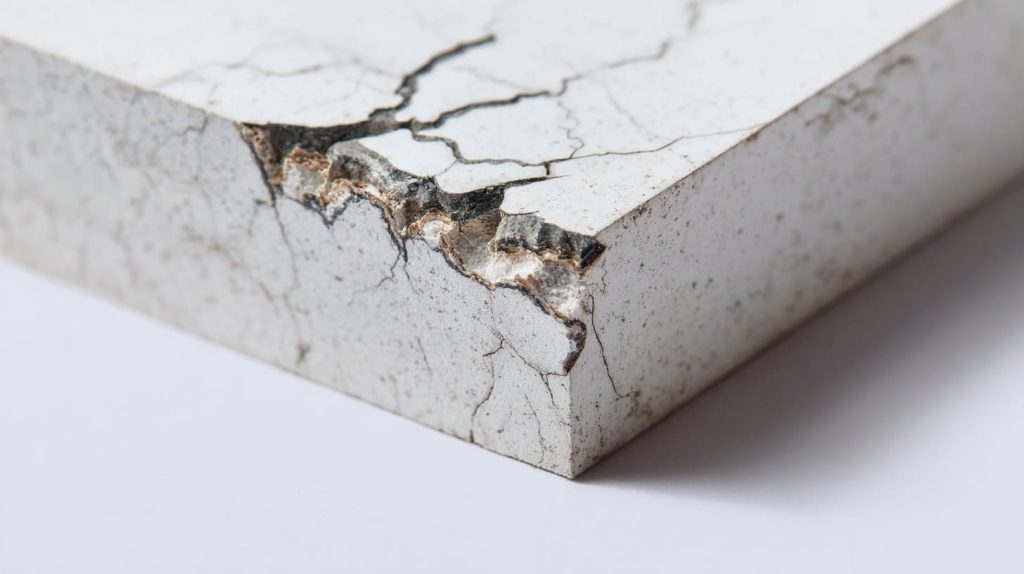
Some of my best suppliers started with small test orders. Over time, we grew trust like building bricks, one at a time.
- Start small, test their reliability, then scale.
- Give clear feedback, don’t just complain.
- Sign contracts that cover quality and delivery.
- Reward factories for consistent performance.
- Stay in touch—regular visits build stronger ties.
The goal is not just finding a supplier. It’s building a partner who grows with you.
Conclusion
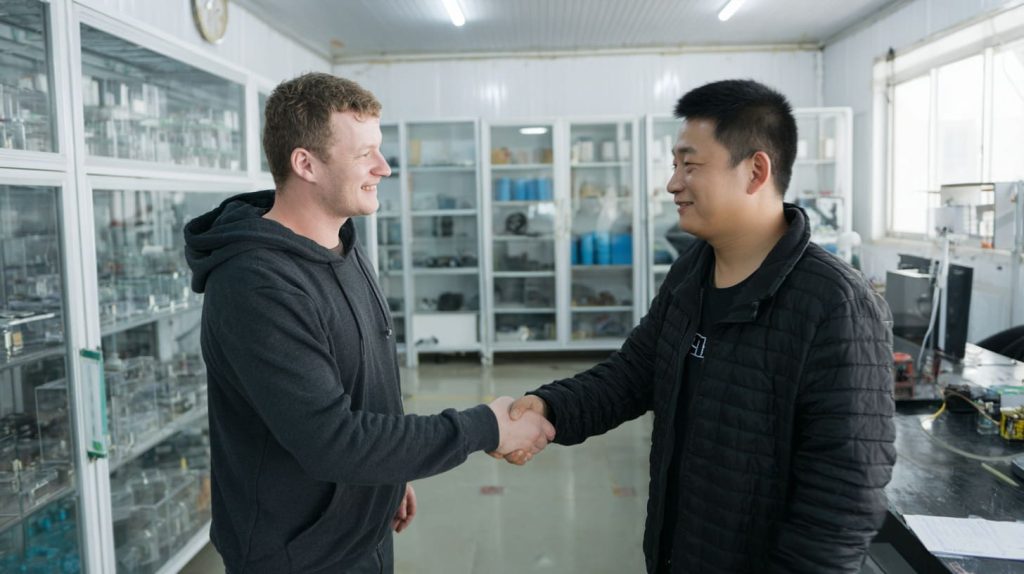
Finding a reliable acrylic box factory in China takes effort. It means defining your needs clearly, looking in the right places, vetting thoroughly, and staying alert to red flags. Price matters, but chasing the lowest deal can cost more in the long run.
I’ve learned these lessons through mistakes and wins, and I share them so you don’t have to repeat the painful ones. With the right due diligence, you’ll not only find a good factory—you’ll build a partnership that lasts.
And if you ever need a place to start, remember companies like Feilong Acrylic are built on one promise: deliver high-quality, custom solutions with fast lead times, whether for personalized or bulk orders.