Skip to content
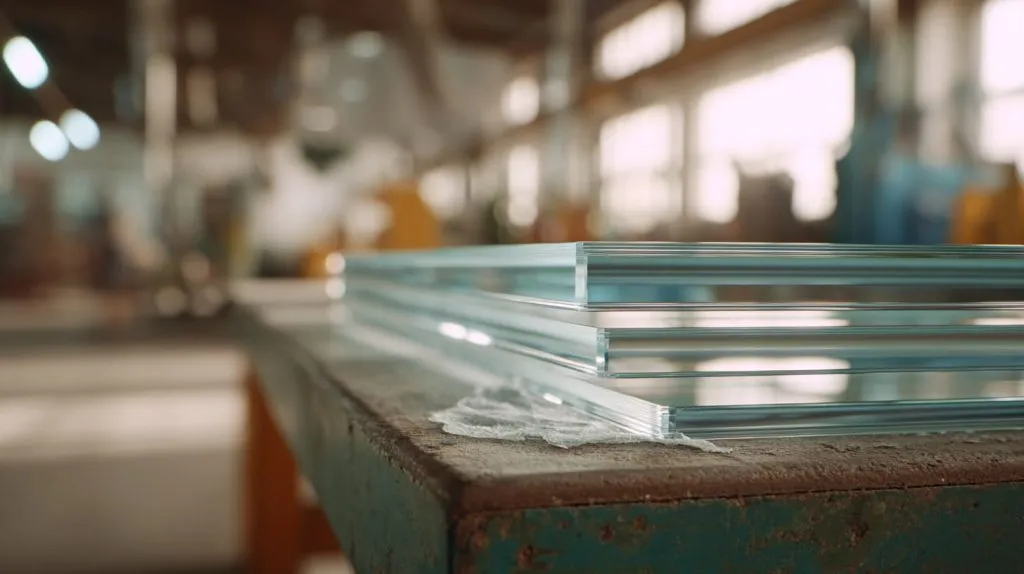
Most days in my workshop, I first touch the protective film, not the plexiglass. That thin, boring layer often decides if a project looks “factory fresh” or “quietly damaged.”
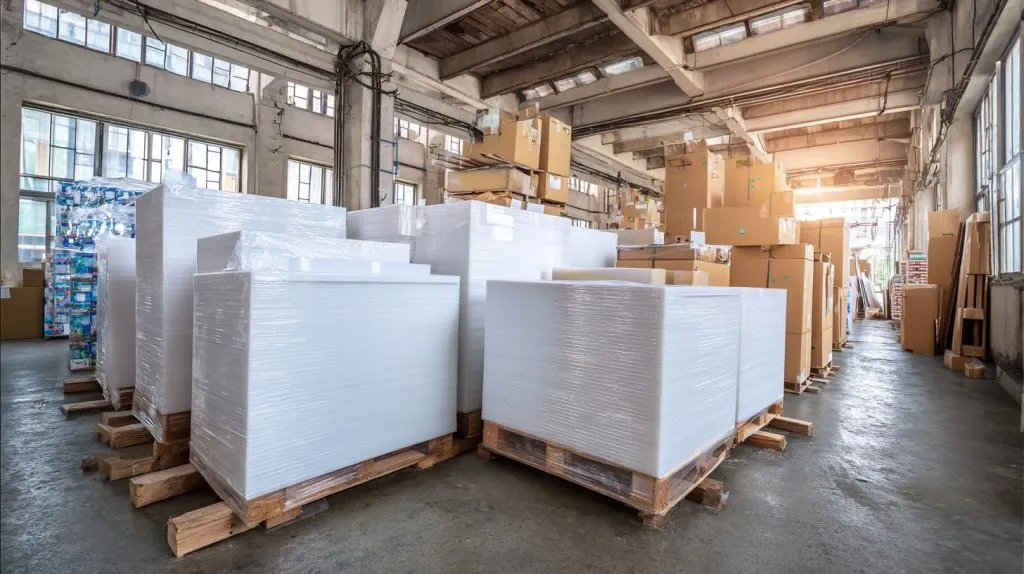
Protective film on plexiglass protects the surface from scratches, dust, fingerprints, glue, and heat marks during cutting, machining, shipping, and assembly, so the sheet stays clean and clear until the final user peels it off.
I care about this because when something goes wrong, nobody blames the film. They blame the factory, the buyer, and the drawing. So I use film as a simple but powerful control tool in every project.
Should you remove protective film on plexiglass?
Sometimes the biggest mistake is not the tool, but peeling the film five minutes too early because someone wants to “see the surface.”
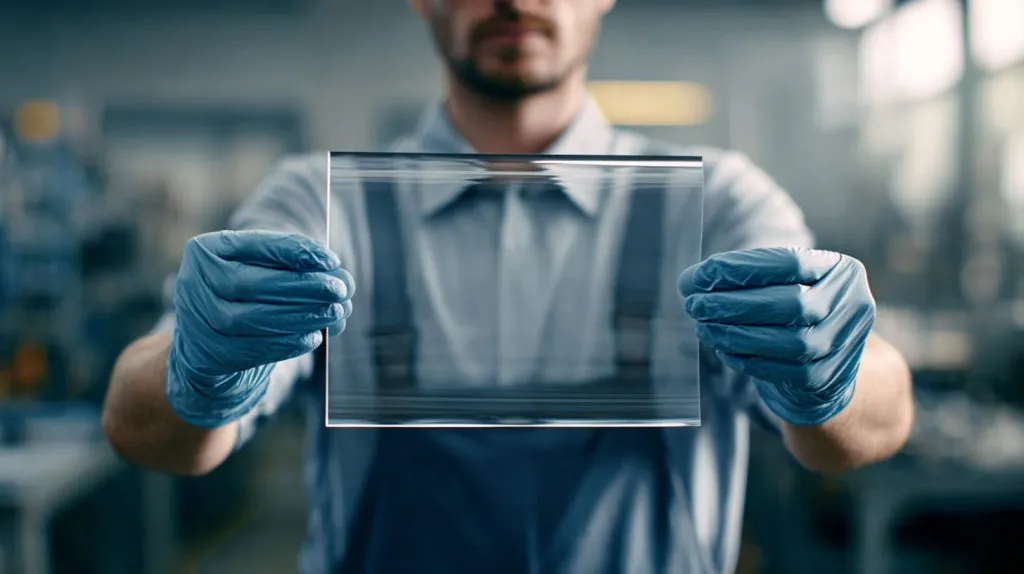
You should keep the protective film on plexiglass for all risky steps like cutting, machining, and handling, and only remove it when the chance of surface damage is low and you must confirm color, clarity, or final fit.
When I keep the film on
In my factory at Feilong Acrylic, I keep the film on when:
- Sheets move between workers
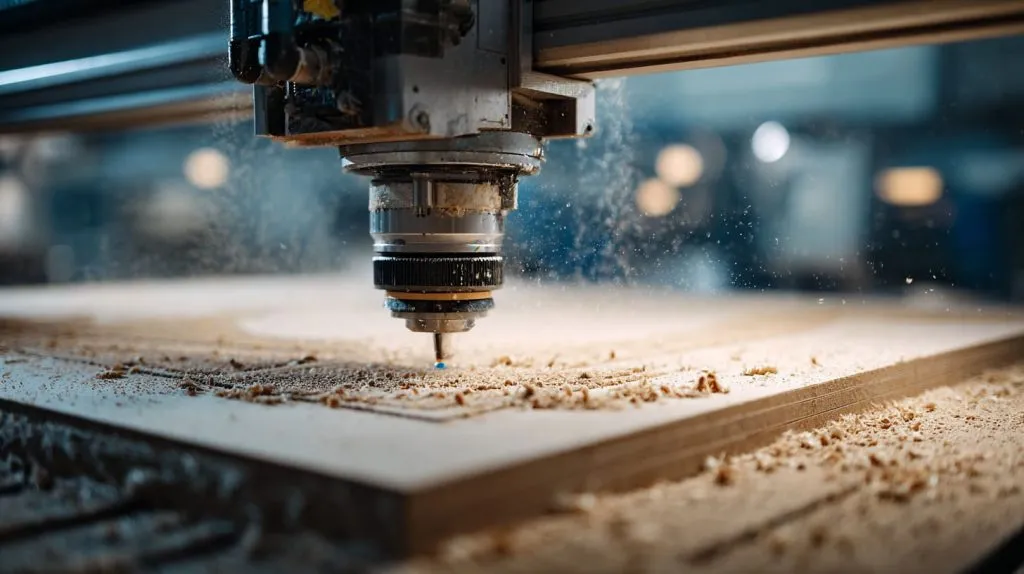
- We cut, drill, or CNC machine
- We stack parts in trolleys
- Customers still want last-minute changes on drawings
The moment that decides my answer is always the next operation: if a hard tool, metal edge, or fast-moving worker is coming, I keep the film on without debate.
When I remove the film
I remove film earlier when:
- We must check color or light diffusion
- The part goes into a glue joint
- The film is already torn or dirty
- The buyer asks for surface inspection before packing
Quick decision guide
| Situation | Film On or Off | Why I Choose This |
|---|---|---|
| Raw sheet cutting | On | Protects from saw marks and sliding scratches |
| CNC machining | On | Stops small chips from scratching the surface |
| Visual inspection for color or defects | Off (local) | Need to see the real acrylic surface |
| Before final cleaning and packing | Off | Clean, polish, then bag without film |
Is there a trick to removing protective film?
Every factory has at least one person who can peel film in one smooth move while everyone else fights with tiny edges.
The easiest way to remove protective film is to lift one corner with tape or a soft plastic tool, pull slowly at a low angle, and support the sheet so it does not flex or crack while you peel.
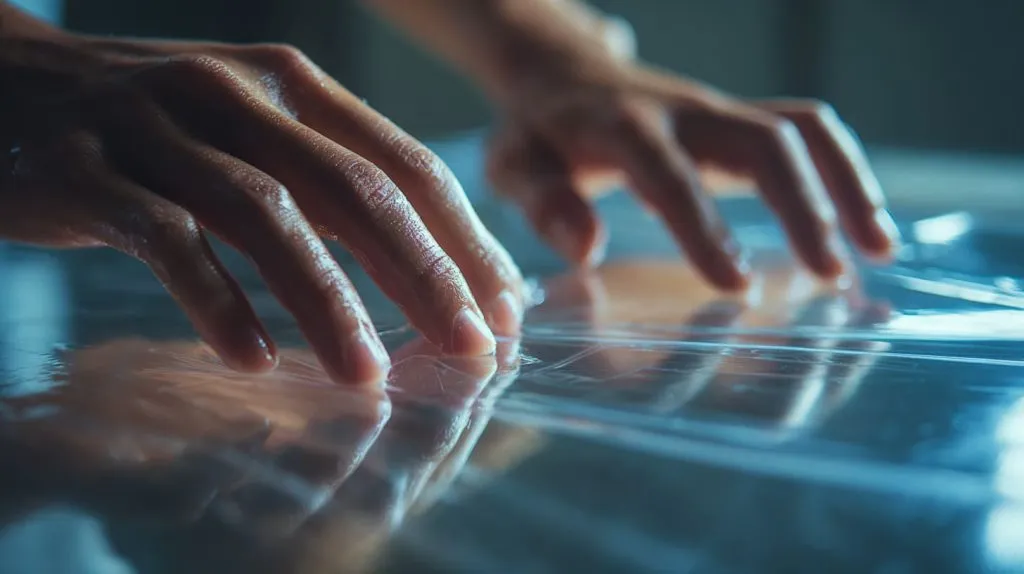
Simple peeling methods I actually use
I do not use any magic tools. My most useful tricks are very basic:
- Use masking tape to grab a corner
- Peel at about 30–45 degrees, not straight up
- Ask a second person to support large sheets
- Keep hands and gloves clean to avoid new marks
What usually makes the difference is patience: if someone pulls fast and high, the film tears; if they pull slow and low, the film comes off almost like a zipper.
Tools that are safe (and not safe)
| Tool / Method | Use It? | My Comment |
|---|---|---|
| Fingernails | Yes | Fine, but watch for sudden slips and fingerprints |
| Masking tape on a corner | Yes | My favorite safe method for clean peel |
| Plastic scraper | Careful | Very light touch, only for stubborn edges |
| Metal knife or blade | No | One small mistake, permanent scratch |
| Heat gun to soften film | Rarely | Only very low heat and with experience |
Extra help for large parts
On big panels for store displays, I often ask one worker to peel and another to hold and guide the sheet. This small “team move” reduces cracks, drops, and sudden bends that can destroy an almost finished part.
How do you remove old protective film from plexiglass?
Old film can feel like it is welded to the acrylic, especially after long storage or sun.
To remove old protective film from plexiglass, I gently warm the sheet, lift a corner with tape or plastic tools, peel slowly, and clean any glue residue with acrylic-safe cleaners, never harsh solvents like acetone.
My step-by-step process
I follow a simple order:
- Place the sheet flat on a clean table
- Use low heat (warm air, not hot) to soften the film and glue
- Lift a corner with masking tape or a plastic edge
- Peel slowly, stop if the film tears
- Clean leftover glue with the right cleaner
The small decision that matters most here is heat: if someone gets greedy with a heat gun, the film softens, the acrylic warps, and I have a new problem instead of a solution.
Glue residue cleaning options
| Cleaner Type | Can I Use It? | Notes |
|---|---|---|
| Acrylic-safe cleaner | Yes | My first choice, made for plastics |
| Mild soap and water | Yes | Good for light residue and dust |
| Isopropyl alcohol (dilute) | Sometimes | Test first, short contact only |
| Acetone or strong solvent | No | Can crack, haze, or melt acrylic |
When I stop and rethink
If I see:
- Stress marks near holes or corners
- Yellowing film that breaks into small pieces
- Deep glue that does not move after gentle cleaning
I stop and talk with the buyer. Sometimes the real answer is not a “better chemical,” but a fresh replacement part because the old sheet has already lost too much life.
How long does protective film last?
Many people think film protects “forever.” It does not. It ages like everything else in a workshop.
Protective film on plexiglass is meant for processing and transport, not long-term storage; it usually performs best within a few months, and old film exposed to heat, sun, or pressure can harden, tear, and leave glue on the surface.
What usually limits film life
In my experience at Feilong Acrylic, time is not the only problem. The real enemies are:
- Strong sunlight in storage areas
- High temperature near machines or windows
- Heavy stacks pressing sheets together
- Humidity swings in older warehouses
The key question I ask is simple: “Has this pallet lived more like in a clean warehouse, or more like in a greenhouse?” The second one gives me trouble almost every time.
Rough time expectations
| Condition | Expected Film Behavior |
|---|---|
| Cool, dry indoor storage (few months) | Film peels clean and smooth |
| Hot, sunny area (weeks–months) | Film becomes brittle or sticky |
| Long-term storage (over 1 year) | Risk of glue residue and hard peeling |
| Compressed under heavy weight | Film may emboss marks into the surface |
My rule for buyers
I often tell buyers: “Protective film is a travel jacket, not a museum glass.” It should protect the sheet while we work and ship, then leave the stage before it becomes part of the problem.
Why does plexiglass come with a protective film from the factory?
Some buyers ask if they can “save cost” and skip film. I always feel a bit nervous when I hear that.
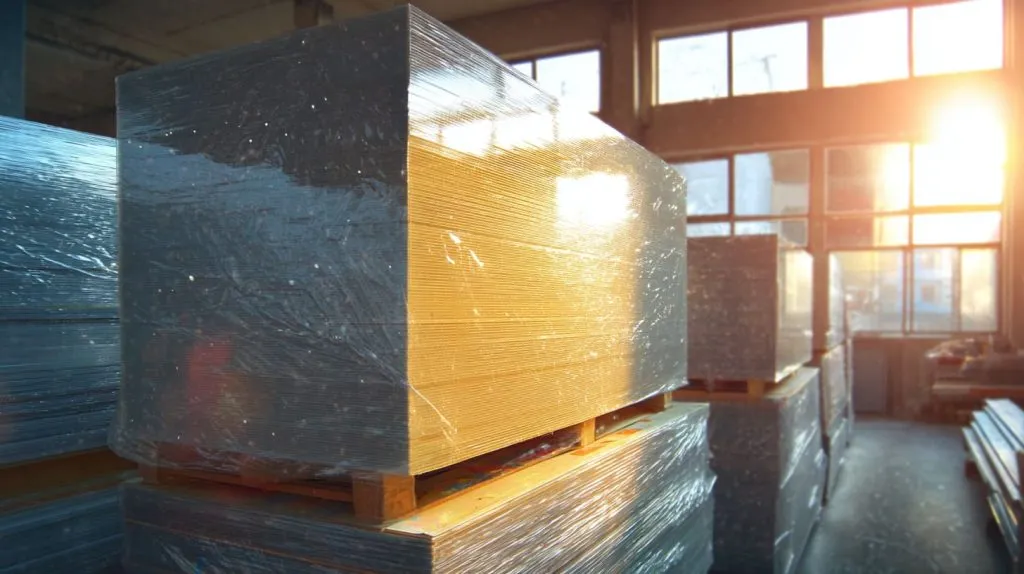
Plexiglass comes with protective film from the factory to protect the surface through cutting, handling, storage, and shipping, so each sheet arrives in usable condition instead of full of small scratches that cannot be repaired.
What the factory is really protecting
The factory is not only protecting the sheet. It is protecting:
- The buyer’s visual quality
- The distributor’s storage risk
- The fabricator’s machining process
- The final brand’s reputation in front of the end customer
The moment that matters most for me is first inspection: if we peel and see damage, everyone loses time on blame; if the film did its job, the discussion is about design and function instead of defects.
What the film takes care of before I see the sheets
| Risk Between Factory and My Workshop | How Film Helps |
|---|---|
| Sliding in pallets | Reduces scratch marks |
| Dust in storage | Keeps dust away from the surface |
| Workers’ gloves and hands | Avoids fingerprints and smudges |
| Repacking and cross-docking | Adds one more protective layer during moves |
Why I rarely accept “no film” requests
When someone asks for sheets without film, I explain that any small saving on material may be lost in the first complaint call. For custom displays and boxes, the surface is the product, so I protect it from day one.
What problems does protective film prevent during acrylic cutting and CNC machining?
Cutting and CNC machining look very “technical,” but many of the ugliest marks are simple surface scratches.
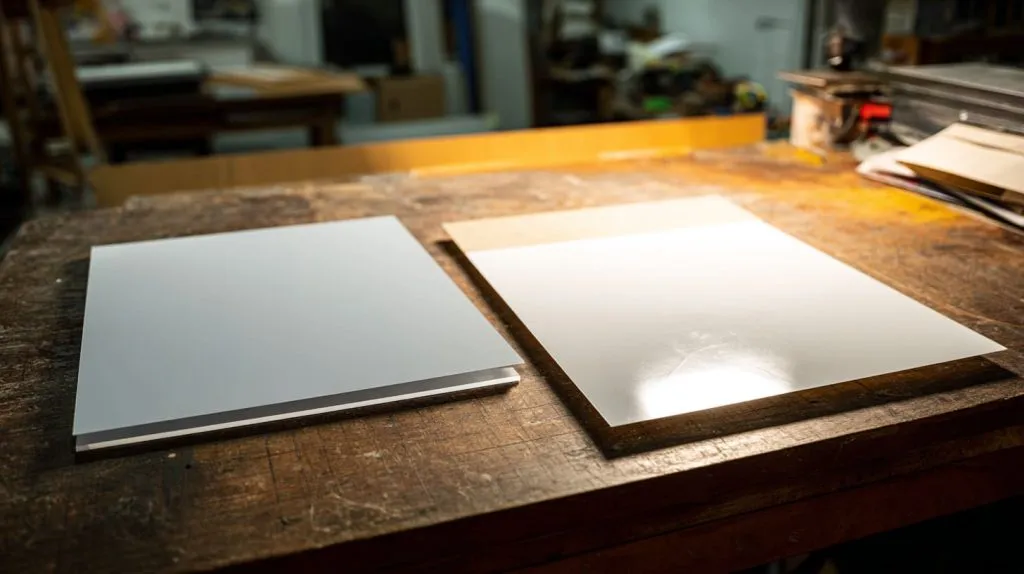
During cutting and CNC machining, protective film prevents sliding scratches, chip marks, clamp marks, and light impact damage from tooling or vacuum tables, helping to keep both sides of the plexiglass clean for later polishing, gluing, or printing.
Direct machining risks I see
I see the same patterns again and again:
- Sheets sliding across saw or router tables
- Chips and dust trapped between sheets
- Vacuum tables leaving tiny circle marks
- Clamps and jigs pressing too hard on edges
The detail I watch most is the contact points: if metal, chips, or rough surfaces will touch the acrylic, I want film there as a soft “sacrificial skin.”
Common problems and how film helps
| Machining Step | Typical Problem Without Film | How Film Helps |
|---|---|---|
| Panel saw cutting | Long hairline scratches from sliding | Adds slip layer between sheet and bed |
| CNC routing | Swirl marks from chips under sheet | Keeps chips away from surface |
| Drilling holes | Chuck or jig rubbing surface | Film takes the minor damage |
| Vacuum table use | Small ring marks and patterns | Film absorbs pressure marks |
Extra habits in my workshop
To support the film, I also:
- Clean tables often
- Use clean paper or foam under clear parts
- Check that chips are removed between cycles
Film is not a magic shield, but when I combine it with good habits, the surface stays “customer ready” after aggressive machining.
Does protective film really protect plexiglass from scratches and surface damage?
Some buyers worry the film “does nothing” and is just decoration from the factory.
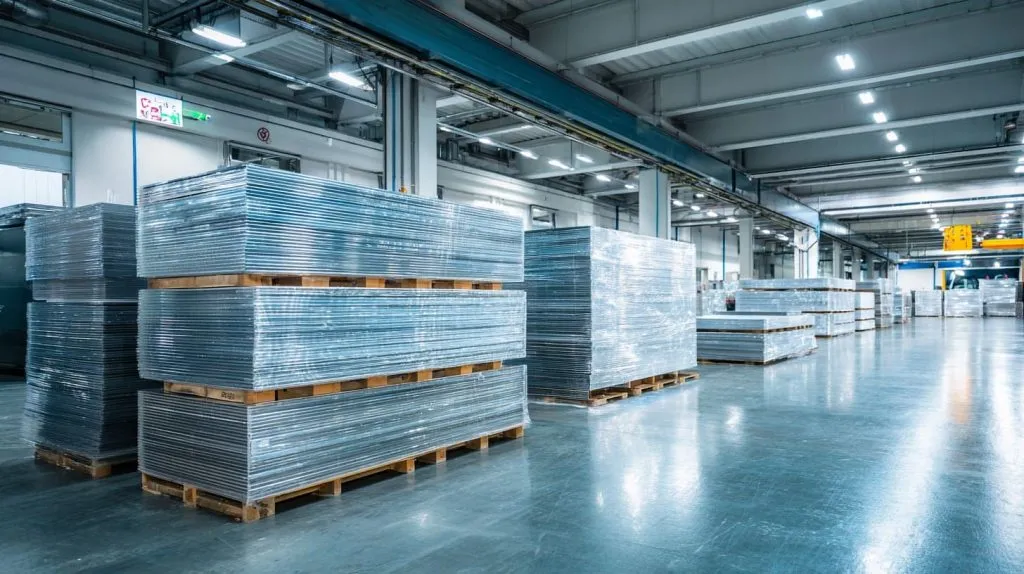
Yes, protective film protects plexiglass from light and medium scratches, minor rubbing, dust, and fingerprints, but it cannot stop deep impacts, sharp objects, or abusive handling, so it reduces risk but does not replace careful work and packing.
What film can handle
In my daily work, film handles:
- Light sliding on clean tables
- Contact with cardboard, foam, and pallets
- Gentle handling with gloves
- Short-term stacking and transport
The point I always remind my team is simple: film forgives small mistakes, not big ones. If someone throws a part or drags it across metal, no film will save that surface.
What film cannot handle
| Situation | Will Film Protect It? | My Experience |
|---|---|---|
| Light rub against clean surface | Often yes | Usually no visible mark |
| Rough sliding on dirty table | Maybe | Depends on chips and dust beneath |
| Sharp tool or screw head impact | No | Cut goes straight through the film |
| Heavy drop or bend | No | Cracks and dents in the acrylic itself |
How I set expectations with buyers
I like to be honest with buyers. I explain that film is like a good raincoat: it keeps you dry in normal rain, not in a storm with knives falling from the sky. That small expectation shift avoids many future arguments.
Should protective film be removed before or after laser cutting acrylic?
Laser cutting adds heat, smoke, and sometimes burn marks. The timing of film removal changes everything.
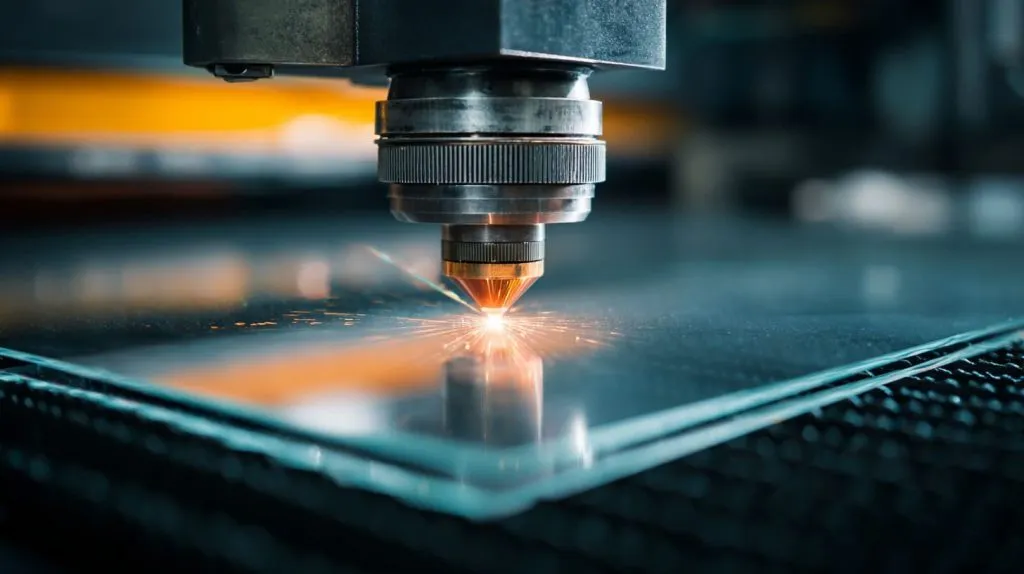
For laser cutting acrylic, I usually keep the protective film on the underside to protect from smoke and marks, and decide on the top side based on laser settings, film type, and risk of melting or burning.
How I decide for the top and bottom
My normal pattern:
- Bottom side: film stays on for protection from reflections, smoke, and table marks
- Top side: test first; sometimes I use film, sometimes I remove it
The question I ask my team before each new setup is, “Are we more afraid of burn marks, or more afraid of surface scratches?” That question guides how we treat the film.
Typical laser setups I use
| Side of Sheet | Film Status | Why I Choose This Setup |
|---|---|---|
| Top | Off | Cleanest edge for some films that melt or burn |
| Top | On | When film is laser-friendly and protects from smoke |
| Bottom | On | Protects from bed marks and smoke reflections |
Test cuts are not optional
For each new film type or thickness, I make small test cuts first. I check:
- Edge color and burn marks
- Film behavior (melting, sticking, or peeling clean)
- Smoke stains on both sides
Ten minutes of testing often saves a full batch from going into the scrap bin.
Can leaving protective film on plexiglass for too long cause residue or damage?
Many clients store parts “for later” and forget about the film. Time is not always kind.
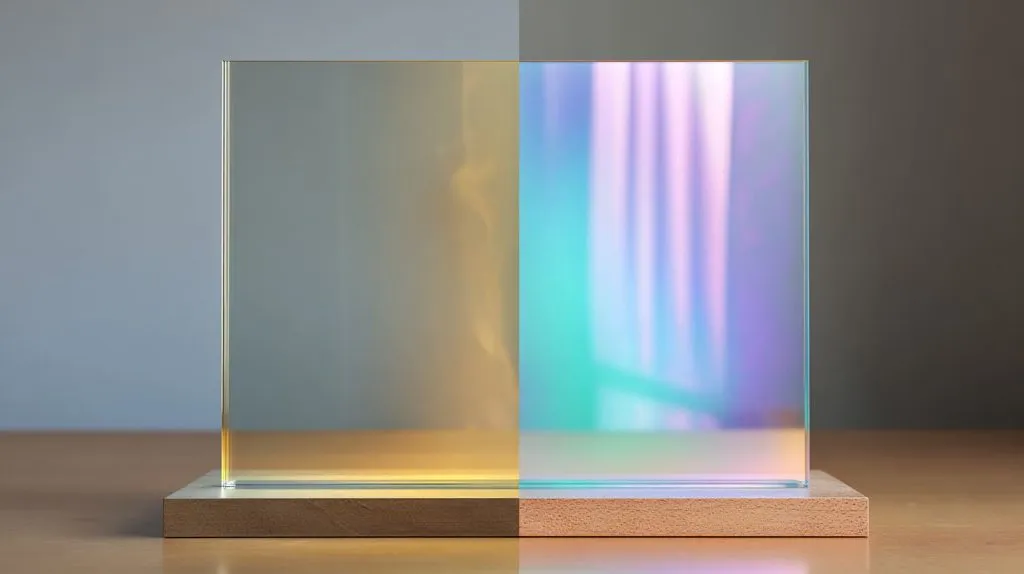
Yes, leaving protective film on plexiglass for too long, especially in heat or sun, can cause glue residue, difficult peeling, or light surface marks, so I try to remove film once a part has reached a stable, safe stage.
What happens when film stays too long
I see a few common issues:
- Glue softens and sticks to the sheet
- Film becomes brittle and breaks in small pieces
- Printed text on film leaves a faint “ghost” mark
- Edges near heat or light age faster than the center
The small clue I look for is color: when film starts to look yellow or tired, I know it stayed longer than planned and I warn the buyer.
Risk levels by storage condition
| Storage Condition | Residue Risk | My Comment |
|---|---|---|
| Cool, dry, away from sunlight | Low | Film usually peels clean |
| Near windows or machines (warm) | Medium | Some glue may remain |
| Hot, humid, or outdoor-like | High | Film and glue can bond badly |
Simple habits that help
To avoid problems, I:
- Rotate stock so old pallets move first
- Label pallets with arrival dates
- Ask buyers to plan reasonable storage times
Film is cheap. Rework on old, sticky sheets is not. That is why I treat time as a real risk factor, not just a calendar detail.
What is the difference between paper protective film and plastic film on plexiglass?
Not all “films” feel the same. Some are actually paper. This choice affects cutting, printing, and peeling.
Paper protective film grips better, handles heat fairly well, and is great for machining and laser cutting, while plastic film resists moisture better and peels more easily but can melt or shrink under higher heat.
How they behave in my hands
To me, the difference is very physical:
- Paper film feels thicker, matte, and easy to write on
- Plastic film feels smoother, more flexible, and more water resistant
The thing I pay most attention to is heat behavior: some plastic films shrink or melt near laser edges, while paper film often burns but does not melt into the acrylic.
Quick comparison table
| Feature | Paper Film | Plastic Film |
|---|---|---|
| Heat resistance | Good, may darken or burn | Varies, can melt or shrink |
| Moisture resistance | Medium | High |
| Peeling ease | Sometimes harder when old | Usually easy and stretchy |
| Writing / marking | Very easy with pen | Needs marker |
| Laser cutting behavior | Often stable, can char | Needs testing for melt or residue |
How I choose for a project
For big runs of laser-cut displays, I often prefer paper film because it behaves more “honestly” with heat. For parts that may face moisture or long shipping times, I lean toward plastic film. Each choice is less about theory and more about the real life of the product.
How does protective film affect acrylic polishing, bending, or heat forming?
Heat and film have a delicate relationship. Used at the wrong time, film can help or suddenly become a problem.
During polishing, bending, and heat forming, protective film can shield clean areas from scratches and fingerprints, but it must be removed or carefully managed near heat zones to avoid melting, sticking, or imprinting patterns into the acrylic.
Polishing with film
For edge polishing (flame or machine), I often keep film on flat areas and remove it near the edge only. This keeps the main face safe while we work on the outer lines.
The detail I watch is distance: if heat or friction from polishing starts to reach under the film, I stop and peel more, otherwise the film may leave marks.
Bending and heat forming
| Process | Film Strategy I Use | Reason |
|---|---|---|
| Line bending | Remove film over bend line | Prevents melting and trapped air |
| Large, soft forming | Remove or cut film in heat area | Avoids film prints on the surface |
| Cold forming (very mild) | Film can stay on | No strong heat, scratches are the main risk |
Small tricks that help
For some bends, I slice the film in a narrow strip along the bend line and leave the rest on. This keeps the hot zone free while the cool zones stay protected. It is a small extra step, but it often saves me from strange glossy “film shadows” after forming.
Is protective film necessary for acrylic shipping and international transport?
For local jobs, some people try to skip film and “pack carefully.” For export, I almost never accept that idea.
For shipping and international transport, especially long-distance export, protective film is very important because it reduces surface damage from vibration, packing contact, and repeated handling, working together with foam, bags, and cartons to protect the acrylic.
What happens during a long trip
A box of acrylic does not sit still. It:
- Vibrates for hours in trucks and ships
- Rubs against packing materials
- Faces temperature and humidity changes
- Gets handled by many people who never saw the drawing
The thought that guides my packing choices is simple: “Will this surface still make sense to the buyer after 10,000 km and ten different hands?” Film is one of the cheapest ways to answer “yes.”
My usual shipping setup
| Protection Layer | Role in Shipping |
|---|---|
| Protective film | First barrier for small scratches and dust |
| Soft bag or wrapping | Stops rubbing against other parts |
| Foam or cardboard | Handles impact and compression |
| Strong outer carton | Fights against drops and rough handling |
When I add extra protection
For high-end store displays, I sometimes add:
- Extra PE film on exposed edges
- Corner guards
- “Do not remove film until installation” stickers
These details look small, but they change the chance that the product arrives in “showroom condition” instead of “repair mode.”
Does protective film impact the clarity or finish quality of acrylic products?
Many buyers worry that film might “damage” clarity. The real story is more about process than material.
Protective film itself does not reduce acrylic clarity; problems appear only when film is overheated, left too long, or removed carelessly, which can leave glue residue or small marks that affect the final gloss and optical quality.
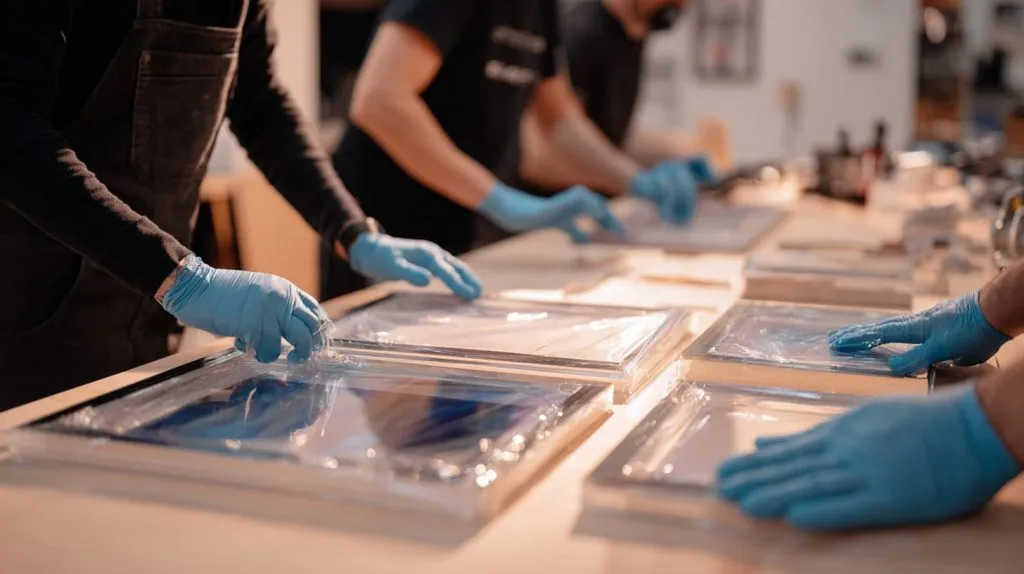
How film supports high clarity
For clear displays and lightboxes, I use film to:
- Protect from hairline scratches that scatter light
- Keep dust off surfaces before backlighting
- Avoid fingerprints that are hard to clean from corners
The moment I really care about is final peeling: if the film comes off clean and smooth, I know the clarity will match what we planned in the drawing.
When film becomes part of the problem
| Issue Seen After Peeling | Likely Cause |
|---|---|
| Light haze or streaks | Glue residue from aged film |
| Small “ghost” text shadows | Printing on film pressed too hard |
| Slight texture patterns | Film imprinted during heat exposure |
Fixing minor issues
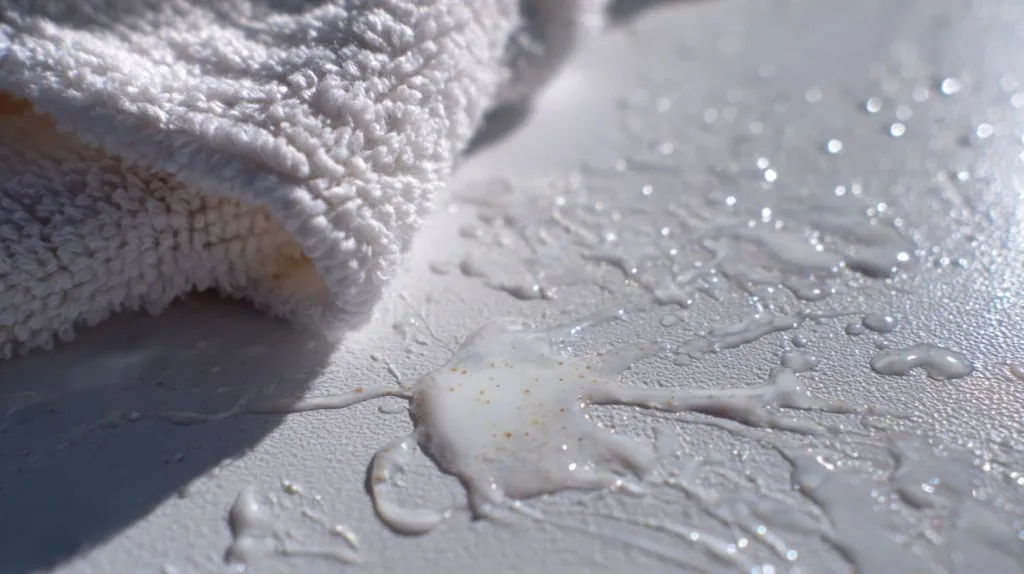
For small haze or light glue marks, I:
- Use acrylic-safe cleaners
- Wipe with soft, clean microfiber cloth
- Avoid hard pressure that could cause micro-scratches
If clarity is critical, I tell buyers to peel at the last safe moment, right before installation, in a clean area, not on a dusty site floor.
When should protective film be removed during custom acrylic product assembly?
Assembly is where many beautiful parts become less beautiful. Timing the film removal is part of assembly planning.
During custom acrylic product assembly, I remove protective film in stages: peel only where I need to glue or fasten first, keep film on other areas to protect them, and remove everything only at the final clean and inspection step.
My stage-by-stage approach
I rarely peel everything at once. My usual flow:
- Remove film in glue zones or around screw holes
- Keep film on large exposed faces while handling
- Assemble main structure
- Do a careful cleaning step
- Peel remaining film just before packing
The thought that guides me is: “Where are we most likely to bump, slide, or touch this product next?” Those areas keep film as long as possible.
Example: assembling a cosmetic display
| Assembly Step | Film Status | Reason |
|---|---|---|
| Glue side panels | Film removed on glue edges | Better bonding and no trapped debris |
| Handle outer faces | Film stays on faces | Protects from fingerprints and tools |
| Install small accessories | Film stays except near fixings | Limits accidental scratches |
| Final cleaning and QC | All film removed | Check real surface before packing |
Small habits that avoid trouble
During assembly at Feilong Acrylic, I also:
- Ask workers to peel film with gloves on
- Use separate “dirty work” and “final clean” tables
- Mark parts clearly so people do not mix “ready” and “in process” items
These habits are simple, but they turn protective film into a planned part of the process, not just something that workers peel when they feel bored.
Conclusion
Protective film on plexiglass is not just packaging to me; it is a quiet process tool I use to control risk, quality, and customer trust at every step. If you need custom acrylic parts that arrive clean, clear, and ready for your own assembly, you are welcome to reach out to Feilong Acrylic at info@xflacrylic.com or visit flacrylic.com so we can plan the right material, film, and process together for your next project.