Skip to content
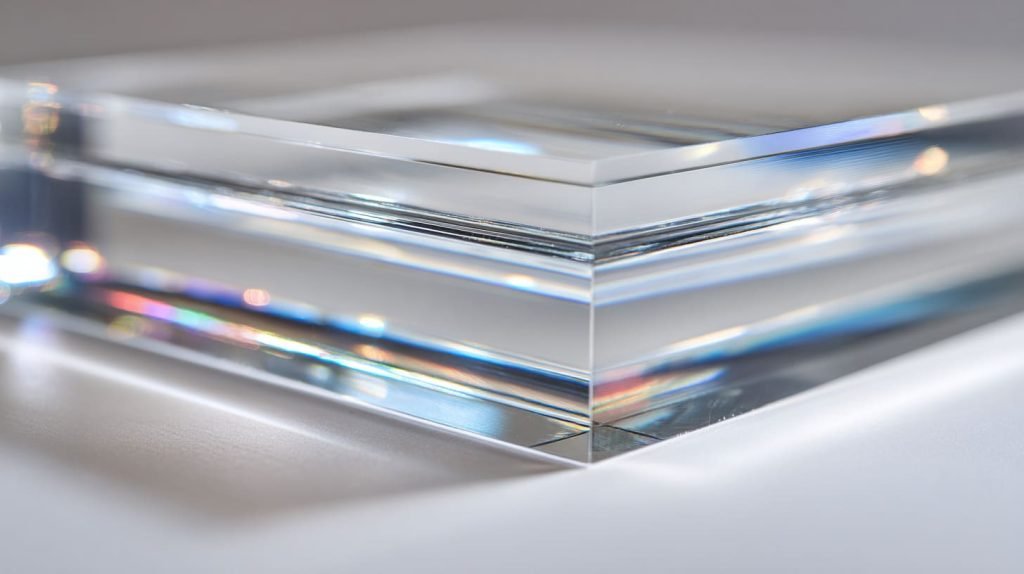
You can always tell when a product was made by the right factory—it feels right. The edges are smooth, the joints are tight, and the acrylic shines like glass under light. But you can also tell when something went wrong. The lid doesn’t align, the corners are cloudy, and the packaging looks rushed.
That difference? It almost always comes down to the manufacturer.
In the world of custom acrylic boxes, your supplier isn’t just a factory—they’re your silent partner. Their skills, attention to detail, and communication can shape how your brand is seen. I’ve worked with enough projects to know that finding a reliable manufacturer can feel like navigating a maze filled with shiny promises and hidden risks.
Why the right manufacturer makes or breaks your project
Custom work is delicate. You’re not picking off-the-shelf products—you’re building something from scratch. And when a manufacturer gets it wrong, it doesn’t just waste time. It costs you trust, budget, and momentum.
Common sourcing pain points in the custom acrylic industry
Here’s what I see again and again:
- Factories overpromise and underdeliver
- Communication breakdowns derail timelines
- Materials that look great in photos but warp or crack in real life
- Pricing that’s low upfront but bloats with hidden costs later
So let’s break this down. Let’s talk about how to actually pick a partner who gets it—and gets you.
Understand Your Project Needs First
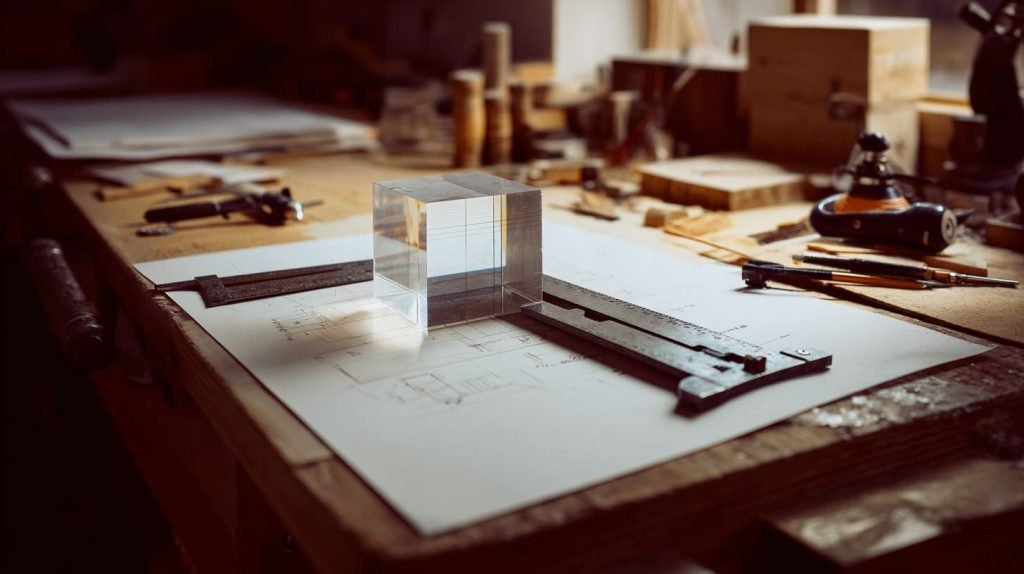
Before blaming a supplier, I’ve learned to ask myself: Did I really know what I needed?
Define size, function, and structure clearly
Let’s say you’re making a display box for a retail shelf. Sounds simple, right? But...
- Should the lid open sideways or lift off?
- Will the box carry weight, or is it for visual presentation only?
- Are edges polished, flame-treated, or left raw?
Without clear answers, factories will guess. And that’s a gamble.
Clarify material grade: virgin acrylic vs recycled
Some factories use recycled acrylic to save cost—but that often leads to yellowing, reduced clarity, and brittleness. Here’s a quick comparison:
| Property | Virgin Acrylic | Recycled Acrylic |
|---|---|---|
| Clarity | Crystal clear | Often foggy |
| Strength | High | Weaker |
| Cost | Higher | Lower |
| Environmental Impact | Neutral | Better if verified |
Always ask for material certification if this matters to your product.
Identify custom features: hinges, locks, branding, UV printing
I once had a project fall apart because I forgot to specify hinge position. It’s not just “acrylic box”—it’s acrylic box with sliding lid, or magnetic lock, or laser-engraved logo. Spell it out, or risk surprises.
Look for Specialization in Custom Acrylic Products
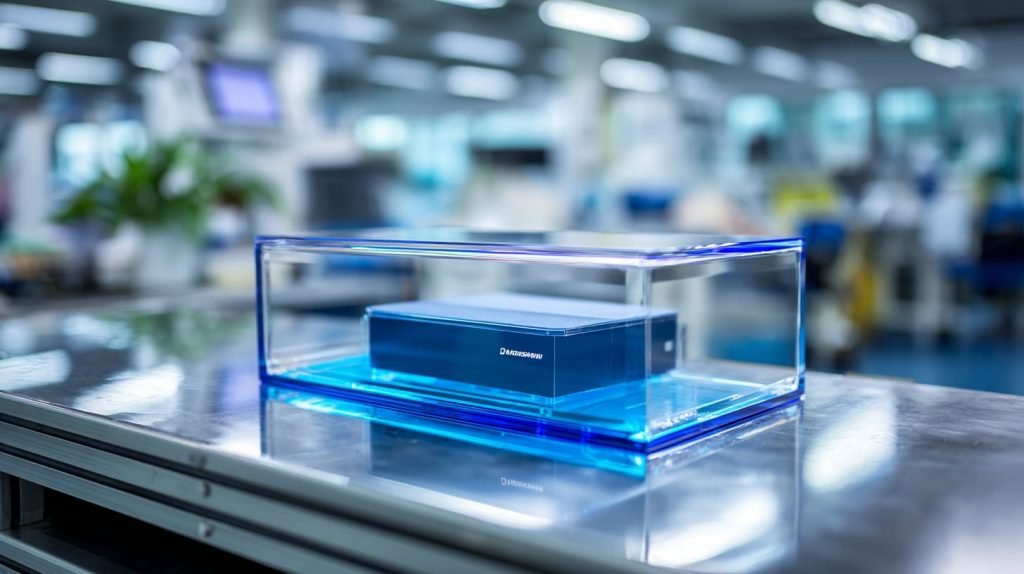
A factory can be “great at plastics” and still mess up your acrylic box. Why? Acrylic isn’t just another plastic.
Why specialization in acrylic—not general plastic—is critical
Acrylic behaves differently. It cracks under poor machining. It melts under wrong heat. A factory that works with ABS or polycarbonate may treat acrylic like it’s the same—and ruin your parts in the process.
Difference between OEM and ODM capabilities
- OEM = You give the design, they produce
- ODM = They help design or suggest improvements
If your idea is rough, go ODM. If you already have CAD drawings, OEM works just fine.
Industries served: retail, cosmetics, electronics, etc.
Every industry has quirks. A factory used to cosmetic packaging knows how to polish edges and add delicate branding. One used to industrial storage focuses on strength and function.
Knowing their experience helps you gauge if they’ll “get” your vision.
Still with me? Let’s talk machines.
Check Their Manufacturing Capabilities
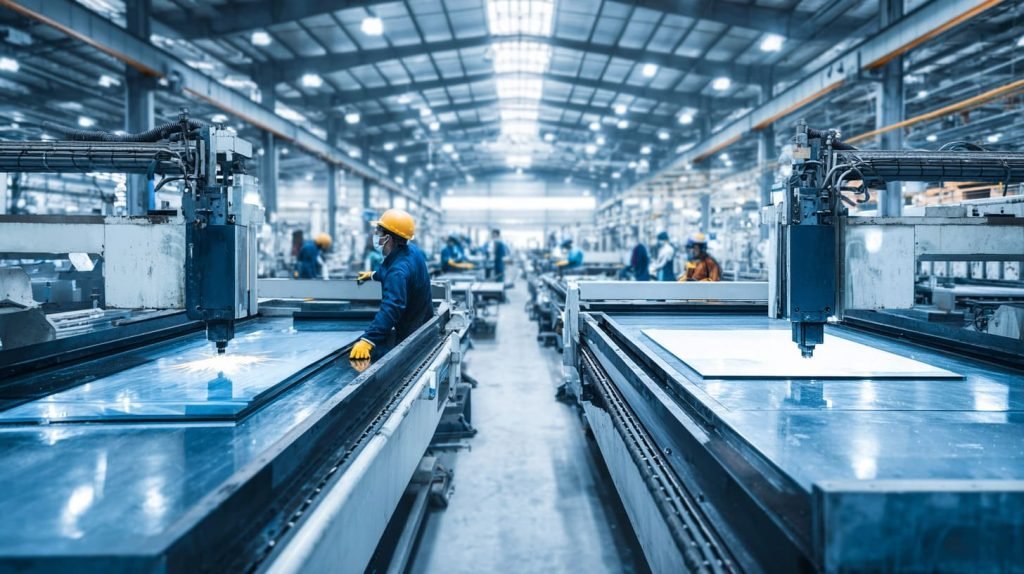
I once visited a factory that looked perfect online—but when I arrived, their “CNC” machine was out of order, and they outsourced laser cuts. That explained their delays.
Do they have in-house CNC, laser cutting, and polishing machines?
In-house = faster response, better control. Ask for factory tour photos or videos if you can’t visit.
Can they handle complex customization: inserts, compartments, magnetic closures?
Some projects need more than flat panels. Inserts, layered sections, or tight-fitting lids require precision jigs and trained operators. Always ask:
“Have you done a box like this before? Can I see photos?”
Ask for capacity info: lead times, minimum order quantity (MOQ), batch scaling
A good factory will tell you:
- How many pieces/day they can make
- What’s their MOQ
- What happens if you scale from 500 to 5000 units
Here’s a helpful comparison:
| Capacity Factor | Small Factory | Large Factory |
|---|---|---|
| MOQ | 50–100 pcs | 200–500 pcs |
| Lead Time (avg) | 20–30 days | 10–20 days |
| Customization Ability | Medium | High |
Evaluate Quality Control Standards
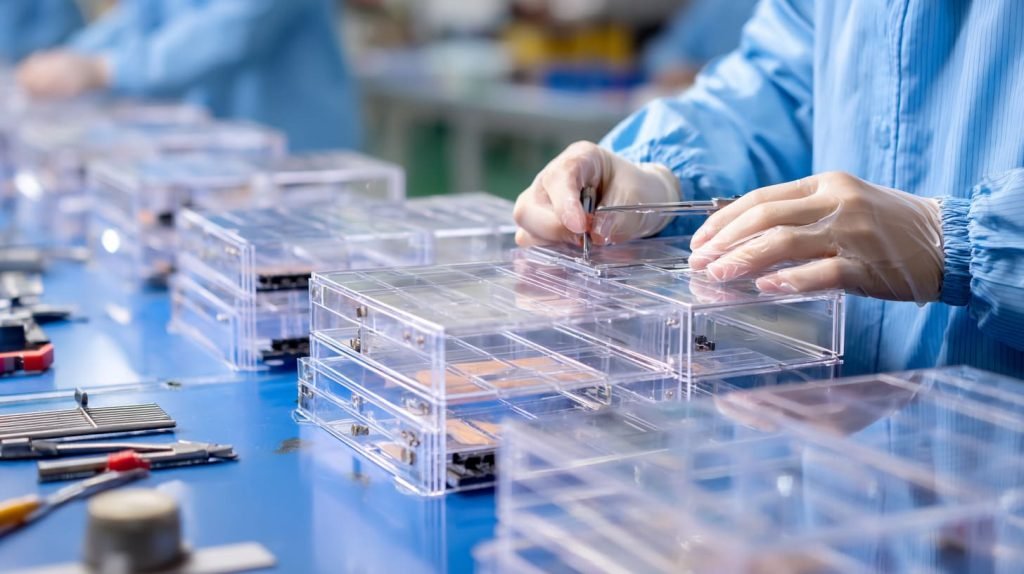
Ever opened a shipment and realized… they didn’t check anything?
ISO9001 and other certifications to look for
ISO9001 doesn’t guarantee perfection—but it does mean the factory has structured processes. That’s better than relying on “boss checks by eye.”
In-house QC teams vs third-party inspection
In-house QC is fast. But third-party inspection gives you confidence if you’re new to the factory. Ask if they work with SGS, TUV, or others.
Ask for defect rate and handling policy
One factory told me:
“We allow 3% defect rate. If more, we re-make.”
That level of clarity builds trust.
Let’s switch gears and talk proof—case studies.
Review Previous Work and Case Studies
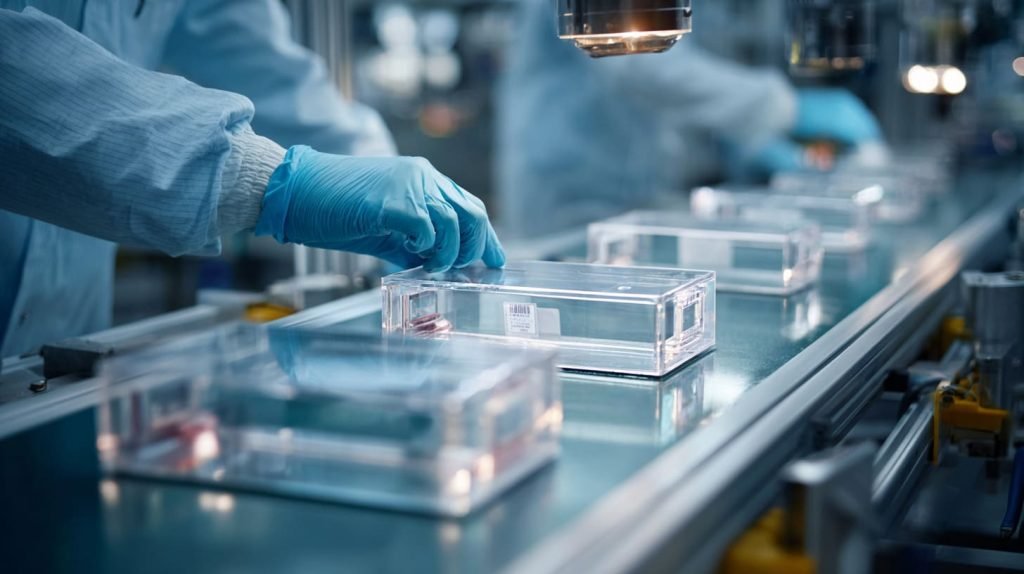
Portfolios tell stories. But you need to read between the lines.
Request real sample photos and customer references
Stock photos are everywhere. Ask for real production shots. Bonus points if the factory blurs client logos (shows they respect NDAs).
Look at packaging quality and attention to details
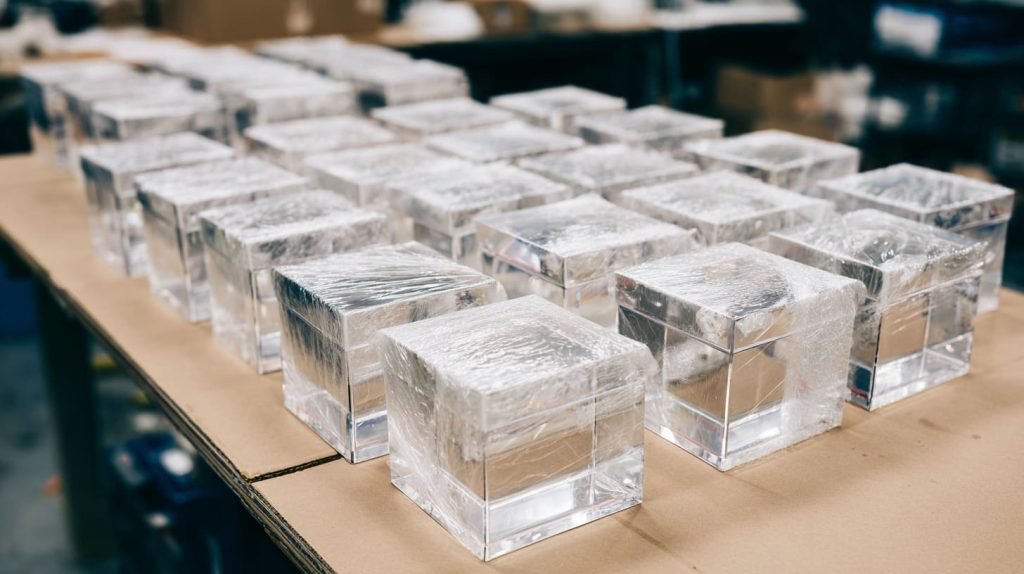
Acrylic scratches easily. If they ship it in loose cardboard—run.
| Good Packaging | Red Flags |
|---|---|
| Foam or film wrap | No inner protection |
| Corner protectors | Loose items in large box |
| Labeled and sealed bags | Dust, fingerprints inside |
Red flags in “too good to be true” portfolios
If every sample looks like a catalog… they might not be real. Ask:
- “Can you walk me through how this piece was made?”
- “Who was the client industry?”
Understand Communication and Responsiveness

Good acrylic boxes start with great conversations.
How quickly and clearly do they reply?
If you ask a technical question and get silence for 4 days… that’s your answer. Responsiveness now = responsiveness later.
Do they understand drawings and CAD files?
Don’t assume. Ask if they have engineers who can read 2D/3D files. Misunderstood drawings = costly remakes.
Are there engineers or English-speaking sales staff?
Some of the best experiences I’ve had were with bilingual sales engineers. They knew what I meant—and how to make it real.
Next: money matters. But not how you think.
Compare Pricing but Don't Prioritize It First
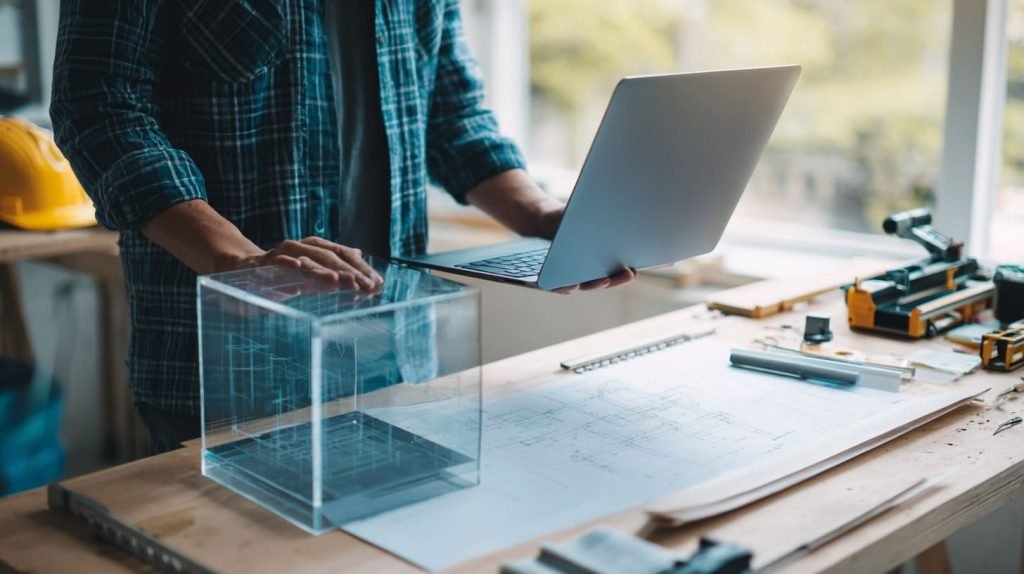
It’s easy to chase the lowest quote. But cheap often means… disappointing.
Hidden costs in cheap offers: material downgrade, poor finish
One factory saved 20% by using 0.8mm sheets instead of 1.0mm. I didn’t find out until the boxes started breaking in transit.
What’s included in quote: mold fee, setup cost, packaging?
Ask for a quote breakdown like this:
| Cost Element | Included? |
|---|---|
| Mold/fixture fee | ✔️ / ❌ |
| Logo printing | ✔️ / ❌ |
| Protective film | ✔️ / ❌ |
| Packaging | ✔️ / ❌ |
Value vs cost: long-term supplier thinking
The right partner saves you money—not just today, but across months of trust, stability, and fewer problems.
Ask About Logistics and Shipping Options
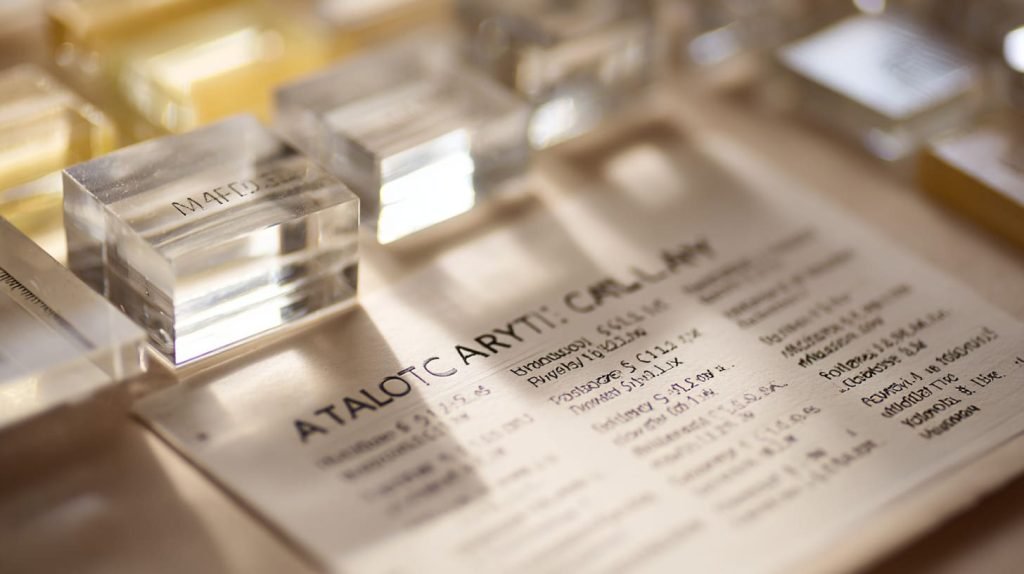
Even the best box is useless if it arrives damaged or late.
Can they handle DDP, EXW, FOB terms?
If you’re new to shipping, ask if they offer DDP (Delivered Duty Paid). It saves you headaches.
Experience with international exports and customs
A good sign: they ask for importer tax ID or offer HS codes. That means they know what they’re doing.
Packaging strength and damage prevention
Again: acrylic = fragile. Look for factories that overprotect, not underprotect.
Visit the Factory If Possible (or Request Video Tour)
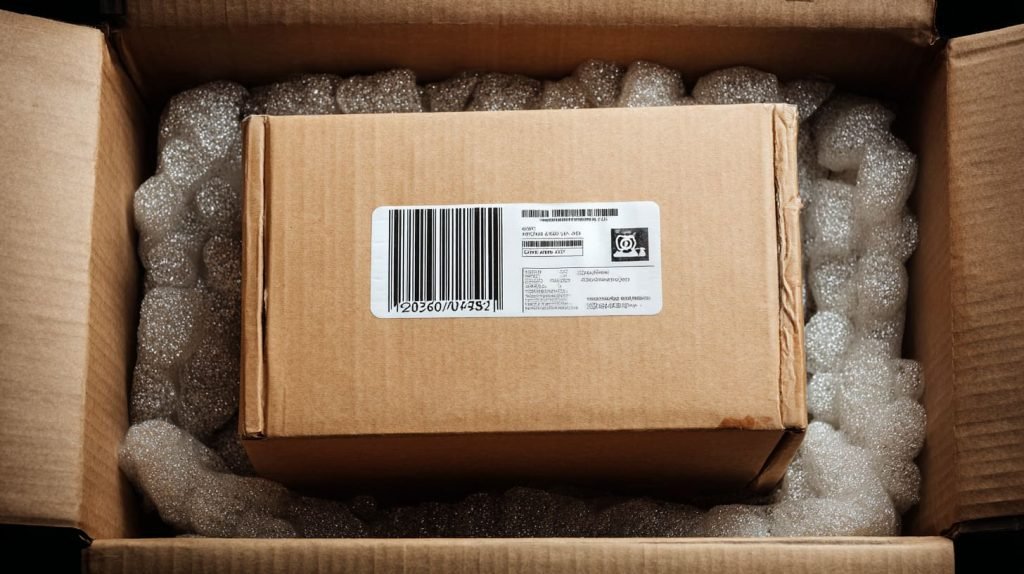
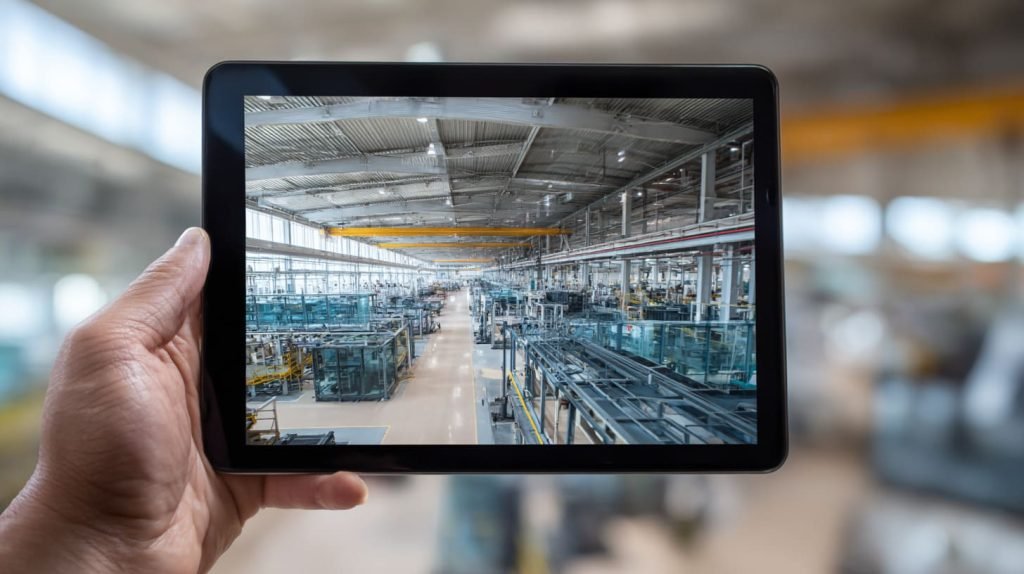
I get it—not everyone can fly to China or Vietnam. But you can ask for a video.
What to look for during a factory tour
- Clean workspace
- Machines running, not idle
- Workers using gloves for clear parts
- Final inspection station before packing
Signs of a professional, real manufacturing environment
You want order, not chaos. Labels. Bins. Flow. That’s a real factory—not a showroom.
Using third-party sourcing agents if you can’t visit
They can verify all of the above. Just make sure they’re independent—not tied to the factory.
Let’s wrap this up with how I always start my own orders.
Build a Trial Order Strategy
Start small, think big.
Start with a pilot batch to verify quality
Ask for 50–100 pcs first. Make sure it meets your standards.
Test packaging, communication, delivery speed
Don’t just check the box. Check:
- Did they confirm production steps?
- Was there a tracking number on time?
- Did packaging arrive damage-free?
Build trust before scaling to large orders
Once the small order goes well—scale confidently. You’ve got your supplier.
Conclusion
I’ve learned this the hard way: a good custom acrylic box supplier doesn’t just deliver boxes—they deliver peace of mind. They save you stress, protect your margins, and help you win.
So go slow. Ask questions. Look deeper. The right factory is worth the extra email.