Skip to content
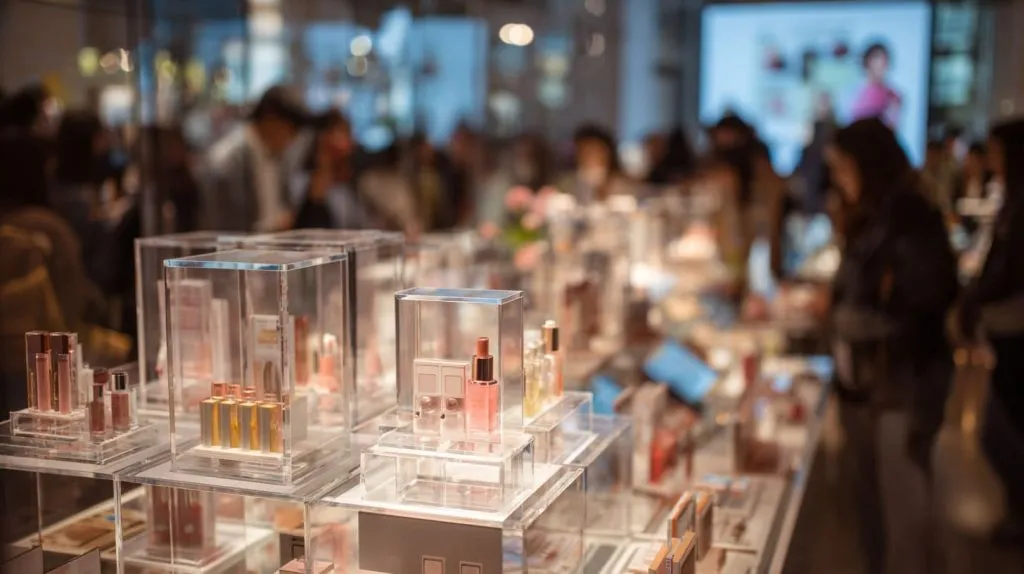
The store was packed. But no one noticed our product—until we added a simple display. Suddenly, they stopped. They looked. They bought.
The future of the POP (Point-of-Purchase) display market lies in customization, eco-friendly materials, modular design, and digital integration to meet changing retail trends and consumer habits.
I used to think displays were just decoration. But now, they’ve become one of the sharpest tools in a marketer’s kit. Let’s dig into why this quiet corner of the retail world is about to get very loud.
What is a POP display in marketing?
They’re everywhere—you just don’t always notice them until you do.
A POP display is a standalone structure placed near or at the point of sale to promote products and influence impulse buying.
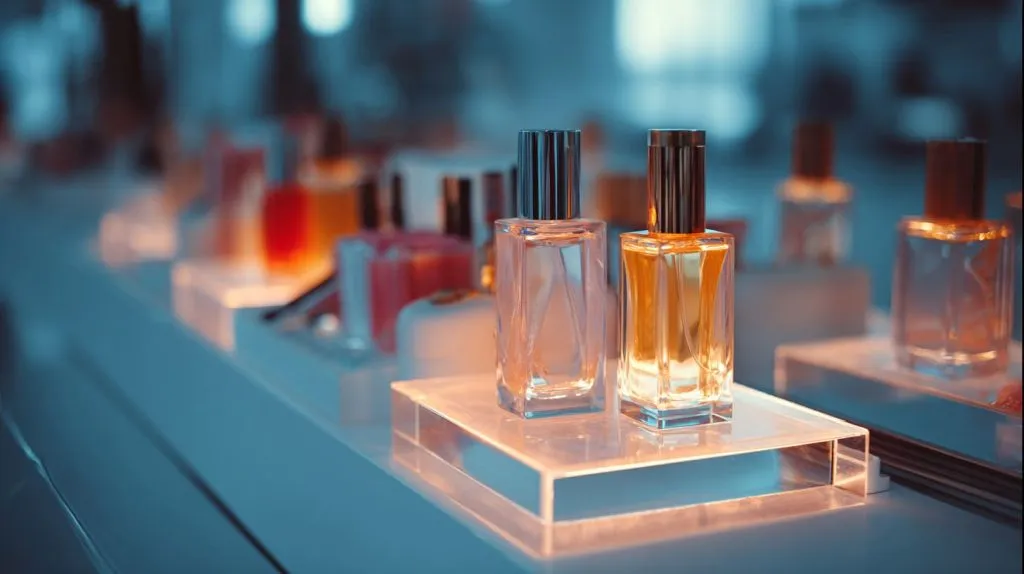
More than a sign—it’s a silent salesperson
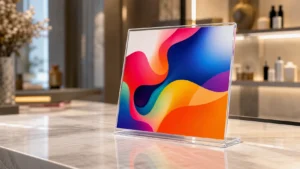
POP displays guide attention. They suggest value without a single word. Think countertop acrylic boxes holding beauty samples, or tiered shelves showcasing tech gadgets. Each one nudges the shopper closer to “yes.”
Types of POP Displays
| Type | Placement | Common Use |
|---|---|---|
| Countertop | Near registers | Small cosmetics, impulse buys |
| Floor-standing | Aisles, corners | Feature products, seasonal |
| Endcap | Aisle ends | Promotions, new launches |
| Shelf edge talker | On shelving | Price callouts, features |
They aren’t just ads. They’re miniature stages where products get to shine.
Why do merchandisers use POP displays?
Retailers need to cut through the noise. Displays do it fast.
POP displays increase visibility, encourage impulse decisions, and highlight promotional or high-margin items.
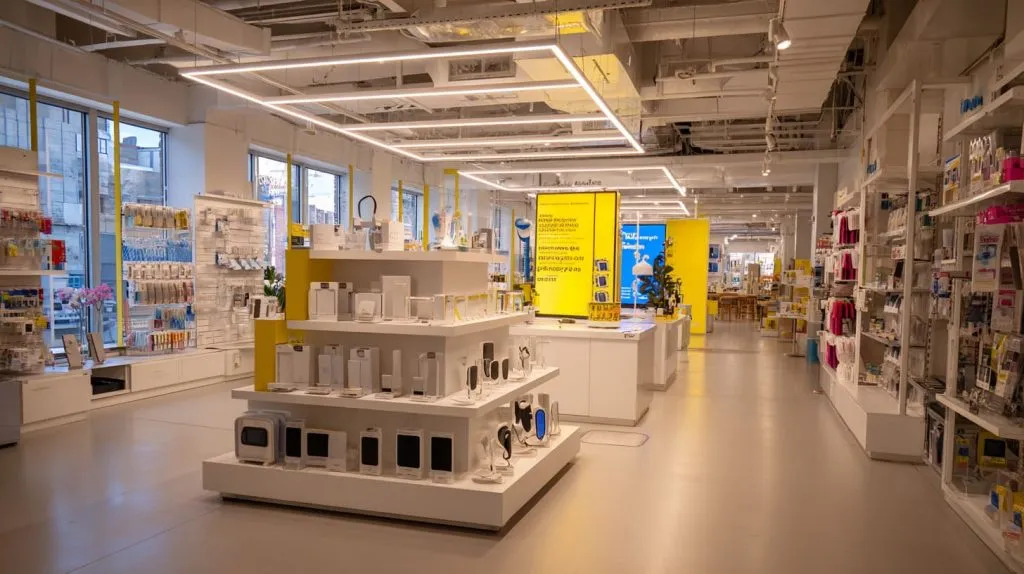
The psychology behind placement
Ever picked up gum at checkout? That wasn’t random. Displays are engineered to catch the eye in high-traffic zones. They reduce the number of decisions a shopper has to make. One look, one grab, one extra sale.
What is the forecast for the display market?
Every number I’ve seen points upward.
The POP display market is expected to grow steadily, driven by demand in retail, cosmetics, electronics, and food sectors.
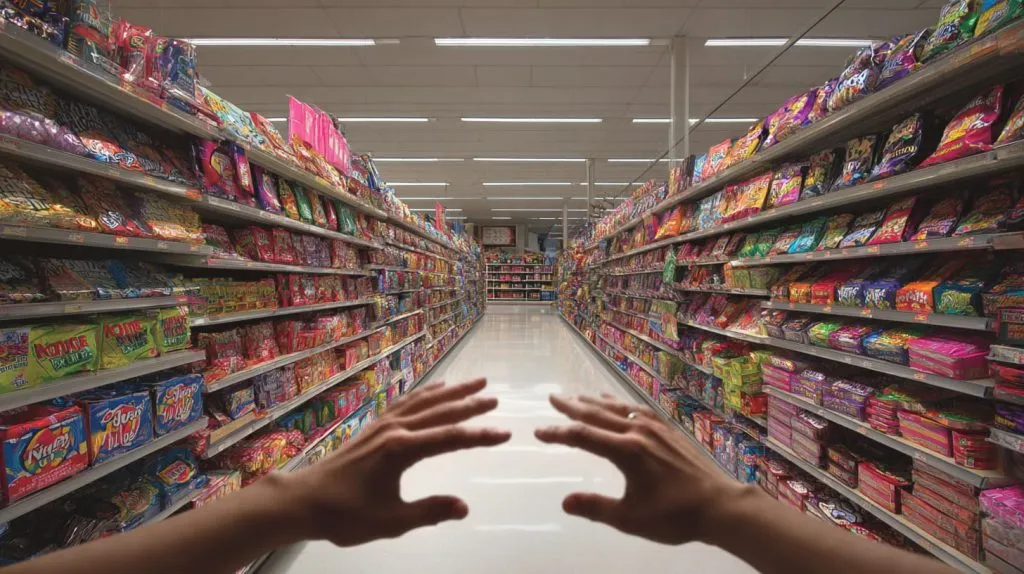
Steady growth with new faces
More online-first brands are entering brick-and-mortar. That shift alone has retailers investing in storytelling displays—ones that carry branding, color, and culture. Displays aren’t just informational now—they’re visual experiences.
What are the disadvantages of POP displays?
Displays aren’t perfect. I’ve learned that the hard way.
They can clutter stores, increase setup labor, and add cost if not designed efficiently.
The balance of form and function
Too many displays and you overwhelm the shopper. Too few, and products vanish into the shelves. It’s a balancing act. Also, non-reusable displays generate waste and cost you more long term.
What industries are driving demand for POP displays in 2025 and beyond?
Some industries just can’t live without displays.
Cosmetics, electronics, health supplements, and food & beverage are major drivers of POP display growth.
Cosmetics are leading the charge
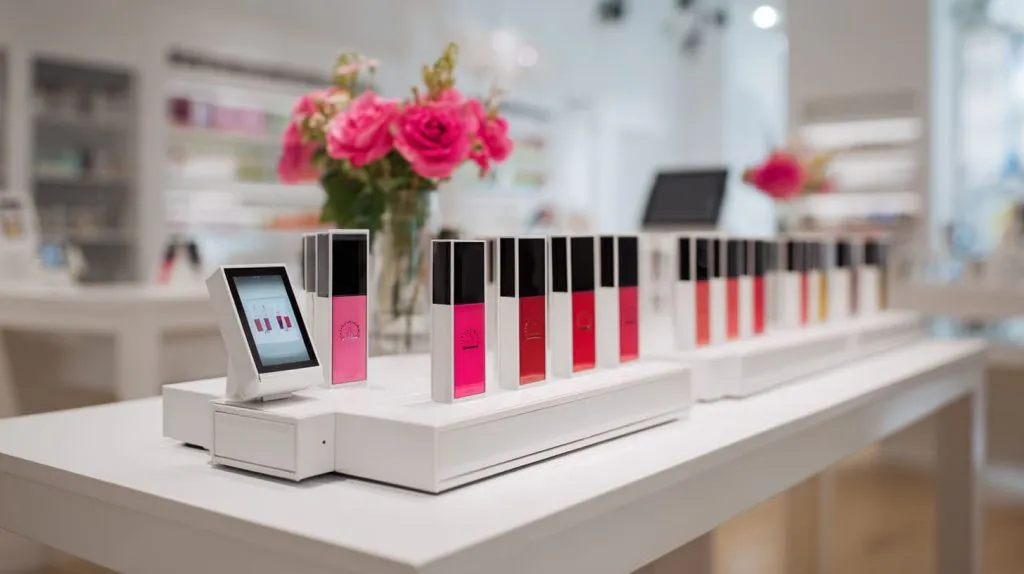
Cosmetics brands—especially in Asia and North America—are obsessed with presentation. Every lipstick or serum comes with a tiny stage. And consumers? They expect it.
How are eco-friendly materials changing the POP display industry?
Green is no longer a niche. It’s the expectation.
Eco-friendly POP displays reduce plastic waste, use recycled materials, and help brands align with sustainability goals.
Acrylic and bamboo are leading alternatives
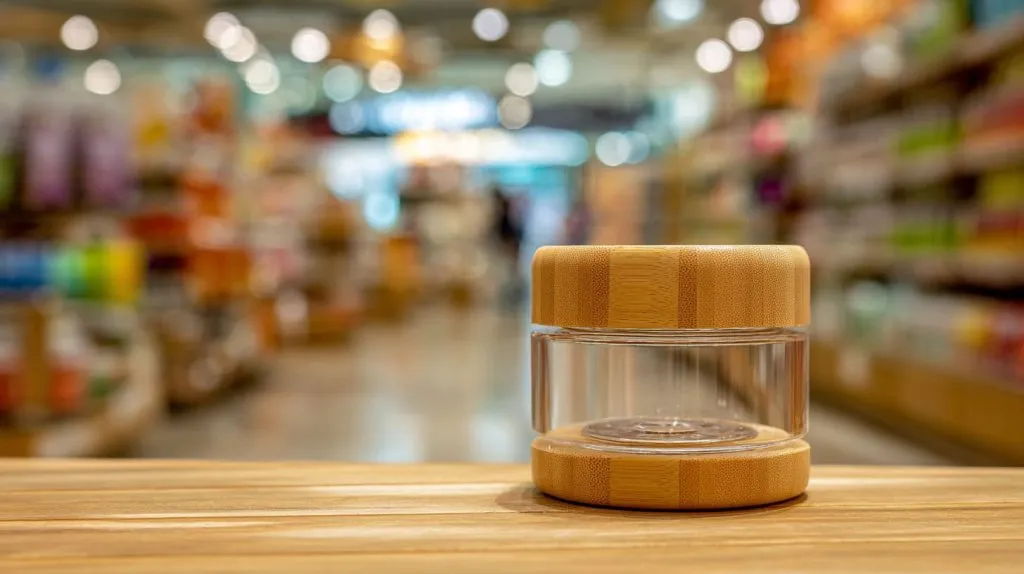
I’ve seen more brands ask for GSG-certified acrylic or bamboo composite. They want display impact without the environmental guilt. Especially in Europe, “sustainability” isn’t just a buzzword—it’s a purchase trigger.
What role does customization play in the future of POP displays?
No more one-size-fits-all.
Customization helps brands reflect identity, improve user experience, and stay competitive on retail shelves.
Branding is visual memory
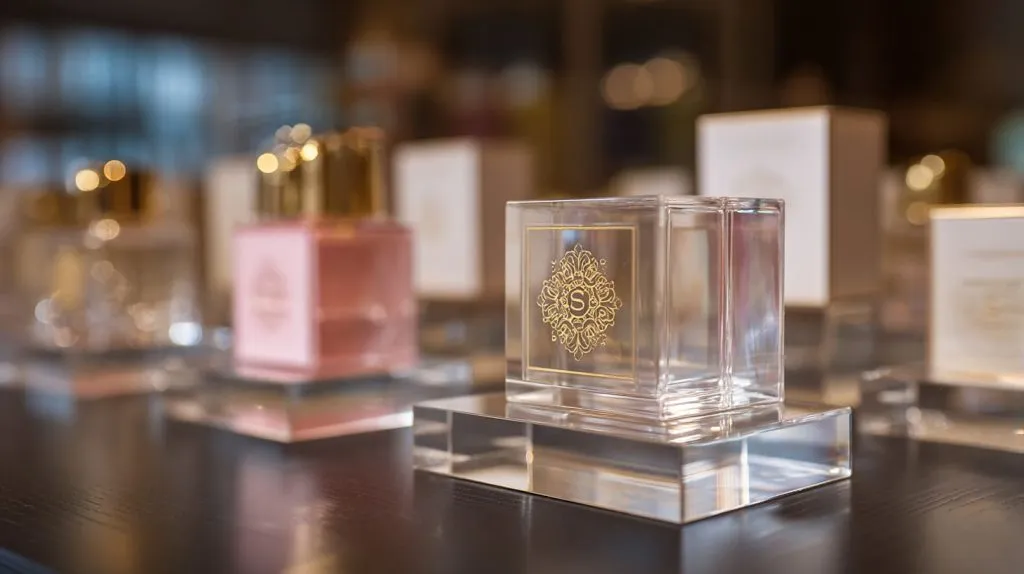
When a client asked for a gold-engraved logo on a lip gloss stand, I didn’t think it mattered much. But after a successful launch, they told me customers kept complimenting the display. That’s when I knew: design leaves an imprint.
Why are acrylic POP displays gaining popularity over cardboard or metal?
They just look better—and last longer.
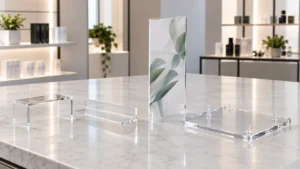
Acrylic POP displays offer transparency, durability, and premium aesthetics at a competitive cost.
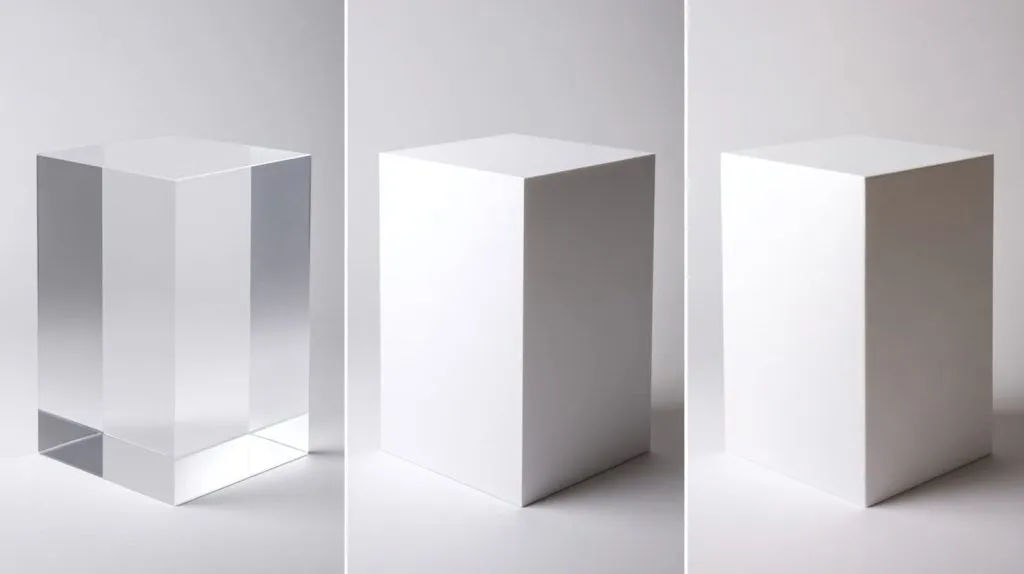
Acrylic vs. Cardboard vs. Metal
| Feature | Acrylic | Cardboard | Metal |
|---|---|---|---|
| Look & Finish | Premium | Basic | Industrial |
| Reusability | High | Low | Medium |
| Cost | Moderate | Low | High |
| Customization | Easy | Limited | Moderate |
Acrylic sits right in the sweet spot—strong, sleek, and not too pricey.
How is digital integration transforming traditional POP displays?
Screens are sneaking in—quietly, but powerfully.
Digital POP displays use sensors, QR codes, or screens to create interactive in-store experiences.
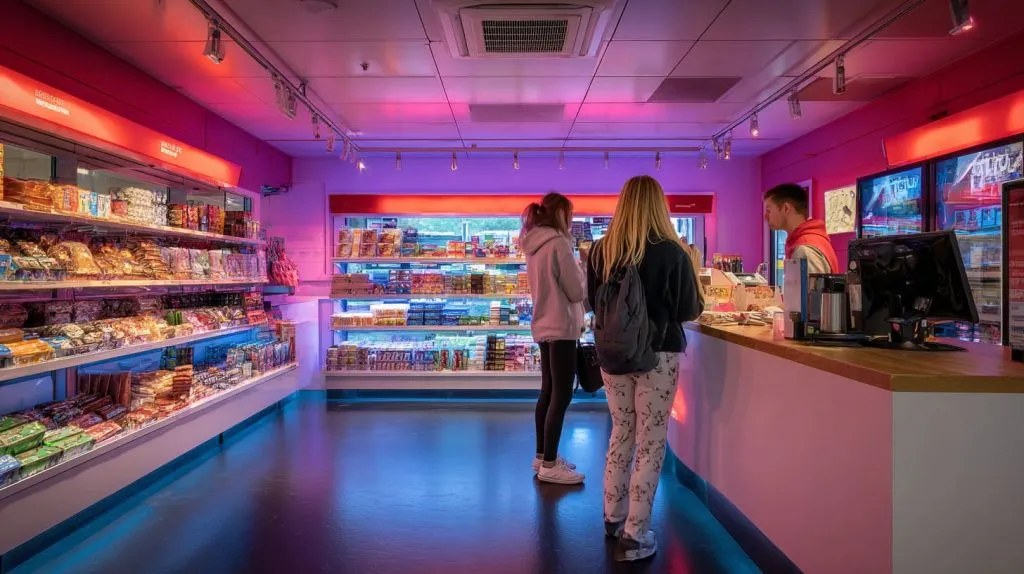
I once saw a display greet customers by name
Not kidding. It had motion sensors and a mini tablet. It felt personal, weird, and cool—all at once. Expect more of this. Retailers want smart displays that adapt, react, and track.
What’s the expected CAGR of the global POP display market?
The numbers don’t lie.
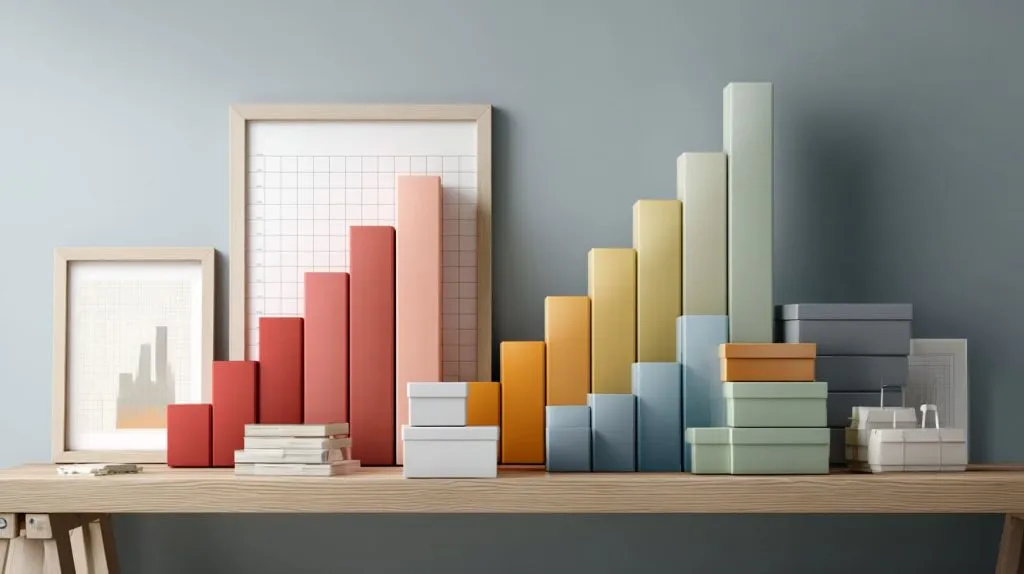
The global POP display market is projected to grow at a CAGR of around 5–7% between 2024 and 2030.
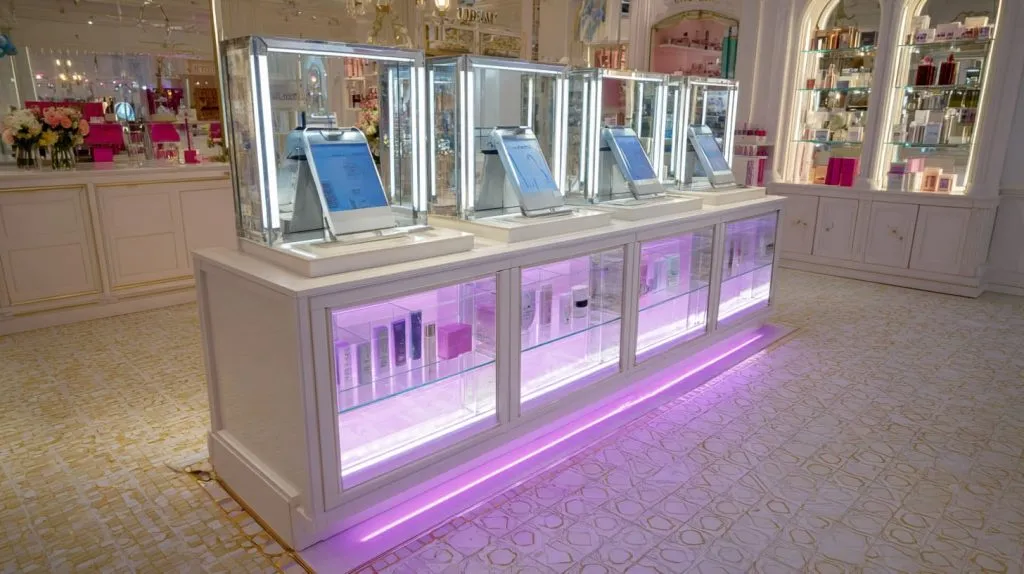
Regional differences matter
North America and Asia Pacific are driving this growth. Why? More physical store launches, stronger brand presence strategies, and—frankly—consumer boredom with plain shelves.
How do changing consumer behaviors impact in-store display strategies?
People shop differently now.
Shorter attention spans and mobile distractions mean displays must grab attention faster and hold it longer.
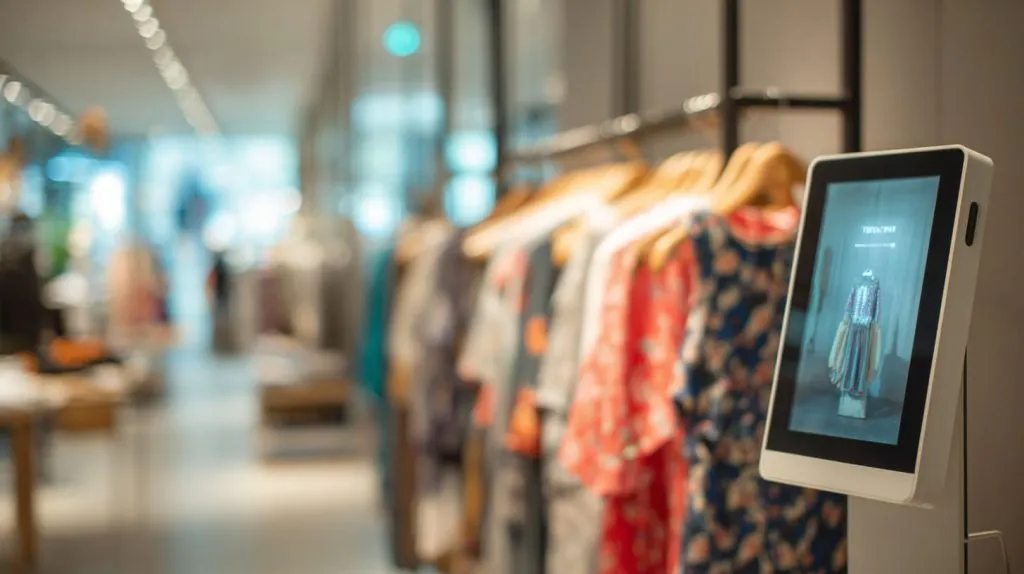
Think: scroll-stopping, but in real life
Displays today must mimic social media—bold colors, bite-sized info, something “Instagrammable.” Static posters won’t cut it anymore.
What are the emerging trends in cosmetic product displays for retail?
Beauty displays are becoming mini-experiences.
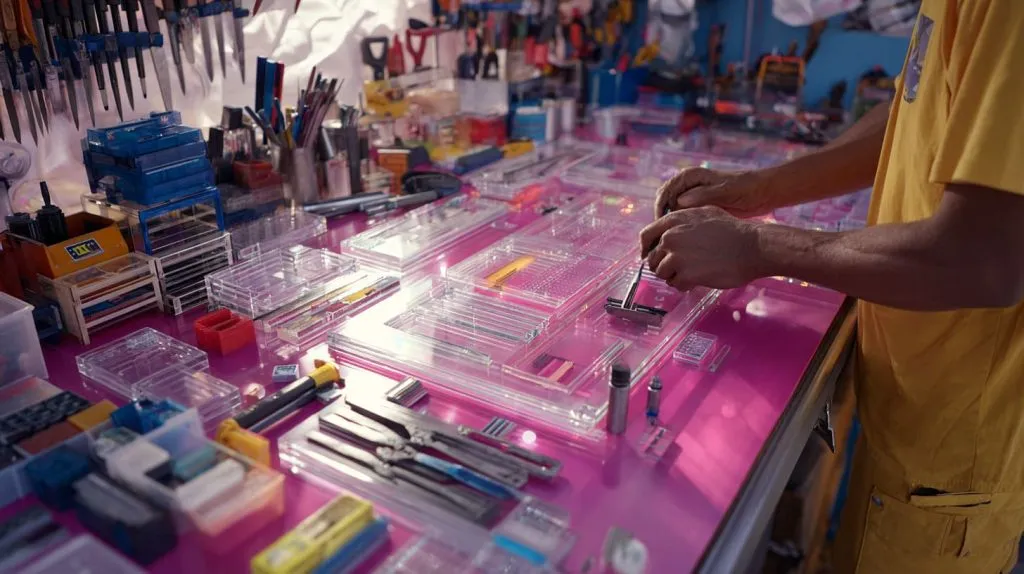
Trends include lighting effects, mirrored bases, tester integration, and multi-tiered clear displays.
Customers want to touch, test, and feel
Displays with built-in testers, sensor lighting, and refill counters are becoming the norm. It’s no longer “look and decide”—it’s “feel and connect.”
How can manufacturers reduce lead time in custom POP display production?
Time kills momentum. I’ve felt that pressure.
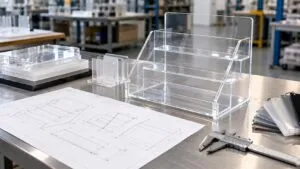
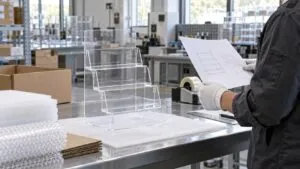
Using local materials, pre-approved molds, and digital design previews helps slash production timelines.
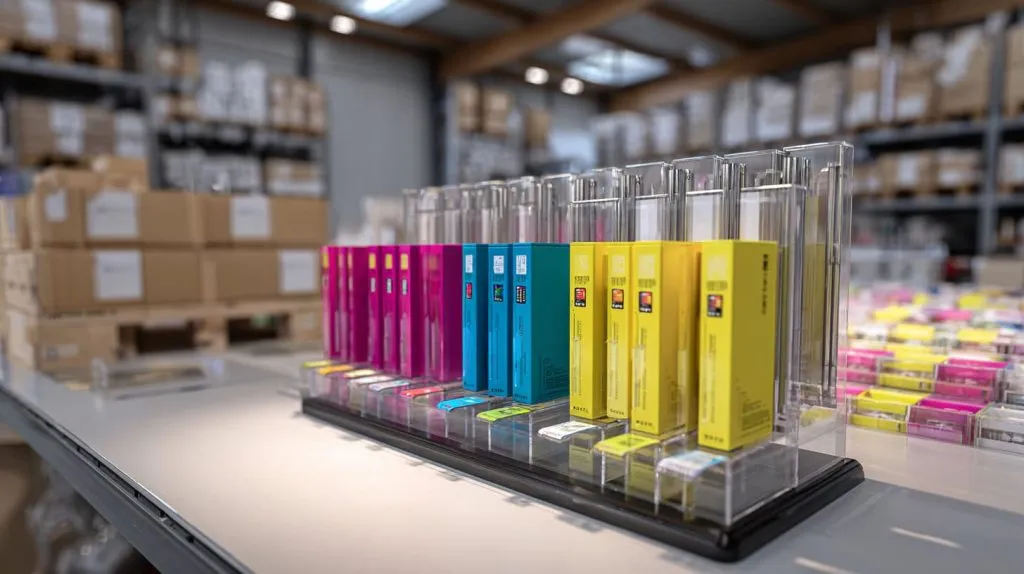
We use 5 lines—but speed isn’t just machines
Speed comes from prep. If we get final drawings fast, we cut lead time by 30%. Jacky, if you’re reading this—you know what I mean.
Are modular and reusable POP displays the future of retail merchandising?
Buy once. Reuse often.
Modular POP displays allow for quick changes, seasonal updates, and long-term cost savings.
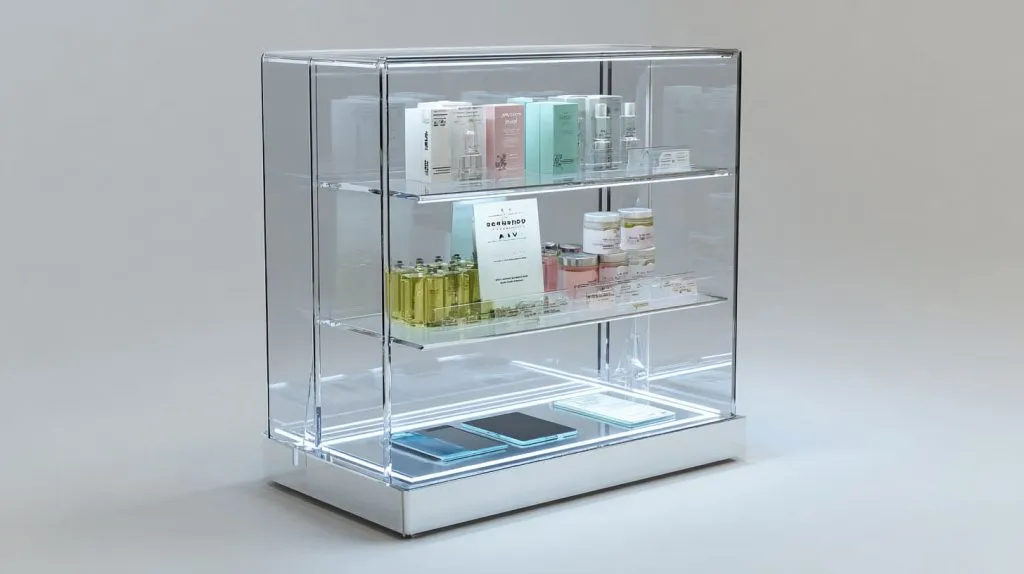
A growing favorite for global brands
We’ve made displays where only the header card swaps out. The base? Same unit for three seasons. It’s smarter, cheaper, and lighter on logistics.
Conclusion
POP displays are evolving fast—with acrylic, customization, and sustainability leading the way. The future? Functional, beautiful, and smart.