Skip to content

Acrylic trays rarely get credit. They sit under products. They stay quiet. When they work, nobody notices them.
But after more than a decade working with buyers and designers, I’ve learned something simple. When trays are wrong, shelves feel tense. When trays are right, everything slows down and feels controlled.
I’ve seen this in cosmetics counters, retail chains, and showrooms. The product may be premium. The branding may be strong. But the tray decides if the setup feels cheap or confident. This balance between how something looks and how it works is where custom acrylic trays quietly earn their place.
This guide is written for people like Jacky. Experienced buyers. Designers. Purchasing managers who already know acrylic. You don’t need beginner definitions. You need judgment, trade-offs, and practical thinking that holds up after delivery.
That question—why trays matter more than they seem—always pushes me to start with basics.
What Are Custom Acrylic Trays?
Definition and core concept
A custom acrylic tray is not a generic holder. It is built around a product, a space, and how people interact with both.
Standard trays try to fit many uses. Custom trays accept only one job and try to do it well.
I often tell buyers this:
A standard tray organizes. A custom tray decides behavior.
| Tray Type | Design Logic | Result |
|---|---|---|
| Standard tray | One-size approach | Compromise everywhere |
| Custom acrylic tray | Product-driven | Control and consistency |
In B2B settings, this control matters. It reduces adjustment by staff. It reduces visual noise. It also reduces complaints later.
Common materials and finishes
Not all acrylic behaves the same. This is where many early mistakes start.
| Option | When I Use It | Risk If Misused |
|---|---|---|
| Cast acrylic | Premium displays | Higher cost |
| Extruded acrylic | Cost-driven projects | Easier to scratch |
| Clear | Product-first displays | Shows dust easily |
| Frosted | Soft, calm visuals | Loses sharp contrast |
| Colored / tinted | Brand-driven setups | Can overpower products |
Choosing finish is not about taste. It is about what should speak first—the product or the structure.
Before moving on, here’s a thought that often changes conversations:
If the tray is the first thing people see, something went wrong. That idea leads directly into why acrylic trays dominate B2B use.
Why Acrylic Trays Are Widely Used in B2B Applications

Visual clarity and product focus
Transparency is not a design trick. It is a discipline. Acrylic removes itself from the conversation.
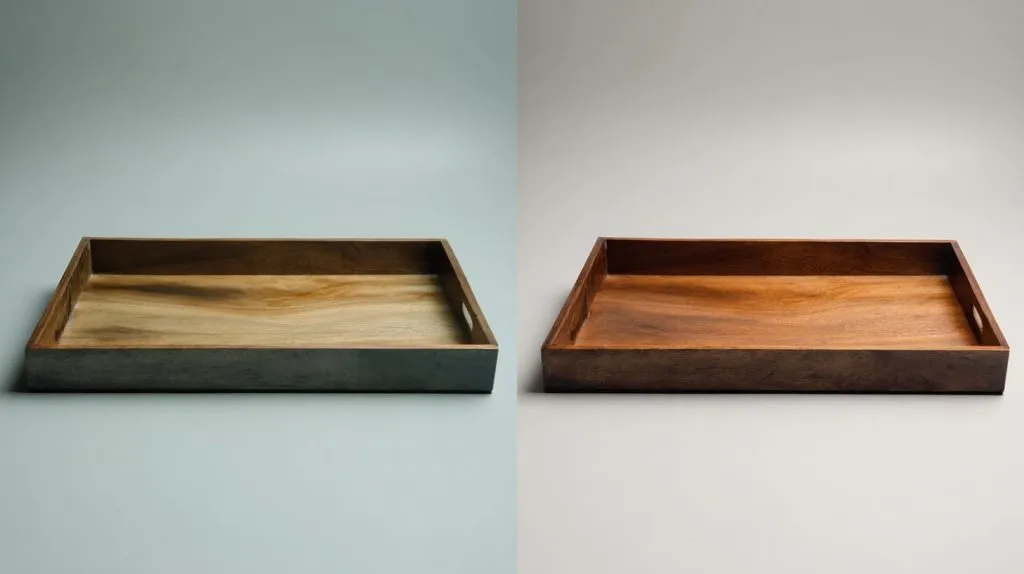
I’ve compared the same product placed on wood, metal, and acrylic. Acrylic almost always wins when the goal is clarity.
| Material | Visual Effect |
|---|---|
| Acrylic | Clean, quiet, controlled |
| Metal | Strong but distracting |
| Wood | Warm but inconsistent |
This is why buyers return to acrylic even after trying alternatives.
Durability and long-term performance
Acrylic is not fragile like glass. It absorbs impact. It bends before it fails.
| Material | Impact Behavior |
|---|---|
| Glass | Shatters |
| Acrylic | Absorbs shock |
| PET / PS | Warps or cracks |
This matters in retail. It matters even more in logistics.
Weight and handling advantages
Weight is a silent cost. Heavy trays slow down installation, packing, and resets.
Acrylic trays:
- Reduce shipping weight
- Lower breakage risk
- Speed up setup
After seeing pallets arrive damaged, many buyers stop debating weight and choose acrylic by default.
Once material choice feels clear, the next real challenge appears: design decisions.
Key Design Factors for Custom Acrylic Trays

Dimensions and thickness selection
Thickness is not about strength alone. It is about feel.
| Thickness | My Typical Use |
|---|---|
| 3–4 mm | Light products |
| 5–6 mm | Most retail trays |
| 8 mm+ | Heavy or premium displays |
Too thin feels weak. Too thick feels clumsy. Balance matters.
Edge finishing and detailing
Edges change perception more than people expect.
- Polished edges feel premium
- Rounded corners feel safe
- Sharp edges feel rushed
I’ve seen buyers reject trays only because edges felt wrong in hand.
Compartments and internal structure
Single-slot trays look calm. Multi-slot trays control behavior.
| Structure | Best Use |
|---|---|
| Single slot | Hero products |
| Multi-slot | High-traffic retail |
Branding and customization options
Branding should whisper, not shout.
| Method | When It Works |
|---|---|
| Engraving | Long-term use |
| Printing | Short campaigns |
Once design feels right, many projects still fail due to small functional oversights.
Functional Considerations That Buyers Often Overlook
Stability and anti-slip performance
A tray that slides breaks trust. Period.
Anti-slip bases, weight balance, and contact surface matter more than people expect.
Cleaning and maintenance
Clear acrylic shows everything.
| Finish | Cleaning Reality |
|---|---|
| Glossy | Shows fingerprints |
| Frosted | Hides marks |
Choosing finish is choosing maintenance behavior.
Stackability and modular use
Storage matters after displays are removed.
Trays that stack:
- Save space
- Reduce damage
- Lower labor cost
When function fails quietly, buyers feel it months later. That’s why use cases matter.
Typical Application Scenarios
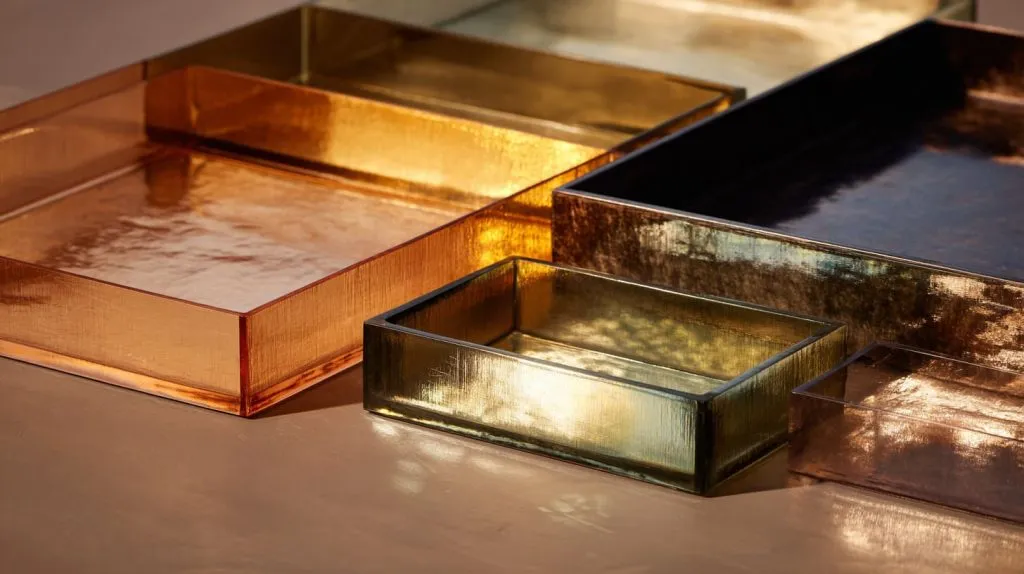
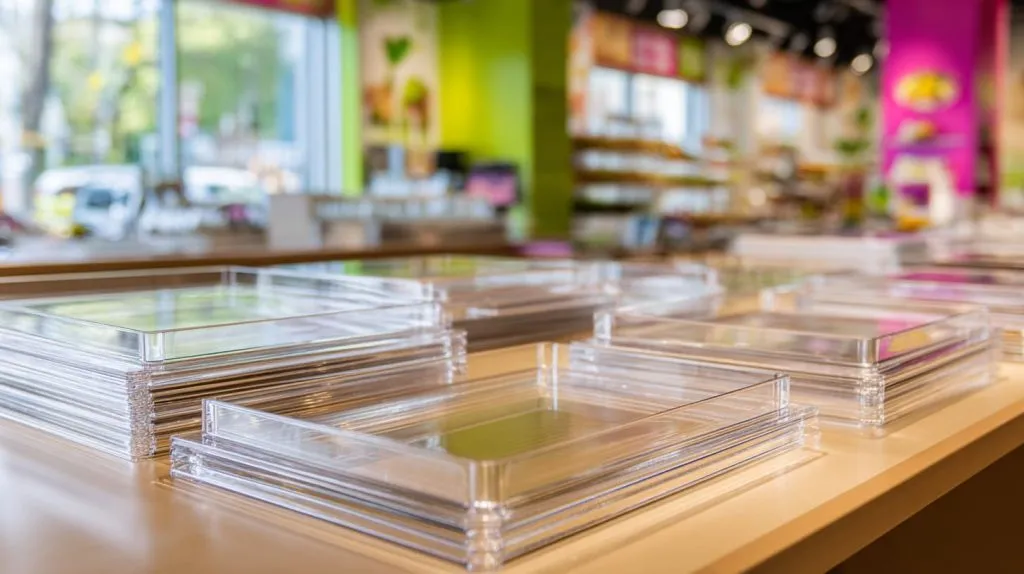
Retail and cosmetic displays
Here, trays control alignment and spacing. They reduce staff adjustment time.
Trade shows and exhibitions
Portability matters. Acrylic wins when displays travel often.
Office and household organization
Function beats branding here. Simplicity wins.
After seeing use cases, buyers often ask the same question: Why not other materials?
Custom Acrylic Trays vs. Other Tray Materials
Acrylic vs. glass trays
| Factor | Acrylic | Glass |
|---|---|---|
| Safety | High | Low |
| Weight | Light | Heavy |
| Breakage | Rare | Common |
Acrylic vs. metal trays
Metal feels strong. Acrylic feels calm. Most retail needs calm.
Acrylic vs. wood or composite materials
Wood reacts to moisture. Acrylic stays stable.
Once material is chosen, manufacturing quality decides success.
Manufacturing and Quality Considerations
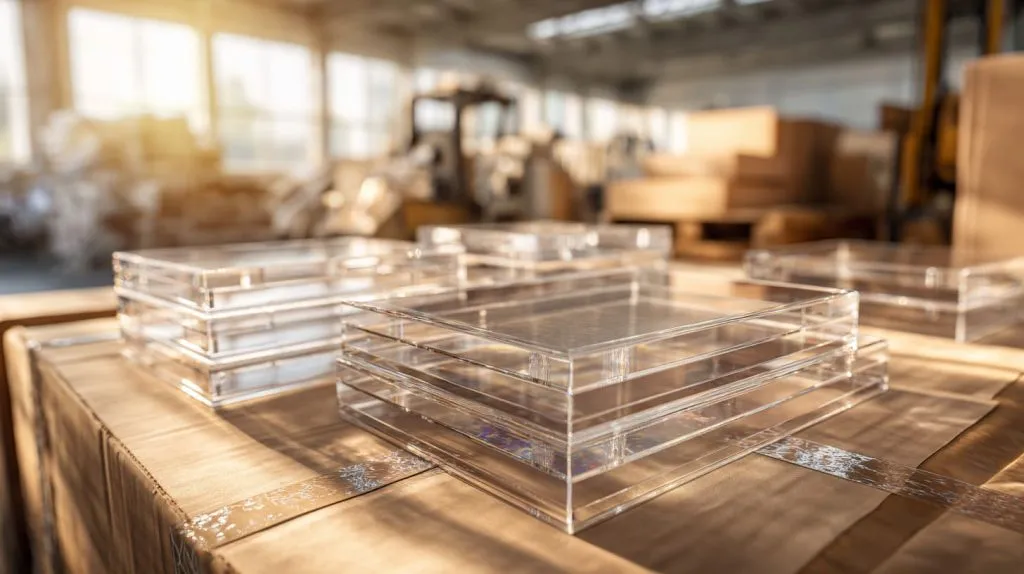
Production processes
Laser cutting defines shape. CNC defines accuracy. Bonding defines strength.
Tolerances and consistency
In bulk orders, small errors multiply.
| Issue | Result |
|---|---|
| Loose tolerance | Misalignment |
| Tight control | Repeatability |
Quality control standards
Clarity, edge quality, and flatness decide perception.
Cost questions always follow quality discussions.
Cost Structure and Pricing Factors
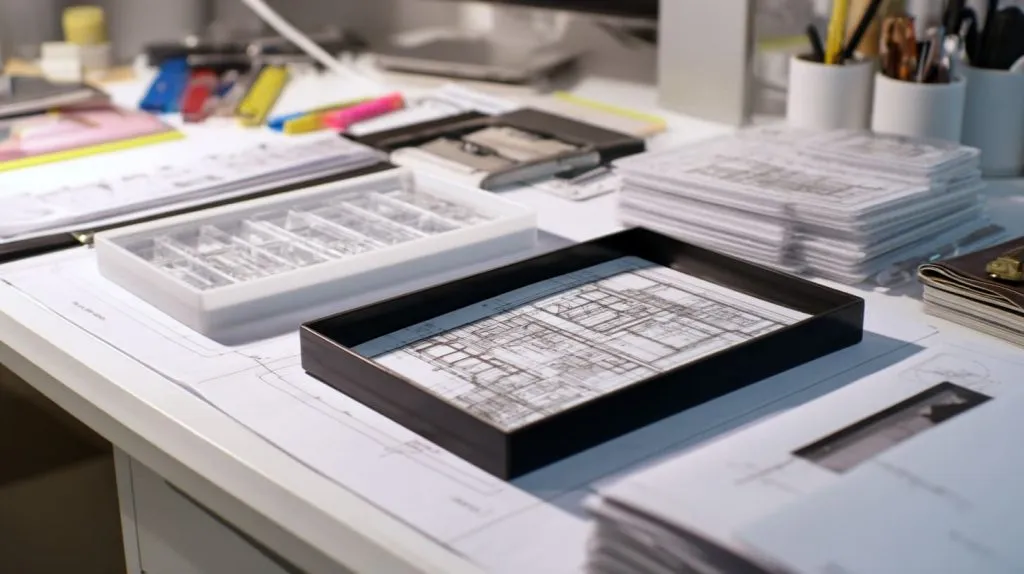
How design complexity affects cost
Curves, thickness, and finishes add time.
Order quantity and economies of scale
Small runs cost more per unit. Bulk rewards planning.
Hidden costs buyers should consider
Packaging and breakage often cost more than production mistakes.
Clear communication reduces cost faster than negotiation.
How to Communicate Requirements to a Manufacturer

Information buyers should prepare
- Dimensions
- Load weight
- Use environment
Common mistakes in early-stage communication
Assumptions slow projects.
Working efficiently with experienced factories
Samples save time. Revisions save money.
Conclusion

Custom acrylic trays work when style and function support each other. Not when one dominates.
From material choice to edge finish, every decision shapes how products are judged and handled.
For buyers like Jacky, the tray is not an accessory. It is a silent manager of behavior, space, and cost.
If you’re planning a custom acrylic tray project and want fewer surprises later, it’s worth slowing down early and asking better questions. That is where good trays begin.