Skip to content

A client leaned over a sample display stand we’d just finished and asked, “Is this just plastic—or something special?” His tone wasn’t dismissive. It was curious, almost cautious, like he was trying not to offend the effort behind the product.
Acrylic is a transparent plastic known for its glass-like clarity, durability, and ease of fabrication, often used in displays, signs, and custom retail products.
That question stayed with me. Because the truth is, acrylic is everywhere—and yet most people don’t realize what it really is, or why it’s so widely used. Let’s unpack that.
What are the advantages of acrylic?
It took me just one factory visit years ago to understand why everyone was switching to acrylic.
Acrylic is lightweight, weather-resistant, shatterproof, and easy to machine, making it ideal for both indoor and outdoor applications.
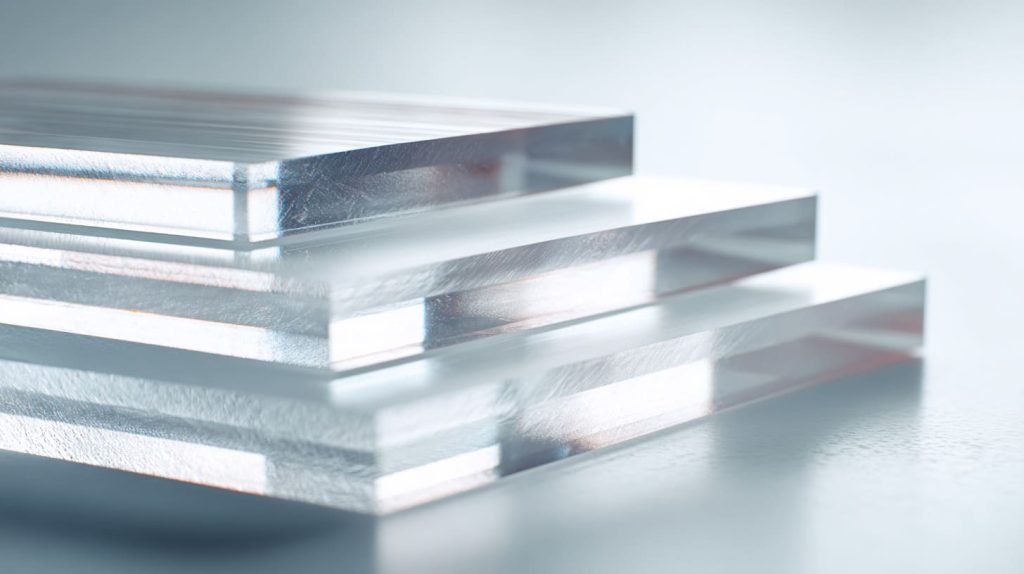
A closer look at its benefits:
| Feature | Advantage |
|---|---|
| Weight | Much lighter than glass |
| Strength | Doesn’t shatter like glass |
| Optical Clarity | Over 92% light transmission |
| Workability | Easy to cut, drill, print, and polish |
| UV Resistance | Can be UV-treated for outdoor use |
| Chemical Resistance | Better than most plastics |
This unique combo of properties gives designers more freedom to dream—and actually make it real.
What is acrylic made of and how is it produced?
You might be surprised—acrylic isn’t melted plastic. It’s a crafted material born from chemistry.
Acrylic is made from PMMA (polymethyl methacrylate), produced through polymerization of methyl methacrylate monomers.
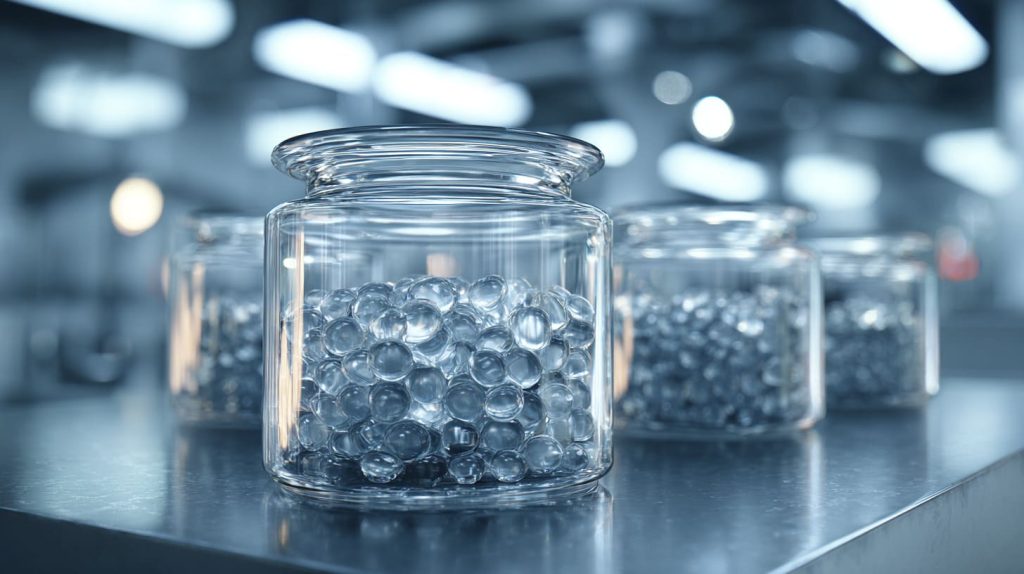
In simpler terms, it’s a carefully controlled chemical process. There are two main production methods:
- Cell Casting: Makes thicker, high-optical-grade sheets. Great for displays.
- Extrusion: Makes thin, cost-effective sheets. Better for bulk orders.
Both have their place depending on the project. I always ask clients where and how they’ll use it before suggesting the right type.
Is acrylic plastic the same as plexiglass or PMMA?
This question comes up in almost every first-time buyer meeting I’ve had.
Yes, acrylic, plexiglass, and PMMA all refer to the same base material—polymethyl methacrylate.
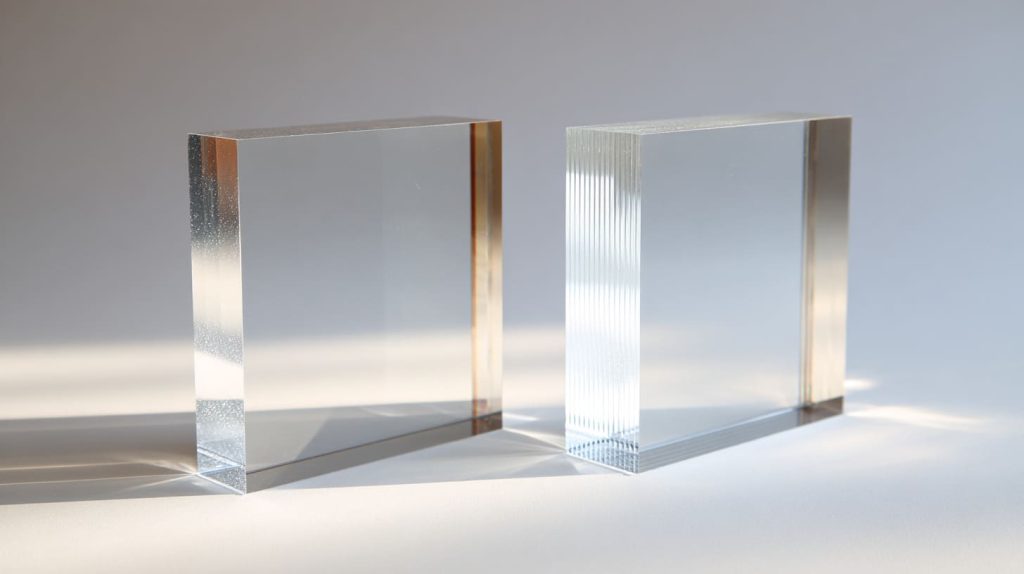
Here’s the breakdown:
- PMMA is the scientific name.
- Plexiglass is a brand name (like Kleenex for tissue).
- Acrylic is the common industry term.
Different names, same roots. And trust me, your supplier knows what you mean—just make sure you agree on grade and thickness.
What are the main advantages of acrylic compared to glass?
I’ve dropped both on the floor. Only one shattered.
Acrylic is stronger, lighter, safer, and easier to shape than glass, while still offering similar optical clarity.
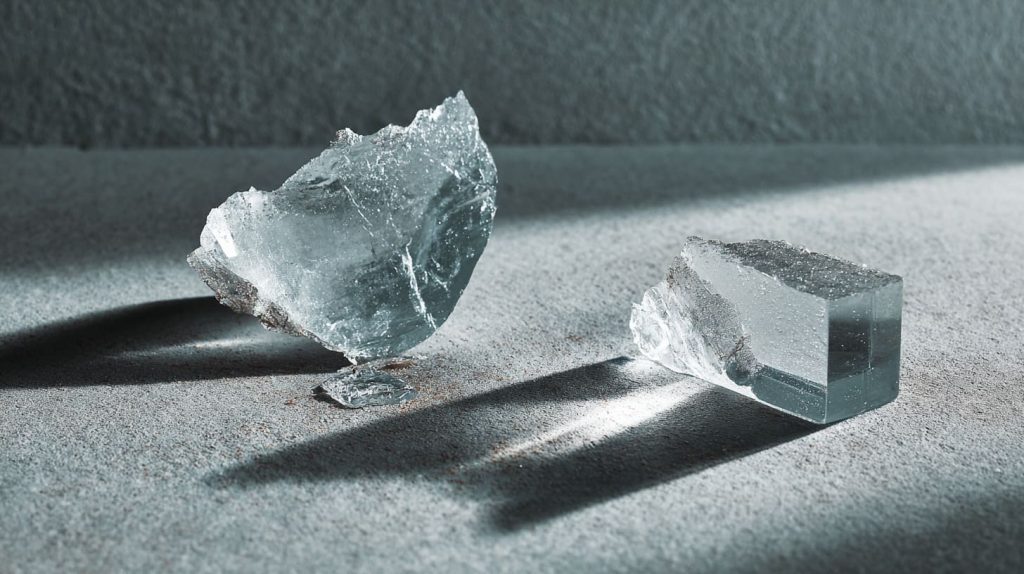
Acrylic vs Glass Comparison
| Property | Acrylic | Glass |
|---|---|---|
| Weight | ~50% lighter | Heavier |
| Shatter Risk | Very low | High |
| Impact Strength | 10x stronger | Brittle |
| Clarity | Very high | Very high |
| Workability | Easy to cut | Hard to machine |
That’s why retailers, museums, and even airports choose acrylic over glass—less risk, more flexibility.
What are the common uses of acrylic in displays and retail fixtures?
If you’ve ever walked through a beauty store or tech showroom, you’ve seen acrylic at work.
Acrylic is commonly used for sign holders, display risers, shelves, lightboxes, brochure stands, and product showcases.
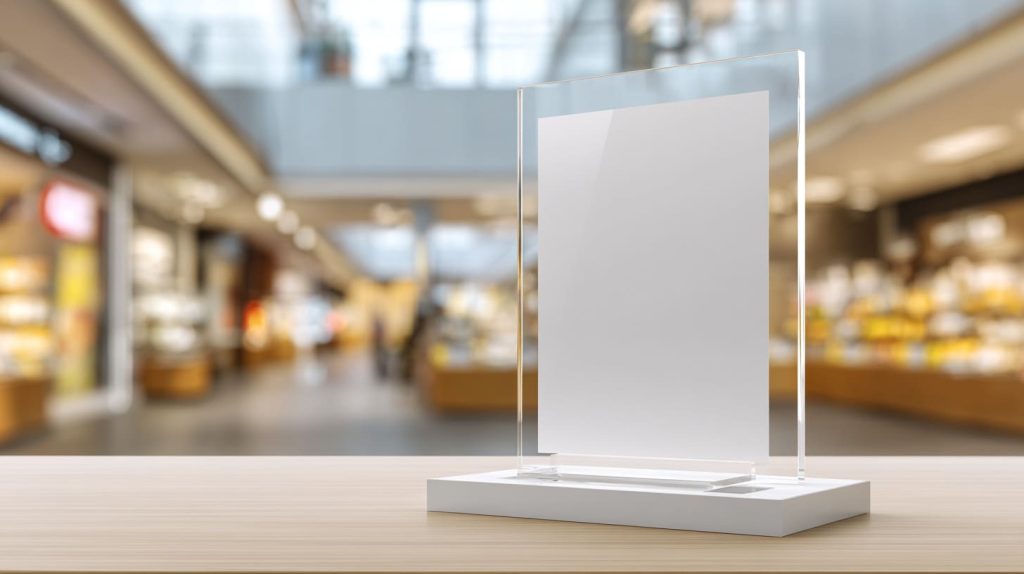
From sleek lipstick holders to high-end watch displays, it delivers a clean, modern look without stealing the spotlight. It’s functional, elegant, and customizable—everything visual merchandisers love.
Why do designers prefer acrylic for custom product manufacturing?
When I first started working with designers, I noticed one thing—they always asked for samples in acrylic first.
Designers prefer acrylic for its clarity, versatility, color options, and ability to be machined or printed with precision.
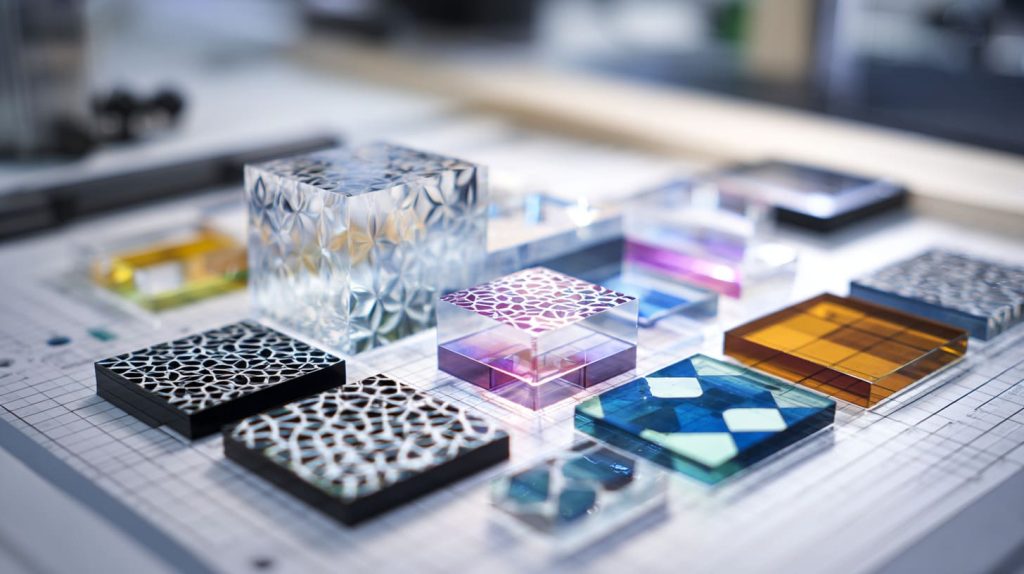
It plays nice with CNC cutting, laser etching, UV printing, even bending or bonding. And when you’re working on tight client deadlines or prototypes, speed matters.
Acrylic simply makes ideas real—fast and beautifully.
How durable is acrylic and how long does it last?
One of my first overseas projects used acrylic shelving outdoors. I checked five years later—still solid.
Acrylic can last 10–30 years depending on exposure, thickness, and whether it’s UV-treated.
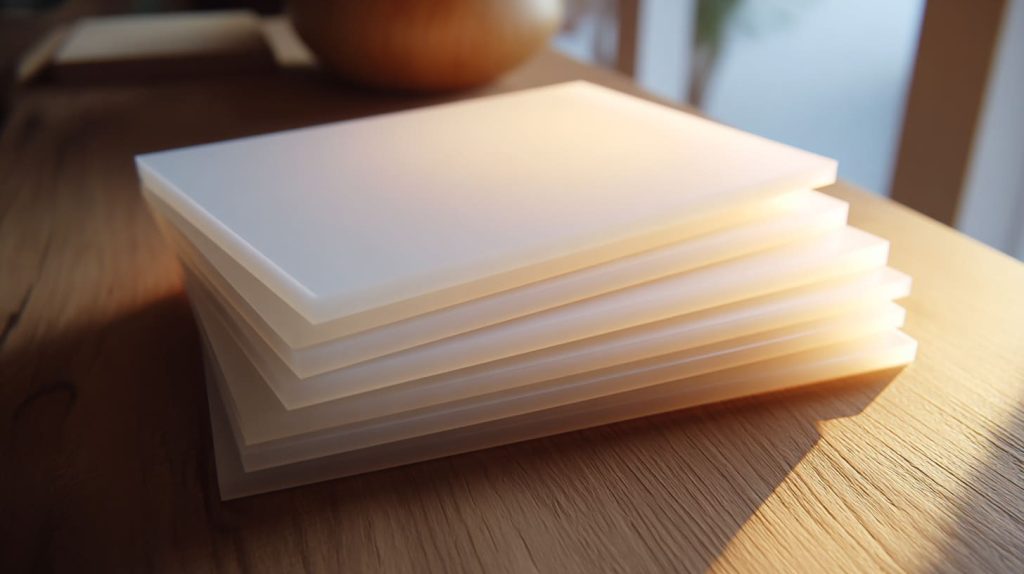
It won’t rust, it won’t splinter, and with minimal care, it stays clear and strong. For indoor use, especially in displays, it’s nearly maintenance-free. That’s long-term value.
Is acrylic safe and environmentally friendly?
Buyers today care about this—and so do I.
Acrylic is generally safe, BPA-free, and recyclable, though not biodegradable. Eco versions are available from responsible factories.

While it’s not as green as bamboo, it’s safer than many cheap plastics. At Feilong Acrylic, we use GSG-certified, eco-friendly raw material. We also support low-waste production and reuse offcuts where possible.
What thickness of acrylic should I choose for different applications?
This is one of the most common client questions I get.
The right thickness depends on load-bearing needs, size, and display type—ranging from 2mm (signs) to 10mm+ (furniture).

Acrylic Thickness Guide
| Application | Recommended Thickness |
|---|---|
| Business cards holder | 2mm – 3mm |
| Brochure holder | 3mm – 5mm |
| Retail shelving | 5mm – 8mm |
| Display boxes | 4mm – 6mm |
| Furniture parts / tables | 8mm – 15mm |
Choosing wrong affects both durability and aesthetics. Always better to ask than guess.
How do you maintain and clean acrylic to prevent scratches?
I learned the hard way—don’t wipe acrylic with your sleeve.
Use a microfiber cloth, water, or mild soap; never use ammonia-based cleaners or rough materials.

Acrylic scratches more easily than glass, but it can also be polished. Here are some simple maintenance tips:
- Use soft cloths only
- Avoid paper towels or dry wiping
- Use anti-static spray to reduce dust
- For scratches, try acrylic polish or buffing compound
Treat it kindly, and it stays looking new.
Can acrylic be customized with CNC machining, laser cutting, and printing?
Absolutely. That’s why I love working with it.
Acrylic is perfect for CNC routing, laser cutting, UV printing, and engraving—ideal for logos, cutouts, or custom shapes.
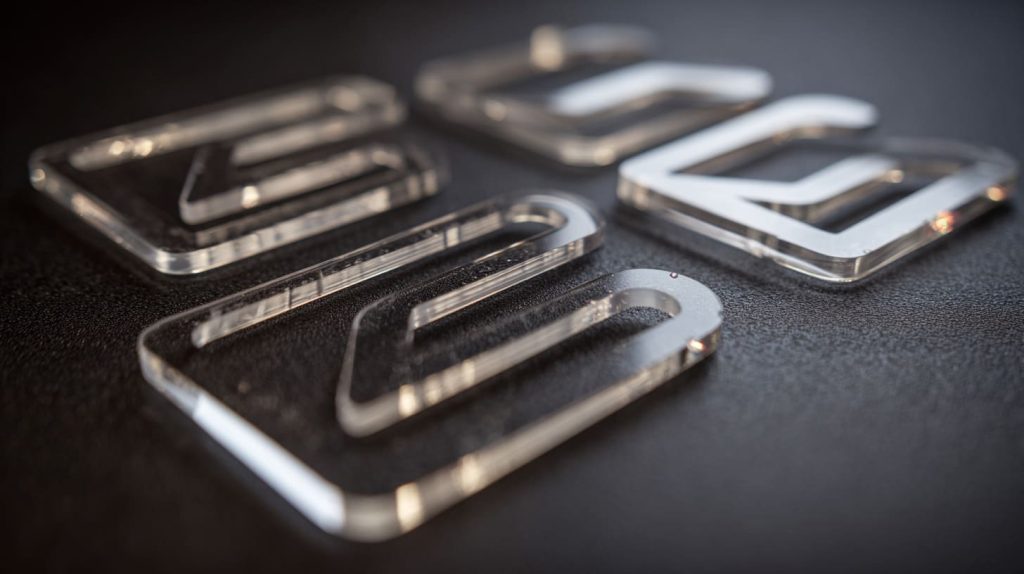
It takes detail beautifully, whether you're etching tiny letters or cutting complex curves. That’s what makes it ideal for:
- Custom signage
- Logo blocks
- Packaging windows
- Event branding
- Retail POP displays
Once you see how clean a laser-cut edge looks, you’ll never go back.
Conclusion
Acrylic isn’t just plastic—it’s clarity, strength, and creativity molded into form. That’s why it’s my go-to material for custom display projects.