Skip to content

There’s something unusual about how certain materials behave under light. You’re standing in front of a simple product shelf or a signage board, and suddenly, it draws your eye—without a single flicker of LED. That effect? It’s often fluorescent acrylic.
This material doesn’t glow because of electronics. It glows because of the way it absorbs and re-emits light. Fluorescent acrylic sheets are made by blending special dyes into the plastic, which then seem to catch ambient light and reflect it with surprising intensity—especially along the edges. The result is bold, vibrant, almost electrified color, even in normal lighting conditions.
For people like us—whether you’re designing retail displays, developing functional organizers, or managing custom production orders—this stuff isn’t just flashy. It solves real problems. Visibility, branding impact, even material versatility during fabrication.
Let’s break down how it works, where it works best, and why it continues to be a favorite in custom acrylic projects across industries.
1. Material Properties of Fluorescent Acrylic Sheets
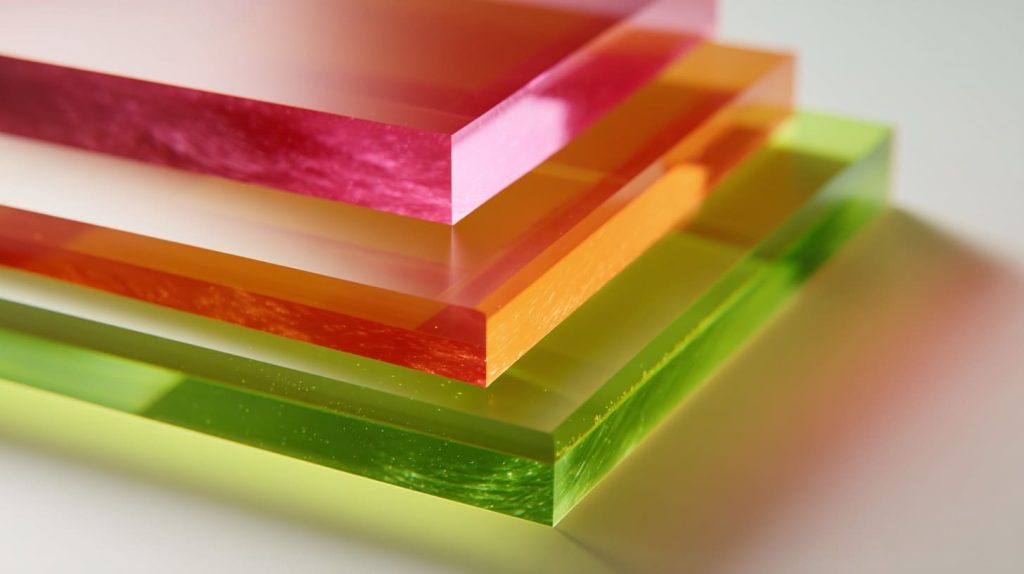
Sometimes a material feels like just another sheet of plastic. Fluorescent acrylic isn’t that. When you pick it up, there’s a noticeable visual energy. That energy comes from how it interacts with light—and how it handles everyday use.
1.1 Optical and Visual Characteristics
How Fluorescent Acrylic Looks
The first thing we notice about fluorescent acrylic is the glow. Put it under bright light and it looks electric. Under softer light, it still seems to have life.
| Property | Effect |
|---|---|
| Vibrant Colors | Really stands out in displays and signage |
| Light Capture | Absorbs light and intensifies it |
| Edge Glow | Visible even from oblique angles |
This isn’t just pretty; it’s practical. When light enters the edges, it travels within the sheet and creates a side glow you don’t get with normal colored acrylic.
1.2 Physical and Mechanical Properties
Some plastics look good but break easily. Not fluorescent acrylic. It still carries the solid basics of regular acrylic.
- Lightweight – easy to move and install
- Impact‑resistant – won’t crack under normal use
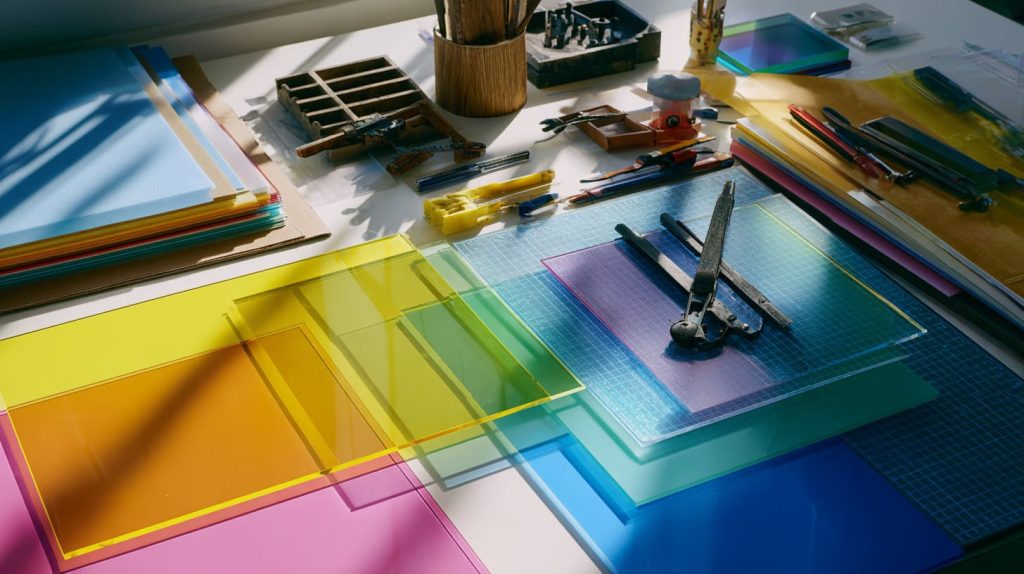
- Works well with fabrication tools – laser, router, saw
I once had a project where the sign had to survive a busy mall corridor. Fluorescent acrylic took a beating from carts and hands without cracking. That matters in real-world use.
1.3 Customization and Workability
Fluorescent acrylic doesn’t limit you to a few shades. You can get bright pink, green, yellow, orange—even bold blues. The colors are strong, and they stay strong.
| Hue | Typical Use |
|---|---|
| Fluorescent Pink | Youth markets, cosmetics |
| Fluorescent Green | Eco branding, signage |
| Fluorescent Yellow | Wayfinding, safety labels |
| Fluorescent Orange/Blue | Retail accents |
And best of all? It behaves just like regular acrylic when you cut or engrave it.
These properties set the stage. Now let’s look at how people actually use this stuff.
If you’ve ever been caught between picking something visually effective and something functional, the next section will make that choice easier.
2. Core Applications of Fluorescent Acrylic Sheets
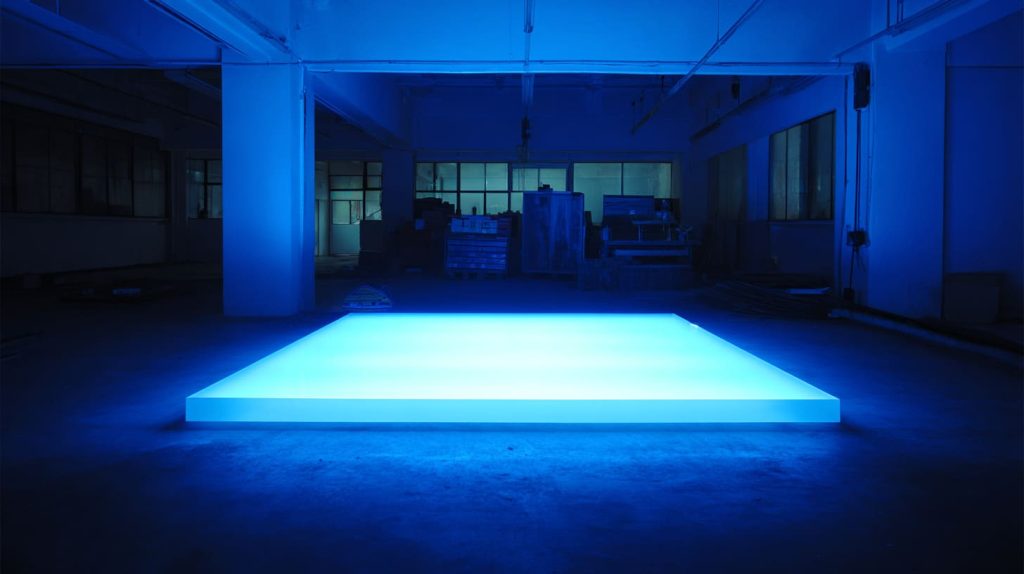
There’s a simple truth in product design: material choice must earn its place. Fluorescent acrylic earns it in many areas.
2.1 Signage & Visual Communication
Fluorescent acrylic does one thing extremely well. It grabs attention.
2.1.1 Retail and Brand Signage
At a department store in Vancouver, I saw a display that looked great from 20 meters away. The secret wasn’t more lights. It was fluorescent acrylic. The colors pulled your eye before anything else did.
Stores use it for:
- Storefront logos
- Brand signage
- Eye-catching promotional boards
This stuff makes messages pop without shouting.
2.1.2 Directional and Informational Displays
I remember walking through a conference where most signs were flat and dull. Then came the fluorescent ones—clear, bright, and readable even where lighting was weak.
People use fluorescent acrylic for:
- Wayfinding signs
- Event maps
- Trade show displays
It helps people orient themselves faster. That’s real value in experience design.
2.2 Retail & Store Displays
Displays aren’t just about holding products. They are about selling products.
Look at this example:
| Display Type | Benefit |
|---|---|
| Product Stand | Pulls in customers |
| Tiered Riser | Highlights key items |
| Custom Rack | Matches brand identity |
When fluorescent acrylic is used, products seem livelier. The store looks more engaging.
2.3 Creative and Decorative Uses
Sometimes material use crosses from functional to inspirational.
2.3.1 Interior Design and Art Installations
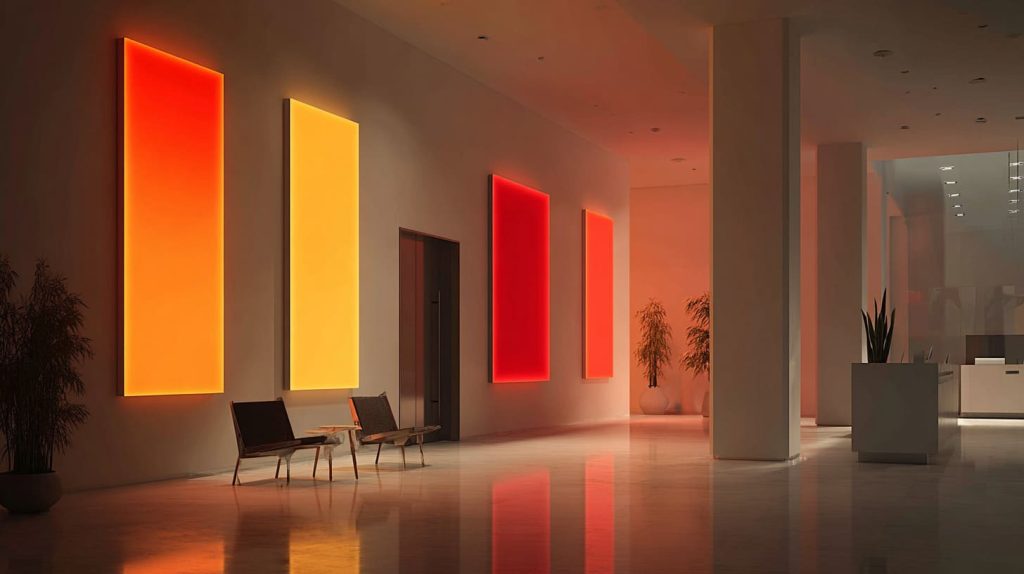
I once worked with an interior designer who wanted a reception wall that felt alive. Fluorescent panels did that. The room didn’t just look brighter—it felt brighter.
People use fluorescent acrylic for:
- Wall art and feature panels
- Decorative light installations
It’s art that feels alive.
2.3.2 DIY and Small Projects
Not every project is big and glossy. A friend used fluorescent acrylic for custom coasters at home. They looked fun and unique.
Here are personal project ideas:
- Custom coasters
- Clock faces
- Tablet stands
- PC case accents
Simple projects can have big visual impact.
2.4 Functional Organizers and Fixtures
I built my first acrylic desk organizer years ago. Using fluorescent sheets made it easier to find items without thinking. It was both fun and practical.
Examples include:
- Storage boxes
- Pen holders
- Document racks
These bring color plus function. That combo wins more often than not.
And now, let’s look at why all of this really matters beyond just looking good.
3. Why Fluorescent Acrylic Sheets Matter

Sometimes a material trend fades. Fluorescent acrylic isn’t a fad. It matters because it changes how people see and interact with things.
3.1 Enhanced Visual Impact and Brand Communication
When a customer walks by a display, what captures attention first? Usually it’s bright colors and bold forms.
Fluorescent acrylic helps:
- Draw attention instantaneously
- Increase brand recall
- Make messages clearer from farther away
This is visual communication made smarter.
3.2 Functional Visibility in Mixed Lighting
Not all environments have perfect light. Stores, events, displays—lighting varies.
Fluorescent acrylic helps in:
- Low-light zones
- Shadows
- Mixed lighting conditions
The material still glows. That’s a functional advantage.
3.3 Design Versatility for Modern Trends
Design trends move fast. Right now, bold colors and striking visuals are popular in retail and experiential spaces.
Fluorescent acrylic gives designers:
- Freedom to experiment
- Strong palettes without paint
- Compatibility with modern aesthetics
It’s not just bright—it’s intentional.
3.4 Ease of Fabrication and Customization
You don’t need special tools.
This material:
- Cuts like regular acrylic
- Engraves cleanly
- Polishes nicely
If you can work with normal acrylic, you can work with fluorescent acrylic.
It’s gentle on fabrication but tough on performance.
Understanding the why leads us directly to the how—how to choose the right type for your projects.
4. Practical Considerations for Choosing Fluorescent Acrylic Sheets
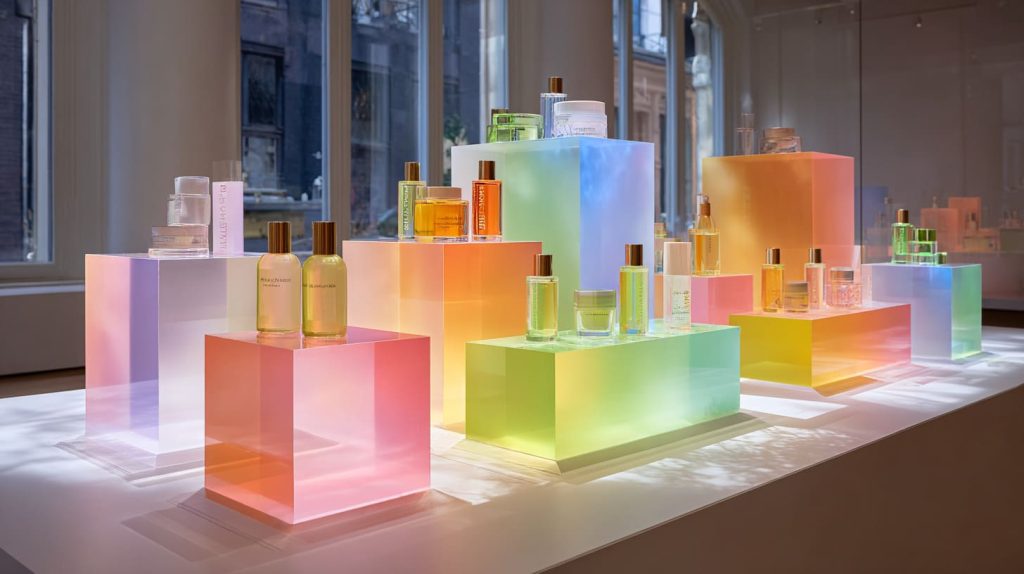
Choosing fluorescent acrylic is not just about picking a bright color. There are practical choices you need to make.
4.1 Selecting the Right Color and Thickness
Color isn’t just aesthetics. It affects visibility.
| Choice Factor | What It Influences |
|---|---|
| Hue | Audience reaction |
| Brightness | Visual impact |
| Thickness | Durability and rigidity |
Thicker sheets are stronger but heavier. Thin ones are easy to work with but may need support frames.
4.2 Indoor vs Outdoor Usage
If your project goes outdoors, you need to think about UV exposure.
Outdoor needs:
- UV resistance
- Color retention over time
Not all fluorescent sheets are equal outdoors. Ask your supplier for UV‑resistant grades if longevity matters.
4.3 Fabrication and Processing Tips
Here are a few practical tips I’ve picked up:
- Use sharp blades and clean laser settings
- Polish edges for a smoother glow
- Protect surfaces from scratches during fabrication
Small touches make a big difference in the final look.
Before we conclude, it’s worth seeing how fluorescent acrylic compares with the everyday acrylic most people know.
5. Comparison with Standard Acrylic Sheets
At first glance, both look like clear or colored plastic. But the effect on final results can be very different.
5.1 Visual Difference
| Feature | Fluorescent Acrylic | Standard Acrylic |
|---|---|---|
| Color Intensity | Very high | Moderate |
| Glow Effect | Always present | None |
| Attention Grab | Very strong | Standard |
5.2 Use Case Advantage
Fluorescent acrylic shines where visibility matters.
Standard acrylic is fine when color is subtle or functional.
5.3 Performance Differences
Both materials share base strength and workability. The difference is in visual performance. That difference matters when your goal is to communicate boldly.
Conclusion
When I look back on all the projects I’ve touched—signage, displays, organizers—what stands out most is not the complexity of the design. It’s the clarity of the message.
Fluorescent acrylic sheets help you design with presence. They pull attention without shouting. They communicate clearly in dim and bright light. They work well with standard tools. And they give both form and function a visual edge.
For designers and buyers alike, these sheets are more than a bright color choice. They are a smart material choice that matters for real results.
If you want displays that get noticed and messages that land, fluorescent acrylic is a tool worth keeping close.