Skip to content
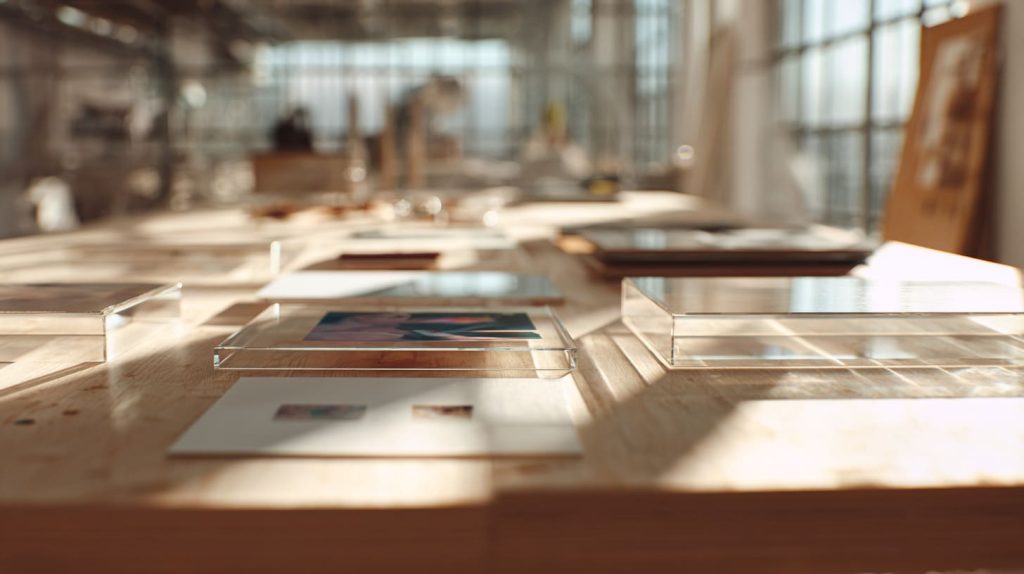
Custom acrylic printing comes up in buyer calls more often than people admit.
Not because it is new. Not because it is trendy. It comes up because someone wants their product to look right, feel right, and still stay flexible.
I hear the same questions again and again.
“Is this printing or engraving?”
“Can we change the logo later?”
“Is this going to scratch or fade?”
This guide is written for people like Jacky. You already know acrylic. You already know factories. What you want is clarity before small decisions turn into big rework.
Here, I will walk through what custom acrylic printing really is, when it works, when it fails, and how I decide if it fits a project. No hype. Just real logic from real projects.
What Is Custom Acrylic Printing?
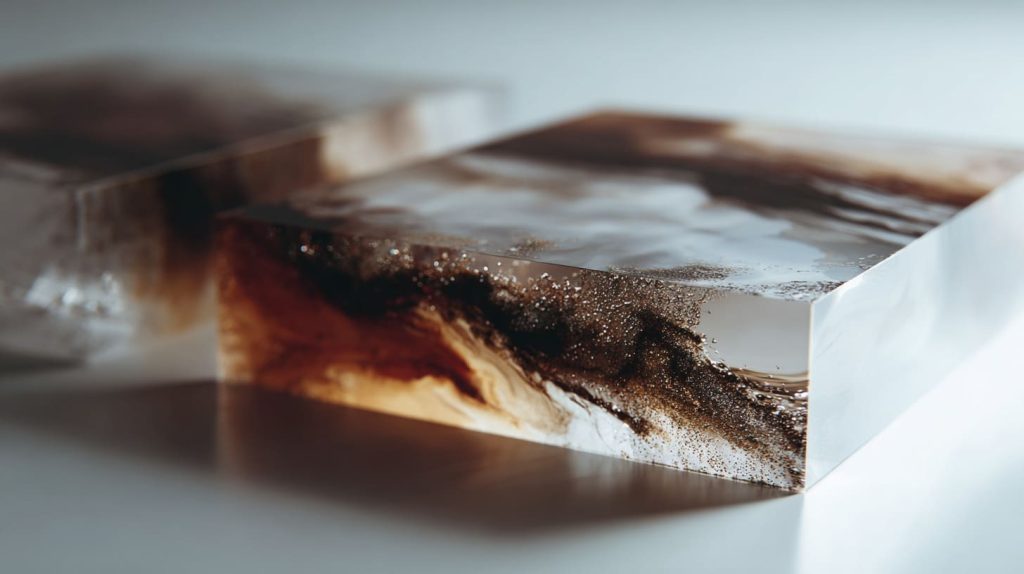
Custom acrylic printing means adding graphics, text, or patterns directly onto acrylic.
It sounds simple. In practice, there are choices hiding underneath.
Basic definition of custom acrylic printing
I treat acrylic printing as surface decoration with intent.
The ink can sit on the surface, or it can live behind the acrylic.
| Printing position | What it means | Typical reason |
|---|---|---|
| Front / surface printing | Ink on top of acrylic | Bright colors, quick visibility |
| Back / reverse printing | Ink printed behind clear acrylic | Protection, long-term clarity |
Front printing looks bold. Back printing lasts longer. That trade-off matters more than people think.
How acrylic printing works in manufacturing
Printing starts long before ink touches acrylic.
- Cleaning – dust and oil ruin adhesion
- Masking – protect areas that must stay clear
- Positioning – alignment errors are expensive
- Printing – UV or screen process
- Curing – ink hardens and bonds
- Cutting & assembly – printing must survive handling
I have seen good designs fail because step one was rushed. Printing is not forgiving.
How custom acrylic printing differs from other decoration methods
Here is how I usually explain it to buyers:
| Method | Strength | Weak point |
|---|---|---|
| Printing | Color, speed, flexibility | Surface wear |
| Laser engraving | Permanent, clean | No color depth |
| Vinyl sticker | Cheap, fast | Peels, looks cheap |
| Screen printing (plastic) | Stable for large runs | Less flexible |
No method is “best.” Each one solves a different problem.
That leads naturally to the next question buyers ask me: what kind of printing are we talking about?
Common Types of Custom Acrylic Printing
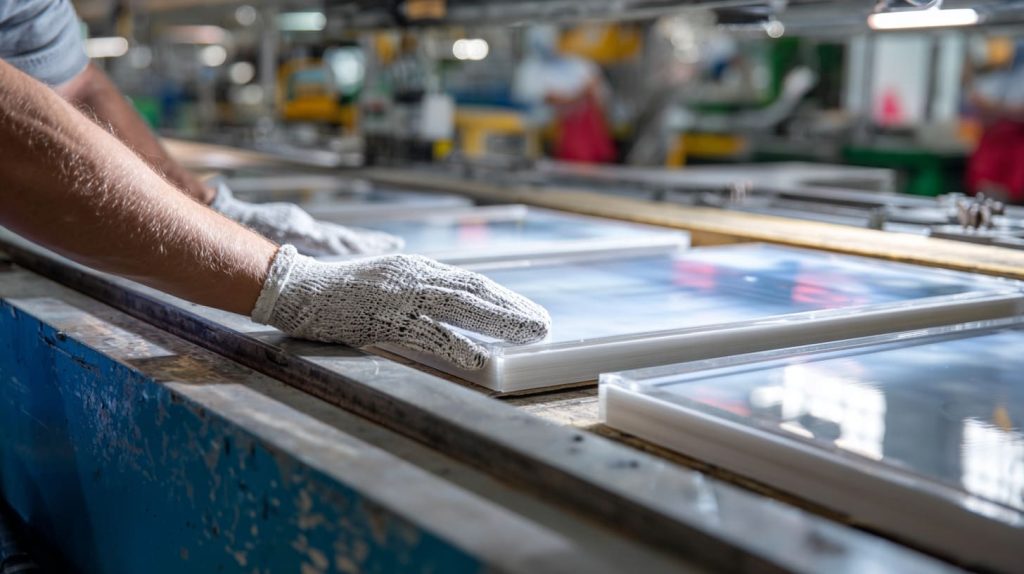
Not all acrylic printing behaves the same after six months of use.
UV printing on acrylic
UV printing is the most common choice today.
The ink cures under UV light and bonds to acrylic fast.
Why buyers like it
- Sharp detail
- Full color (CMYK)
- Fast lead time
Where it fits best
- Displays
- Signage
- Branding panels
Where it struggles
- High friction areas
Screen printing on acrylic
Screen printing still makes sense, but only in clear cases.
| Factor | Screen printing |
|---|---|
| MOQ | Higher |
| Color change | Expensive |
| Durability | Strong |
| Unit cost (large run) | Lower |
If the design never changes and volume is high, screen printing earns its place.
Back printing vs front printing
This choice decides product life.
| Option | Look | Durability |
|---|---|---|
| Front printing | Strong, direct | Medium |
| Back printing | Clean, deep | High |
When buyers say “premium,” they usually mean back printing.
Single-color vs full-color printing
More color means more freedom. It also means more risk.
| Type | Best use |
|---|---|
| Single color | Logos, symbols |
| Full color (CMYK) | Images, gradients |
I often suggest starting simple. Complexity can come later.
Now the real question: when should you actually use printing at all?
When Should You Use Custom Acrylic Printing?
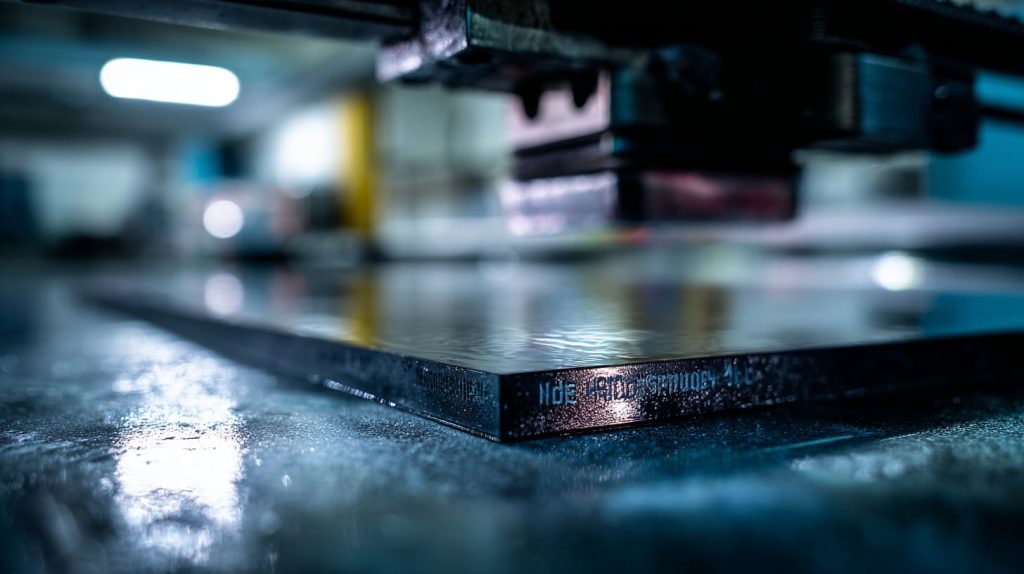
Printing shines when change is expected.
Early-stage branding and product validation
I see this phase a lot.
- Samples
- Pilot runs
- Brand testing
Printing lets you move without touching tooling. That freedom is valuable.
Retail display and point-of-sale products
Retail lives on attention.
Printing helps with:
- Logo clarity
- Shelf contrast
- Short campaigns
It works well when the product must speak fast.
Functional labeling and information display
Not all printing is about branding.
| Application | Reason |
|---|---|
| Control panels | Clear instructions |
| Information plates | Fast reading |
| Direction signs | Visibility |
Here, function beats beauty.
When customization volume is medium to high
Printing sits between prototype and molding.
| Volume | Better choice |
|---|---|
| Low | Printing |
| Medium | Printing |
| Very high | Molded insert |
This middle zone is where printing saves money.
But printing is not magic. There are times when I advise buyers to stop.
When Custom Acrylic Printing Is NOT the Best Choice
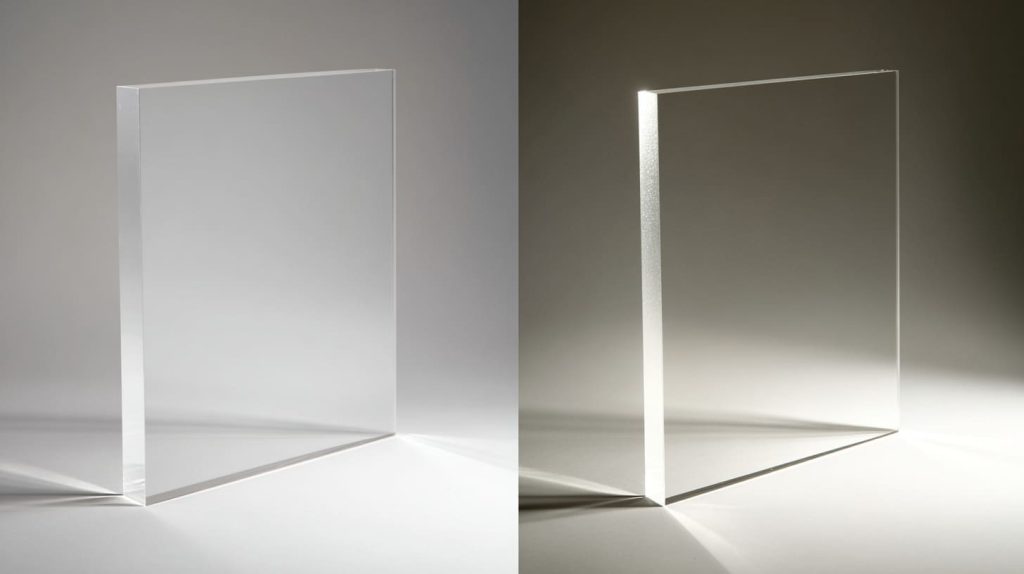
Knowing when not to print is just as important.
High-wear or abrasive environments
If hands touch it all day, ink will feel it.
Risk
- Scratches
- Fading
Alternatives
- Engraving
- Embedded metal plates
Outdoor and UV-exposed applications
Sun never gets tired.
Even UV ink ages.
| Risk | Impact |
|---|---|
| Sun | Color shift |
| Rain | Edge wear |
| Heat | Ink stress |
Outdoor use needs extra protection or different materials.
Extremely high-volume mass production
At scale, printing loses its edge.
Once tooling cost spreads thin, molded graphics win.
This is where experienced buyers pause and rethink.
Why Buyers Choose Custom Acrylic Printing
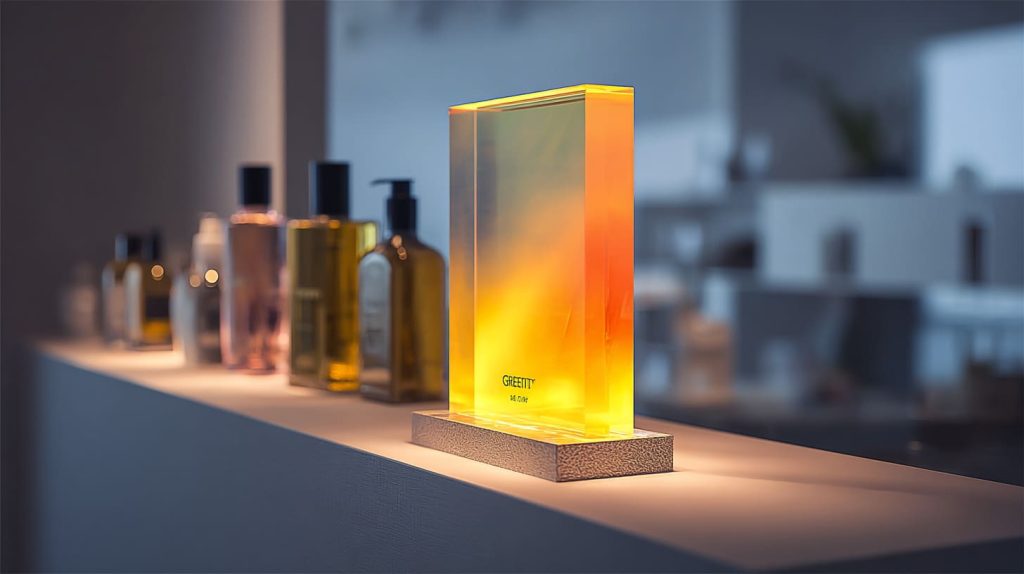
Despite limits, printing stays popular for good reasons.
Design freedom and visual impact
Acrylic plus print creates depth.
It feels clean. It feels modern.
No mold change needed.
Faster lead time compared to molds
Time matters.
| Method | Setup time |
|---|---|
| Printing | Days |
| Mold | Weeks |
That difference can save a launch.
Lower upfront cost for customization
Printing shifts cost from tooling to unit price.
That reduces early risk. Especially for new brands.
Flexibility for OEM and private-label buyers
Logos change. Markets change.
Printing adapts without pain.
That flexibility is why buyers keep asking about it.
Key Design Considerations Before Printing on Acrylic

Design choices decide success.
Acrylic material selection
| Type | Printing result |
|---|---|
| Cast acrylic | Better clarity |
| Extruded acrylic | Lower cost |
Cast acrylic prints cleaner. I default to it when possible.
Thickness and surface finish
Thickness affects depth. Finish affects adhesion.
| Finish | Effect |
|---|---|
| Glossy | Bright color |
| Matte | Soft look |
Both work. The goal decides.
Color matching and file preparation
CMYK and Pantone are not the same.
I always ask for:
- Clear color target
- Sample approval
Most print problems start in the file, not the factory.
Durability and protection options
Protection extends life.
| Method | Benefit |
|---|---|
| Back printing | Ink protection |
| Clear coat | Scratch resistance |
| Protective film | Shipping safety |
These small steps prevent big complaints.
Cost Factors in Custom Acrylic Printing
Cost is not just ink.
What drives printing cost
Main drivers:
- Print size
- Color count
- Setup time
MOQ and scalability
| Quantity | Cost trend |
|---|---|
| Low | Higher unit cost |
| Medium | Balanced |
| High | Lower per unit |
Scaling improves numbers fast.
Printing cost vs total product cost
Printing is rarely the biggest cost.
Cutting, polishing, assembly matter more.
This surprises many buyers.
How to Decide If Custom Acrylic Printing Is Right for Your Project
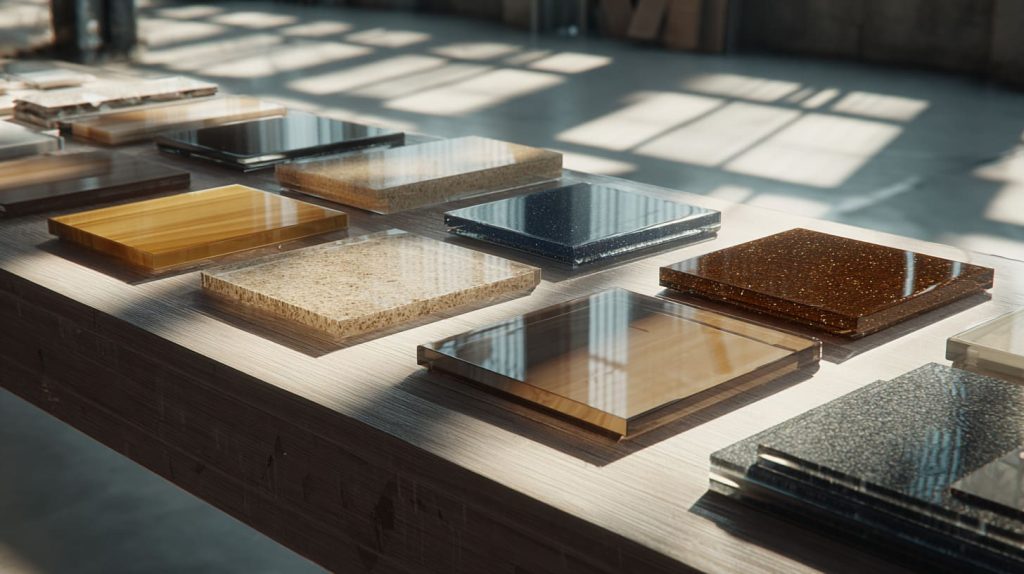
I use simple logic.
Quick decision checklist for buyers
- Where will it live?
- How often will it be touched?
- Will branding change?
Clear answers lead to clear choices.
Questions you should ask your acrylic supplier
- What ink do you use?
- How long does it last?
- Can you match my sample twice?
Good suppliers answer calmly.
Real-world decision logic used by experienced buyers
Jacky-style buyers say yes when:
- Speed matters
- Branding matters
They say no when:
- Wear is high
- Volume is massive
That judgment saves money.
Conclusion

Custom acrylic printing is not decoration for decoration’s sake.
It is a tool.
It works best when flexibility, speed, and visual clarity matter more than permanence.
It fails when environment and wear are ignored.
Smart buyers choose printing by use, volume, and lifecycle, not by looks alone.
If you are unsure where your project sits, that is normal.
That is usually the right moment to ask, test, and slow down before committing.
If you want a second opinion, I am always happy to look at a drawing and talk it through.